
Nowe Horyzonty: how a film festival came to Wrocław
The Nowe Horyzonty International Film Festival was founded in 2001 in Sanok on the initiative of Roman Gutek. It was then hosted in Cieszyn between 2002 and 2005, and since 2006 has been permanently associated with Wrocław. It is organised by the Nowe Horyzonty Association, founded in 2003, two years after the event's first edition - which shows that the festival first had to prove itself as an event before the institution that runs it was created.
The festival's profile - ambitious, auteur cinema, often hard to see through ordinary distribution - meant that a whole cinema infrastructure grew up in Wrocław alongside it: a separate arthouse cinema operating under the same brand all year round, not only during the festival itself. It is a rare example of a seasonal event leaving behind a lasting cultural institution, rather than just a memory of one week a year.
Literature: from Legnica to Wrocław
Port Literacki, today one of the more important literary festivals in Poland, began in 1996 in Legnica under the name European Meetings of Young Writers. In 1997 it was renamed Fort Literacki, and in 2000 Port Literacki - under this name it moved to Wrocław in 2004, where it has been held ever since, usually in spring. Artur Burszta has remained the festival's initiator and organiser throughout its existence.
Over three decades, the festival has hosted around 400 authors, including more than 70 guests from abroad, and has published almost a hundred books in translation as accompanying materials. On its margins, musical groups were even formed specially for the event, and in 2008 the Wisława Szymborska Literary Award - Silesius was established alongside it. The history of Port Literacki is also the history of how a large literary festival can begin in a medium-sized town and only later move to a metropolis.
The Góry Literatury Festival has a separate literary tradition, with some of its events held at the Stara Kopalnia Centre for Science and Art in Wałbrzych - a former hard coal mine turned into a cultural institution. Alongside it there, among others, are the Wałbrzych Blues Festival and the Festival of Creative Imagination, which shows how a single post-industrial site can carry several very different cultural events over the course of a year.
Festivals in fortresses and former mines
Some of the region's festivals take place in locations that were never conceived as cultural venues. Every year, on the second weekend of August, Kłodzko Fortress turns into the setting for a re-enactment of the 1807 siege - the Kłodzko Fortress Days bring together re-enactment groups from Poland, the Czech Republic, Germany, France and Lithuania, making this one of the more international events in Lower Silesia. The annual Fortress Festival in Srebrna Góra has a similar character, recalling the 1807 battle in which the Prussian garrison repelled an assault by Bavarian and Württemberg troops.
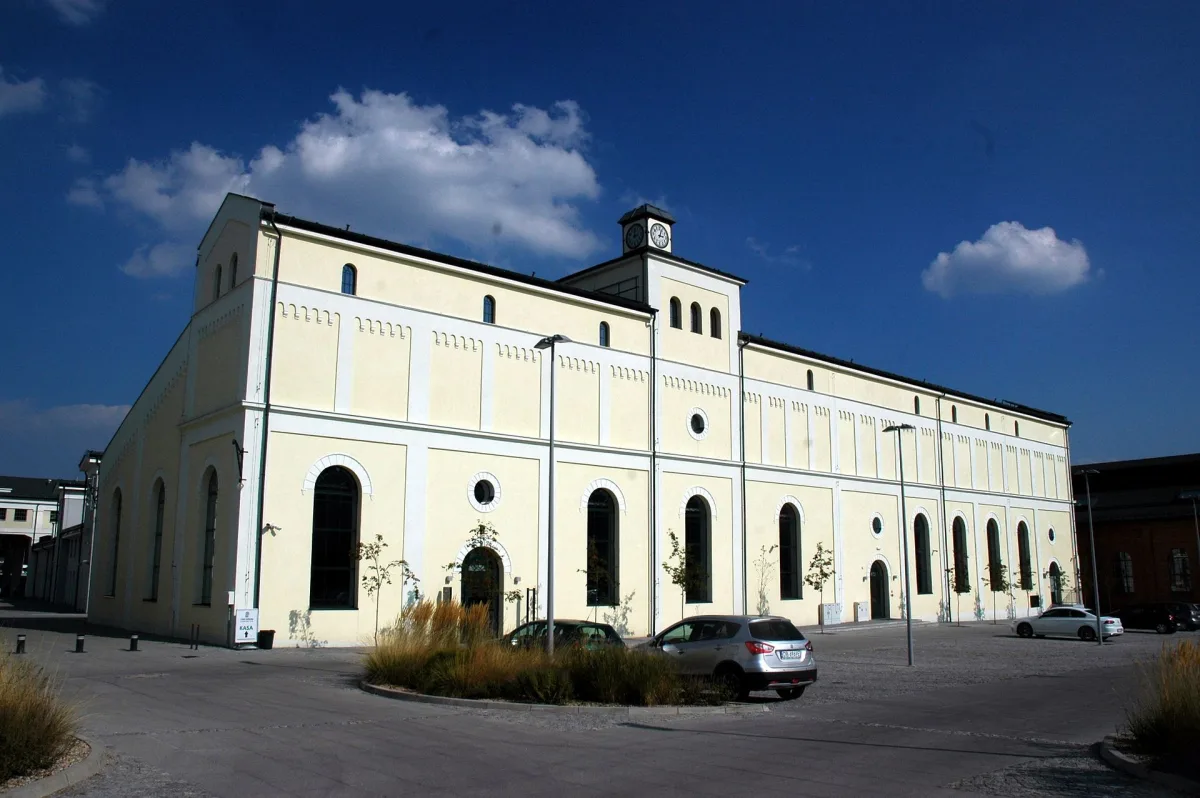
The Stara Kopalnia site in Wałbrzych, in turn, is an example of a place that changed function most radically: from an industrial plant it became a festival venue, combining music, literature and visual arts under one roof, in halls that only a few decades ago were used for coal extraction.
Events in smaller towns
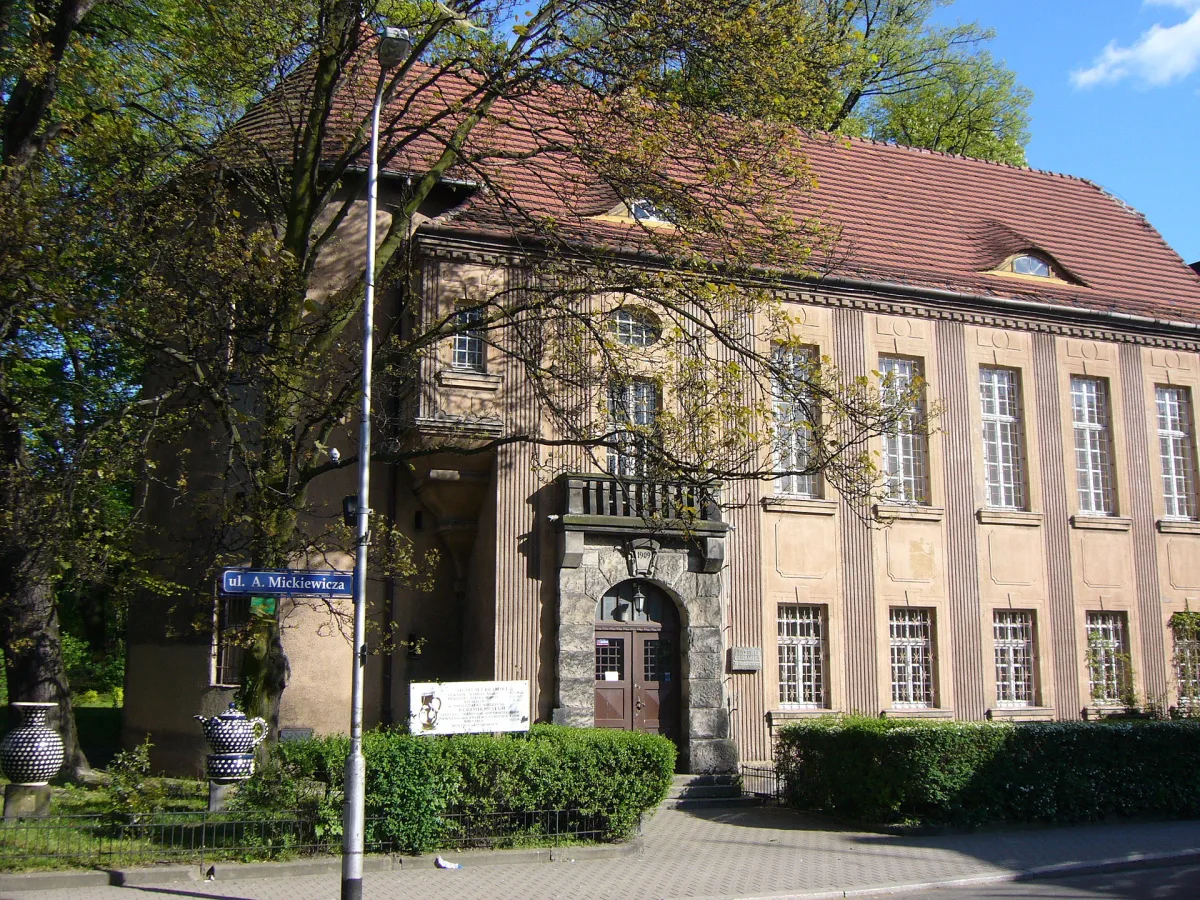
Not all of the region's large festivals were born in the voivodeship capital. Port Literacki began in Legnica before it became a nationwide event. The Bolesławiec Ceramics Festival, held since 1991, grew from a local craft event into the largest ceramics festival in Poland and one of the more important ones in Europe - even though Bolesławiec is a town of a few dozen thousand people, not a metropolis.
For smaller towns, a festival can be a way of making a name for themselves outside the tourist season linked to the mountains or the spa resorts: it draws visitors on a specific date, builds a town's brand around a single tradition - ceramics, literature, military history - and gives a reason to invest in cultural infrastructure that is then used all year round.
Cross-border events with the Czech Republic and Germany
The proximity of the Czech and German borders is reflected in the region's festival calendar. The Kłodzko Fortress Days regularly attract re-enactment groups from the neighbouring Czech Republic and Germany, alongside guests from France and Lithuania. The CYRKUS Festival has an even more distinctly cross-border character: a Polish-German circus arts festival organised jointly by Zgorzelec and Görlitz, lying on the two sides of the border - a town that a bridge over the Lusatian Neisse divides, and which joint cultural events have for years been trying to bring together.
Events of this kind are held alternately on both sides of the border, which is itself a form of cooperation: organisers from Poland and Germany share the programme and the costs jointly, and the residents of both towns treat the event as a shared one, not belonging solely to one side of the river.
How the festivals are spread through the year
The festival calendar of Lower Silesia has a clear rhythm. Spring belongs to literature - Port Literacki is held in April. Summer is the season of historical re-enactments and open-air events: the August Kłodzko Fortress Days, the Fortress Festival in Srebrna Góra, and the August Bolesławiec Ceramics Festival. In autumn, attention shifts to film, as Wrocław lives and breathes Nowe Horyzonty, while the event at Stara Kopalnia and the cross-border festivals in Zgorzelec fill the calendar between summer and winter.
This spread is not accidental: historical re-enactments need good weather and long days, while more intimate festivals - literary or film ones - are easier to organise indoors, regardless of the weather, which is why they tend to fall more often at the turn of the seasons, when the open-air events have already finished or have not yet begun.

Be the first! Add a comment.
You need to log in to add a comment.
Log in