What to see
The best cycling routes in Lower Silesia
Read more
A city of four cultures - Polish, Jewish, German and Russian. Wrocław is a story of industrial power, decline and remarkable rebirth.
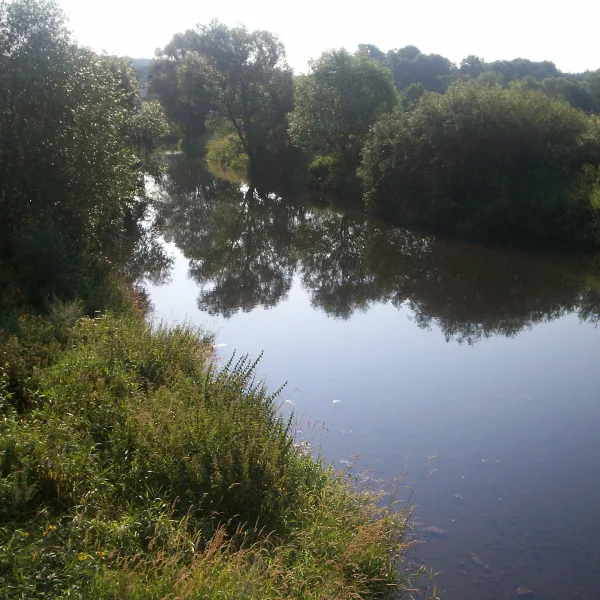
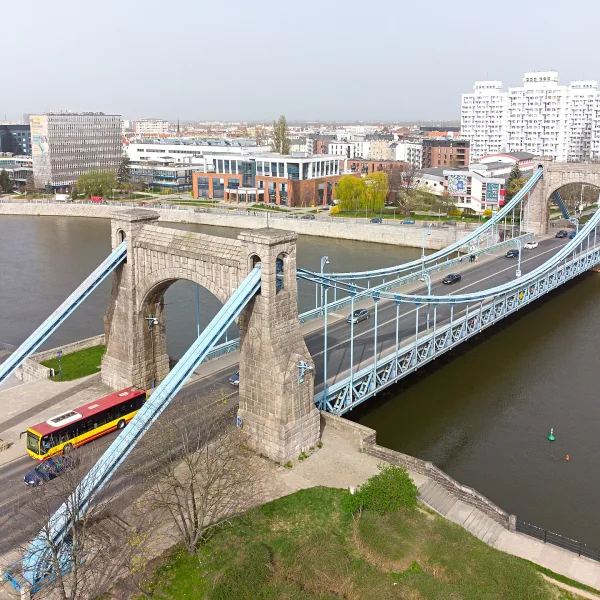
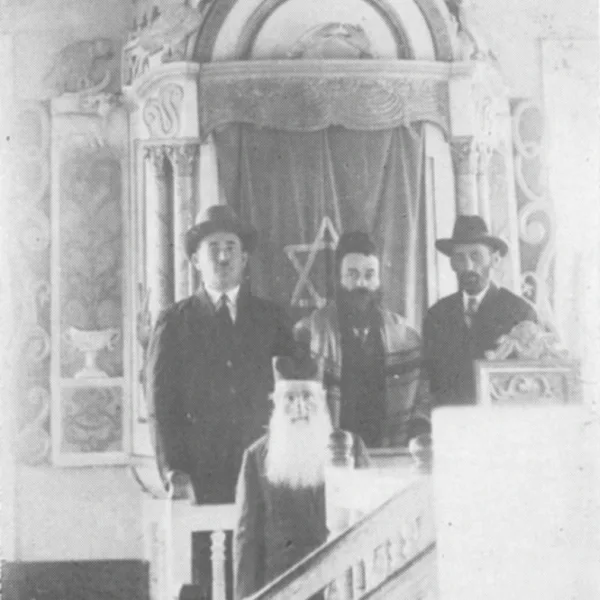
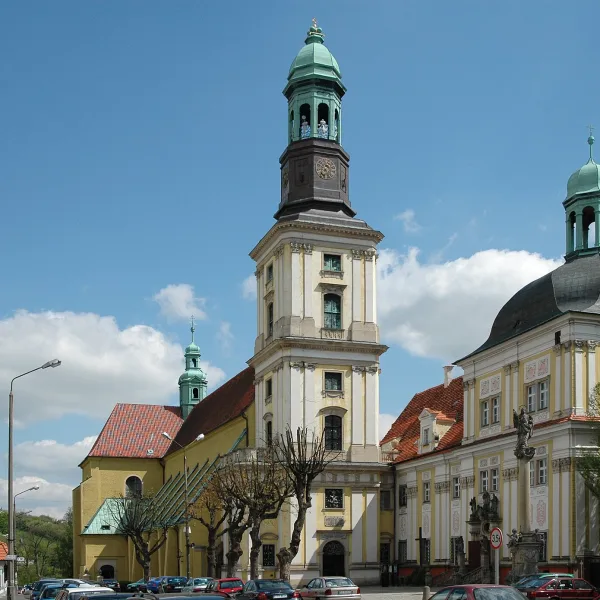



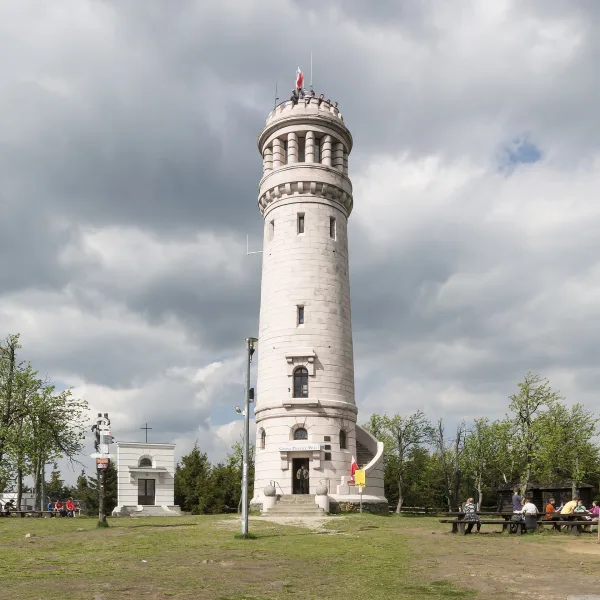


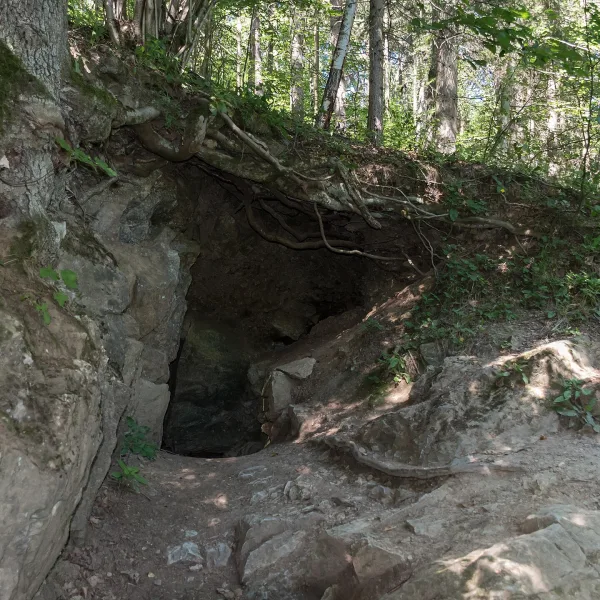
The “Explore Wrocław” section is a collection of articles about the city and the region, split into six themed sections. It is not an address book, because we have attraction lists for that. It is a series of texts that explain why a place looks the way it does, who built it and how to fit it into a sensible day out. The articles cover both the city on the Oder and the whole of Lower Silesia, from the Sudetes to the Barycz Valley.
If this is your first visit, start with the practical sections and keep history and curiosities for the evening or the train ride. If you have lived here for years, go straight to history or culture, where it is easiest to find things you pass every day without knowing what they hide.
The What to see section holds nearly thirty texts about places and routes. You will find ideas for full-day trips out of the city, descriptions of trails and suggestions for people who prefer to travel slowly and without a car. Among the most read pieces are the guide to the best cycling routes of Lower Silesia and a text on day trips from Wrocław by train, which shows that the main station gives you easy access to many interesting places in the region.
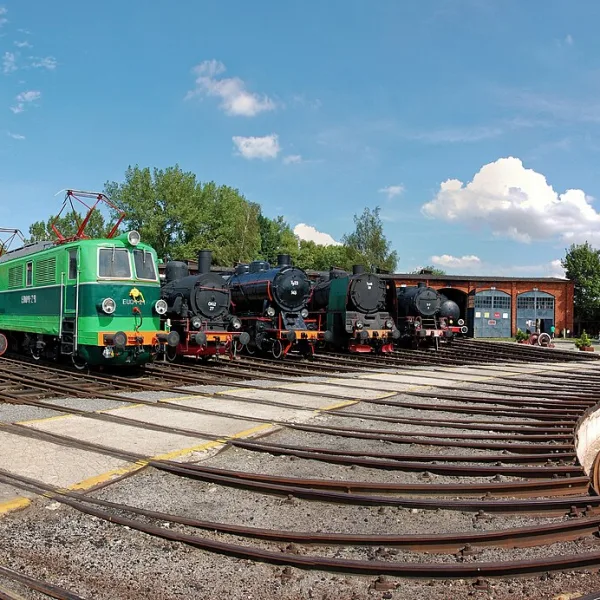
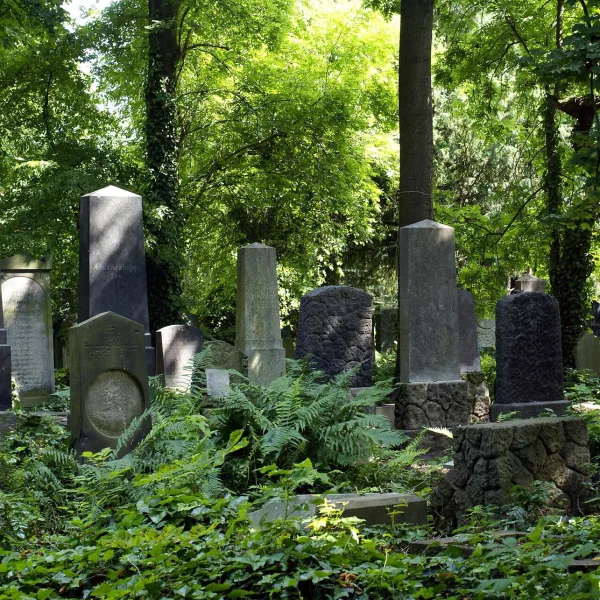
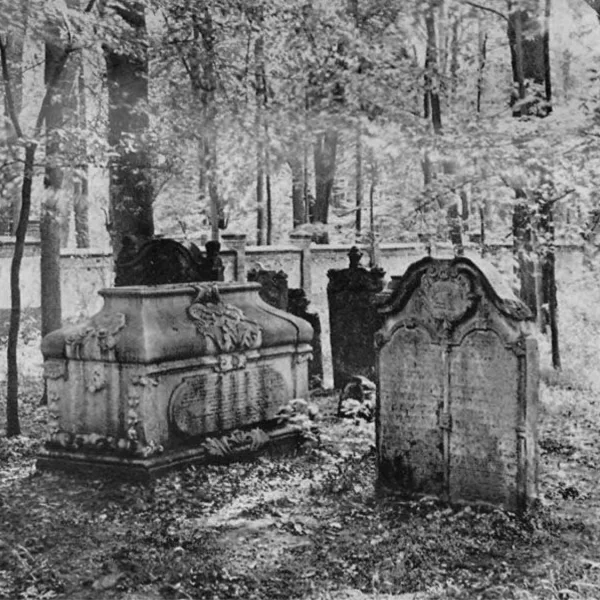
Railway fans will also find the narrow-gauge lines of Lower Silesia here. The section also covers less obvious places, such as the Old Jewish Cemetery, which is an important witness to the former Jewish community of Wrocław.
The Things to do in Wrocław section answers the question “what can I do right now”. It has over a dozen texts written for a specific situation: a weekend without a car, a rainy day, or a wish to walk in the mountains. The most read pieces are the rainy day guide and the car-free weekend guide.
If you like flea markets, there is a text on antique fairs across Lower Silesia, and for people who want to hike out of town there is a list of weekend walking trips from Wrocław into the mountains.
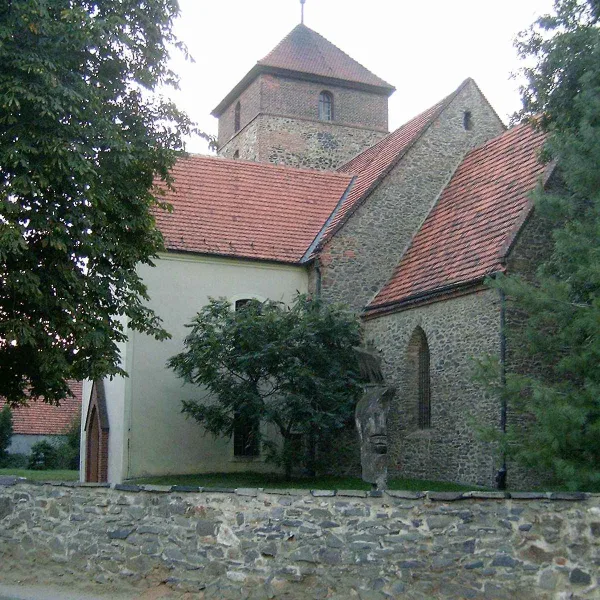
The largest section is History of Wrocław, with over fifty articles. Over the centuries the city belonged to different states, had different inhabitants and changed its name several times. Traces of each period are visible in the architecture, in cemeteries and in the street layout. The section describes them without a flood of dates, focusing instead on what you can still see today.
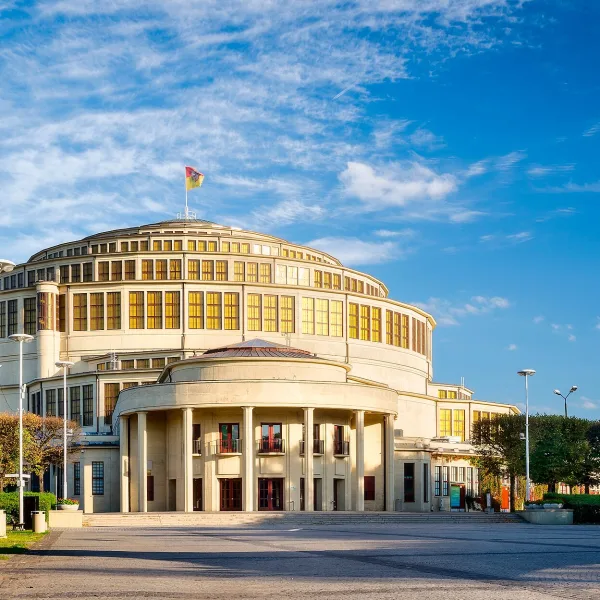
The Culture and art section has over twenty-five texts about people, institutions and crafts. It includes a story about the architects who shaped Wrocław, among them Max Berg, the author of the Centennial Hall. Another text explains how the Ossolineum library came from Lviv to Wrocław, and another covers Bolesławiec pottery, known for blue patterns on white clay.
The spa towns of the region have their own thread: famous visitors to the spas of Lower Silesia, including Chopin, Goethe and Churchill.
Wrocław curiosities is the lighter part of the section. It starts with the question every tourist asks: how many bridges does the city have? The answer is in the text about Wrocław, the city of a hundred bridges. Further on come mountain legends, such as Skarbnik and Liczyrzepa, the spirits of the Silesian mountains and mines, and unusual places like the Chapel of Skulls in Czermna, one of only three such ossuaries in Europe.
These texts work well as inspiration for a trip, because behind every curiosity stands a real address you can reach.
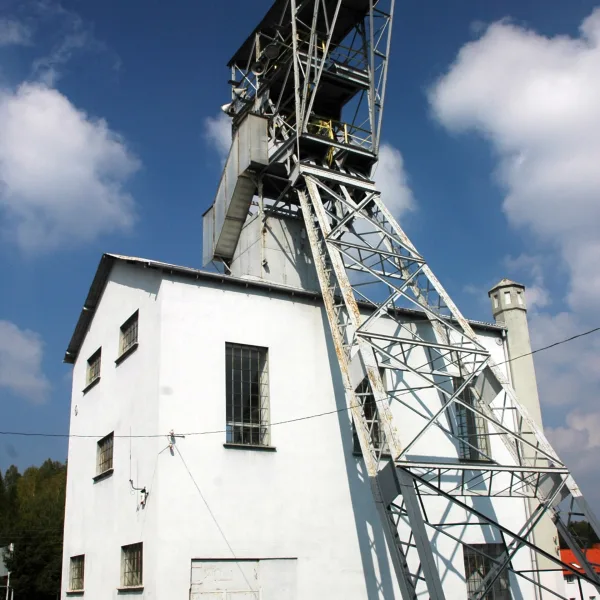
The Made in Lower Silesia section collects texts about what the region has of its own. You will find the story of the bomba legnicka, a gingerbread with marzipan, and a description of the old trades of Lower Silesia, such as miners, glassmakers and potters. A separate thread covers events: festivals in the castles of Lower Silesia and battle reenactments in fortresses.
The simplest way is to pick one theme and match places to it. If you read about architecture, check the list of historic sites. Industrial history leads to museums, and mountain legends to the Mountains category. The attraction categories below most often complement the articles:
The articles are written for a reader who wants to understand a place, not just tick it off. That is why they often give context that changes the way you look at an ordinary building or monument. The full overview of the department is on the Explore Wrocław page.
No. Although the name points to the city, most texts cover the whole of Lower Silesia: the Sudetes, the Kłodzko Valley, Legnica, Wałbrzych and smaller towns. Wrocław is the starting point because it is the easiest base for trips into the region.
Start with “Things to do in Wrocław”. The texts are written for a specific situation and quickly lead to a plan for the day.
Yes, the Polish version of the department is under /poznaj-wroclaw, with the same sections.
Each section list shows the most read texts. In practice the greatest interest goes to articles about trips from Wrocław, cycling routes and the history of the region.
No, because they change quickly. The texts describe places and context, and current information about tickets and hours is best checked on the attraction page or with the organiser.
Use the attraction lists, split into categories, or the attraction map, where objects are marked as points.