Lower Silesia attractions in one place: castles, mountains, museums and parks, with tips for families and for rainy days.
This list covers the whole region, from the Market Square in Wrocław, through the castles around Wałbrzych and the border country, to the peaks of the Karkonosze and the Stołowe Mountains. Categories and towns have their own pages. Here you see everything at once, which makes it easier to decide where to start.
Where should you start when planning a trip around Lower Silesia?
Start with the time you have and the weather forecast, and only then pick places. For one day, stay in one area: Wrocław, the Karkonosze, the Kłodzko region or Wałbrzych with its castles. For a weekend, combine the city with the mountains. Distances are bigger than they look on a map.
The list on this page mixes obvious landmarks with less obvious ones: ruins on rocky ridges, underground routes in former mines, gardens and wooden churches. Each card gives a short description, the town and tags such as "Na deszcz" (rainy day), "Dla rodzin" (families) or "Bezpłatne" (free), so you can drop what does not suit you.
If you are unsure which way to go, begin with the best known points: the Market Square in Wrocław, Książ Castle, Śnieżka or the Stołowe Mountains.
What should you see first in Wrocław?
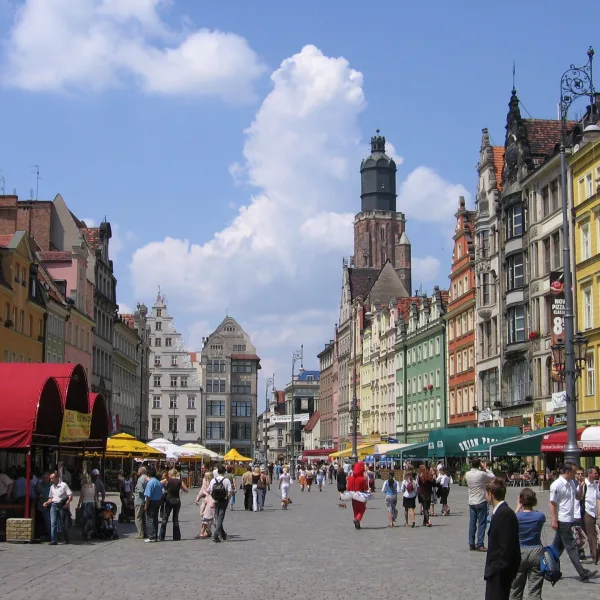
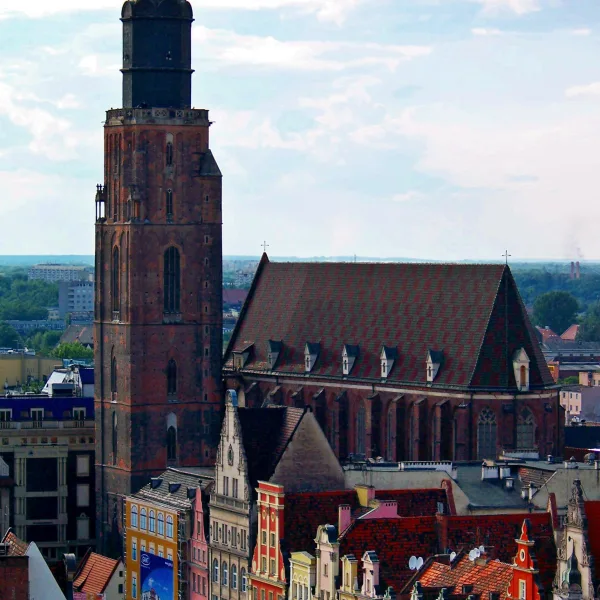
Begin at the Market Square, because everything else is close. It is one of the largest old town squares in Europe, with a block in the middle that holds the Old and the New Town Hall. From there walk to Ostrów Tumski, the cathedral island, and spend the afternoon in Biskupin, where the Centennial Hall, the Iglica spire and the parks are.
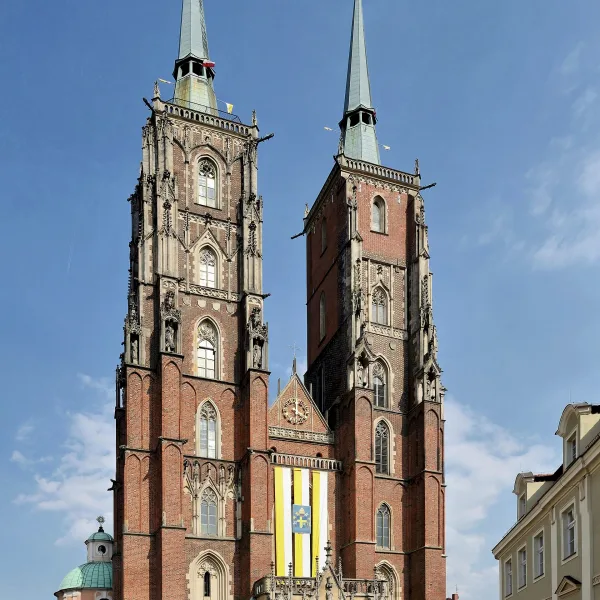
The late Gothic town hall was built from the end of the 13th to the 16th century and today houses the Museum of Bourgeois Art with a Gallery of Famous Wrocław Citizens. On Ostrów Tumski stands the Gothic Cathedral of St. John the Baptist, the fourth church on that spot, with a viewing gallery in the tower. You reach it over the Tumski Bridge, a steel bridge from 1889 that is now for pedestrians only.
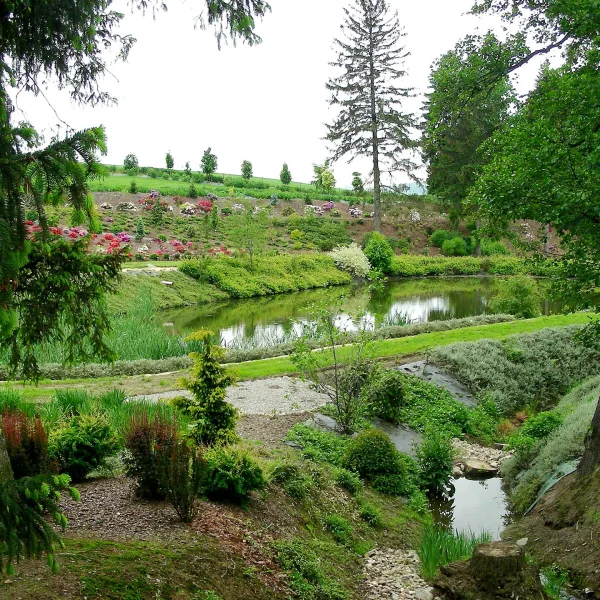
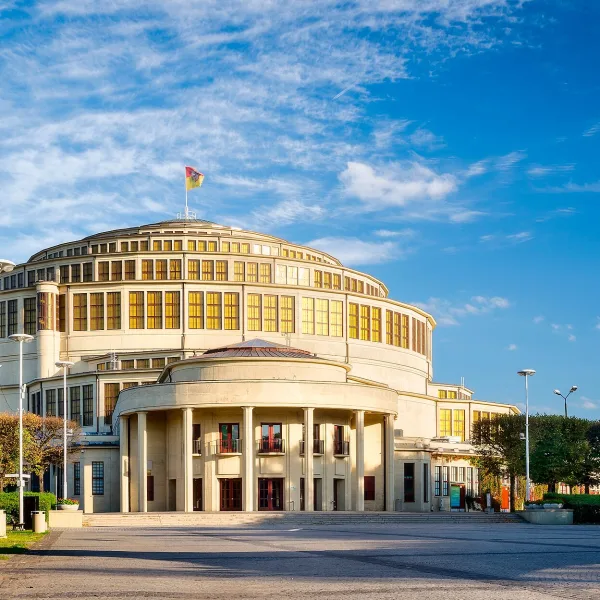
On the other side of the city waits the Centennial Hall, an expressionist structure from 1913 designed by Max Berg and listed by UNESCO. Next to it lies Szczytnicki Park with the Japanese Garden, founded in 1913, which has cascades, little bridges and a pond with koi carp. The steel Iglica spire from 1948 also stands in this part of town.
Which castle in Lower Silesia is best for a first visit?
For a first visit choose Książ in Wałbrzych, the third largest castle in Poland after Malbork and Wawel. If you prefer ruins and a walk uphill, go to Chojnik. If you want a castle by the water, pick Czocha above Lake Leśniańskie.
The castles here differ a lot, so match them to your mood. Książ stands above the Pełcznica ravine, lies on the Piast Castles Trail and has tunnels from the Second World War. Czocha Castle is a defensive border stronghold on gneiss rock, with a long line of owners. Chojnik is a Gothic ruin on a summit inside the Karkonosze National Park, struck by lightning in 1675.
Grodno Castle in Zagórze Śląskie crowns the hill of Choina, and Lake Bystrzyckie lies at its foot. Today it is a museum with a visitor route. The castle in Bolków is a ruin with the oldest surviving window in Poland and a round Prow Tower. For fortifications, go to the Kłodzko Fortress, where you can walk the bastions and the underground countermine corridors.
Which mountains to choose: Karkonosze, Stołowe or Sowie?
Choose the Karkonosze for the highest views, the Stołowe Mountains for rock mazes, and the Owl Mountains or Ślęża for a shorter, calmer outing. Each area has a summit you can build the day around, plus a few stops close by that fill the rest of the trip without long transfers.
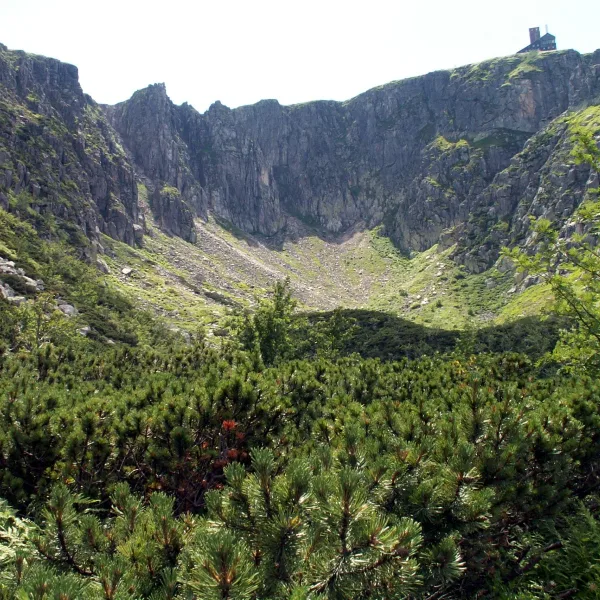
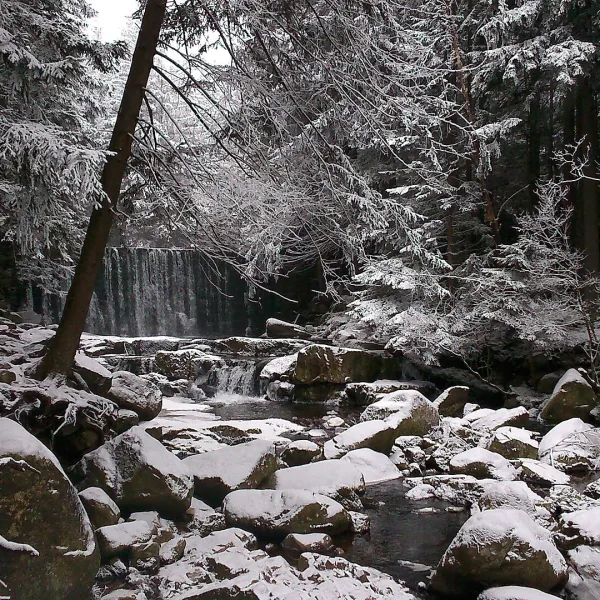
Śnieżka is the highest peak of the Karkonosze, the Sudetes and the whole Czech Republic. It sits right on the Polish-Czech border, and in good visibility the view reaches over two hundred kilometres. In the western Karkonosze rises Szrenica, 1362 m above sea level, reachable by cable car, with a viewpoint and a mountain hut at the top. From Szklarska Poręba you can also walk to the Kamieńczyk Waterfall, the highest waterfall in the Polish Sudetes, with a drop of 27 metres.
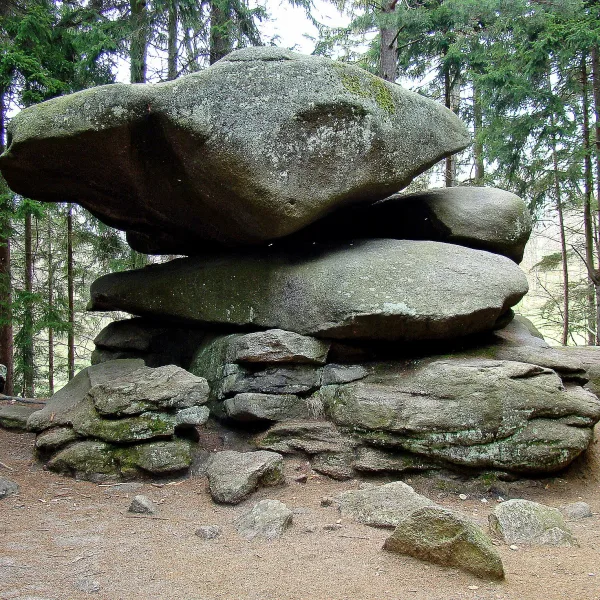
The Stołowe Mountains offer Szczeliniec Wielki, the highest peak of the range at 922 m, with viewing terraces and cracked sandstone rocks. Not far away are the Błędne Skały, a labyrinth of sandstone blocks with marked trails between Kudowa-Zdrój and Karłów.
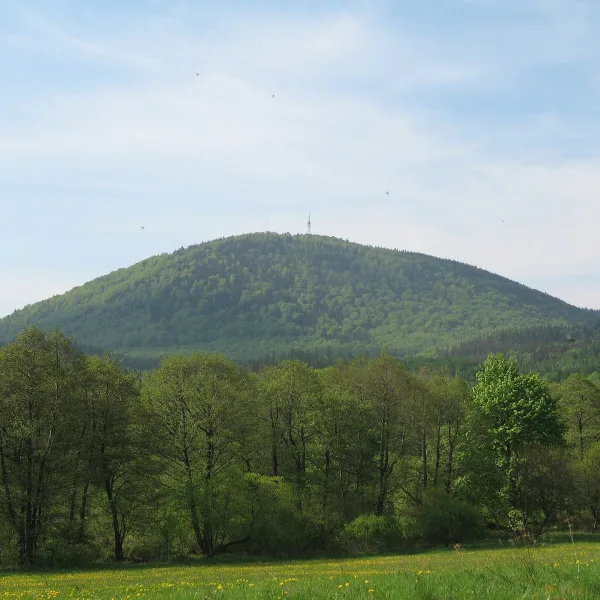
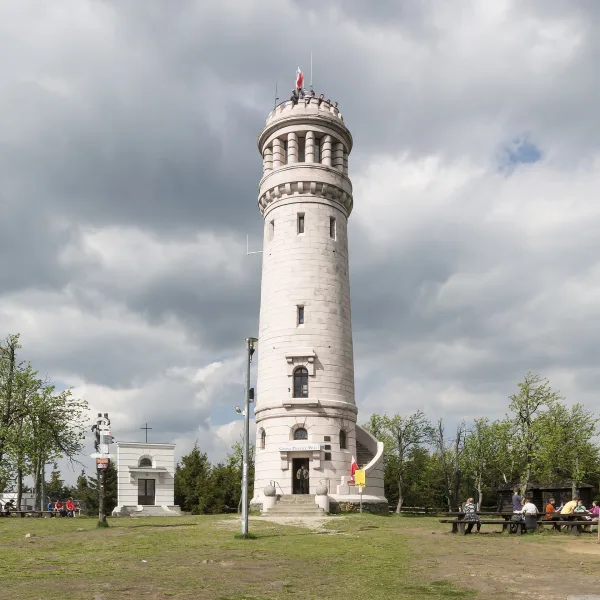
Wielka Sowa, 1015 m, is the highest summit of the Owl Mountains and has a viewing tower. Ślęża near Sobótka is the highest peak of the Sudetic Foreland, a former centre of pagan worship with surviving stone sculptures.
Where to go with children in Lower Silesia?
With children, start with the Wrocław Zoo and the Afrykarium inside it. That is a full day, and a good part of it is under a roof, which helps when the weather turns. Outside the city, an underground route in Złoty Stok or the cave in Kletno works well.
The zoo has operated without a break since 1865 and is the oldest zoo in present-day Poland. The Afrykarium on its grounds is the first oceanarium in Poland that presents the ecosystems of Africa. If you prefer water, Aquapark Wrocław has pools, slides and saunas in the Huby district, with two smaller branches elsewhere in the city.
Older children will enjoy going underground. The Gold Mine in Złoty Stok offers routes through the adits of a former gold and arsenic mine, with an underground waterfall, a boat crossing and a narrow gauge train. Another option is the Bear Cave in Kletno, the longest cave in the Sudetes, with a steady temperature of about 6 degrees, so take a warm layer even in summer. The full set is in the category attractions for children.
What to do in Lower Silesia when it rains?
When it rains, pick a museum, an underground route or a concert hall. In Wrocław that means the Racławice Panorama, the National Museum or the town hall on the Market Square. In the region, Złoty Stok, the Kłodzko Fortress and the Paper Museum in Duszniki-Zdrój are good choices.
The Racławice Panorama is a museum built around one huge cyclorama painting. You look at it from a central platform, surrounded by the picture on all sides,. The National Museum in Wrocław is the main museum of the region, with paintings and sculpture, mostly Silesian art.
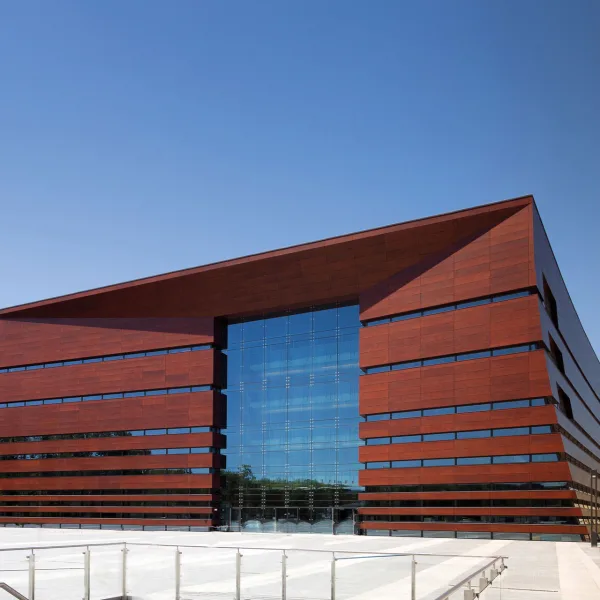
In the evening, see what is on at the Wrocław Opera on Świdnicka Street or at the National Forum of Music, opened in 2015 on Plac Wolności. You will find the calendar of concerts and shows in the events section. The Paper Museum in Duszniki-Zdrój works inside a mill from the 16th and 17th century and shows live production of handmade paper.
How to build a one-day route?
A day route works when you link two, at most three points from one area and leave room for the road, because in the mountains and on longer drives time moves slower than the map suggests. Below are four proposals built from places that lie close to each other.
- Classic Wrocław: Market Square, town hall, Ostrów Tumski with the cathedral and the Tumski Bridge, then the Centennial Hall, the Japanese Garden and Szczytnicki Park in the afternoon.
- Karkonosze: the Kamieńczyk Waterfall and Szrenica from Szklarska Poręba, and Śnieżka or Chojnik the next day.
- Around Kłodzko: the Kłodzko Fortress in the morning, then the gold mine in Złoty Stok or the Bear Cave in Kletno.
- Wałbrzych area: Książ Castle, then Grodno Castle in Zagórze Śląskie or Wielka Sowa in the Owl Mountains.
Underground routes and some museums require a guided visit, so check the rules on the venue's own page before you set off.
How to use the list and filters on this portal?
Choose a category or a town, then narrow the list with tags. That is the quickest way to go from the whole region to a few places that really fit your plan. The tags "Na deszcz" (rainy day), "Dla rodzin" (families), "Bezpłatne" (free) and "Piękne widoki" (views) describe places the way travellers plan their trips.
If you care about history, go to the category of historic sites, where castles, palaces, bridges and fortifications are collected. Museums and exhibitions sit in the museums category. Parks, gardens, waterfalls and caves are in parks and nature, while summits and trails are listed under mountains. The regional capital has its own list: attractions in Wrocław.
Frequently asked questions
What should I see in Lower Silesia if I have only one day?
Pick one area. If you are in Wrocław, walk the loop of the Market Square, Ostrów Tumski, the Centennial Hall and the Japanese Garden. If you have a car and like castles, drive to Książ in Wałbrzych and add one point nearby, for example Grodno Castle.
Which attractions are free?
Look for the tag "Bezpłatne" on the card. It applies, among others, to Szczytnicki Park, Śnieżka, Szrenica, the Kamieńczyk Waterfall and the Błędne Skały. Check the entry rules for national parks and trails with the manager of the area, because they can change.
Where is the highest mountain in Lower Silesia?
The highest peak of the Karkonosze, the Sudetes and the whole Czech Republic is Śnieżka, 1603 m above sea level, on the Polish-Czech border. In the Stołowe Mountains the highest point is Szczeliniec Wielki, 922 m.
What can I do in Lower Silesia on a rainy day?
Choose places under a roof or underground: the Racławice Panorama, the National Museum, the town hall, the Wrocław Opera, the Paper Museum in Duszniki-Zdrój, the Kłodzko Fortress or the mine in Złoty Stok.
Can I combine Wrocław and the mountains in one trip?
Yes, best over a weekend. Spend the first day in Wrocław and the second in one mountain area, such as the Karkonosze or the Kłodzko region. Events that fall within your stay are listed in the portal calendar.

 Historic sites