
Lower Silesia has museums of quite different character: huge buildings with hundreds of thousands of exhibits in Wrocław itself, former industrial sites turned into visiting routes, small regional institutions in smaller towns, and private collections built out of the passion of a single person or family. Below is an overview of those that stand out most for their collections, their building or their theme.
The great museums of Wrocław
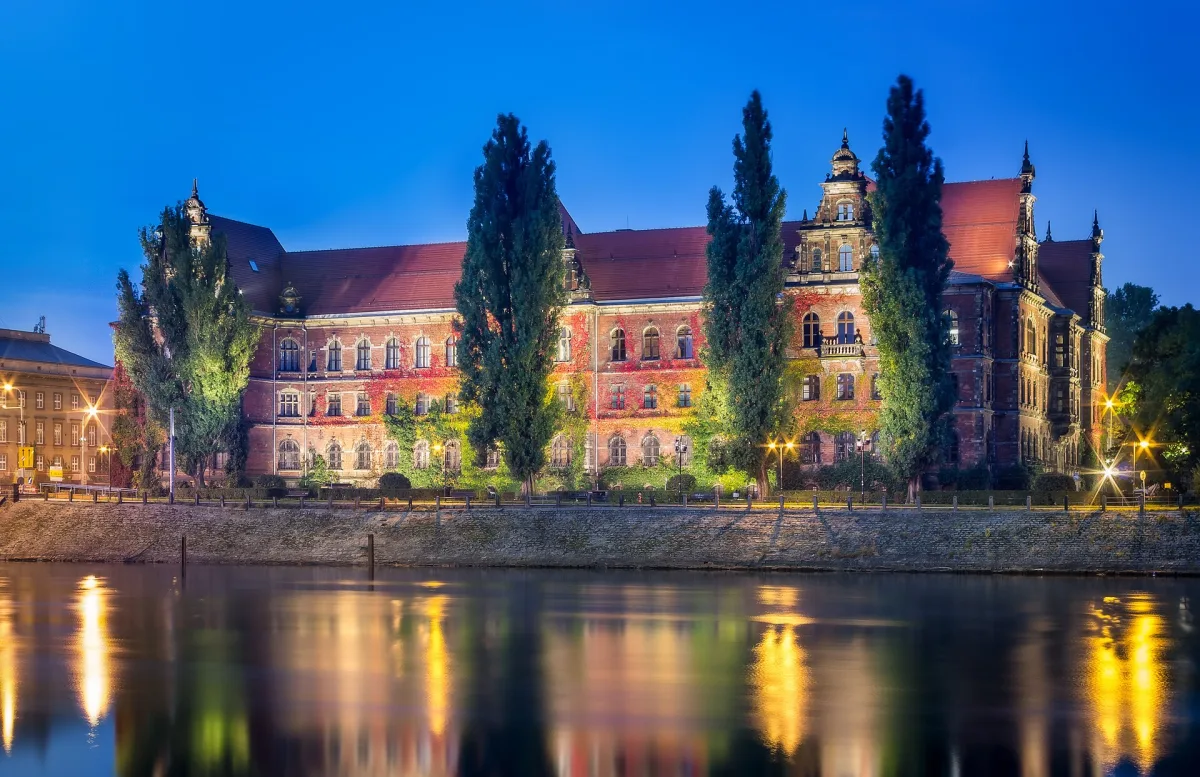
The National Museum in Wrocław is the region's main institution: over 200,000 painting and sculpture objects, with a particular focus on Silesian art, in an imposing building on Powstańców Warszawy Square. It was established in 1947, and its predecessors were three earlier museum institutions of German Breslau.
A completely different model is presented by the Panorama of the Battle of Racławice - a museum built around a single exhibit, a huge cyclorama painting depicting the Battle of Racławice. The painting was created in 1893-1894 by Jan Styka and Wojciech Kossak together with a team of painters, and visitors view it from a viewing platform, surrounded by the canvas on all sides.
The postwar history of the city is told by the Depot History Centre, housed in a historic brick building of a former tram depot from the late 19th century on Grabiszyńska Street. The building survived the siege of Wrocław and after the war served as a bus depot, before becoming a museum space in 2016.
Next to the Centennial Hall stands the Four Domes Pavilion, a reinforced-concrete exhibition building by Hans Poelzig, built in 1912-1913 for the Centennial Exhibition. Today it houses a branch of the National Museum devoted to contemporary art, so it combines a historic structure with current exhibition activity.
A narrow but rarely found specialisation belongs to the Museum of Architecture in Wrocław - the only institution of its kind in Poland, housed in a historic former Bernardine complex on Bernardyńska Street. It gathers over 20,000 exhibits related to architecture as a field of art.
Museums of technology and industry
In Wałbrzych, on the site of the former Julia Hard Coal Mine, the Stara Kopalnia Science and Art Centre operates. The Julia shaft reached 611 metres underground, mining ended in 1996, and the revitalised complex today combines an industrial museum, a ceramics workshop and a contemporary art gallery.
In Jaworzyna Śląska, in a 19-stall roundhouse from 1906-1907, is housed the Museum of Railways in Silesia - a private institution with the largest collection of railway rolling stock in Poland, gathered since 1992 by PKP employees and the Railway Enthusiasts' Club in Wrocław.
Hydropolis occupies a former underground drinking water reservoir of the Wrocław waterworks, known as Filter V and built in 1890-1892 with an area of 4,600 square metres. Today it is a centre for ecological education devoted to the theme of water, the only one of its kind in Poland.
Motoring is represented by the Topacz Motoring Museum in Ślęza, a private collection of around 130 cars and motorcycles in a manor complex. Alongside prewar cars such as the Benz Patent-Motorwagen or the Ford Model T stand vehicles from the Eastern Bloc: the Warszawa, Syrena, Nysa and Fiat 126p.
Regional museums in smaller towns
The Museum of Papermaking in Duszniki-Zdrój is housed in a paper mill from the 16th and 17th centuries on the Bystrzyca Dusznicka river. The first mention of a paper mill here dates from 1562, and the building still operates today as a hand paper mill, where paper is made using the old, hand-made method.
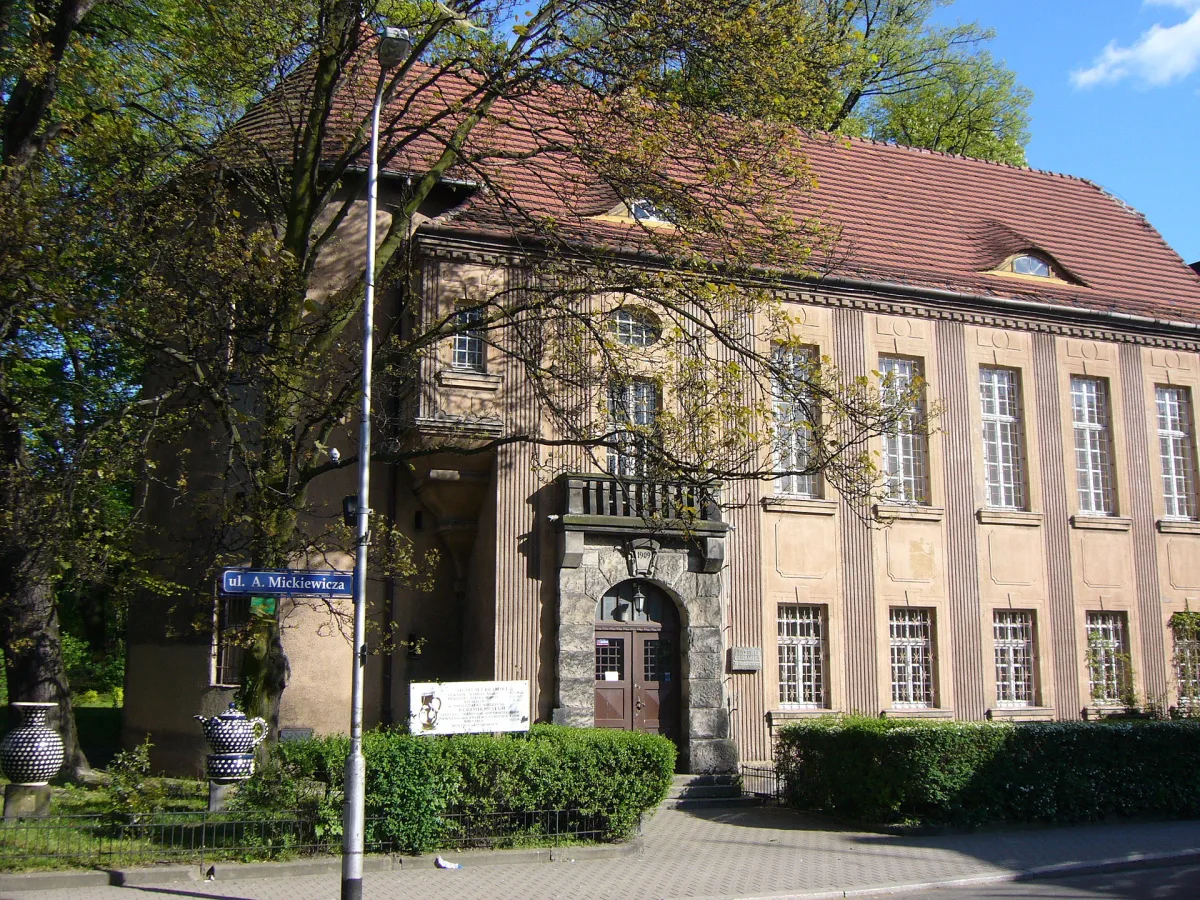
The pottery tradition is described by the Bolesławiec Ceramics Museum, operating in two buildings: the headquarters on Mickiewicza Street houses the Ceramics Department, while the branch on Kutuzowa Street houses the Department of City History. The institution was founded in 1908, and its activity was interrupted by both world wars.
A completely different character belongs to the Gross-Rosen Museum in Rogoźnica, housed on the site of a former German concentration camp established in the summer of 1940. Prisoners worked here from the outset extracting granite in a nearby quarry, and today the site serves as a memorial to the victims.
Curious and private collections
In the building of Świebodzki Railway Station operates the Museum of Games and Computers of a Bygone Era, the first institution in Poland devoted to retro computing. It opened in 2017 on the initiative of a group of retrogaming enthusiasts, and its collection numbers over 200 computers and consoles and around 500 handheld consoles.
In the historic building of a former railway station on Kolejowa Street is housed the Toy Museum in Karpacz. The collection was created in 1995 on the basis of the private collection of Henryk Tomaszewski, a mime artist and founder of the Wrocław Pantomime Theatre, and covers nearly three hundred years of toy history, from eighteenth-century nativity figures to nineteenth-century porcelain dolls.
In an 1885 villa the Sokołowski family runs its own institution - the Mineralogical Museum in Szklarska Poręba, opened in 1993. The exhibition combines dinosaur and trilobite fossils, fragments of the so-called Carboniferous Forest, and a collection of minerals and rocks from the Karkonosze (Giant Mountains), the Izera Mountains and other regions of the world.

Be the first! Add a comment.
You need to log in to add a comment.
Log in