

Why the town was surrounded by walls
Świebodzice began as a stronghold built at the end of the 11th century to defend against raids from the Bohemian side of the mountains - this shows how close to the border with Bohemia this place lay from the very beginning of its existence. The first written mention of the town dates from 1228, when Duke Henry the Bearded granted the local church two free hides of land, and in 1279 Henry Probus granted the town a privilege relating to pastures and beer production.
The town's fortifications appeared even before 1291. At first this was an earth-and-timber rampart, which was gradually replaced by a wall of field and broken stone. The construction of the walls in their present, stone form is dated to the early 14th century - a standard moment in the history of Silesian towns, when local earth-and-timber strongholds were replaced with more durable stone fortifications, capable of withstanding a siege using throwing engines.
The defensive system: gates, towers and a moat
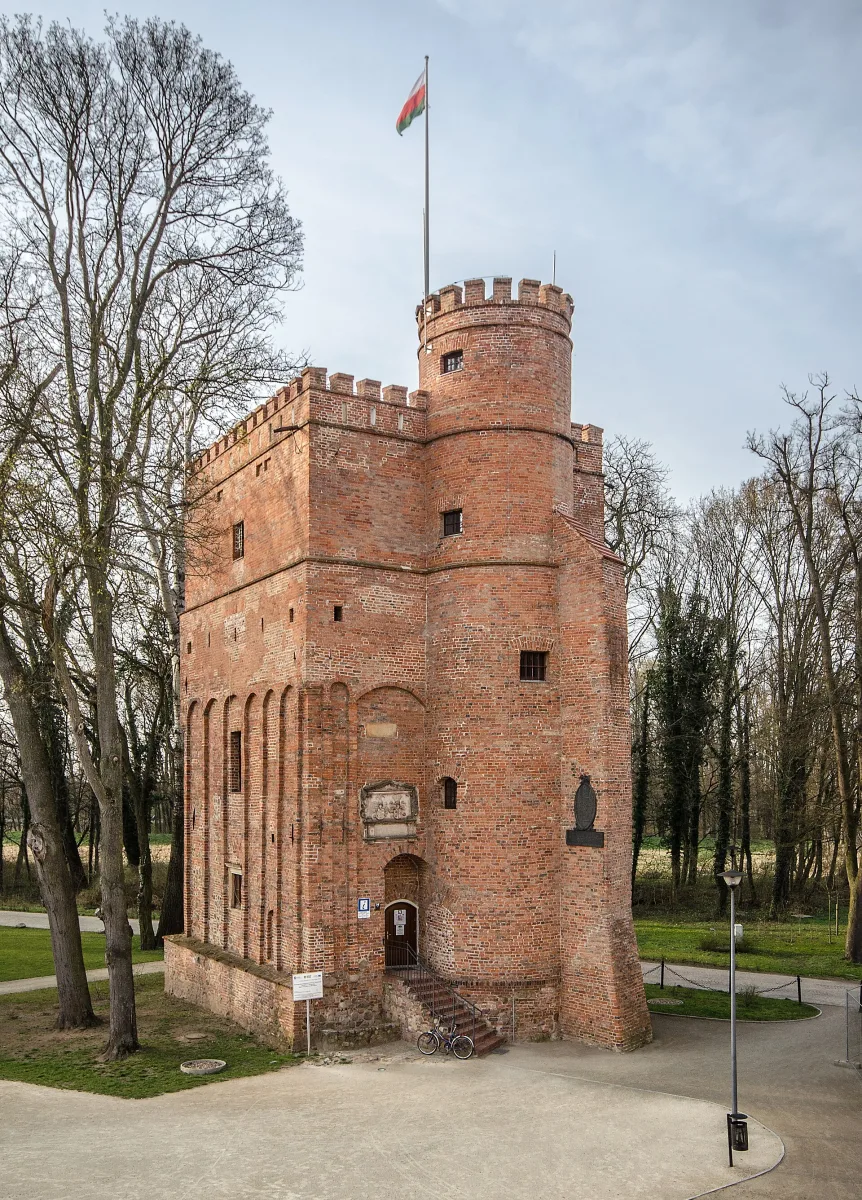
The walls of Świebodzice formed a single ring, without the double circuit known to some larger towns of the region. Three gates led into the town: the Świdnica Gate from the east and the Bolków Gate and the Strzegom Gate from the west - their names directly indicated the direction taken by the roads leading from them. The wall was reinforced with towers, extended in the 15th century, and in the middle of the same century a moat and earth ramparts were added, modernising the whole defensive system in line with the fortification art of the time.
What remains of the walls, and how the claim about their preservation holds up
Local historical materials of the town describe the walls of Świebodzice, originally reaching over 900 metres in length, as one of the better-preserved medieval town fortifications in Poland. This claim is, however, worth setting against what the same history of the town says about the fate of the walls in the following centuries: in 1809, during the French occupation, their systematic demolition began, and the Świdnica Gate, one of the three main gates, was pulled down in 1850. None of the available sources gives an exact percentage of the circuit preserved today, or the number of surviving towers, so it is not possible to say precisely in what category - against the whole of Silesia, or rather among towns of similar size - this claim holds up. What remains beyond dispute, though, is that a good part of the stone ring and towers has survived to this day in the form of visible fragments, unlike towns that lost their walls almost entirely.
Demolished walls as the norm, not the exception
The fact that any fragment of the medieval fortifications survived to our times was by no means the rule in Silesia. In the 18th and 19th centuries town walls massively lost their defensive significance - the development of artillery meant they no longer protected against real threats, while at the same time they hindered cramped towns from expanding beyond their old circuit. A good example of this process is the Gothic Wojanów Gate in Jelenia Góra, part of that town's medieval defensive wall complex, which was demolished in 1755 and replaced with a new, Baroque gate that was no longer defensive in character but served as a customs and toll checkpoint. Against this background, the early, 19th-century demolition of part of the Świebodzice walls was nothing unusual - what is unusual is rather that the rest survived.
What else to see in the town
Świebodzice is also a town of clockmakers - in 1847 Gustav Becker opened a small workshop here, which grew into a factory that, at the peak of its activity, produced clocks sold under numbered series and employed over a thousand workers. Thanks to it, before the war the town was known as the Silesian town of clocks, though after the war the communist authorities switched the plant to producing gas cookers.
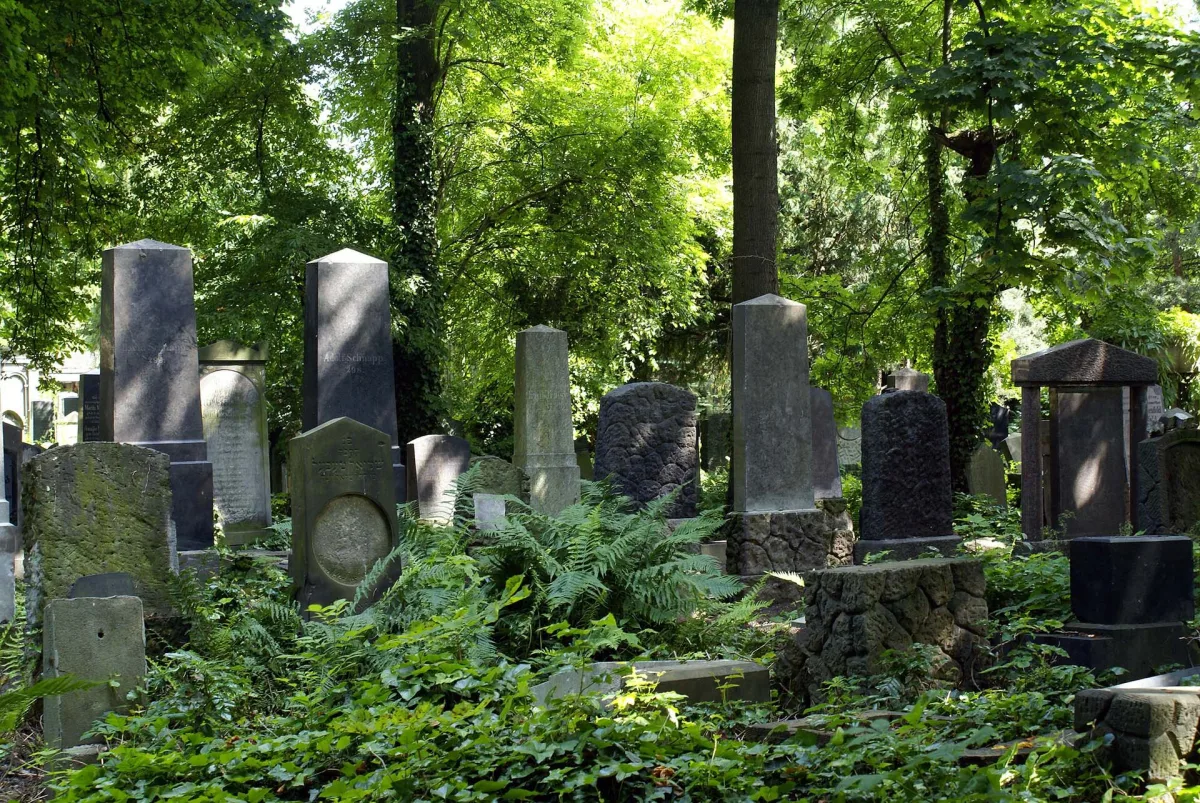
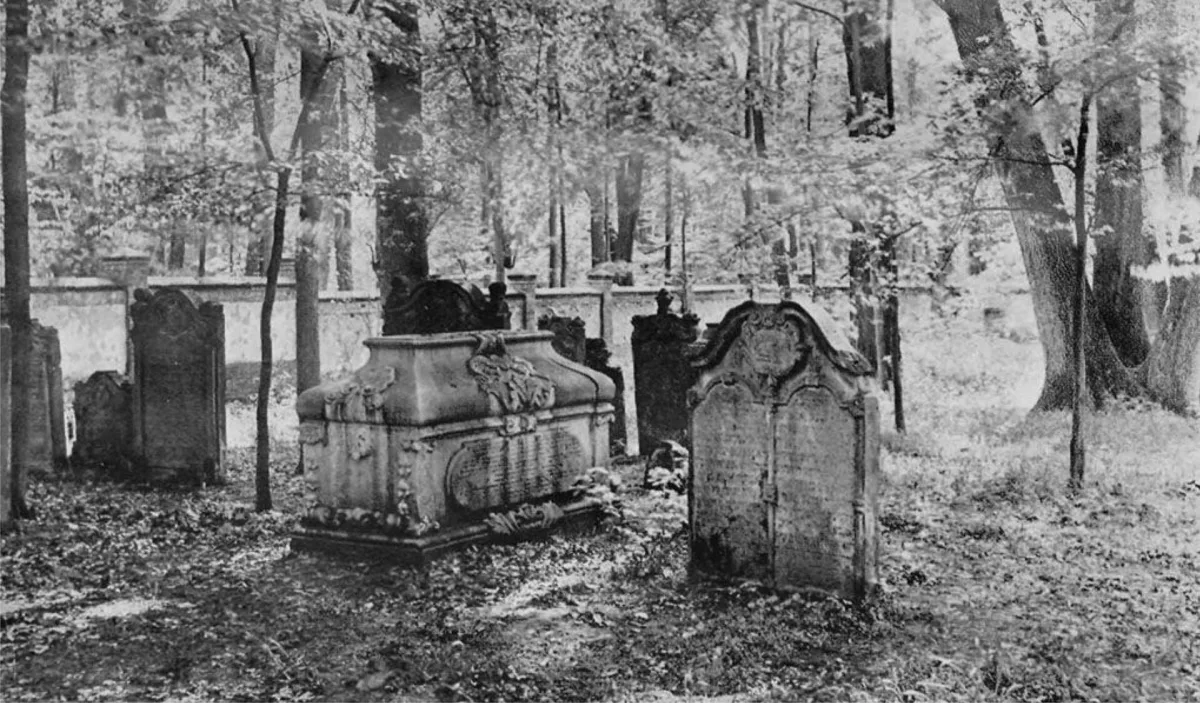
In the district of Pełcznica stands St Anne's Church, a Romanesque ruin regarded as the oldest sacred monument within the town's boundaries, built as a defensive church at the turn of the 12th and 13th centuries. It is also worth visiting the Jewish cemetery, founded in 1849 and today a separate, walled-in part of the municipal cemetery, and the Ciernie Palace, an unfinished 18th-century residence of which mainly the perimeter walls remain - on the other side of the town, an echo of the same material and the same era, only in a completely different role.
Be the first! Add a comment.
You need to log in to add a comment.
Log in