
Kłodzko and the area the portal has already covered
The Kłodzko Valley is one of the most densely covered regions on the portal: separate texts already exist on Kłodzko Fortress with its underground mining tunnels and wartime history, the Marian sanctuaries in Bardo and Wambierzyce, the Chapel of Skulls in Czermna and the Table Mountains with the Błędne Skały (Errant Rocks). Here just one addition to the history of Kłodzko itself: the Gothic bridge over the Młynówka, built in the second half of the 13th century and decorated with six figures of saints, is older than Prague's Charles Bridge. One of the figures, of St Francis Xavier, was funded by the town in 1714 as a votive offering against a plague that, according to tradition, was said to be killing a hundred residents a day.
Four spa towns of the Kłodzko Valley
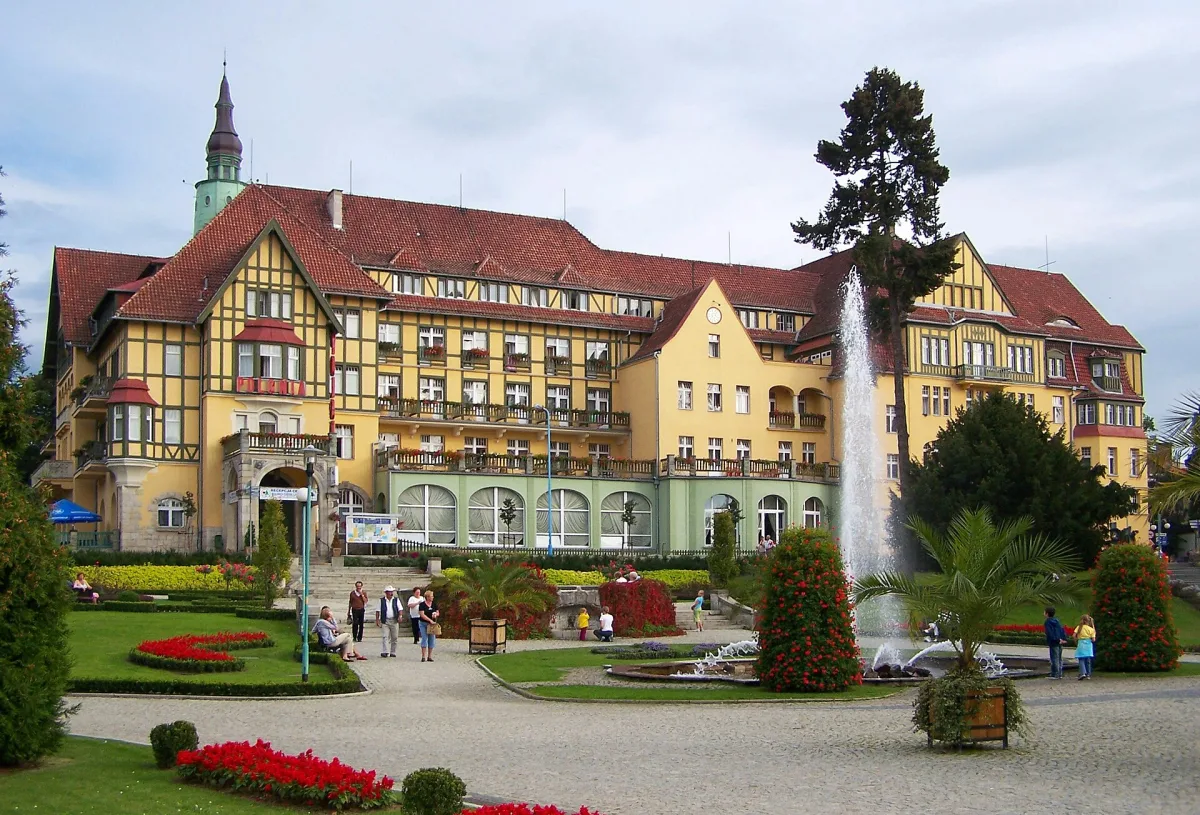
The region has four spa towns, each with a different tradition. The written history of the healing springs of Kudowa-Zdrój goes back to 1580, and the oldest of the springs still in use, known since 1587, still yields about 30 litres of mineral water a minute. The local Śniadecki mineral water, besides iron and boron, also contains arsenic compounds, making it one of the few drinking waters of this type in Poland. Polanica-Zdrój lies in the valley of the Bystrzyca Dusznicka and has its own spa park with a pump room and a graduation tower.
Lądek-Zdrój is considered the oldest spa town in Poland - as early as the 13th century it had bathing facilities, which were destroyed in 1241 by Mongols returning from the Battle of Legnica. More on Duszniki-Zdrój in the next section, because it is here that one of the most interesting monuments of technology in Lower Silesia stands.
Duszniki-Zdrój - the paper mill where Chopin wrote
The building of the Museum of Papermaking in Duszniki-Zdrój is a 17th-century paper mill from 1605, the only monument of technology of this kind in Poland. The ground floor was used for paper production, the upper floor was residential, and the attic was designated for drying sheets. Frédéric Chopin, staying in Duszniki-Zdrój in 1826, wrote letters on paper produced right there at the mill.
Międzygórze and the Wilczka waterfall
Międzygórze lies at the foot of Śnieżnik and is famous for the Wilczka waterfall. Until 1997 it was about 5 metres higher and ranked first among the highest waterfalls in the Sudetes; today, at 22 metres, it is second, after Kamieńczyk. In the village itself it is also worth visiting the Fairy Tale Garden in Międzygórze, where fairy-tale figures are carved using the technique of root sculpture, with the Spirit of the Mountains as the central figure.
Śnieżnik - the roof of the Eastern Sudetes
Śnieżnik is the highest summit of the Eastern Sudetes, and on its top stands the steel-and-glass observation tower built from 100 tonnes of steel. On the opposite slope of the massif, in Kletno, is the Bear Cave, already described on the portal, discovered by chance in 1966 during marble extraction at the local quarry.
Złoty Stok - gold and poison underground
In the golden age of Złoty Stok, in the 16th century, nearly 200 mines and 20 smelters operated in the area, and the region supplied about 8 percent of Europe's gold production at the time. The apothecary Hans Scharffenberg developed here a method of extracting poisonous arsenic from mining spoil heaps, which made the town one of the main centres of production of this poison in Europe. More than 300 kilometres of galleries were dug underground, from which, over the entire period of operation, around 16 tonnes of pure gold and 125,000 tonnes of arsenic were extracted. Today part of the workings can be toured at the Gold Mine in Złoty Stok.
Bystrzyca Kłodzka and mementos of old crafts
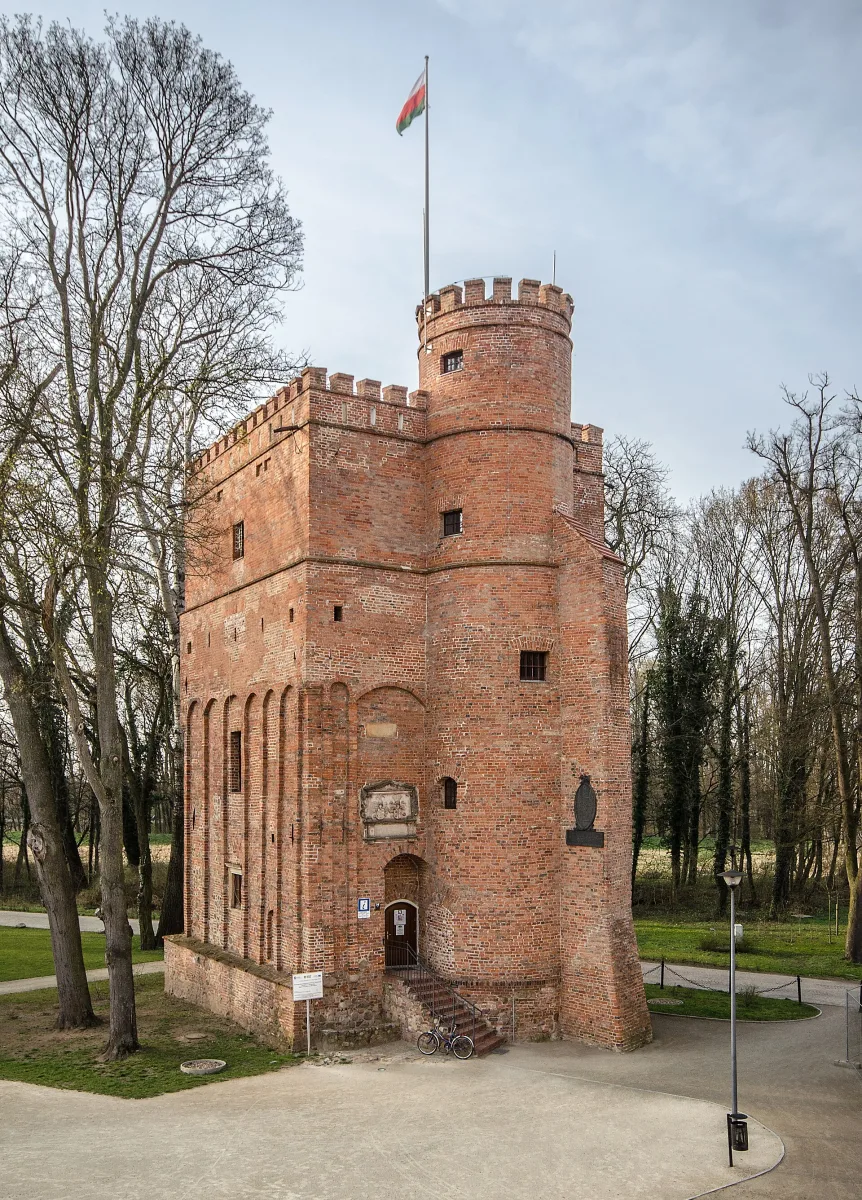
In Bystrzyca Kłodzka stands the Kłodzko Tower, a remnant of a medieval town gate built in 1319, whose viewing terrace is reached by 89 steep steps. The town is also home to the Phillumeny Museum in Bystrzyca Kłodzka, the only institution in Poland devoted to fire, matches and lighters, housed in a former Protestant church. Brewing traditions in the region go back to the Middle Ages - beer was already being brewed in Kłodzko in the early Middle Ages, and its production standards were set at the time by monastery breweries. In Bystrzyca Kłodzka itself, the old craft is now carried on by the Browar Miasta Królewskiego (Royal Town Brewery), which points to a local brewing tradition going back to 1862.
The valley is surrounded by still smaller towns worth a stop along the way: the stone Kłodzko Tower, the Gothic bridge in Kłodzko and the spa parks in Polanica or Kudowa together give a picture of a region where mining, medicine and pilgrimages have crossed paths for centuries. In most other small towns of Lower Silesia the main monument tends to be a castle or a palace - here it is just as often a spring, a mine or a sanctuary.
Be the first! Add a comment.
You need to log in to add a comment.
Log in