Museums in Wrocław and Lower Silesia, from the Racławice Panorama to underground mine routes. See what to pick on a rainy day or with kids.
This list joins large city museums, small institutions in mountain towns and underground routes in former mines. They differ in subject, scale and the time you need, so below we split them by the reason you are going: a rainy day, a trip with children, industrial history or remembrance of the Second World War.
Which museum in Wrocław should you choose first?
Choose the Racławice Panorama if you have an hour or two, the National Museum if you like painting and sculpture, or the Royal Palace if you want to understand the history of the city. The town hall on the Market Square is a good addition, because it sits in the very centre and fits easily into a walk around the Old Town.
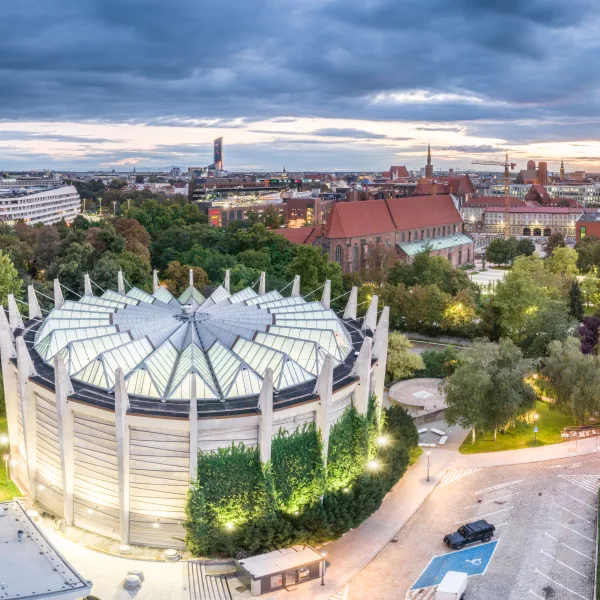
The Racławice Panorama is a museum built around one exhibit: a huge cyclorama painting of the Battle of Racławice, painted under the direction of Jan Styka and Wojciech Kossak. You view it from a central platform, surrounded by the picture on all sides. It is a branch of the National Museum in Wrocław.
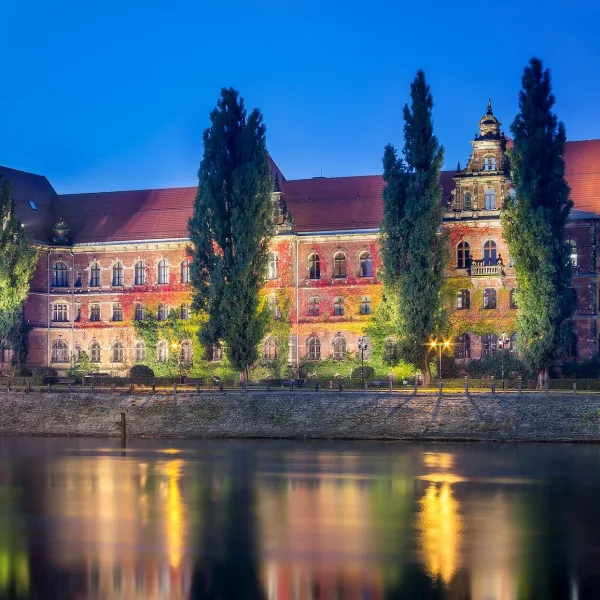
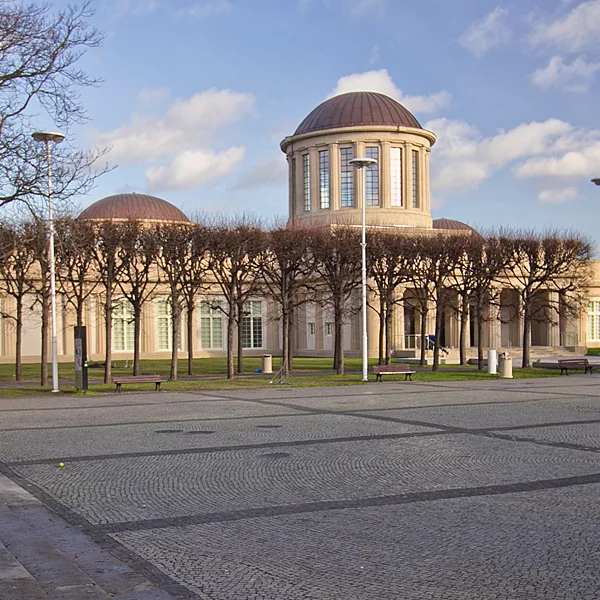
The National Museum on Plac Powstańców Warszawy is one of the main museums of Lower Silesia. Its collection holds over two hundred thousand paintings and sculptures, mostly Silesian art. The museum also runs the Four Domes Pavilion, a historic exhibition building from 1912-1913 next to the Centennial Hall.
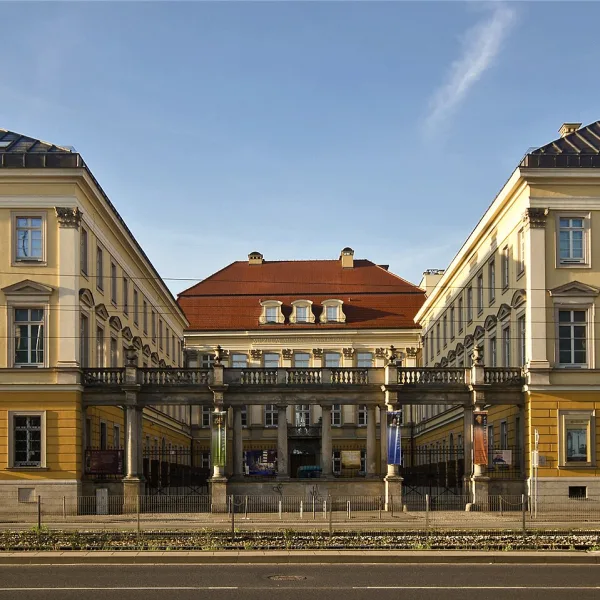
The Royal Palace is a Baroque palace from the early 18th century, once the residence of the Prussian Hohenzollerns and now the City Museum of Wrocław with an exhibition on 1000 years of Wrocław. The late Gothic town hall houses the Museum of Bourgeois Art with a Gallery of Famous Wrocław Citizens.
Which museums are best on a rainy day?
On a rainy day choose museums with large indoor exhibitions and plan two in the same area. In Wrocław that means the Racławice Panorama and the National Museum, the Depot History Centre or the City Arsenal. In the region, the Paper Museum and the Kłodzko Fortress work well, and both give you a good block of dry time.
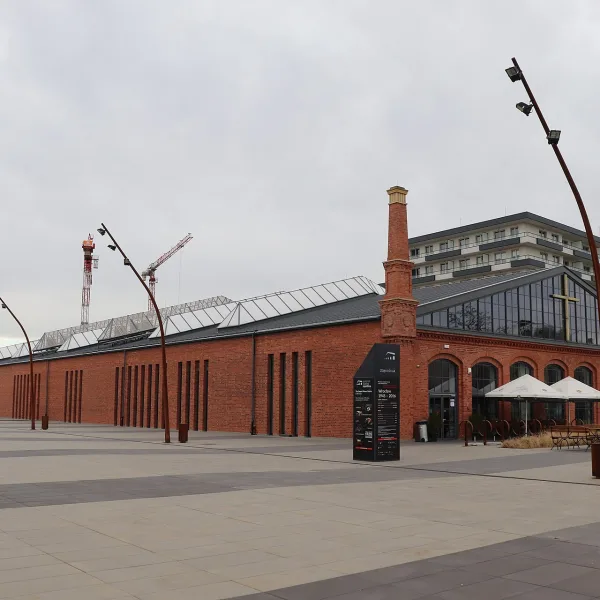
The Depot History Centre on Grabiszyńska Street sits in a former tram depot and presents the exhibition Wrocław 1945-2016. The Museum of Militaria, a branch of the City Museum of Wrocław, occupies the City Arsenal from 1459 on Cieszyńskiego Street and tells the history of weapons.
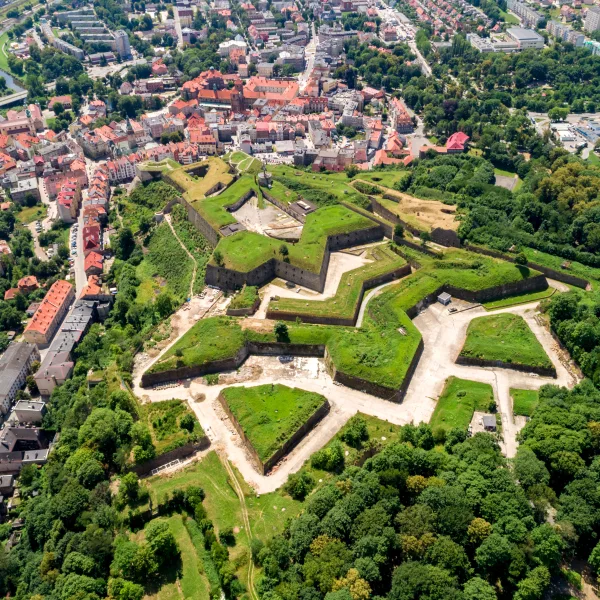
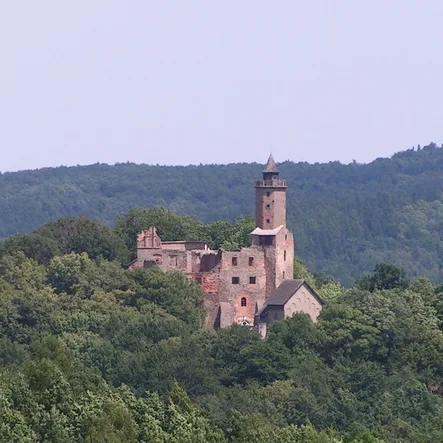
Outside the city, the Paper Museum in Duszniki-Zdrój works well. It sits in a mill from the 16th and 17th century and shows live production of handmade paper. The Kłodzko Fortress is a preserved system of fortifications with surface routes and underground countermine corridors. Grodno Castle in Zagórze Śląskie, a Gothic castle from the 14th century, houses a museum with a visitor route.
Where to go with children: museums where you can touch things?
With children choose interactive museums: Hydropolis about water in Wrocław, the Museum of Games and Computers of a Bygone Era, or the Giant Mountains Mysteries in Karpacz. Younger kids also like the open-air museum in Kudowa-Zdrój and the Earth Museum in Kletno, which has an outdoor Jurassic Park.
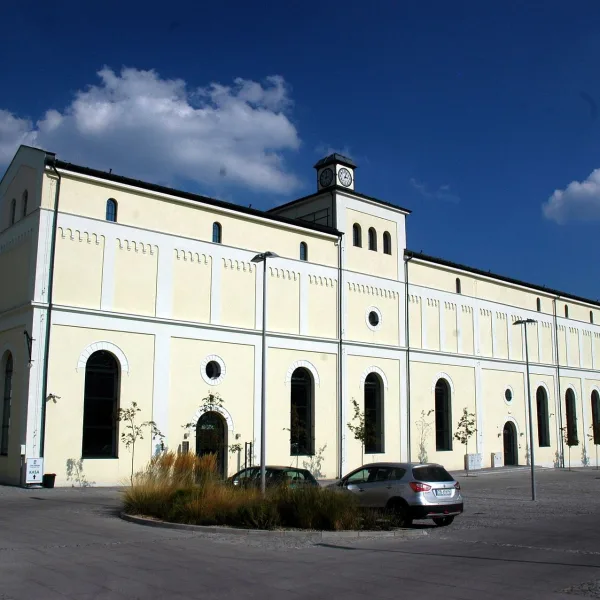
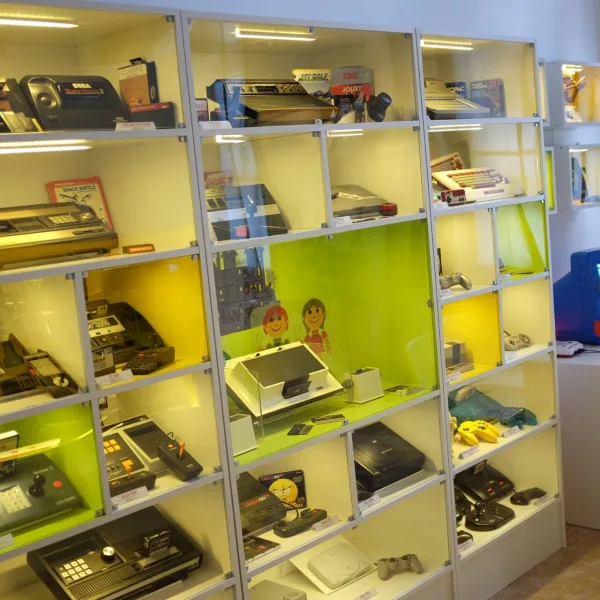
Hydropolis is an ecological education centre about water, set up in a former underground drinking water tank on Na Grobli Street. It is the only centre of its kind in Poland. The Museum of Games and Computers of a Bygone Era is the first retro-computing museum in Poland, housed in the Świebodzki Station building, with over 200 computers and consoles and 500 handheld consoles. Karpacz also has the Video Game Console Museum with over 100 consoles, some of them open for play.
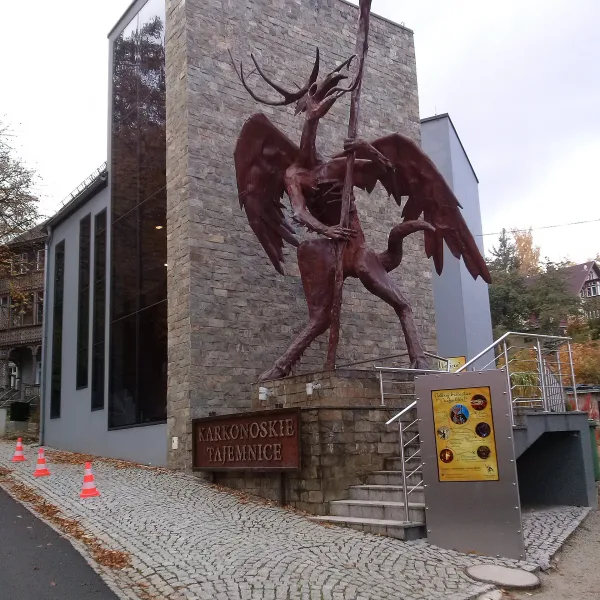
Giant Mountains Mysteries in Karpacz is an interactive underground exhibition about the Spirit of the Mountains and the legends of the Karkonosze. The Earth Museum in Kletno is a private museum of minerals and fossils with a collection of dinosaur egg nests, right by the entrance to the Bear Cave. The "Trail of Vanishing Trades" open-air museum in Kudowa-Zdrój has a historic windmill from 1902, pottery shows, a forge, a bread house and a small zoo. More ideas for families are in the category of attractions for children.
Which underground routes and technical museums are there in Lower Silesia?
Most underground routes lie in the Sudetes: in Złoty Stok, Kowary, Głuszyca and Kamienna Góra. Each has a different theme, from gold and arsenic through uranium to German projects of the Second World War. Take a warm layer, because it is cooler underground than on the surface.
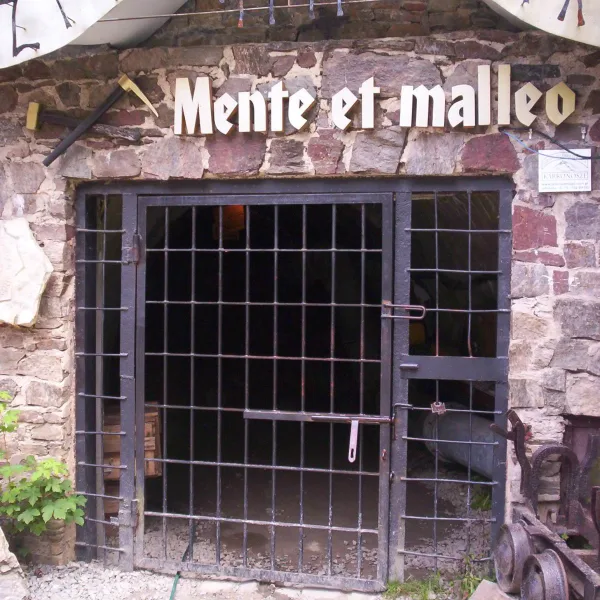
In Złoty Stok the Gold Mine offers routes through a former gold and arsenic mine, and the Ochre Adit is known for the unusual colours of its rock. The Aurelia Gold Mine in Złotoryja is a closed mine open to tourists since 1973. In Kowary, the Kowary Adits lead through the former Liczyrzepa uranium mine, open to visitors since 2000, with radiation monitoring along the whole route.
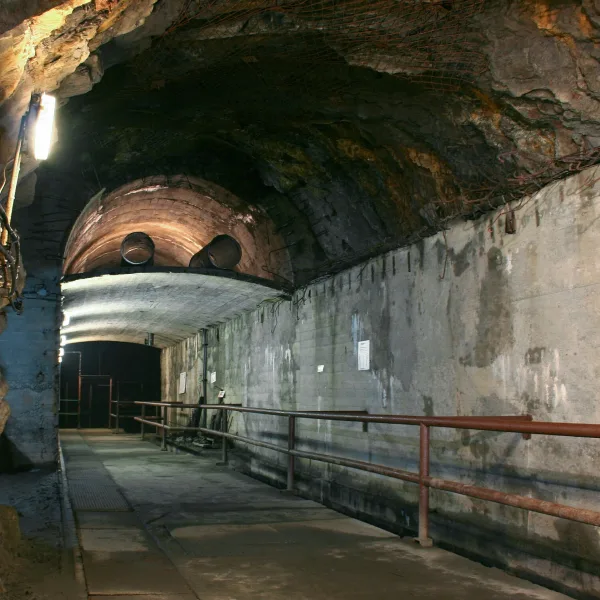
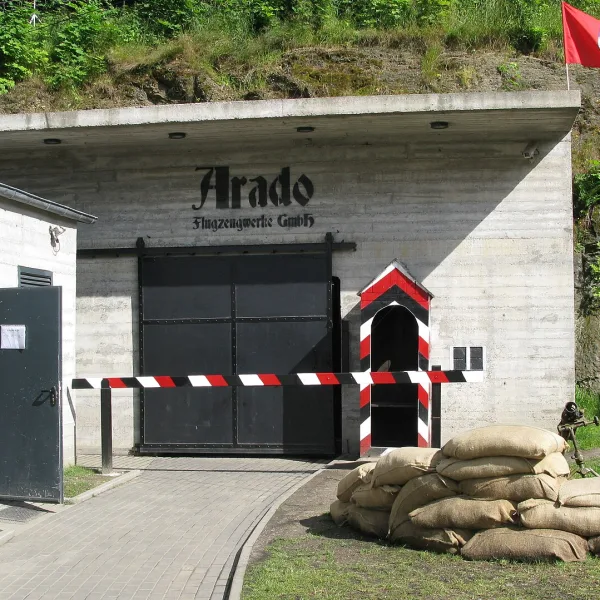
The Riese Włodarz underground complex in the Owl Mountains is the largest part of the German Riese project open to tourists, with about 3200 metres of corridors, an underground cinema and a boat crossing. In Kamienna Góra, Project Arado is a route in the form of a story-driven game. In Wałbrzych the Old Mine Science and Art Centre occupies the former Julia mine and combines an industry museum, a ceramics studio and a gallery of contemporary art.
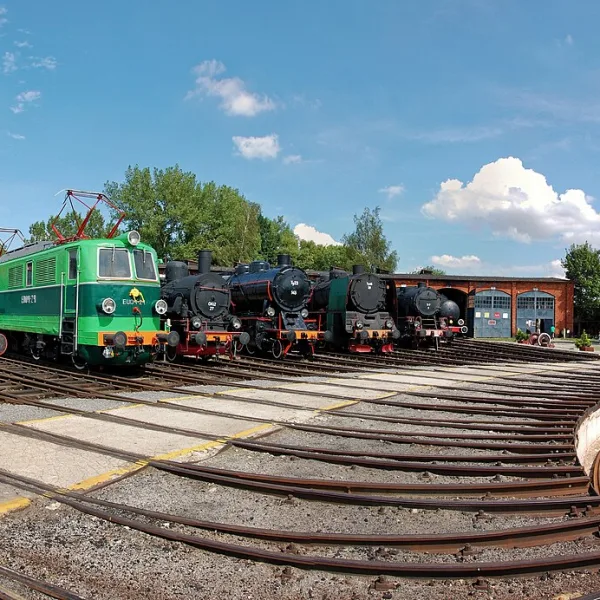
Technology fans will also find the Railway Museum in Silesia in Jaworzyna Śląska, in a former roundhouse, with the largest collection of rolling stock in Poland, and two motoring museums: Topacz in Ślęza and WENA in Oława.
Which castles, abbeys and palaces work as museums?
Castles and abbeys that work as museums are a good choice when you want to combine a building with an exhibition. Choose Lubiąż, Bolków or Głogów. Besides the collections you see the architecture and the history of the place, and in the category of historic sites you will find the rest of the castles and palaces in the region.
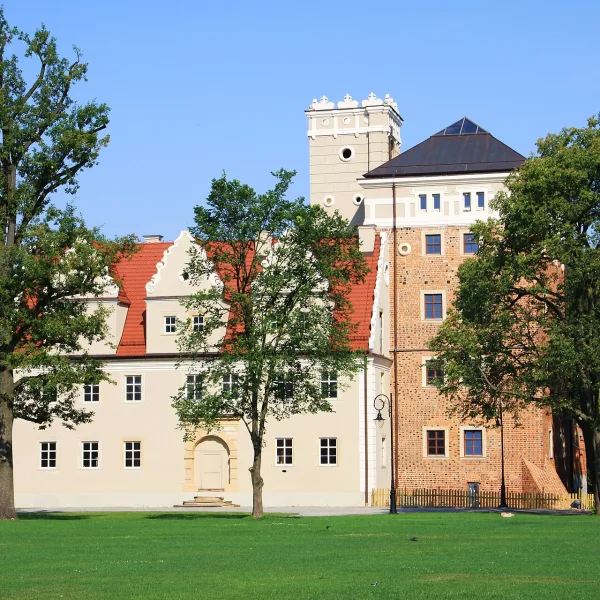
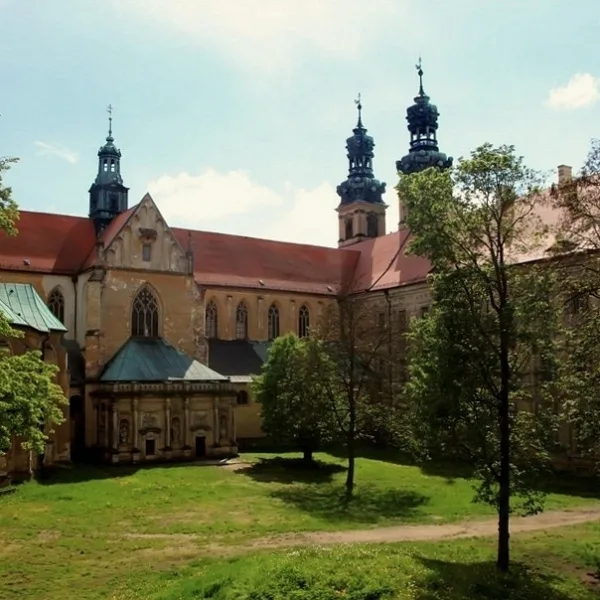
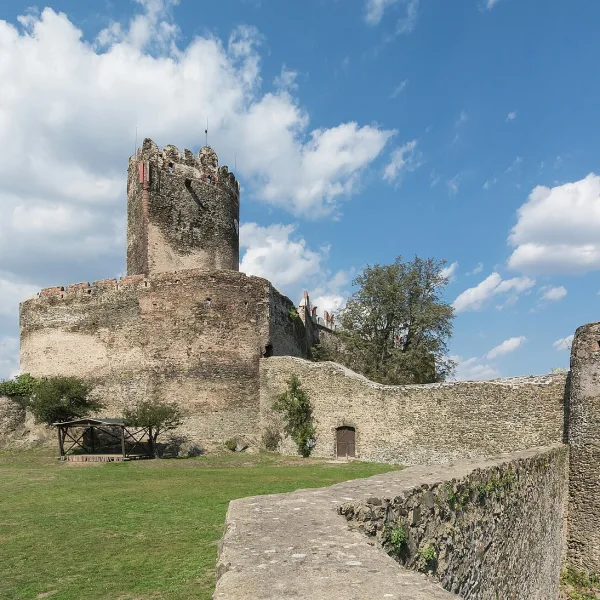
The Cistercian Abbey in Lubiąż is the largest Cistercian abbey in the world, called a masterpiece of Silesian Baroque, with a crypt of the Silesian Piasts. The castle in Bolków is the ruin of a medieval castle with the oldest surviving window in Poland and a round Prow Tower. The Castle of the Dukes of Głogów, from the 13th century, houses the Archaeological and Historical Museum.
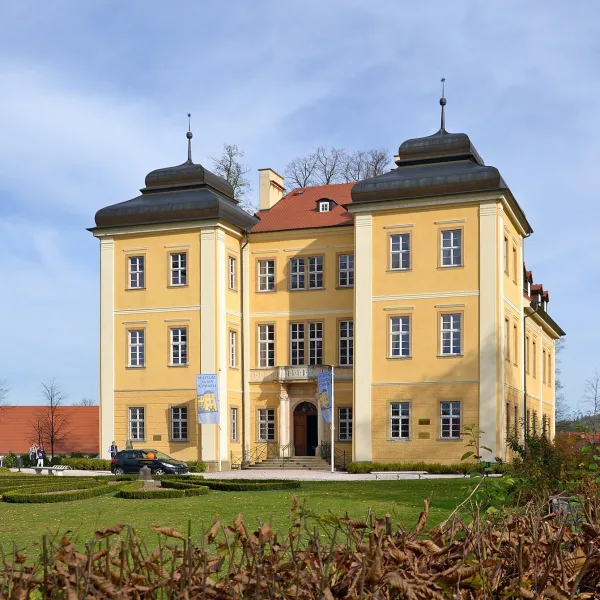
Among palaces, the 17th-century Łomnica Palace, rebuilt after devastation, works as a museum of interiors and a hotel, and the Sobieszów Palace in Jelenia Góra is the education centre of the Karkonosze National Park. The Regional Museum in Jawor sits in a former Bernardine monastery complex from the 15th century, and the visit includes the castle tower.
Which smaller museums outside Wrocław are worth knowing?
Outside Wrocław, look for museums in smaller towns with one clear theme: ceramics in Bolesławiec, Ślęża in Sobótka, nature in Kudowa-Zdrój or history in Lubin. They usually take little time and fill a gap between trails or a day with poor weather.
The Ceramics Museum in Bolesławiec on Zgorzelecka Street shows Bolesławiec pottery from before and after 1945 and a workshop of traditional potting. The Ślęża Museum in Sobótka sits in the Renaissance Abbot's House from 1568 and tells the history and nature of Ślęża. The Eco-Centre of the Table Mountains National Park in Kudowa-Zdrój presents the nature of the range and the former exhibition of the Frog Museum.
The Historical Museum in Lubin has four locations: the Town Hall, the Forest Park, a site by the railway station and the Pałacyk Gallery. In Wrocław, look at the smaller institutions too: the Herbarium-Natural History Museum on Plac Bema keeps the oldest herbarium in Poland, and the Museum of Pharmacy occupies the Silesian Pharmacist's House on Kurzy Targ. The Museum of Man on Kuźnicza Street has been closed since 2020, with no date given for reopening.
Where to find memorial sites and museums about the Second World War?
Memorial sites and war museums include the Gross-Rosen Museum in Rogoźnica, the Riese Włodarz underground complex in Głuszyca and the Old Jewish Cemetery in Wrocław on Ślężna Street. They call for a calmer pace than an ordinary museum, quiet, and more time for the journey, because some lie away from the main tourist routes.
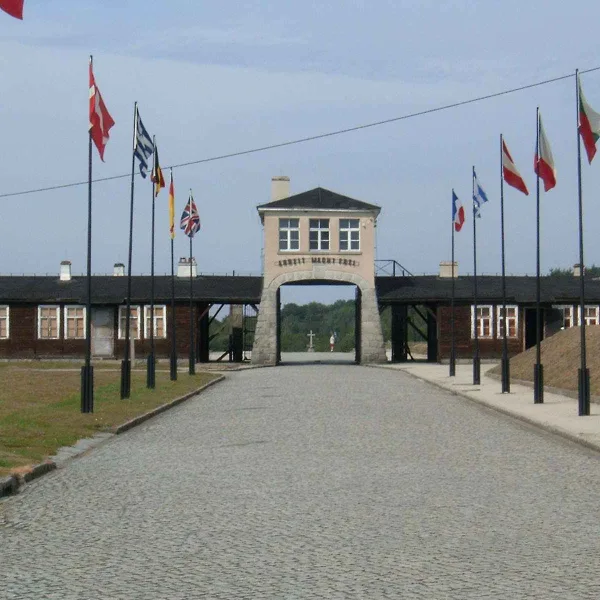
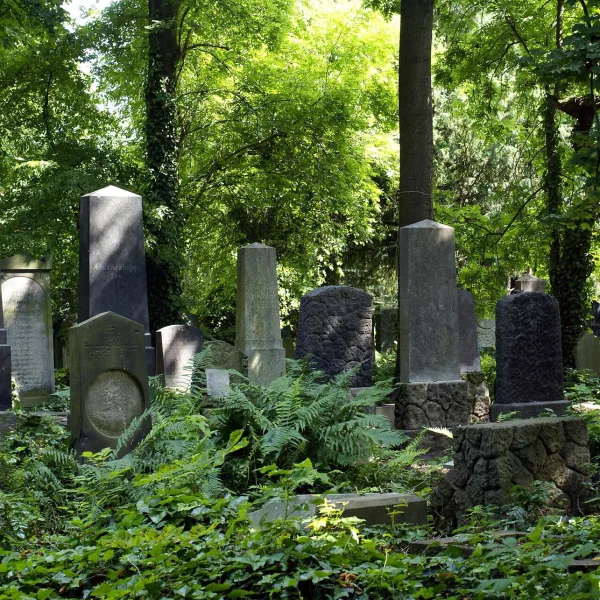
The Gross-Rosen Museum in Rogoźnica stands on the site of the former German Nazi concentration camp of 1940-1945 and is a place of remembrance for its victims. The Old Jewish Cemetery on Ślężna Street, founded in 1856, has about 12 thousand gravestones and works as the Museum of Cemetery Art.
Frequently asked questions
Which museum in Wrocław should I choose with children?
Go for Hydropolis, the Museum of Games and Computers of a Bygone Era, or the Racławice Panorama if your kids can look at one big painting for a while. Check the exhibitions in the town hall and in the Depot History Centre too.
What can I do in Karpacz when it rains?
Karpacz has the Giant Mountains Mysteries, an interactive exhibition on the legends of the Karkonosze, and the Video Game Console Museum. Both are indoors. Nearby in Kowary there is an underground route in a former uranium mine.
Do museums in Lower Silesia have underground routes?
Yes. Złoty Stok, Kowary, Głuszyca and Kamienna Góra have underground routes in former mines or shelters. It is cool below ground, so bring warmer clothes.
Which museums are private?
The motoring museums Topacz in Ślęza and WENA in Oława, the Railway Museum in Silesia, the Earth Museum in Kletno and the Video Game Console Museum in Karpacz are private institutions. Their owners set the visiting rules.
How can I combine two museums in one day?
In Wrocław pair the Racławice Panorama with the National Museum, then walk to the town hall on the Market Square in the afternoon. All the sights of the city are on the page of attractions in Wrocław.

 Museums