Historic sites in Lower Silesia and Wrocław: castles, palaces, bridges and halls, with tips for planning a one-day route.
This page collects historic buildings you can visit, view from outside or work into a day trip: from the Centennial Hall and the bridges over the Oder in Wrocław, through border castles, to the palaces of the Karkonosze and the foothills. What sets it apart from the churches and museums categories is the focus on the building itself, its architecture and its history, rather than on interiors or collections.
Which historic site in Lower Silesia should you pick first?
Pick one of three directions: castles and ruins in the hills, palaces in the valleys, or the architecture of Wrocław. Each needs a different plan and different shoes. Castles usually mean a climb, palaces often mean a walk through a park, and in Wrocław you will see most sites on foot.
Pay attention to how a site works today. Some castles and palaces are hotels and conference centres, some are private residences whose interiors you cannot see, and some are ruins open without a ticket. The cards in this category say so plainly, so check whether you will see a building from the inside or only from the outside before you set off.
If you are looking for places of worship, see the separate category of churches and monasteries. Historic burial grounds and memorials are listed under cemeteries and monuments.
Where should you start exploring the castles of Lower Silesia?
Start with Książ in Wałbrzych, the third largest castle in Poland, and then choose another one by mood: a ruin on a summit, a stronghold by the water, or a castle on the Piast Castles Trail. These three types cover nearly everything the region has to offer.
Książ stands above the Pełcznica ravine, forms part of the Książ Landscape Park and has tunnels from the Second World War. Czocha Castle in Sucha is a defensive border castle above Lake Leśniańskie, built of stone on gneiss rock, with a medieval keep and a long list of owners. Today it works as a hotel and conference centre.
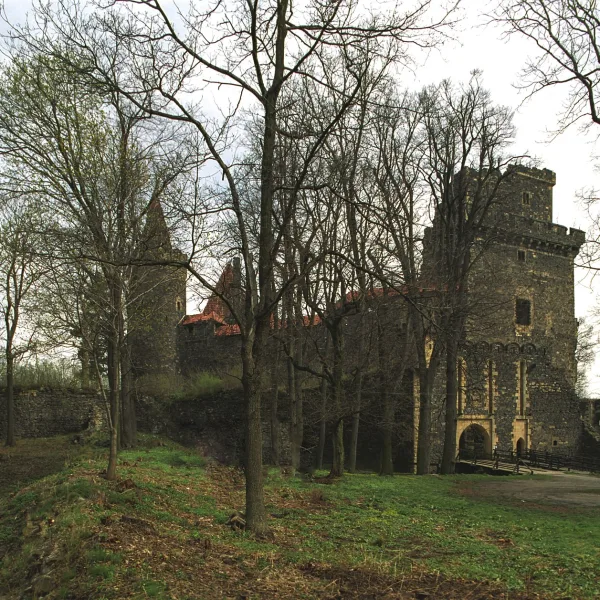
If you like a view from above, go up to Chojnik, a Gothic ruin of the Schaffgotsch family castle on a summit in the Karkonosze National Park. The stronghold burned after a lightning strike in 1675 and has stood as a ruin since. In the north of the region lies Grodziec Castle on a basalt hill, rebuilt from the 12th to the 20th century and located on the Piast Castles Trail. In Legnica stands the Piast Castle, one of the oldest castles in Poland, with relics of a Romanesque chapel and two medieval towers.
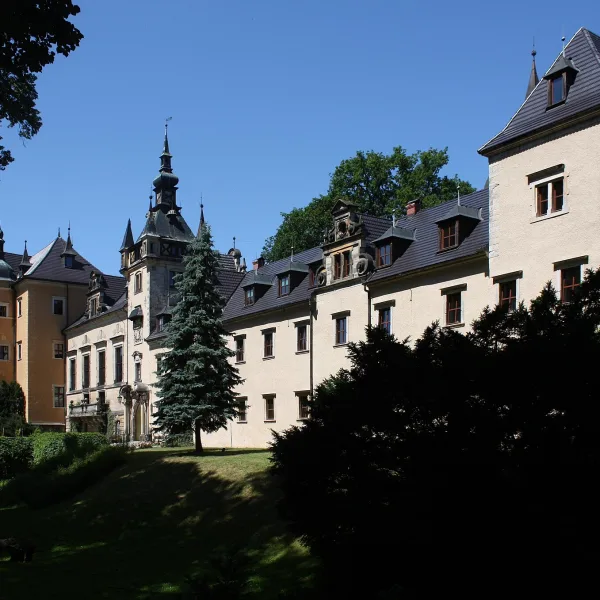
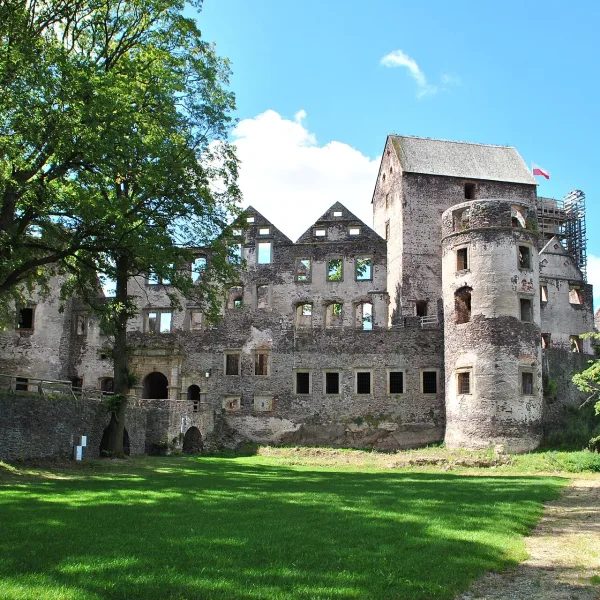
The Kliczków castle above the Kwisa river is a Gothic building from the turn of the 13th and 14th century, rebuilt many times and now a hotel. Wleń Castle is considered the oldest masonry castle in Poland and one of the few built in the Romanesque style. After securing works, the ruins are open to visitors.
Which palaces and residences should you see in Lower Silesia?
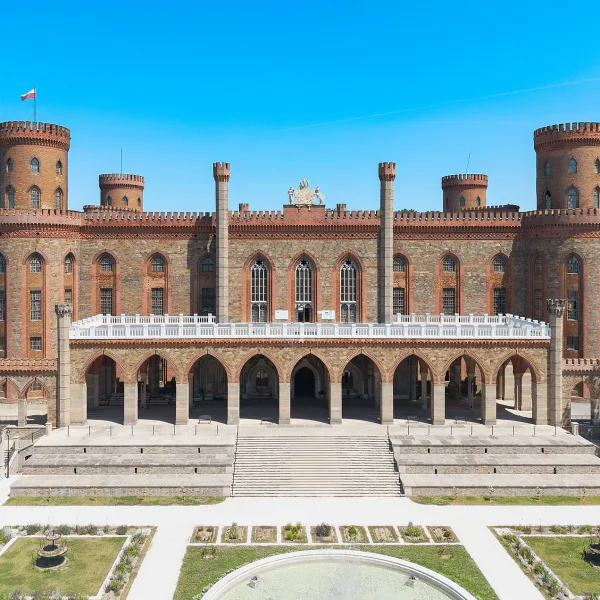
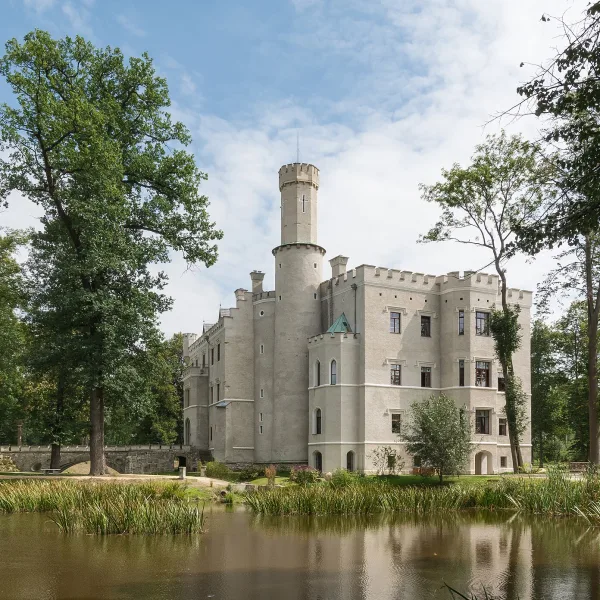
For palaces, choose Kamieniec Ząbkowicki, Karpniki and the area around Jelenia Góra. The first is the monumental neo-Gothic residence of Princess Marianne of Orange in a park, the second a castle rebuilt in neo-Gothic style by Friedrich August Stüler, and Jelenia Góra still has the Baroque residences of the Schaffgotsch family.
The palace in Kamieniec Ząbkowicki stands on Grodowe Hill. Together with its park it forms an architectural and landscape complex that was named a Monument of History in 2024. Karpniki Castle has roots in the 14th century, lies at the foot of Krzyżna Góra and is now a historic hotel.
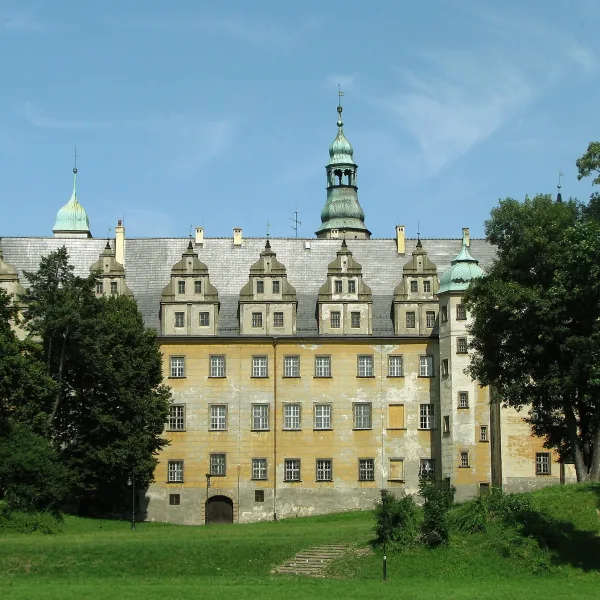
In Cieplice stands the Baroque-Classicist palace of the Schaffgotsch family, now an educational centre of the Wrocław University of Science and Technology, not open for regular visits. In Warmątowice Sienkiewiczowskie near Legnica you will find a Baroque palace linked to a will in favour of Henryk Sienkiewicz, now a hotel. In Dalków stands a Baroque-Renaissance palace, privately owned and under repair after damage from the state farm era, with interiors available only with the owner.
The two palaces in Borek Strzeliński, from 1790 and from 1840, are separate monuments entered in the register. The younger one, from 1840, is privately owned.
Which historic sites should you see in Wrocław?
In Wrocław start with the Centennial Hall and the bridges, then move on to the market hall and the railway station. These are sites from the turn of the 19th and 20th century that shape the character of the city. Most lie close together and fill one day on foot.
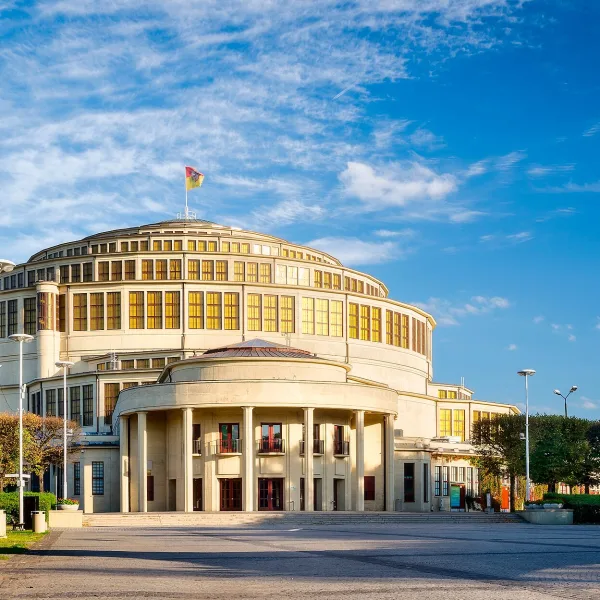
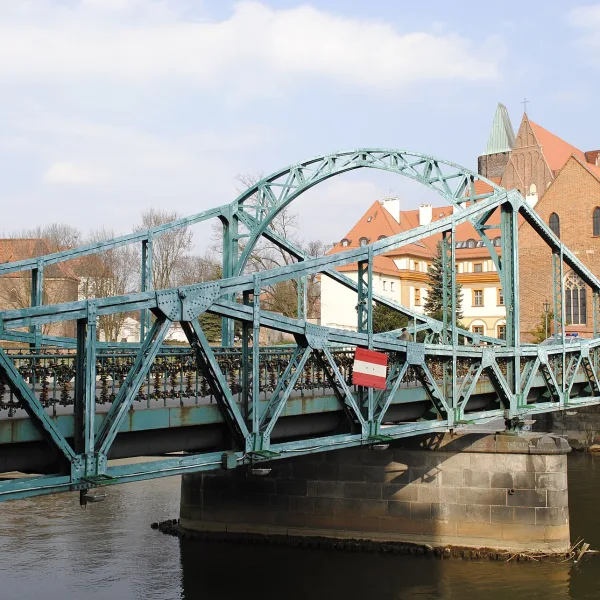
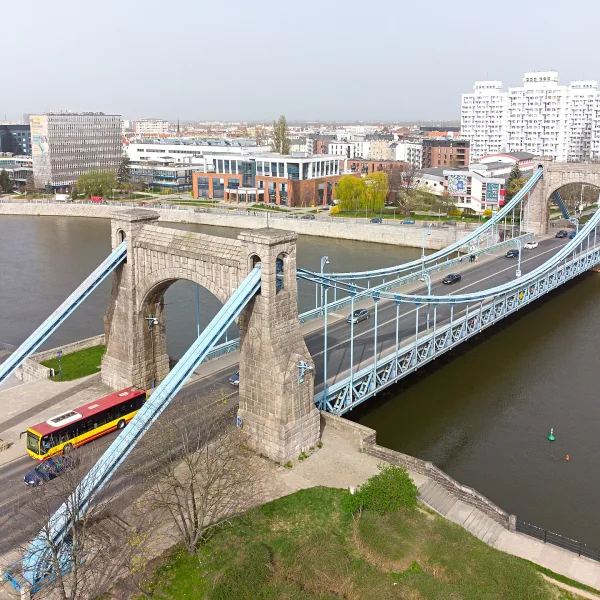
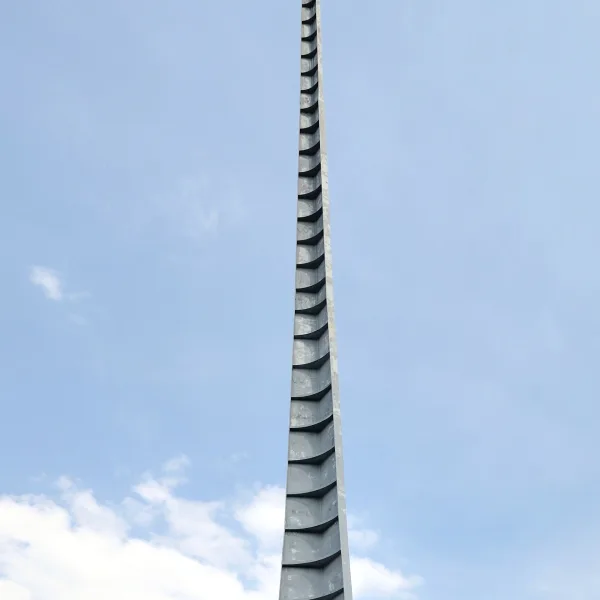
The Centennial Hall is an expressionist hall for shows and sports from 1913, designed by Max Berg, a Monument of History and a UNESCO site in Biskupin. Right beside it stands the steel Iglica spire, 90 metres tall, built in 1948 for the Exhibition of the Recovered Territories. In the centre you will see two bridges: the steel, pedestrian-only Tumski Bridge from 1889, which leads to Ostrów Tumski, and the suspension Grunwaldzki Bridge from 1910, linking the centre with Plac Grunwaldzki.
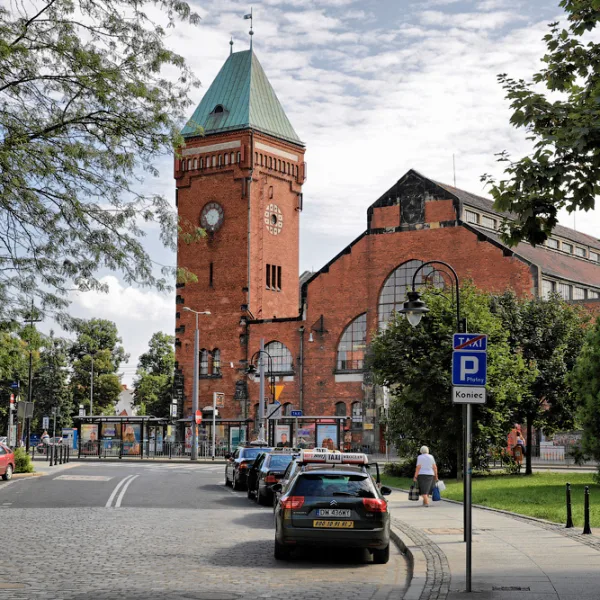
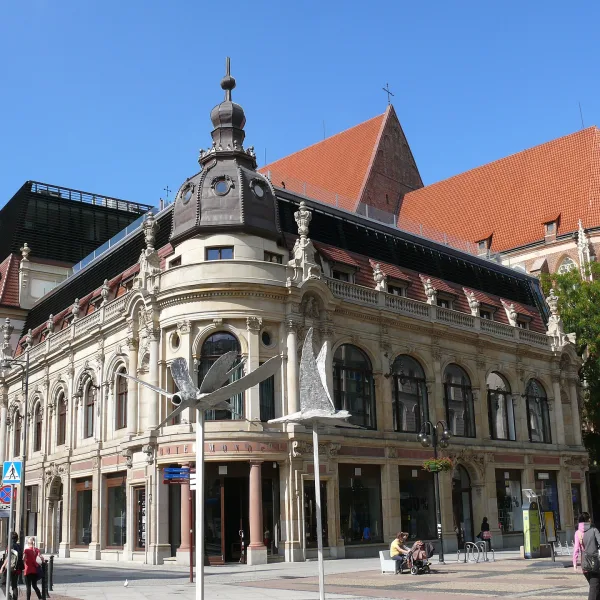
The Market Hall on Piaskowa Street dates from 1908, still serves as a daily market and is known for its parabolic reinforced concrete arches. The Art Nouveau Monopol hotel on Świdnicka Street, from 1892, was a film set for Andrzej Wajda's "Ashes and Diamonds". The Wrocław Główny station is a neo-Gothic building with a platform hall from 1857. The WUWA estate from 1929 in the Dąbie district is what remains of the Werkbund architecture exhibition.
The full set of sights in the city is on the page of attractions in Wrocław.
Where to look for technical heritage and fortifications?
Technical monuments and fortifications are found mostly in the Sudetes: the Srebrna Góra Fortress on its pass and the uranium mine in Kowary. In Wrocław they are the halls and bridges from the turn of the 19th and 20th century. These are places for people who prefer structure and industrial history to palace interiors.
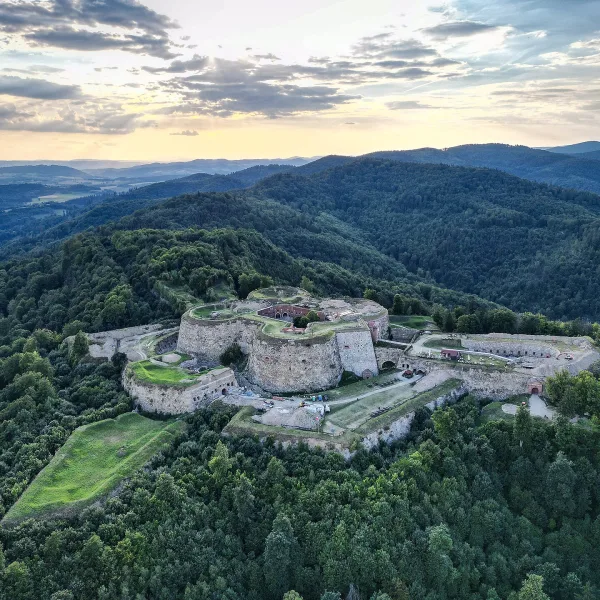
The Srebrna Góra Fortress is a Prussian complex of six forts from the 18th century, built in 1765-1777 on a pass leading from the Czech side of the Sudetes to Lower Silesia. During the Second World War it held a prisoner of war camp for Polish officers.
The Podgórze Mine in Kowary is a former uranium ore mine from 1950-1958, now an underground tourist route with an exhibition of glowing uranium glass. It was the only mine in Kowary built entirely after the Second World War. Treat the Turów lignite mine in the Zgorzelec county as a curiosity on the map: it is an active industrial plant and is not open to visitors.
Which historic sites in Lower Silesia are less known?
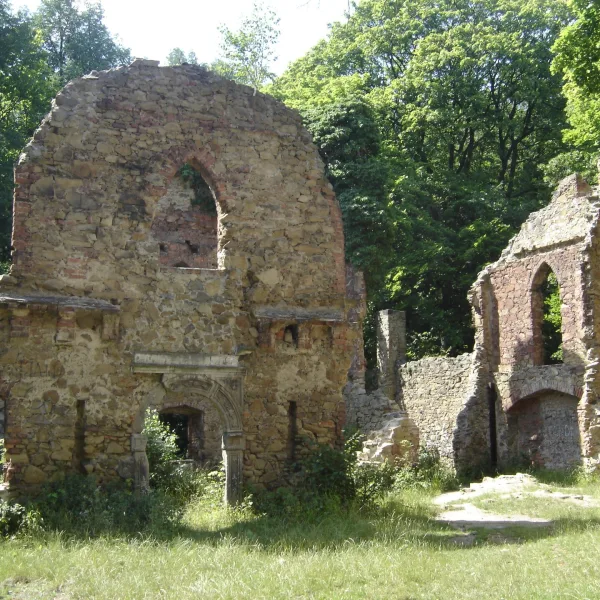
Less known sites are mostly ruins: Rogowiec in the Suche Mountains, Niesytno in the Kaczawskie Mountains, Homole near Lewin Kłodzki, Gryf near Mirsk and Bolczów in the Rudawy Janowickie. You usually need a short walk to reach them, so combine them with a bigger goal nearby, such as a mountain trail.
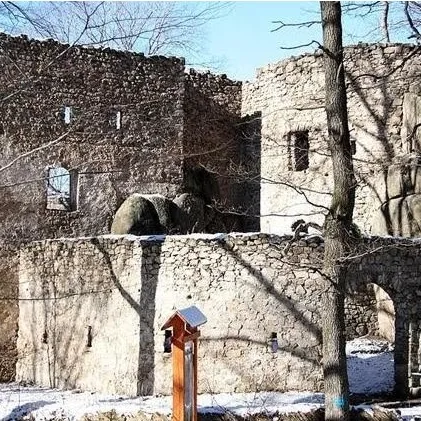
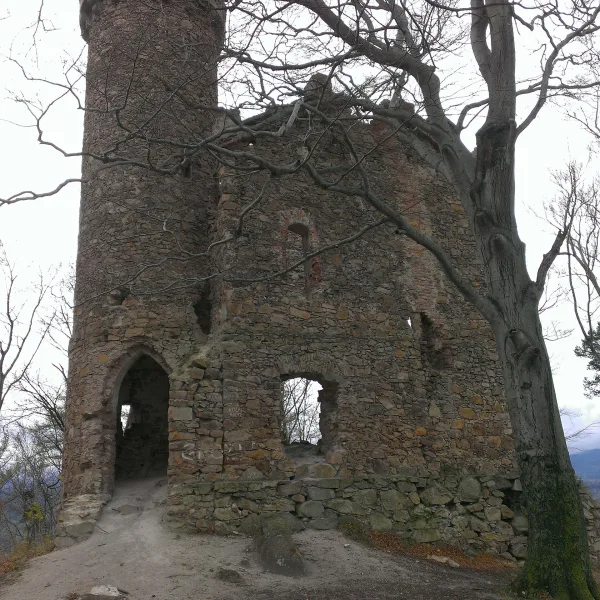
Rogowiec Castle is a ruin from the end of the 13th century on a hill in the Suche Mountains, a former border fortress destroyed in 1482. Niesytno Castle in Płonina is a ruin from the 14th and 15th century on a rocky spur, on the Piast Castles Trail. Gryf Castle in Proszówka is what remains of a Schaffgotsch castle between Gryfów Śląski and Mirsk. Homole Castle is a ruin from the 13th century on the Gomoła hill, entered in the register of monuments.
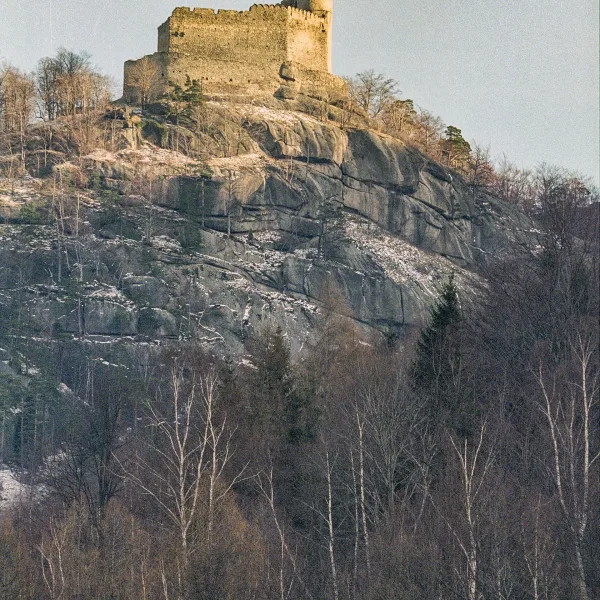
Bolczów Castle stands on a granite outcrop about 15 kilometres from Jelenia Góra, and its history includes destruction by the Hussites and a 19th-century attempt to rebuild it as an inn. Check the access rules on the site card before you set off.
How to plan a one-day route past castles and palaces?
Link two or three sites from one area and add one viewpoint or a town for lunch. At castles the approach and the climb matter, so leave a margin for the road. Here are four proposals built from places that lie close to each other.
- Around Jelenia Góra: Chojnik in the morning, then Karpniki Castle and Bolczów Castle in the Rudawy Janowickie.
- Wałbrzych and the foothills: Książ, then ruins on the rocks, for example Rogowiec in the Suche Mountains.
- West of the region: Czocha Castle above Lake Leśniańskie and the castle in Kliczków above the Kwisa.
- Wrocław: the Centennial Hall with the Iglica, then the Tumski Bridge, the Market Hall and the Monopol hotel.
Remember that hotels and private residences often do not let visitors inside. If you want to see interiors, choose sites with museum status and read the rules on their pages. Exhibitions in historic buildings are collected in the museums category.
Frequently asked questions
Which castle in Lower Silesia is the biggest?
The biggest castle in the region is Książ in Wałbrzych. It is the third largest castle in Poland after Malbork and Wawel, and it lies on the Piast Castles Trail.
Which castle is the oldest?
Wleń Castle is considered the oldest masonry castle in Poland and one of the few built in the Romanesque style. The Piast Castle in Legnica is another of the oldest castles in the country, with relics of a Romanesque chapel.
Which Wrocław monuments can you see in one day?
Take the Centennial Hall, the Iglica, the Tumski Bridge, the Grunwaldzki Bridge and the Market Hall. If time remains, add the Monopol hotel and the Wrocław Główny station. Everything is reachable on foot and by city transport.
Can you go inside the castles and palaces?
It depends on the site. Grodno Castle and the Kłodzko Fortress have visitor routes, some castles and palaces are hotels or private residences, and at ruins you usually see the walls from outside. The rules are always on the site card.
Are there historic sites you can see for free?
Prices and entry rules change, so we do not give them in descriptions. Bridges, halls and fountains in Wrocław can be viewed from outside without going in, while entry to interiors and visitor routes is set by the site manager.

 Historic sites