
Eight hundred years of pond farming
The Barycz Valley in the north of Lower Silesia is a flat, marshy area where ponds were dug instead of fields from the Middle Ages onwards. Pond farming was already developing here in the early 11th century, and the decisive impulse came from Cistercian colonisation: monks settled in the region in 1136 and established a network of carp ponds covering more than 2,350 hectares. In the following centuries the system was expanded by the next owners of these lands, the Kurzbach family, who significantly enlarged the pond area in the 16th century. The peak came in the 18th century, when the part of the Barycz Valley belonging to Milicz County alone had more than 8,400 hectares of ponds and yielded around 300 tonnes of fish a year. Today the whole complex maintains around 6,400 hectares of ponds, with production of around 1,500-1,800 tonnes of fish a year - still the largest continuous complex of farmed ponds in Europe.
What a year at a pond farm looks like
Milicz carp reaches the table after three years of rearing. The cycle begins in spring with spawning, after which the fry go into nursery ponds, and in subsequent seasons into increasingly larger production ponds, where the fish gains weight. It is fed exclusively on grain, without industrial feed, which - alongside the size and quality of the water in the ponds - affects its taste and the texture of its flesh. A fish ready for sale usually weighs 1,000-2,200 grams, has a well-shaped, streamlined body with the regular scaling typical of mirror carp, a dark greenish back and a pale, yellowish underside. The whole production cycle is spread out over time so that for most of the year the ponds also serve as a body of water and a habitat - only in autumn do they turn into a workplace for the fishermen.
Protected designation and a place on the heritage list
Milicz carp has been on the national list of traditional products since 6 December 2006, which formally confirms the fish's connection to the history and territory of the Barycz Valley. This distinction puts it alongside a handful of other Lower Silesian specialities - a region where the list also includes, among others, Kamienna Góra blue cheese and Kłodzko trout. A significant part of the ponds, around 65 percent of the whole complex, is covered by reserve protection, and the entire Barycz Valley area has been recognised as one of the sites in the Living Lakes network, which brings together the world's most valuable lake and pond ecosystems - the only such entry in Poland.
Ponds as a bird reserve
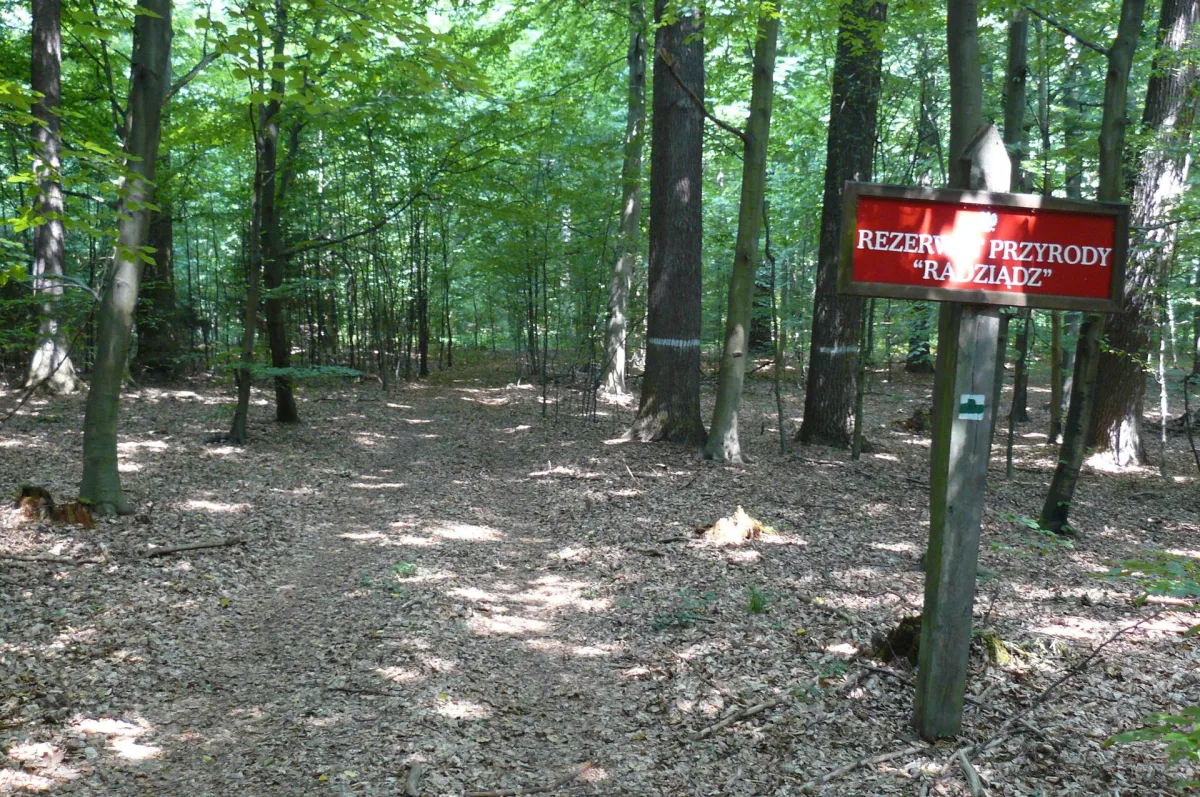
Fish farming and nature conservation have gone hand in hand here for decades. In 1963, on the site of five pond complexes - Stawno, Potasznia, Ruda Sułowska, Radziądz and Jamnik - the Stawy Milickie Nature Reserve was established, covering more than 5,300 hectares. Today it is one of the most important refuges for water and marsh birds in Poland: around 120 species nest here, and a further 50 or so appear during spring and autumn migration. The reserve forms part of the wider Barycz Valley Landscape Park, which covers more than 87,000 hectares on both sides of the border between the Lower Silesian and Greater Poland voivodeships. Fish stocking and the periodic draining of water from the ponds benefit the birds almost as much as the fish themselves - the exposed muddy bottoms provide feeding grounds for wading birds.
Autumn harvest and Carp Days
Autumn is harvest season in the Barycz Valley: the production ponds are drained and the fish are gathered with nets for transport and sale. This recurring rhythm of the fishermen's work has for years gone hand in hand with Carp Days - an event held every autumn by the "Partnership for the Barycz Valley" Association in eight municipalities of the region: Milicz, Żmigród, Twardogóra, Krośnice, Cieszków, Sośnie, Odolanów and Przygodzice. It is not a single event but a cycle spread over more than a dozen autumn weekends and comprising over a hundred different activities: fish dinners, angling competitions, culinary and film festivals, craft and beekeeping workshops, nature walks around the ponds, and outdoor games for families. They are accompanied by the "Carp Culinary Trail", which promotes local farms and products linked to fish farming, and the whole event combines education about pond farming with tastings of regional cuisine. The format is deliberately decentralised - each municipality organises its own part of the programme, so visitors can come across events in various towns and villages of the Barycz Valley throughout the autumn.

Be the first! Add a comment.
You need to log in to add a comment.
Log in