
Where these festivals come from
Many towns in Lower Silesia have one product around which they built their economic identity over the centuries: clay near Bolesławiec, fish ponds in the Barycz Valley, hops and malt in Świdnica. A recurring festival for that product is a way of recalling that history not in a museum but live, with a market, workshops and tastings. For residents, such an event is a chance to meet neighbours and local producers in one place; for municipalities, a way of attracting tourists outside the mountain or city season; and for the craftsmen and farmers themselves, a direct sales channel without intermediaries. The largest of these events grew out of small neighbourhood fairs and today draw visitors from across Poland, but smaller product festivals still work on the same, local principle.
The Bolesławiec Ceramics Festival
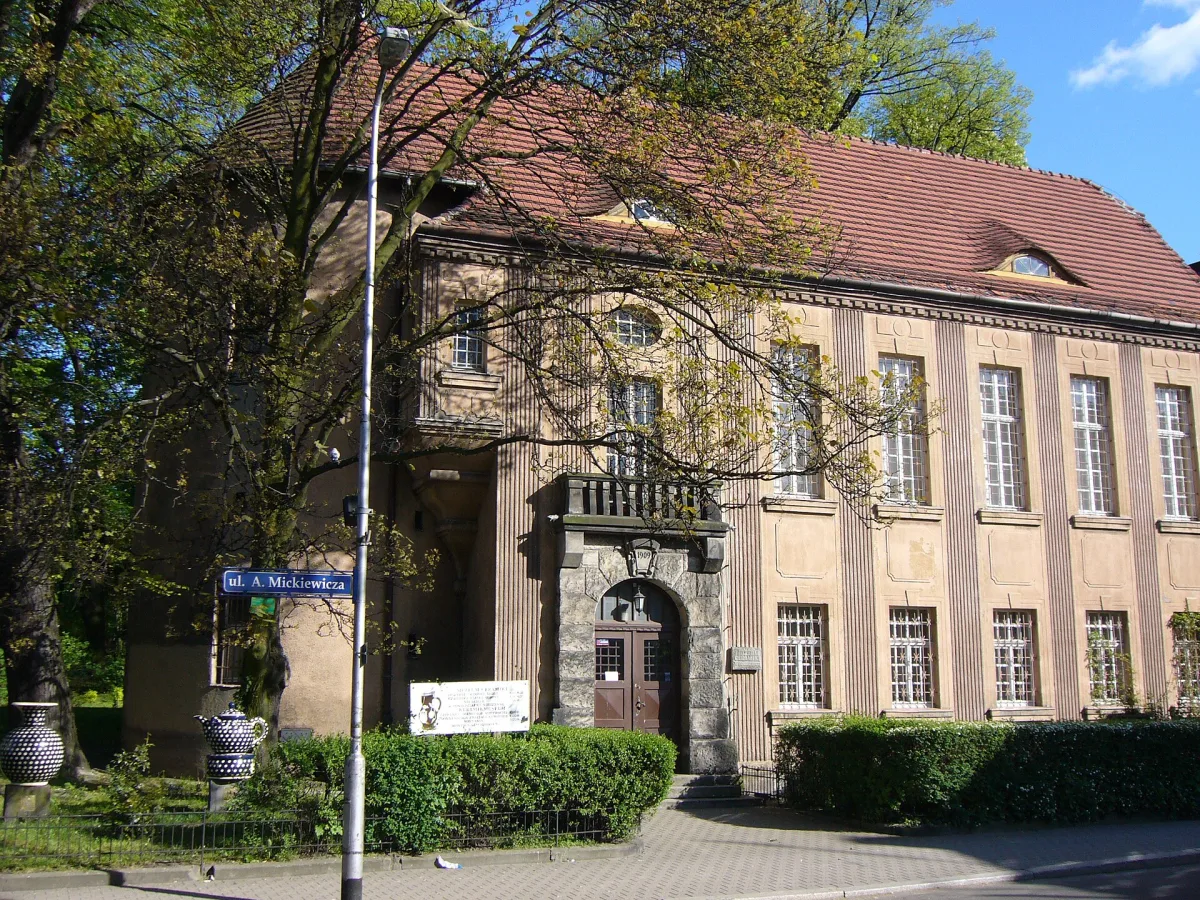
The August Bolesławiec Ceramics Festival, held continuously since 1991, is today the largest ceramics festival in Poland and one of the more important ones in Europe, though it began as a local potters' fair. The portal covers the ceramics themselves, their look and production technique, separately; here it is worth focusing on what happens during the festival itself. The programme includes markets with local producers, workshops and demonstrations of pottery techniques, exhibitions and author meetings, as well as concerts and a food court. The highlight is a procession of figures moulded from clay passing through the city's streets, a live, street version of what can be seen every day at the Bolesławiec Ceramics Museum. The event thus combines a display of traditional craft with current artistic creativity and attracts both collectors looking for unique vessels and families out for a day trip.
Carp Days in the Barycz Valley
Milicz carp and its eight-hundred-year farming history have a separate piece on the portal; here the focus is on the festival itself, or rather the whole cycle of festivals. Carp Days is not a single event but a programme of more than one hundred and twenty events spread across fifteen autumn weekends, organised by the "Partnership for the Barycz Valley" Association simultaneously in eight municipalities: Milicz, Żmigród, Twardogóra, Krośnice, Cieszków, Sośnie, Odolanów and Przygodzice. The season opens with Karpfest in Milicz, and the programme goes on to include fish dinners, angling competitions, culinary and film festivals, craft and beekeeping workshops, and nature walks through the Milickie Ponds Nature Reserve and the whole Barycz Valley Landscape Park. They are accompanied by the "Carp Culinary Trail", a network of farms and eateries promoting local fish farming. The format is deliberately scattered: each municipality runs its own part of the programme, so visitors can come across successive events in different towns across the region throughout the autumn, rather than travelling to one place for one day.
Wine and honey: a tradition without one big festival
Not every local product has yet found its equivalent of the Ceramics Festival. Lower Silesia currently has 55 vineyards, and family-run vineyards are appearing in growing numbers around Wrocław, on the Trzebnica Hills and in the Kłodzko Valley, offering tastings and winemaking workshops. They are linked by the signposted Lower Silesian Beer and Wine Trail, running from one vineyard or craft brewery to the next, more a route for independent touring than a single, shared event for the whole region. It is similar with honey: the region has its own product with an EU Protected Geographical Indication, heather honey from the Lower Silesian Forests, and its own patron of the trade, Father Jan Dzierżon of Dzierżoniów, a nineteenth-century beekeeper who discovered parthenogenesis in bees and built a hive with movable comb frames, for which he is regarded as the father of modern beekeeping. His legacy is recalled by the Dzierżoniów City Museum, but available sources do not confirm a separate, large honey festival on the scale of Carp Days or the Ceramics Festival; this is one of those regional products that for now promote themselves more through trails and apiaries than through a single annual event.
The Beer Festival and smaller local events
Alongside the large, multi-day events, the region also has more modest product festivals in smaller towns. The Świdnica Beer Festival has become a fixture of the city's event calendar and brings together stalls from craft breweries from across Poland, drawing on the medieval fame of Świdnica beer, once regarded as the best drink in Silesia. Festivals of this kind rarely match the scale of Bolesławiec or the Barycz Valley, but they follow the same principle: a local producer sells goods directly to residents and tourists, without intermediaries, and the event returns to the same place every year.
What to see and do besides the food
Each of these festivals offers more than a food stall. In Bolesławiec there are pottery workshops where visitors can try shaping a vessel themselves, plus the procession and exhibitions of local artists' work. In the Barycz Valley there are nature walks around the ponds and reserves, angling competitions and beekeeping workshops that connect the fish theme with the region's wider history of water management. On the wine and beer trail there is touring the production sites themselves, vineyards and craft breweries, with an explanation of how the drink is made before it reaches the glass. What all these events have in common is that the regional product becomes a pretext for getting to know the place where it is made, not just goods to buy and take home.
Be the first! Add a comment.
You need to log in to add a comment.
Log in