
Some Lower Silesian festivals are already several decades old and have survived changes of borders, political systems and generations of organisers. Below are five events that have become permanent fixtures in the region's calendar, with the year of the first edition where sources confirm it, and what has allowed them to survive so long.
The Chopin Festival in Duszniki-Zdrój: the oldest piano festival in the world
The International Chopin Festival in Duszniki-Zdrój was held for the first time in 1946, to mark the 120th anniversary of the concerts the young Frédéric Chopin gave in this spa town in 1826. Sources state it precisely: it is the oldest continuously running piano festival in the world and the oldest Polish music festival of any kind. This is an important distinction - other festivals may be older as musical events of a different type, but among festivals focused exclusively on the piano and running without a break since their first edition, Duszniki has no equal.
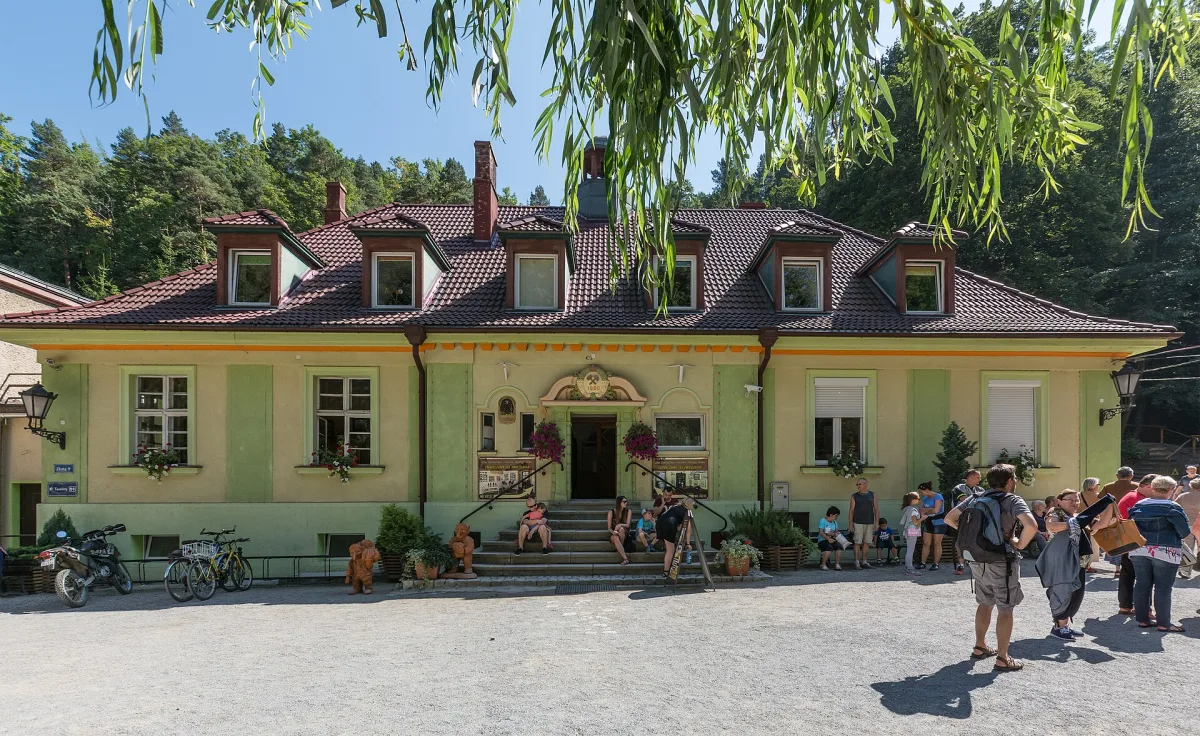
A testament to this continuity is the Chopin monument itself in front of the Spa Theatre in Duszniki: it was unveiled in 1976, during the thirtieth edition of the festival, and the ceremony was combined with the 150th anniversary of the composer's stay in the town. Concerts still take place today in the same Spa Theatre, which has been the festival's stage from the very beginning.
Wratislavia Cantans: a festival that survived a change of political system
Wratislavia Cantans was created in 1966 on the initiative of the conductor Andrzej Markowski, who a year earlier had taken over the directorship of the Wrocław Philharmonic. From the start it was an oratorio and cantata festival, and its concerts take place in the historic churches and museums of Wrocław, which sets it apart from festivals confined to a single concert hall. Since 1978, when Tadeusz Strugała took over as director, the programme has also included countertenor competitions held at the Silesian Piast Castle in Brzeg.
The festival went through the years of the Polish People's Republic, the transformation of the political system and a change of the organising institution - today it is run by the National Forum of Music, the successor to the former Wrocław Philharmonic. Maintaining continuity despite so many institutional changes shows that the festival's longevity was decided not by a single director, but by its firm place in the city's musical infrastructure.
The Piast Run: from half a thousand to thousands of competitors
The first Piast Run was held in February 1976 at the Jakuszyce Meadow near Szklarska Poręba. A little over half a thousand competitors took to the start, and it was won by Stanisław Michoń. Today it is the oldest and largest cross-country skiing event in Poland. Since 1995 the run has belonged to the European Long Distance Ski League Euroloppet, and towards the end of the following decade it joined the international Worldloppet series, which opened it up to competitors from around the world.
Attendance grew along with the event's standing: more than forty years after the first edition, several times as many competitors now take to the start as in 1976, from dozens of countries on five continents. The run survived thanks to being able to move from a local competition into the international circuit, rather than remaining a purely regional event.
The Lower Silesian Science Festival: science without a break since the late 1990s
The Lower Silesian Science Festival has been organised continuously since 1998, and has borne its current name since 2001. It is run by eleven Wrocław universities together with two institutes of the Polish Academy of Sciences - it is precisely this organisational spread across so many institutions that sets it apart from festivals based on a single patron or a single venue. Every year in September, lectures, shows and workshops begin in Wrocław, and in October the festival moves on to towns across the region.
Such a structure, in which no single university is able to bring the whole thing to a halt, explains why the festival has run uninterrupted for nearly three decades: even changes in the leadership of one institution do not threaten the whole undertaking.
The Antiques Fair in Jelenia Góra: the oldest market of its kind in Poland
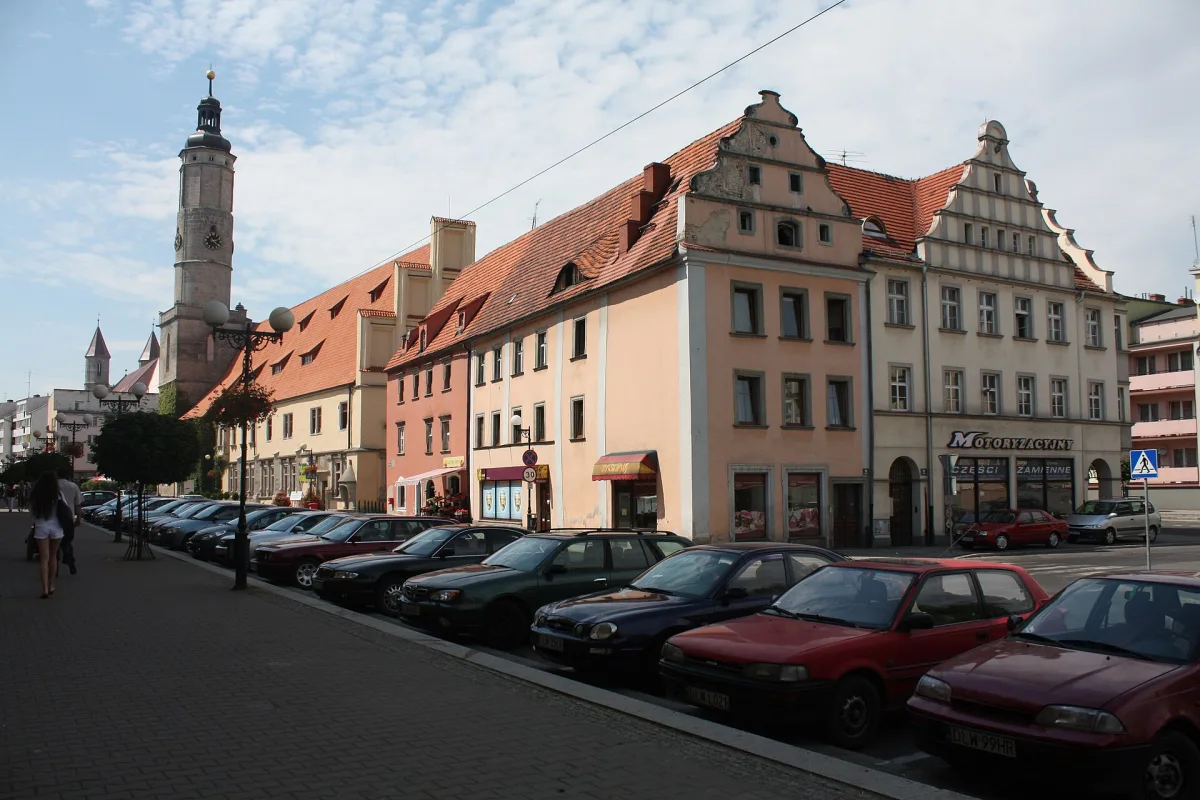
The Jelenia Góra Antiques and Curiosities Fair has been organised continuously since 1973 and is regarded as the oldest event of its type in Poland. On the Town Hall Square and in the streets of the old town, collectors of antiques and curiosities meet several times a year, drawing visitors from across Europe. Unlike music or science festivals, the fair needs no stage and no sponsor - it rests on a stable network of dealers and collectors who return to the same place year after year.
What allows an event to survive for decades
A common denominator emerges from these five stories: none of the events depends on a single person or a single company. The Duszniki festival has kept to the same place and the same discipline for nearly eighty years, Wratislavia Cantans survived a change of organiser, the Piast Run grew from a local competition into part of an international series, the Lower Silesian Science Festival rests on more than a dozen institutions at once, and the Antiques Fair holds on thanks to a stable community of collectors, not a single sponsor. Where an event is anchored in an institution, a city or a milieu, rather than in a single idea from a single year, it has a chance of lasting into further decades.

Be the first! Add a comment.
You need to log in to add a comment.
Log in