
What it means to be listed as a traditional product
The National List of Traditional Products is maintained by the Minister of Agriculture and Rural Development, and applications for entry are first assessed by the voivodeship marshal. It includes foods made using a method at least a quarter of a century old that can be considered part of the region's cultural heritage. Being listed doesn't work like a protected geographical indication - it doesn't reserve the name or guarantee that every product sold under the same label was made in exactly the same way. What it does give producers is the chance to apply for exemptions from some sanitary and veterinary requirements, where these stem from a traditional recipe - otherwise it would be hard, for example, to mature cheese in a wooden cellar instead of in stainless steel.
Lower Silesia has 52 products on the list: fish, cured meats, cheeses, honeys, bread and sweets, and drinks - and each one has a history older than its paper entry in the register.
Fish from the ponds
The Lower Silesian list opens with fish: Milicz carp, Kłodzko trout and smoked Kłodzko trout. Carp from the Barycz Valley has a story of its own here - the portal has a separate article devoted to it, so it's enough to say here that it's the region's most recognisable product, a symbol of centuries of pond farming. Kłodzko trout belongs to different water: the mountain streams of the Kłodzko Valley, where it's raised in flow-through ponds fed by cold, clean water.
Meat and cured meats
This category is dominated by the Niemcza area: marinated pork fat from Niemcza and Niemcza pork ham are two separate entries from the same town, alongside them on the list are three more kinds of sausage, Polish head cheese (salceson) and veal kabanosy. The name "świnka pieczona po zaciszańsku" ("piglet roasted Zacisze-style") points to a specific way of preparing the dish rather than to one recipe used across the whole region - that's how most of this list works: it's a catalogue of methods and local names, not uniform recipes.
Cheeses and dairy
The Sudetes have their own cheeses: Zgorzelec cheese from Zgorzelec County, Łomnica goat cheese from Łomnica near Karpacz, Kamienna Góra blue cheese and Sudetes curd cheese. They grew up in areas where livestock farming on mountain and foothill pastures had for centuries been the natural occupation of farms too small to grow grain on a commercial scale - cheese was a way of keeping milk longer than a few days.
Honey from across the region
There are six honeys on the list: Sudetes multiflower honey, buckwheat honey, honey from the Barycz Valley, heather honey, and two kinds of lime honey. Heather honey from the Lower Silesian Forests additionally holds EU Protected Geographical Indication status, granted in 2008. It's made from the nectar of heathland that has survived in the Lower Silesian Forests in an almost untouched state - the area remained a military training ground for over a hundred years, which paradoxically protected it from development and intensive farming. Heather honey has an amber-tea colour, a jelly-like texture once crystallised, and a distinctly bitter taste, characteristic of heather nectar.
Bread and sweets
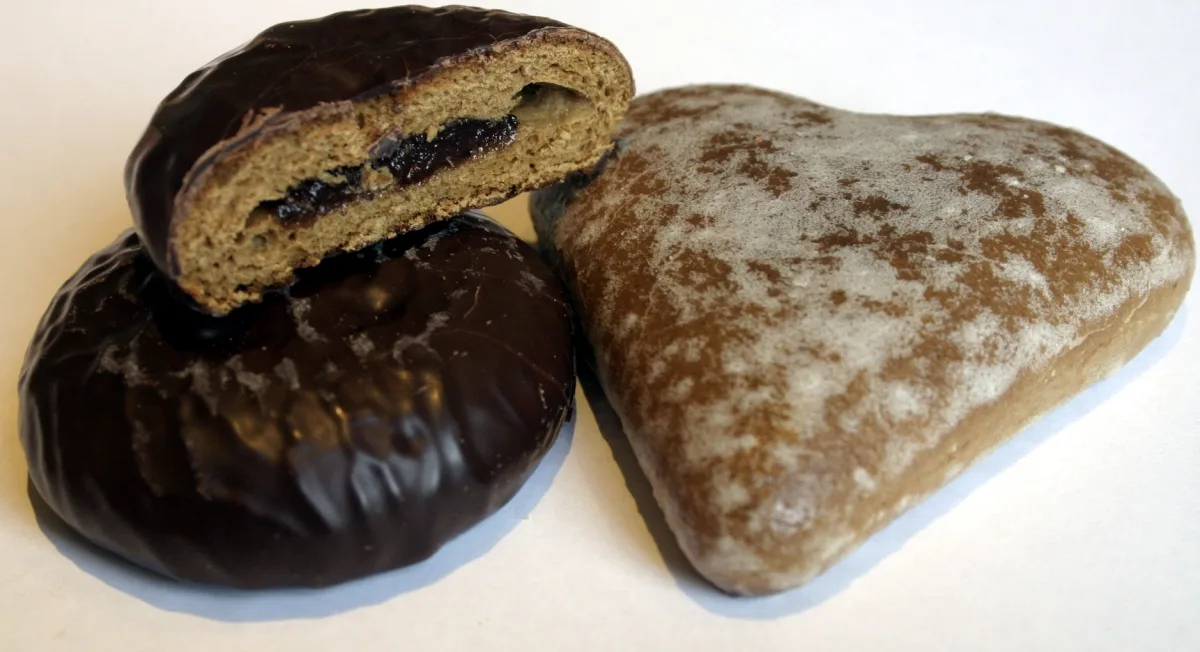
Eight items: four kinds of bread, gingerbread, kołacz (a festive cake) and Balkan pita. The last entry is explained by a history of settlement - after the Greek Civil War, Polish authorities admitted around twelve thousand Greek and Macedonian political refugees between 1949 and 1951, of whom nearly nine thousand settled in Zgorzelec. They brought their own cuisine with them, and its trace survived on the region's list of traditional products together with juha soup, covered below. Among the gingerbreads, a special place belongs to the Legnica bomb (bomba legnicka) - a gingerbread with marzipan filling, which the portal covers separately, so here it's just a pointer that the article is worth reading.
Drinks: beer, wine and more
Six drinks close the list: Silesian wine, juha, princely beer, apple juice, cider and Karkonosze liqueur. Brewing in Lower Silesia has a history going back to the Middle Ages - the Piwnica Świdnicka (Świdnica Cellar) in Wrocław has operated continuously since 1273, and Świdnica beer was considered the best drink in Silesia from the 13th to the 15th century. Winemaking is nothing new here either - Środa Śląska was growing vines as early as the Middle Ages and still has a bunch of grapes in the town's coat of arms in memory of that tradition. Juha is a Balkan soup, brought here by the same route as pita - by Greek and Macedonian settlers in Zgorzelec.
Where did this mix come from
Post-war Lower Silesia was settled by people from very different parts of pre-war Poland. Wrocław and its surroundings received resettlers from the Eastern Borderlands, especially from around Lwów and Stanisławów, and from the Vilnius region, alongside a large group of settlers from Greater Poland. Each of these groups brought its own culinary habits and wove them into what it found on the spot - the farms, orchards and ponds tended here for centuries by the region's earlier inhabitants. On top of that came - as mentioned above - a group of refugees from the Balkans. Lower Silesia's National List of Traditional Products is exactly a record of this mix: alongside Silesian cheeses and sausages from Niemcza stand Balkan pita and juha soup.
Where to buy locally
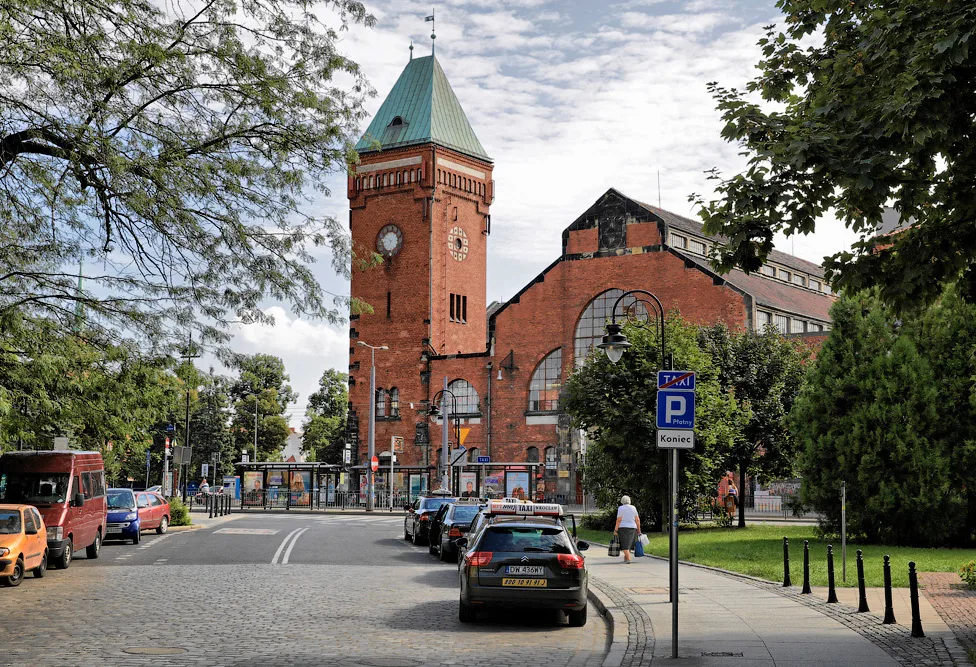
Most of these products don't reach the big retail chains - they're bought directly from producers, at local markets or at the weekly bazaars in the region's smaller towns. In Wrocław, the natural place for such shopping is the Hala Targowa (Market Hall) on Piaskowa Street - a historic hall from the early 20th century that has served as a daily food market for more than a hundred years. Outside the city, it's worth looking out for stalls at agritourism farms and seasonal fairs in the Barycz Valley, the Kłodzko Valley or the Western Sudetes - that's where you're most likely to find producers of the cheeses, honeys and cured meats on the list.
Be the first! Add a comment.
You need to log in to add a comment.
Log in