

Stalls by the town hall: how the tradition began
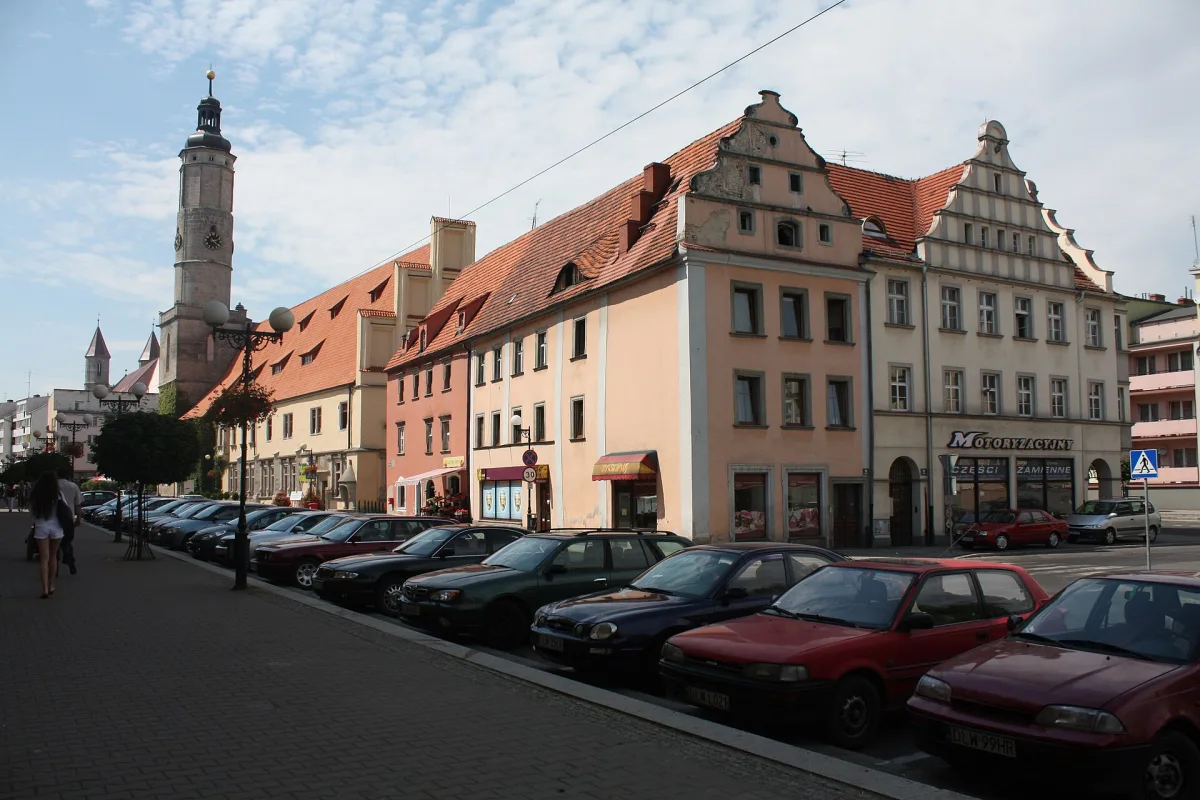
The Jelenia Góra Antiques and Curiosities Fair has been held without a break since 1973. The event is run by Centrum Kultury Zameczek, a municipal institution that has spent decades organising it, registering exhibitors and setting the dates. For its first few decades the fair was held once a year, in autumn, and in recent years it has been organised twice a year. Its permanent venue remains Plac Ratuszowy (Town Hall Square) in the centre of Jelenia Góra's old town, from where the trading spreads into the neighbouring streets of the Old Town.
Applications from regular exhibitors are accepted well ahead of the fair itself, by email, which shows that a good number of traders return here regularly year after year rather than turning up by chance.
A town with a trading past
Jelenia Góra has for centuries been a merchant centre - a town of weavers and cloth traders, conveniently located at the foot of the Karkonosze (Giant Mountains), on the routes linking Silesia with Bohemia and Saxony. A trace of that past is the Neptune Fountain standing on Plac Ratuszowy, erected in the 19th century on the site of an old town well - its creators wanted it to recall the trading contacts of Jelenia Góra's merchants with distant countries, even though the town itself lies well inland. It is around this same fountain, on this same square, that the stalls of the antiques fair are set up today - trading here has never really stopped, only the goods have changed.
What you can find in the old town
The fair's range of goods is wide and unpredictable, because it depends on what the exhibitors happen to bring on a given day. The stalls feature antique furniture, pieces of old household fittings, collectors' items connected with weapons and militaria, coins and medals, glassware, old books, porcelain, figurines, toys, handicrafts, paintings and sculptures. Buyers may come across both trinkets worth pennies and items of real collectors' value - it is a trained eye and knowledge that decide what is actually to be found on a given stall.
Collectors, traders and passers-by
Collectors travel to the fair from all over Europe, for whom the Jelenia Góra marketplace is a fixed point in the annual calendar of their searches. Alongside them stand regular exhibitors, registered with the organiser in advance, and occasional sellers who bring items from home attics and cellars. The third group is made up of ordinary residents and tourists, who treat the fair as a walk around the old town with the chance to look at - and sometimes buy - things they would not see in an ordinary shop.
A fair in step with the town
For Jelenia Góra, the fair is above all a fixed point in the life of the old town - a day when the square by the town hall and the adjoining streets fill with people, and the Old Town briefly returns to its old role as a marketplace. The event has become so firmly established in the calendar that it serves as a reference point for residents when planning other events in the town, and for many collectors from the region it is a chance to meet fellow enthusiasts, not only to shop.
How to behave and what to watch out for before buying
The antiques fair has its own unwritten but widely accepted rules. Items are examined by first asking the seller's permission to touch them, especially in the case of fragile or more valuable pieces. It is worth asking about an item's provenance and condition, and examining it closely for damage, alterations or missing parts, before any talk of price begins. For items of greater collectors' value it is a good idea to bring along someone who knows the field, or to spend time checking similar offers elsewhere. Haggling is a natural part of the transaction here, but it is worth doing calmly - regular exhibitors remember faces and are more willing to negotiate with someone who treats their trade seriously.
Oldest or biggest? What the sources say
The municipal cultural institution that has organised the Jelenia Góra fair for years describes it on its website as the oldest event of its kind in Poland. Other sources, including press reports from the event itself, use a more cautious description and call it one of the largest cyclical antiques fairs in the country - not the oldest, but the largest. These claims do not necessarily contradict each other, but they show that the claim to being first operates in two different categories: the age of the event and its scale. No independent ranking that would settle which antiques fair in Poland is actually the oldest could be found.
What is certain, however, is that among other antiques fairs of this kind in Lower Silesia, Jelenia Góra has the longest track record. The Legnica antiques fair on the market square, organised by the Towarzystwo Miłośników Legnicy Pro Legnica (Friends of Legnica Society), has only been running since 2003, and the Wałbrzych antiques exchange on the market square is a smaller, weekly event of a different character. The antiques markets and second-hand shops of Wrocław itself are covered in a separate article on the portal.
Be the first! Add a comment.
You need to log in to add a comment.
Log in