Wrocław, Lower Silesia
Tuesday, 03 November 2026 PL / EN

History of Wrocław

51 articles
March 1968 in Lower Silesia: the last wave of Jewish emigration Historia Wrocławia
March 1968 in Lower Silesia: the last wave of Jewish emigration
The anti-Zionist campaign after March 1968 forced several thousand Lower Silesian Jews, mostly people already assimilated into Polish society, to leave the country. We look at how this last of the post-war waves of emigration unfolded.
Read more →
Nobel laureates connected with Wrocław - the city that gave the world ten laureates Historia Wrocławia
Nobel laureates connected with Wrocław - the city that gave the world ten laureates
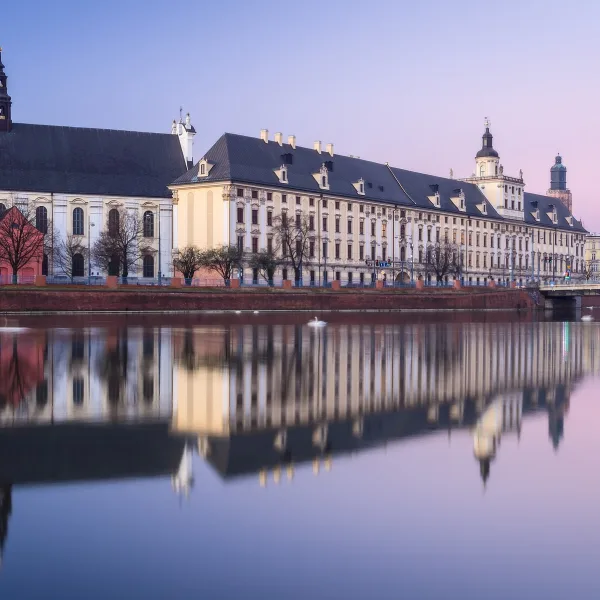
The University of Wrocław counts ten Nobel Prize laureates, but that number hides very different biographies - from people born in the city to professors who spent only a few years of their career here.
Read more →
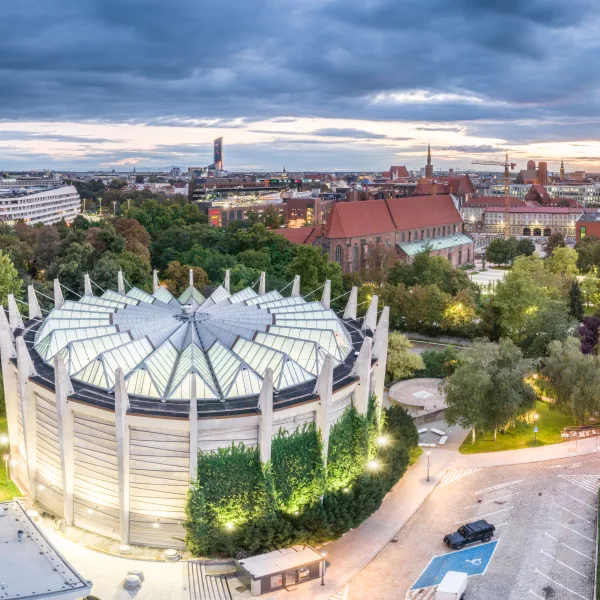
The New Synagogue in Wrocław - one of the largest in Germany, burned down on Kristallnacht Historia Wrocławia
The New Synagogue in Wrocław - one of the largest in Germany, burned down on Kristallnacht
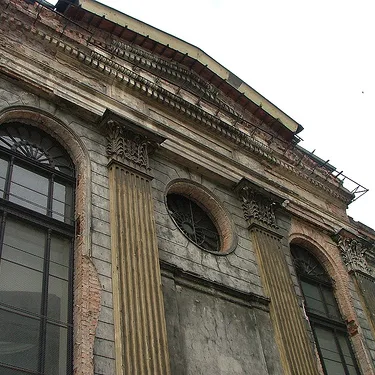
The second-largest synagogue in pre-war Germany was built in Wrocław, after the smaller White Stork Synagogue could no longer hold the growing congregation. Both met a different fate on the same night of Kristallnacht.
Read more →
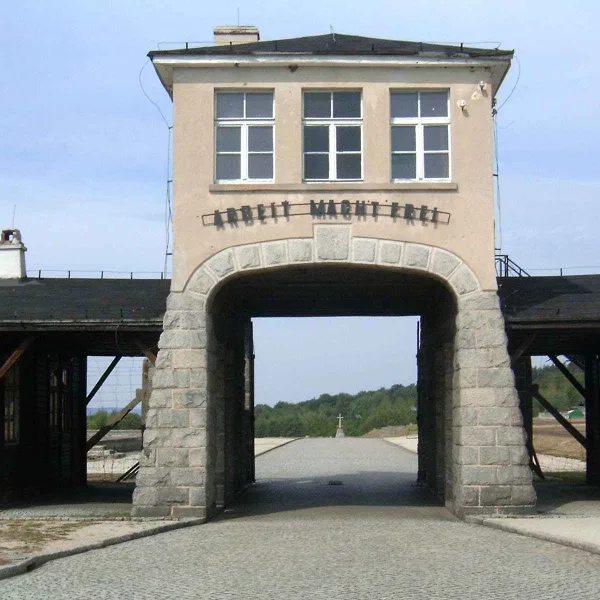
Gross-Rosen in Rogoźnica - a concentration camp and a quarry Historia Wrocławia
Gross-Rosen in Rogoźnica - a concentration camp and a quarry
The German concentration camp in Rogoźnica was established in 1940 next to a granite quarry and grew into a system with more than a hundred subcamps across Lower Silesia. Today a museum with a preserved quarry operates on its site.
Read more →
Wrocław in ruins - how the city's reconstruction began after 1945 Historia Wrocławia
Wrocław in ruins - how the city's reconstruction began after 1945
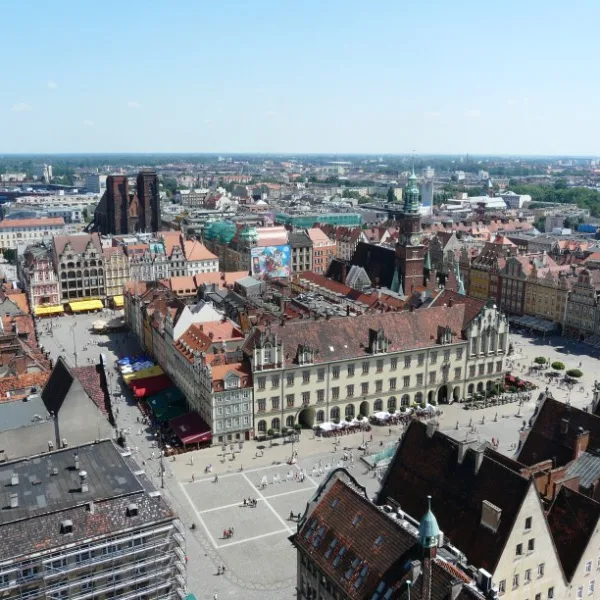
After the surrender in May 1945, Wrocław was left with 18 million cubic metres of rubble. The reconstruction of the Market Square, Ostrów Tumski and the rest of the city stretched over the following decades, and the population only returned to its pre-war level in 1983.
Read more →
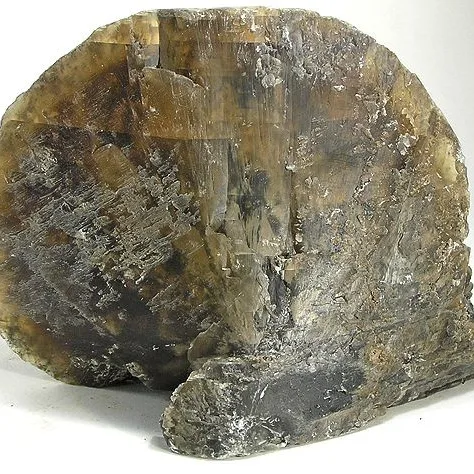
How the copper deposit at Lubin was discovered - a story that changed the region Historia Wrocławia
How the copper deposit at Lubin was discovered - a story that changed the region
On 23 March 1957, geologists struck a copper deposit beneath Lubin that, within little more than a decade, turned the farming region between Lubin and Głogów into one of the world's largest copper basins.
Read more →
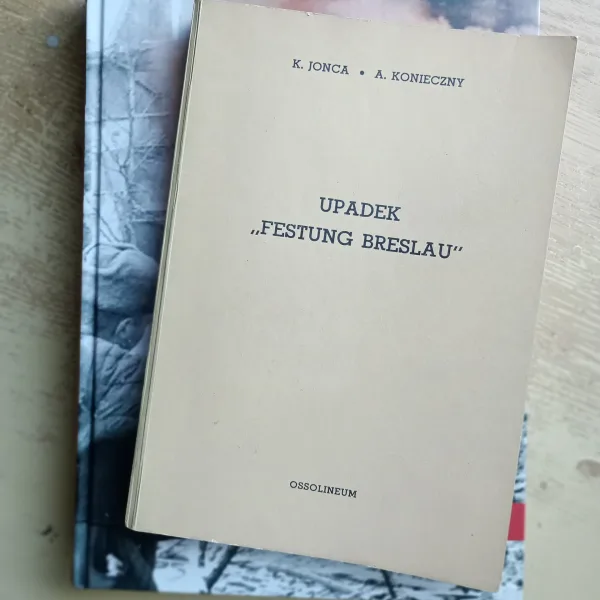
The Fugitive and the Capitulator: Two commanders of the final days of Festung Breslau Historia Wrocławia
The Fugitive and the Capitulator: Two commanders of the final days of Festung Breslau
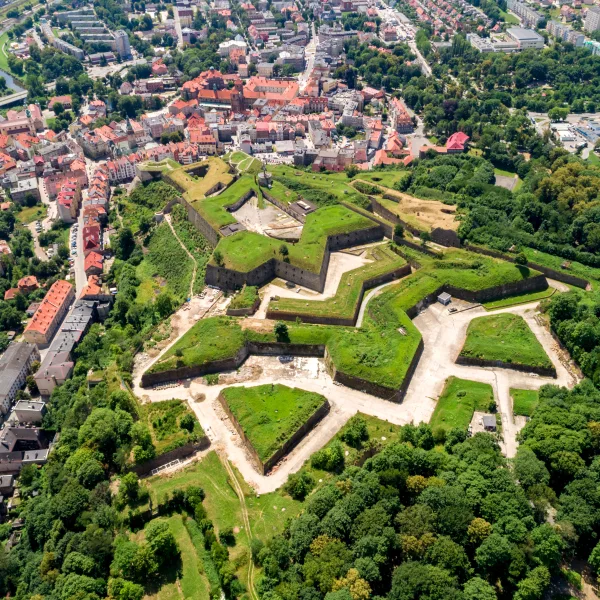
Gauleiter Karl Hanke demanded that Wrocław be defended to the last soldier, then fled the city himself on the day of the surrender. General Hermann Niehoff, the fortress's last commandant, finished what Hanke had left behind and signed the city's capitulation.
Read more →
What Remains of the Palaces of the Lower Silesian Aristocracy Historia Wrocławia
What Remains of the Palaces of the Lower Silesian Aristocracy
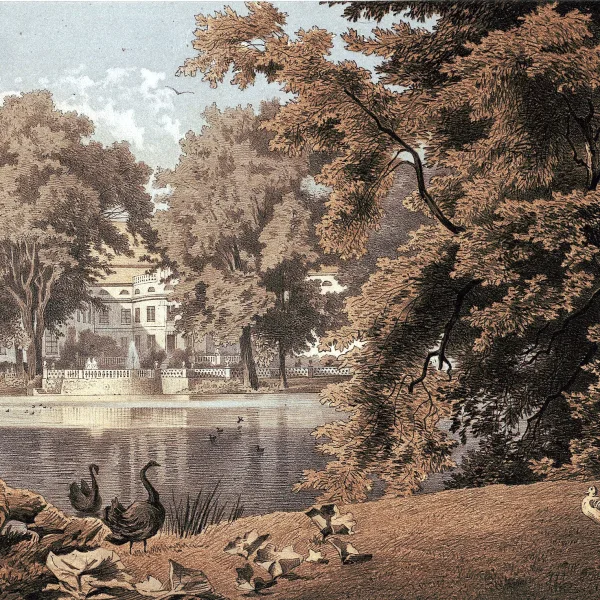
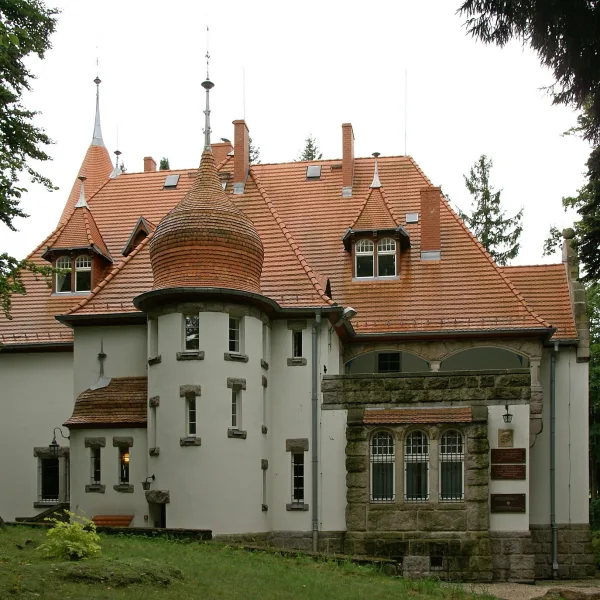
Lower Silesia has nearly three hundred described palaces and manor houses, from restored period-interior museums to lasting ruins in parks. Using specific examples, we show how differently their fates played out after 1945.
Read more →
The Silesian-Czech borderland: How the border cut through the mountains Historia Wrocławia
The Silesian-Czech borderland: How the border cut through the mountains
From the medieval County of Kłodzko under the Bohemian Crown, through the tightly sealed border after 1945, to today's checkpoint-free trails - the story of a line that split the Sudetes in half.
Read more →
A wave of panic from the Vistula: How the Kielce Pogrom changed Jewish Lower Silesia Historia Wrocławia
A wave of panic from the Vistula: How the Kielce Pogrom changed Jewish Lower Silesia
In July 1946, a crime committed hundreds of kilometres away in Kielce changed the fate of tens of thousands of Jews settled in Lower Silesia within a matter of days. We look at how the panic translated into mass departures across the Lower Silesian border.
Read more →
The 1997 Flood of the Millennium: How the Great Water changed Wrocław Historia Wrocławia
The 1997 Flood of the Millennium: How the Great Water changed Wrocław
In July 1997, a flood wave later named the Flood of the Millennium submerged the western and northern districts of Wrocław, and residents, together with the army and firefighters, spent weeks stacking sandbags to protect the city's historic centre.
Read more →
The Silesian Weavers' Uprising of 1844: The revolt that shook Europe Historia Wrocławia
The Silesian Weavers' Uprising of 1844: The revolt that shook Europe
Six days in June in Pieszyce and Bielawa ended in bloody suppression by the Prussian army, but the echo of this revolt resounded in a poem by Heine and a play that, half a century later, won a Nobel Prize in Literature.
Read more →

What's on in Wrocław in the coming days

See the event calendar →
Pieśni lasu | FKS
Today 12:00
Kino
Pieśni lasu | FKS
Jak żyć, żeby nie zwariować
Today 12:15
Kino
Jak żyć, żeby nie zwariować
Klara i słońce
Today 12:15
Kino
Klara i słońce
Witajcie w Hope
Today 14:30
Kino
Witajcie w Hope