Wrocław, Lower Silesia
Tuesday, 03 November 2026 PL / EN

History of Wrocław

51 articles
Głogów 1945 - a City Razed to the Ground Historia Wrocławia
Głogów 1945 - a City Razed to the Ground
Declared a fortress by Berlin, Głogów held out for almost two months, and street fighting turned its old town into a field of rubble. Historians today put the scale of destruction at around 95 percent of the built-up area.
Read more →
How the railway network in Lower Silesia was built Historia Wrocławia
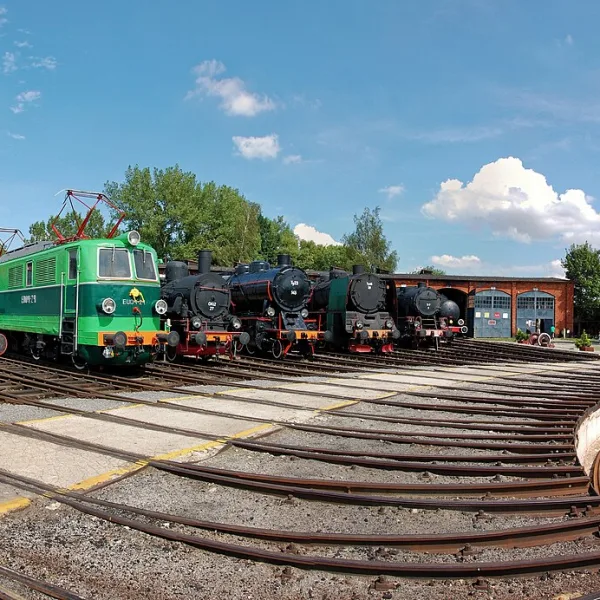
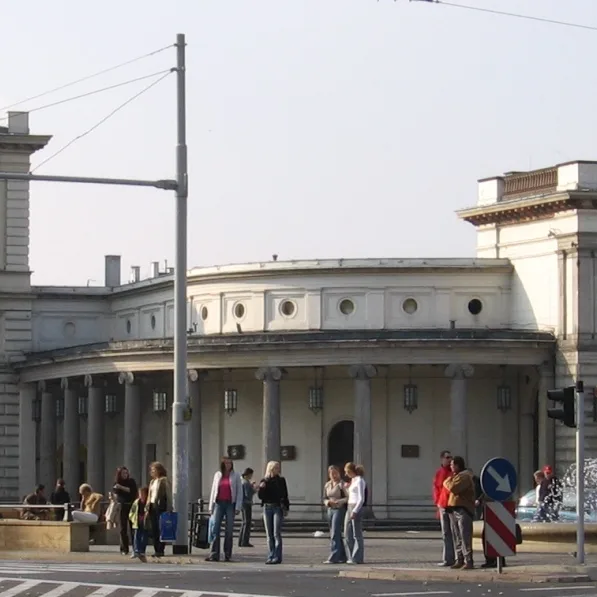
How the railway network in Lower Silesia was built
From the first section to Oława in 1842 to a dense, 2,300-kilometre network before 1945, the history of Lower Silesian railways is a story of private capital, coal, showcase stations and the postwar shrinking of the tracks.
Read more →
From the Leopoldine Academy to Today - a History of the University of Wrocław Historia Wrocławia
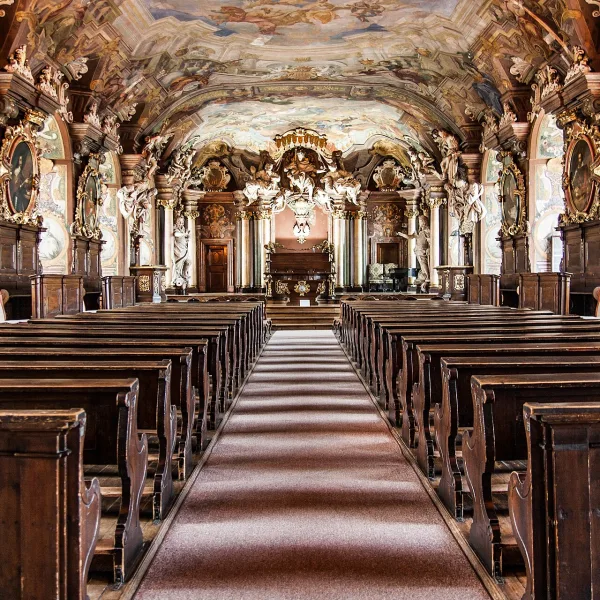
From the Leopoldine Academy to Today - a History of the University of Wrocław
Before Emperor Leopold I founded a Jesuit academy in 1702, the city had already tried once, in 1505, to establish a university, and lost to a papal veto. From that foundation to today's university with 20,000 students, the road ran through the Counter-Reformation, Prussian reform and rebuilding by scholars from Lwów.
Read more →
The Głogów Copper Smelter protective zone - the villages that had to disappear Historia Wrocławia
The Głogów Copper Smelter protective zone - the villages that had to disappear
Building a copper smelter near Głogów in the 1960s and 1970s gave the region an industry, but at the cost of several villages resettled from the protective zone around the plant, today largely empty and incorporated into the city.
Read more →
How Wrocław grew: From Ostrów Tumski to the Market Square Historia Wrocławia
How Wrocław grew: From Ostrów Tumski to the Market Square
The city's history forms a chain of specific places: from a ducal stronghold on the Oder, through the medieval market square, to 19th-century investments and rebuilding from ruins. Each stage can still be seen today with your own eyes.
Read more →
Jacob Böhme - the shoemaker from Zgorzelec who became a philosopher Historia Wrocławia
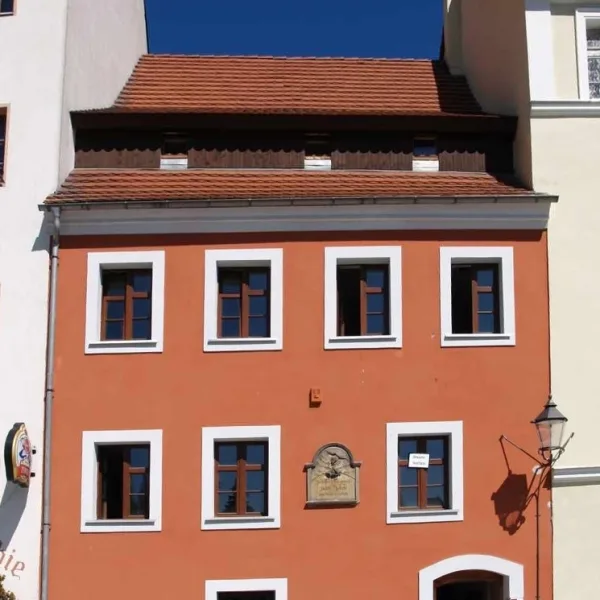
Jacob Böhme - the shoemaker from Zgorzelec who became a philosopher
A craftsman with no philosophical education, banned from writing by the local pastor, became one of the reference points for Hegel and the German Romantics.
Read more →
The Owl Mountains Railway and the tunnels under Mały Wołowiec Historia Wrocławia
The Owl Mountains Railway and the tunnels under Mały Wołowiec
The Owl Mountains Railway with its rack-rail section and the two parallel tunnels under Mały Wołowiec near Jedlina-Zdrój are two different but closely related monuments to Lower Silesia's mountain railways - one is now a tourist trail, the other still carries trains.
Read more →
The Riese Complex - what is known for certain, and what is only a hypothesis Historia Wrocławia
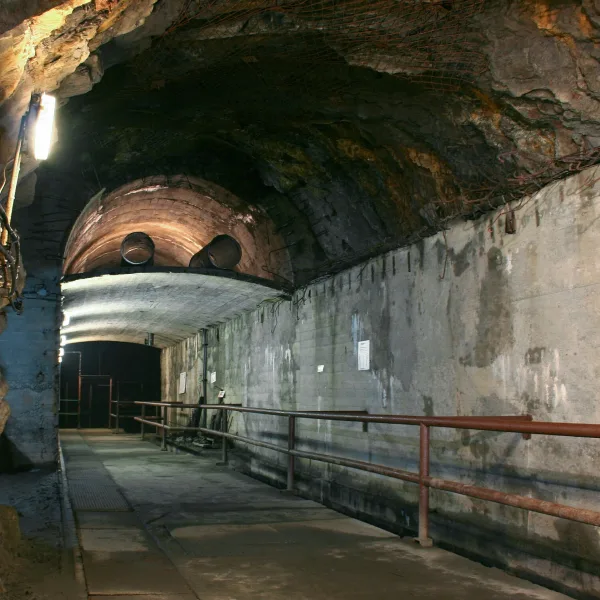
The Riese Complex - what is known for certain, and what is only a hypothesis
Riese was the largest secret construction project of the Third Reich in Lower Silesia: nine sites in the Owl Mountains and under Książ Castle. Only one of their purposes has been proven; the rest remains a matter of hypotheses and legends.
Read more →
Little Moscow - half a century of Soviet garrison in Legnica Historia Wrocławia
Little Moscow - half a century of Soviet garrison in Legnica
From 1945 to 1993 the headquarters of the Northern Group of Forces of the Soviet Army was stationed in Legnica, occupying as much as a third of the city. Residents and the military lived side by side for nearly half a century, which gave the city the nickname Little Moscow.
Read more →
The field airstrip on Kaiserstrasse - how a piece of the besieged city was demolished Historia Wrocławia
The field airstrip on Kaiserstrasse - how a piece of the besieged city was demolished
In the spring of 1945, in the very centre of besieged Wrocław, a district along the former Kaiserstrasse was demolished to build a makeshift runway. An airfield that cost so much was used only a handful of times.
Read more →
What Happened to the Former German Property - Looting and Settlement in the Recovered Territories Historia Wrocławia
What Happened to the Former German Property - Looting and Settlement in the Recovered Territories
After 1945 Wrocław and Lower Silesia changed almost the entire make-up of their population. The property left behind by the expelled Germans was partly taken over by the state, partly dispersed through looting, and the rest was absorbed by settlers arriving from various parts of the country.
Read more →
Death marches in the winter of 1945: the evacuation of Gross-Rosen and Riese prisoners Historia Wrocławia
Death marches in the winter of 1945: the evacuation of Gross-Rosen and Riese prisoners
When the eastern front reached Lower Silesia in January 1945, the Germans marched the prisoners of the Gross-Rosen camp and its dozens of subcamps on foot. The marches in the frost cost the lives of hundreds, and by some estimates thousands, of people.
Read more →

What's on in Wrocław in the coming days

See the event calendar →
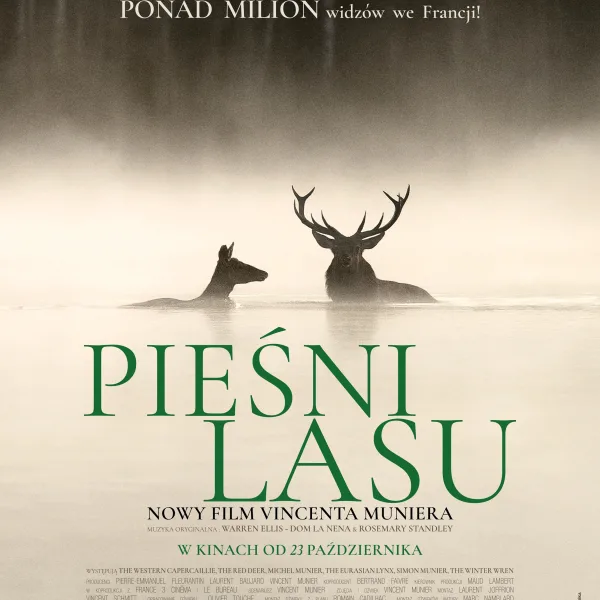
Pieśni lasu | FKS
Today 12:00
Kino
Pieśni lasu | FKS
Jak żyć, żeby nie zwariować
Today 12:15
Kino
Jak żyć, żeby nie zwariować
Klara i słońce
Today 12:15
Kino
Klara i słońce
Witajcie w Hope
Today 14:30
Kino
Witajcie w Hope