Things to do in Stronie Śląskie: peaks of the Śnieżnik Massif, nature reserves and a mineral museum. Here is what to pick in good weather and in rain.
What is worth seeing in and around Stronie Śląskie?
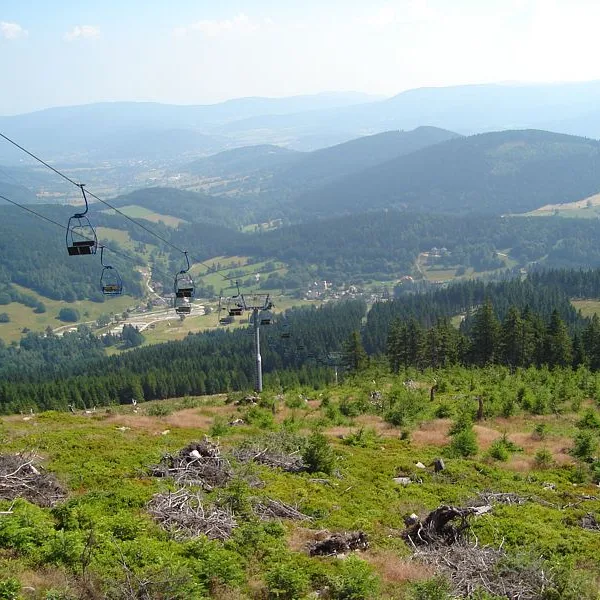
Nature comes first here: mountains, reserves and a landscape park. On top of that you get a few places with history and two rainy-day options. It helps to pick one of three routes: scenic, nature-focused or historical.
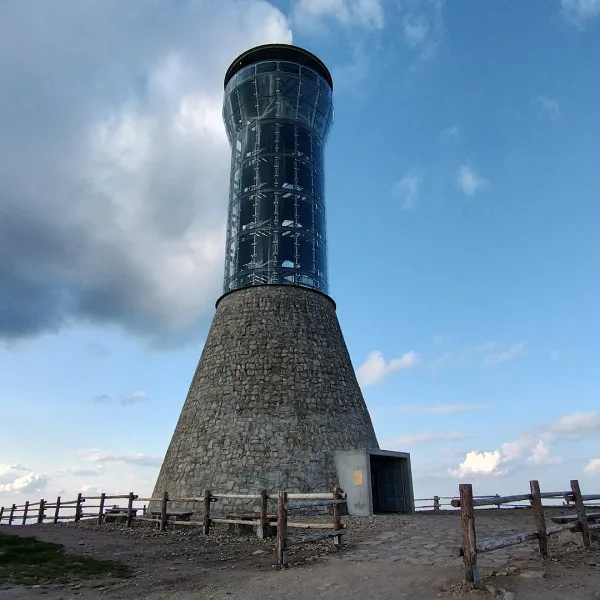
The scenic one leads to the Śnieżnik observation tower. The steel and glass structure stands at 1,425 m above sea level and opened in September 2022 on the site of an older stone tower, which was blown up in 1973. The nature route links the reserves with Śnieżnicki Landscape Park, established in 1981. The historical one touches Kletno, where a secret Soviet uranium mine operated between 1948 and 1953.
Which peak should you pick for a walk with views?
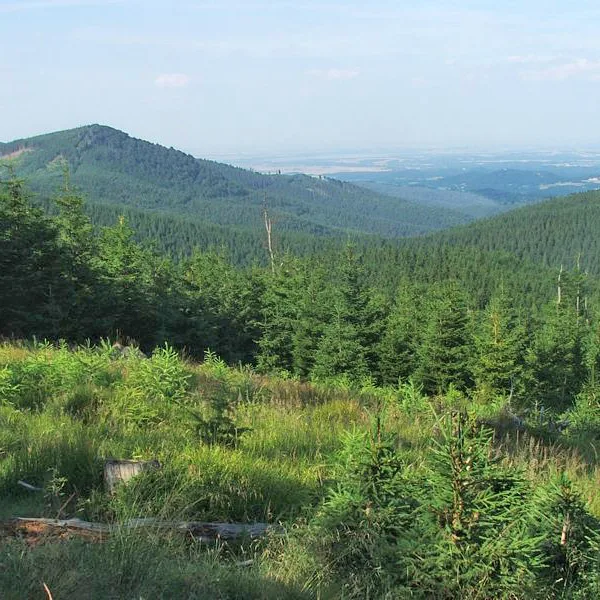
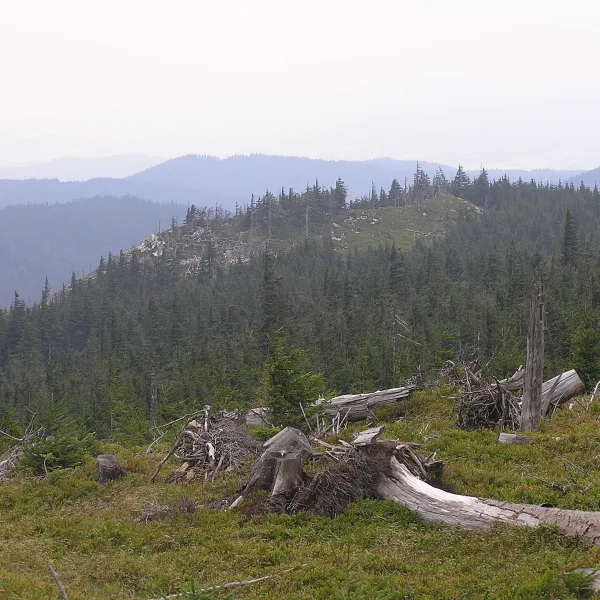
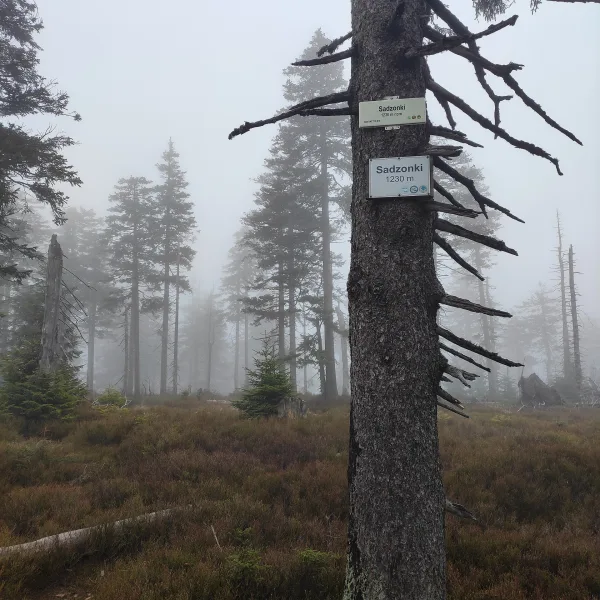
The highest summit on our list is Sadzonki: 1,230 m, inside the landscape park, right next to Śnieżnik. Lower down are Stroma (1,167 m), which drops steeply into the Kleśnica valley, and Czarny Grzbiet (1,087 m).
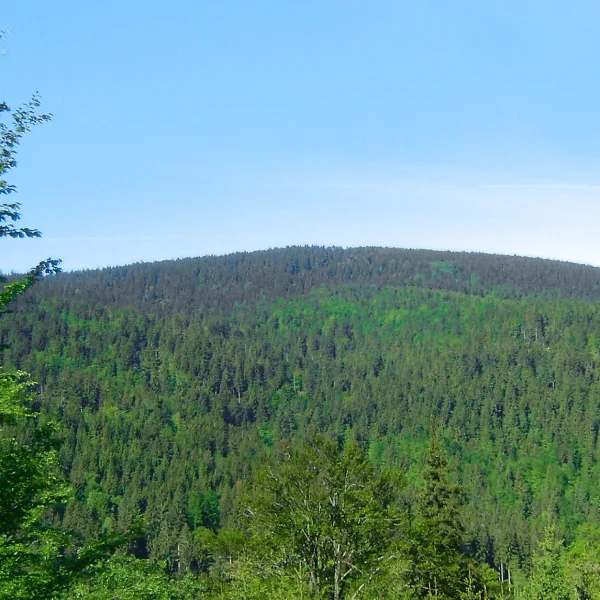
On the ridge along the Czech border you will find Iwinka (1,079 m) and Sierstkowa (974 m). The Polish-Czech border runs over the top of Sierstkowa, and so does the European watershed between the Baltic and Black Sea basins. Climbing these peaks costs nothing, but you have to prepare the route yourself: for Stroma and Sadzonki our sources give no marked trail, so plan from a current tourist map of the Śnieżnik Massif.
Mountains alone are collected on Mountains in Stronie Śląskie, and viewpoints in the scenic views list.
Where is nature protected in the municipality?
The reserves differ in how much of them you can actually see. Puszcza Śnieżnej Białki covers 124.68 hectares on the eastern slope of Iwinka and protects a relict old-growth beech and sycamore forest, regarded as a remnant of the ancient Sudeten wilderness. It was established in 1963.
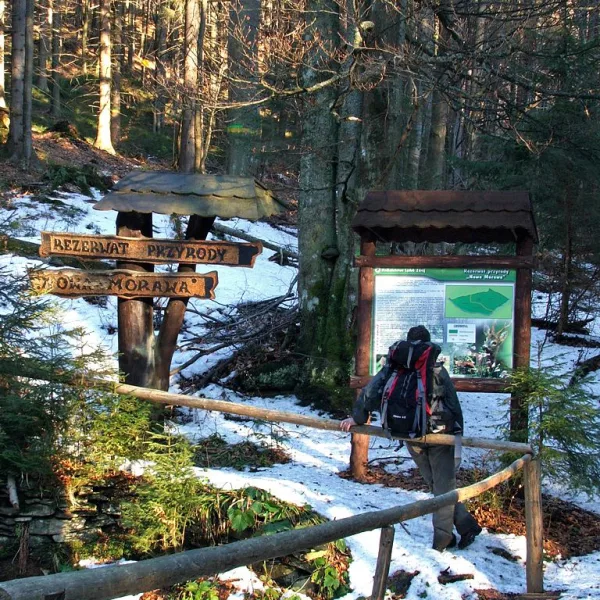
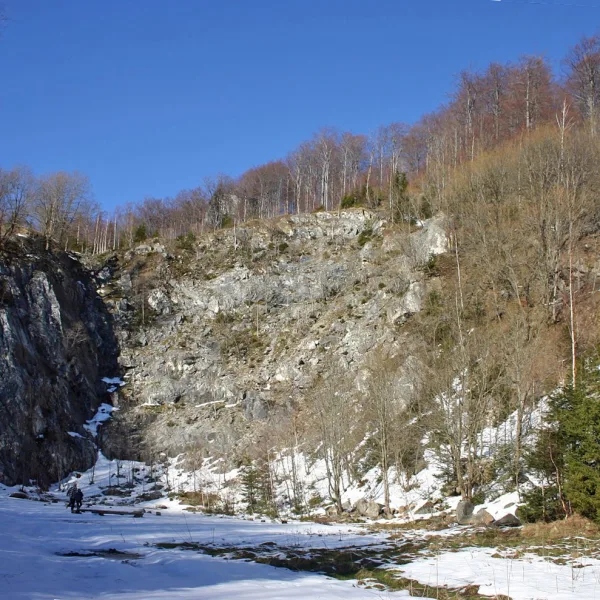
The Bear Cave nature reserve is a geological reserve a few kilometres south of Kletno. It protects the cave formations, karst features and finds of Pleistocene animal bones. Nowa Morawa has 22.16 hectares of old spruce forest, but no marked trails lead there, so treat it as part of the park map rather than a destination. All reserves are also listed on Parks and nature in Stronie Śląskie.
What to do when it rains, and where is the history?
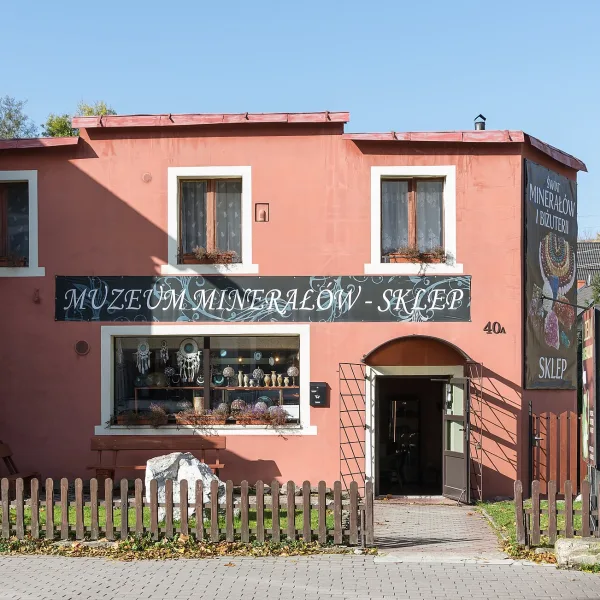
For rainy weather choose the Museum of Stones and Minerals: a private collection of the Kluza family with minerals from around the world and a chess set carved from stone. A shop with jewellery sits next to the museum, so you can take a piece home. The second shelter is the municipal library, with a lending desk, a reading room and free internet on five computers.
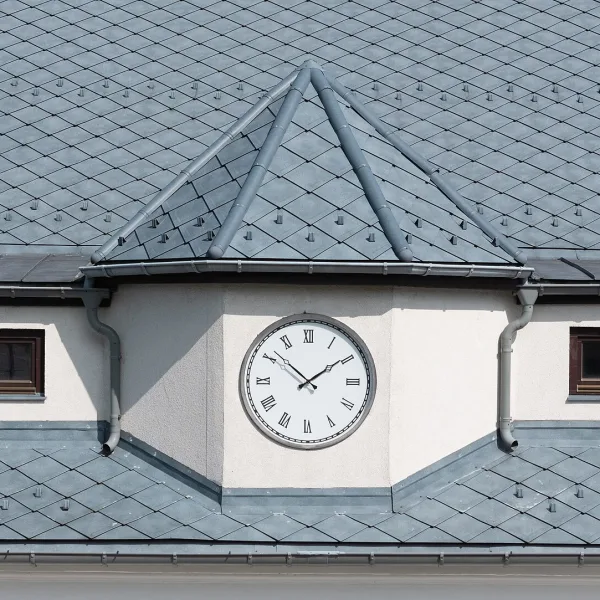
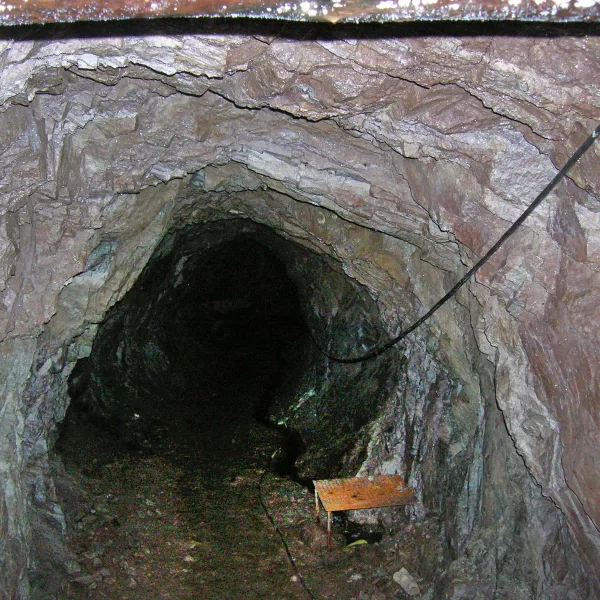
The palace in Stronie Śląskie once belonged to Marianna of Orange, among others, but today it houses the municipal authorities and is not a museum. You can look at it from outside and ask at the town office about going in. The Kopaliny mine is closed, while a separate tourist route runs in the nearby Fluorite Adit. With more days to spare, look at the neighbouring towns: Kłodzko, Lądek-Zdrój and Nowa Ruda lie in the same region.

 Viewpoints