Sobótka attractions centre on Ślęża: summits with trails, a nature reserve, Celtic stone sculptures, a museum and a rope park. Start here.
What to see in Sobótka if you have one day?
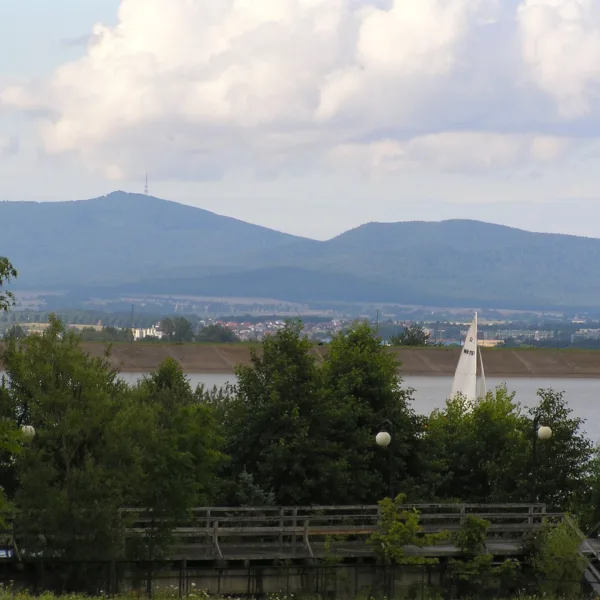
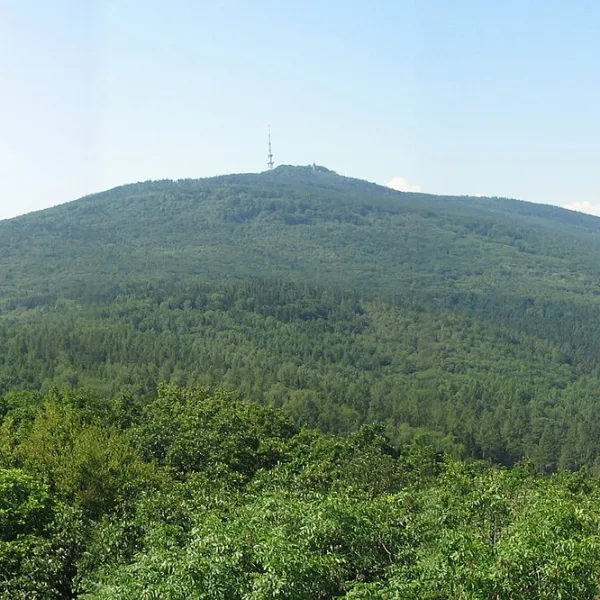
Begin with the mountain that shapes the town. Ślęża stands 717.5 metres high and is the tallest peak of the Sudetic Foreland. Its relative height exceeds 500 metres, so it feels bigger than the numbers suggest. It belongs to the Crown of Polish Mountains and for centuries served as a centre of pagan worship, which stone sculptures still recall. The summit also holds the ruins of a medieval castle, built from the 13th century and destroyed in 1471. Some remains lie under the modern church, and archaeological research in 1998-2006 uncovered fragments of walls.
The summit part of the massif is protected by the Mount Ślęża nature reserve, created in 1954. It covers old deciduous forest and gabbro rocks. The whole area lies within the Ślęża Landscape Park, crossed by five main hiking trails; the black trail circles Ślęża.
How to climb Wieżyca and what will you find there?
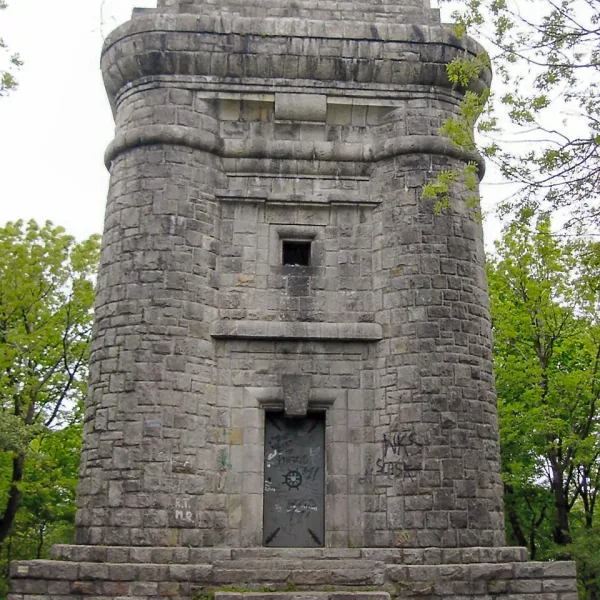
Wieżyca is a 415-metre summit in the short northern arm of the massif. From Sobótka you reach it by the yellow trail. A beech and lime forest covers the north slope, and old twisted oaks grow on the south one. At the top stands the Bismarck Tower: stone, 15 metres tall, built from granite quarried on the spot. The foundation stone was laid in 1906 and the opening took place on 21 June 1907. The idea came from the Wrocław Students' Association and the architect was Wilhelm Kreis. It is one of 172 Bismarck towers surviving worldwide and is open to visitors.
The same yellow trail passes Bartoszek, a 392-metre rise between Ślęża and Wieżyca. Lower Gozdnica, about 317 metres, once called Angel Hill, is a good goal for a shorter walk.
Where to see stone sculptures from before our era?
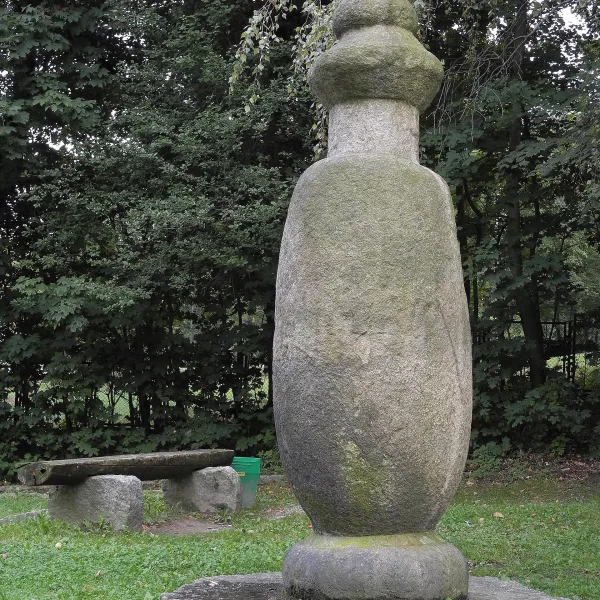
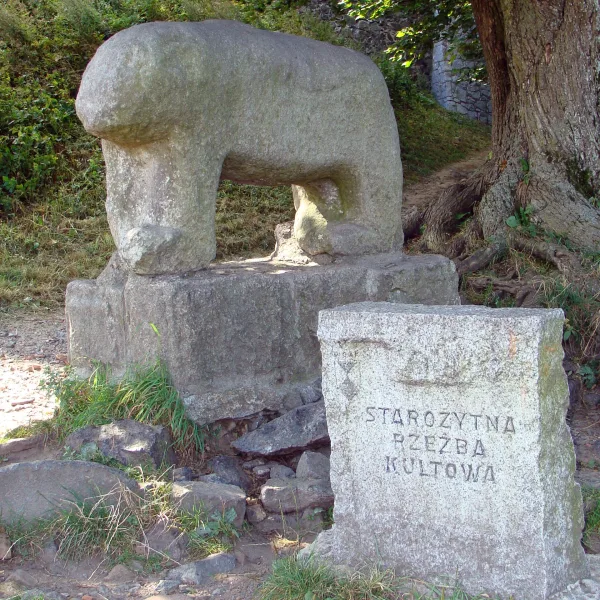
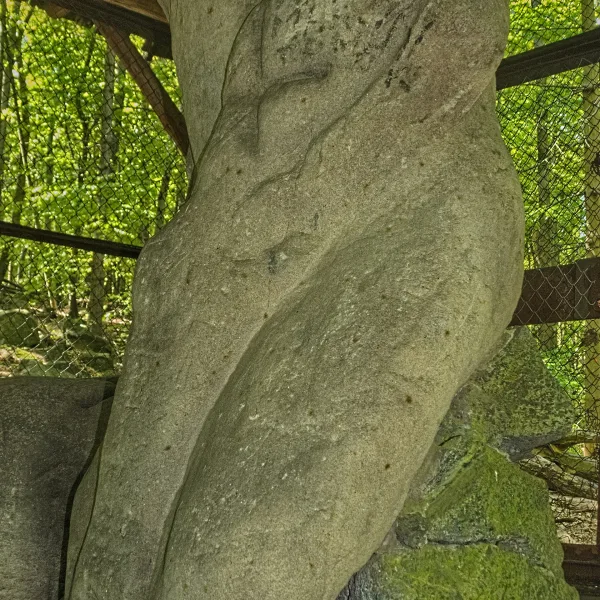
Below the summit of Ślęża, beside the trail, stands the Maiden with a Fish: a Celtic cult statue from the La Tène period, showing a man holding a big fish with both hands. At the very top, under a maple by the church, stands the Bear, a stone animal sculpture moved there in 1903. In Sobótka itself, at the foot of the mountain, you will find the Monk, also called the Skittle, 2.5 to 2.7 metres tall and entered in the register of archaeological monuments. More about the sculptures is on the page about monuments in Sobótka.
What to visit in Sobótka itself?
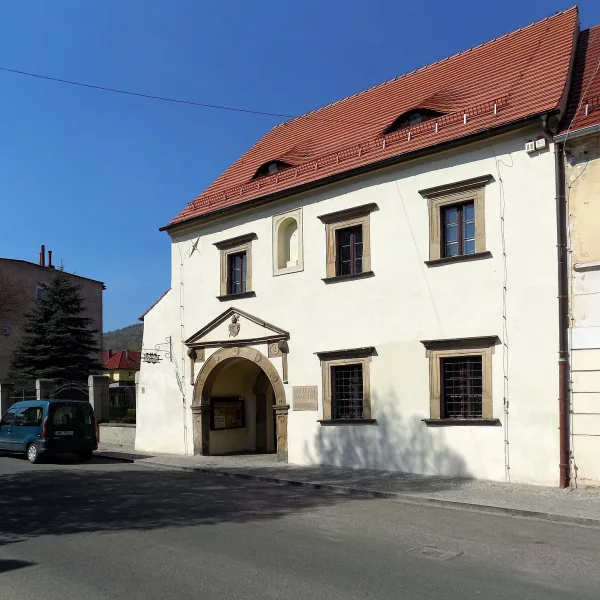
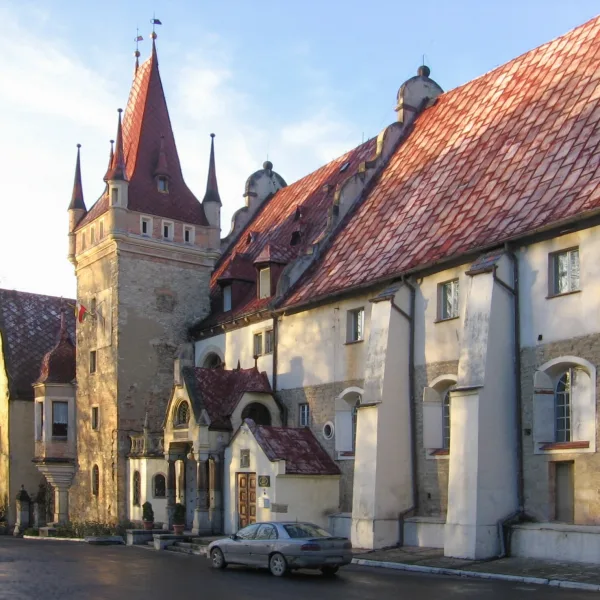
The Ślęża Museum sits in the Abbot's House of 1568 and tells the story of Ślęża's history and nature. It has worked since 1962, and its tradition reaches back to the Heimatmuseum founded in 1926. In Sobótka-Górka stands the palace, a former monastery of canons regular from the 13th century, now closed and under renovation since 2013. The Church of the Sacred Heart of Jesus there was built in 1932-1933 to a design by Kurt Langer and has late Baroque furnishings from the former Augustinian church. The Baroque palace in Tworzyjanów, rebuilt around 1884, has a 4-hectare park with a pond.
Where to go with children, or when it rains?
Wieżyca Rope Park has four routes: a spider web for children aged 3 to 13, a children's route from 130 cm height, and medium and hard routes from 150 cm. Trained instructors watch over safety. When it rains, shelter in the museum or in the library of the Regional Centre of Slavic Culture at 25 Chopina Street, which also runs a cinema and a theatre stage. Looking for views, nature or free places? See mountains, historic sites or free places.
Frequently asked questions
What is the highest mountain near Sobótka?
Ślęża, which stands 717.5 metres high and is the tallest peak of the Sudetic Foreland. It belongs to the Crown of Polish Mountains.
Can you walk to Wieżyca from Sobótka?
Yes, the yellow trail leads there and continues through Bartoszek and Ślęża towards Świdnica.
What can you see in Sobótka on a rainy day?
The Ślęża Museum in the Abbot's House and the library in the Regional Centre of Slavic Culture. Both carry the rainy day tag.
Is climbing the peaks free?
Ślęża, Wieżyca and the Bismarck Tower carry the free tag on this site. Check the rules at each place before you set out.

 Mountains