Glogow attractions: the dukes' castle on the Oder, Cathedral Island, a swimming complex and play rooms. See what to visit and who to bring.
Glogow sits on the Oder, and the river organises everything worth seeing. On one bank you have the Old Town with its castle and town hall, on the other Ostrów Tumski (the Cathedral Island), and further away the churches and children's play centres of the housing estates. Below, we group them into a few simple routes.
Where should you start in Glogow?
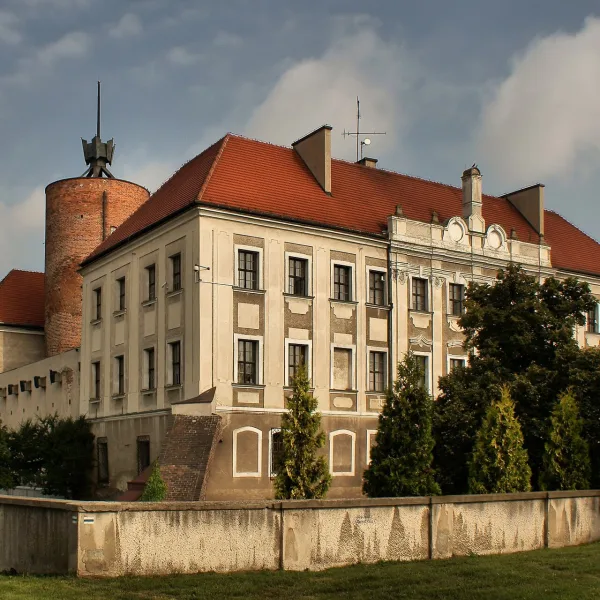
Start by the river at the Castle of the Dukes of Głogów on Brama Brzostowska Street. It was built in the second half of the 13th century as the seat of the Duchy of Głogów and now houses the Archaeological and Historical Museum. From the castle, cross the Tolerance Bridge to the Cathedral Island.
The castle was founded by Duke Konrad I of Głogów. It began as a brick tower with timber buildings guarding a ford across the Oder. From 1498 to 1506 the young prince Sigismund, later King Sigismund I the Old, lived here.
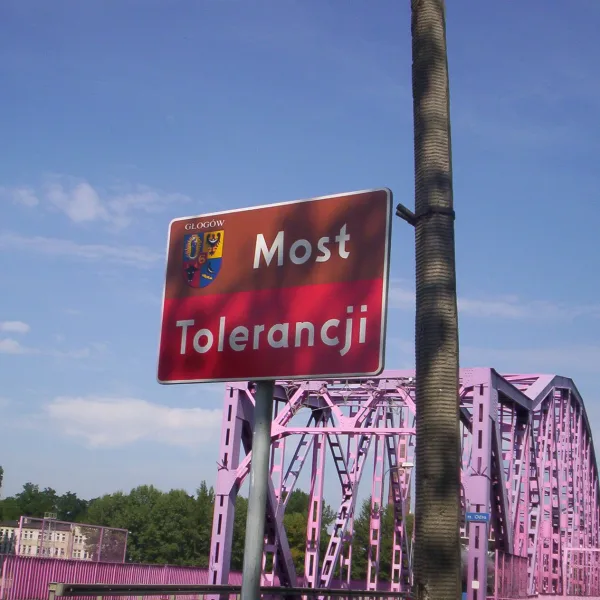
The Tolerance Bridge dates from 1917 and links Brama Brzostowska Street in the Old Town with Kamienna Droga on the island. Until 2005 it was unofficially called the Pink Bridge. The walk over the Oder is short and takes you from one historic part of the city to the other.
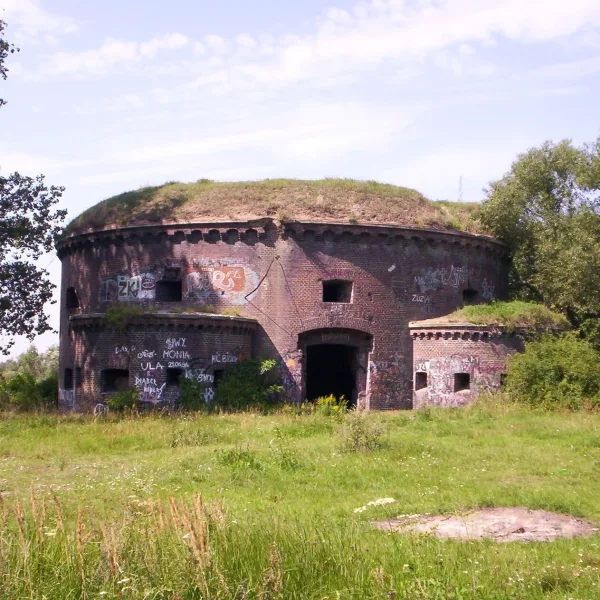
On the island, west of the collegiate church, stands the Turm Reduit, popularly called the barbican. Prussian troops built this round brick tower in 1857-1860 at the meeting point of the Old Oder and the Oder. In 1945 it held heavy anti-aircraft guns and served as a field hospital.
What can you visit in Glogow when it rains?
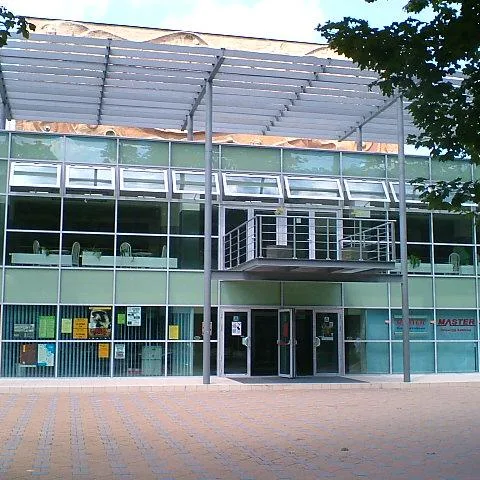
On wet days the best options are the castle museum and the Municipal Cultural Centre. It is the largest cultural venue in town, active since 1977, with a concert hall, the Club Concert Stage and the Creative Education Gallery. The centre also houses the Andreas Gryphius Theatre with its own stage.
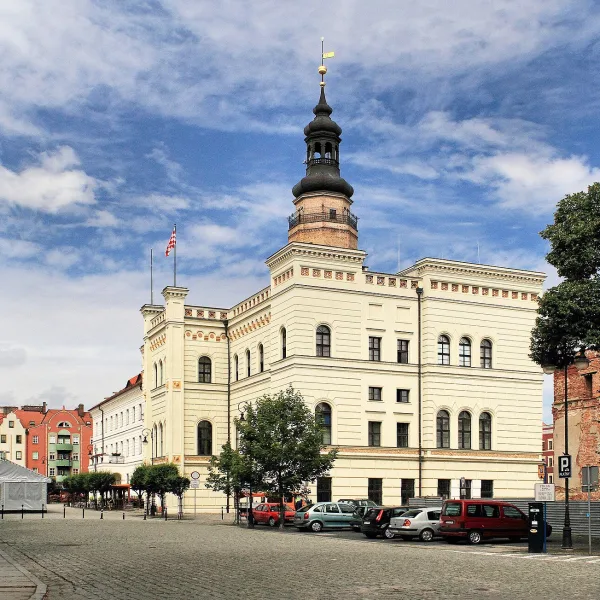
The town hall on the market square has an 80-metre tower with a viewing terrace. The present building is the result of several reconstructions and a long rebuilding after the Second World War. Check access to the terrace before you go.
Book lovers can visit the Gallus Anonymus Municipal Public Library, which runs the Retroteka branch of archive materials. Football fans will find the Chrobry Museum in the club building on Wita Stwosza Street.
To warm up afterwards, try the Chrobry swimming pool on Rudnowska Street. The indoor part has a sports pool, a leisure pool with slides, geysers and a lazy river, a paddling pool, two jacuzzis and a sauna zone. In summer the outdoor pools open.
Where can you go with children in Glogow?
The handiest choice is O.K. PARK on Bolesława Śmiałego Street. Under one roof you get an ice rink in a tent, the Paradise for Children play zone and a bowling alley with a bistro. The rink is seasonal, from mid-November to the end of February, and the rental shop has figure and hockey skates.
The play zone has ball-pit mazes, slides, inflatable structures and building blocks in air-conditioned space. Older kids will like Sigma Park on Wierzbowa Street, with an automatic climbing wall, an obstacle course, trampolines and a ball pit. Check opening hours on its social media.
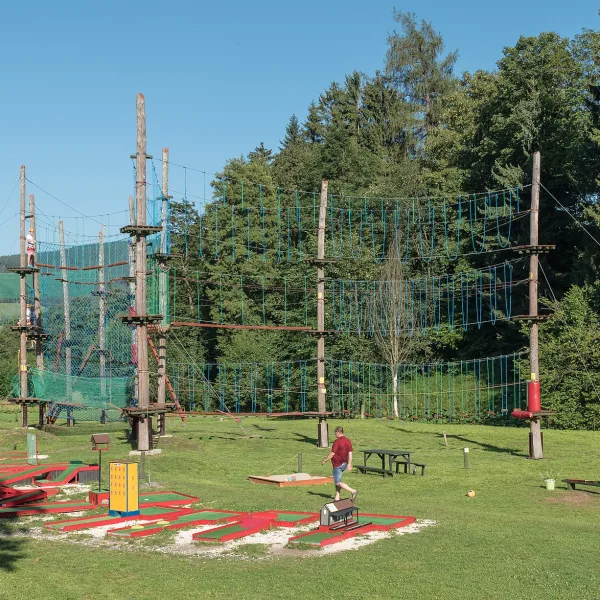
The rope park offers a low course for children aged 4-10 and a high one for older visitors. It is being modernised at the moment, so check whether it is open before you travel. Beginner cyclists can practise in the road-safety zone in the Forest Park, the largest green area in the city.
A trip outside town also pays off. In Ruszowice near Głogów you will find the Jump Planet trampoline park and the Xtreme KiDS play room, and in Wojszyn a small rope park without safety nets. Teenagers can try paintball in Serby. For more ideas see the attractions for children category.
How should you visit the memorials and places of remembrance?
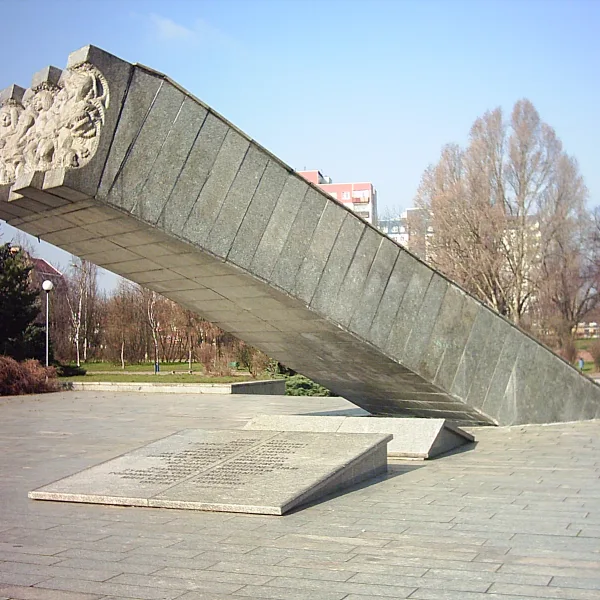
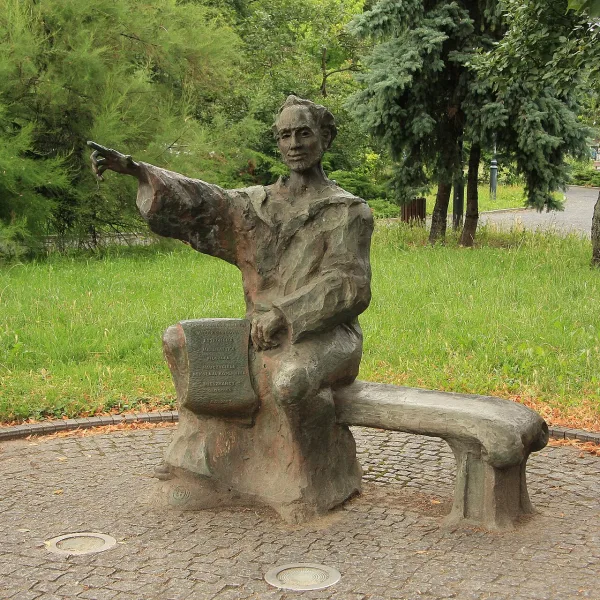
The best-known is the Monument to the Children of Głogów on John Paul II Square, right next to the castle. The idea arose in 1966 and residents paid for it through public donations. It is a place of remembrance, so visit quietly.
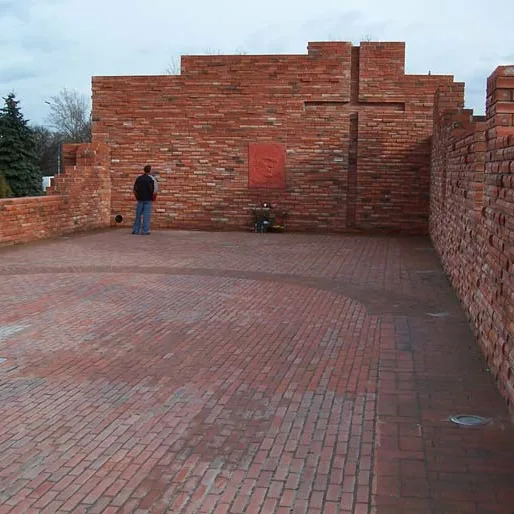
On the same square stands the Library of the Holy Pilgrim. Despite the name it is not a building with books but a monument to Pope John Paul II and a lapidary, placed where St Peter's church once stood. There you can see the exposed foundations of a Romanesque basilica from the end of the 12th century, demolished in the late 19th century.
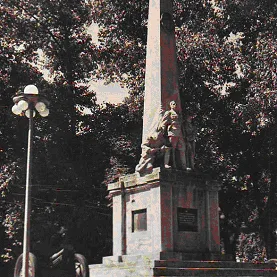
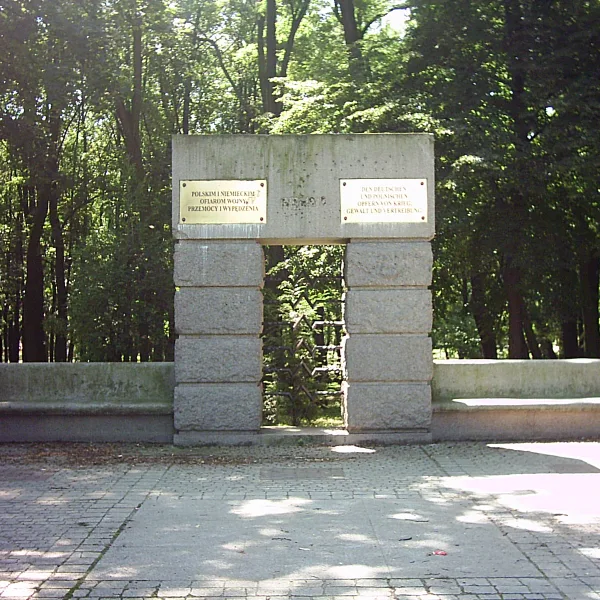
On Słowiański Square stands the Anti-Hitler Coalition Monument, commemorating Soviet soldiers killed in the fighting for the city in 1945. In the Forest Park you will find a granite Monument to the Victims of War, dedicated to Polish and German victims of war, violence and expulsion. Nothing remains of the Jewish cemetery on Sienkiewicza Street, where a school stands now. More such sites are listed in the cemeteries and monuments category.
Which churches and palaces near Glogow are worth seeing?
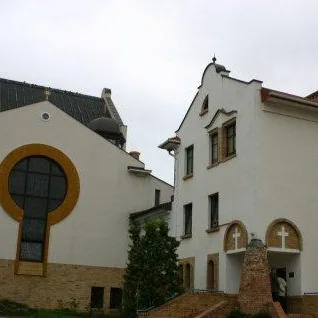
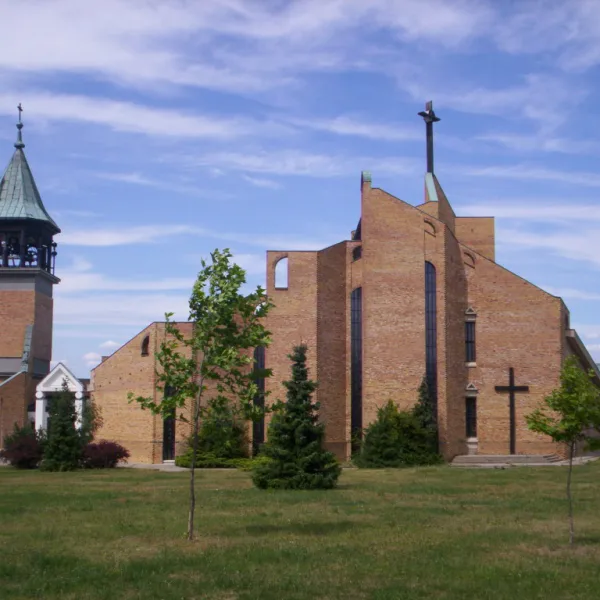
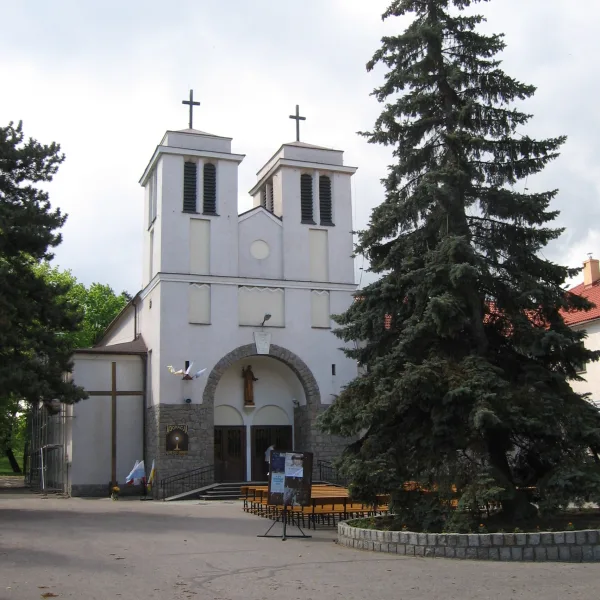
The oldest church trace is the St Peter foundation mentioned above, but the active churches are mostly newer. St Clement's Church on Sikorskiego Street was built in 1928 for the Redemptorists, burned down in 1945 and was rebuilt by 1950. The church of Our Lady Queen of Poland, built in 1981-1987, grew from the initiative of the copper-mining community.
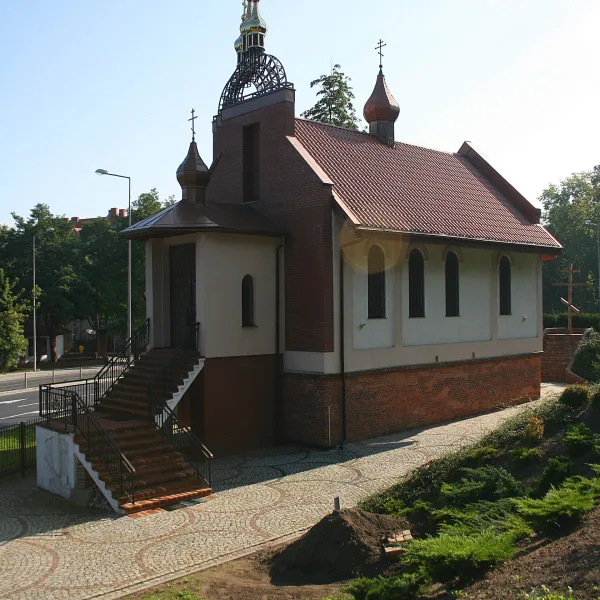
A different kind of stop is the Orthodox church of St Maximus of Gorlice, built in 2001-2007 on the site of a former German bunker, with five domes and frescoes from 2010. The Divine Mercy church on the Piastów Śląskich estate is one of the largest buildings in the city. All of them are collected in the churches and monasteries category.
In Głogów county you can find historic residences. The Renaissance palace in Czerna from the 16th century is listed together with its park, manor house and granary. The 18th-century palace complex in Droglowice has a landscape park and a granary. For routes elsewhere in the region, start with the pages for Lubin and Legnica.
Frequently asked questions
What should you see in Glogow in one day?
Start with the castle and museum, cross the Tolerance Bridge to the Cathedral Island and the Turm Reduit, then return to the town hall and John Paul II Square with the monument and lapidary. In the afternoon add the swimming pool or O.K. PARK.
What can you do with children in Glogow in winter?
O.K. PARK has a tent ice rink from mid-November to the end of February, plus a play zone and bowling all year. You can also visit Sigma Park and the pool with its slides.
Is the Castle of the Dukes of Głogów a museum?
Yes. It houses the Archaeological and Historical Museum. Do not confuse it with the Chrobry Museum, which is in the club building on Wita Stwosza Street and covers only the history of the football club.
Is the Library of the Holy Pilgrim a real library?
No. It is a monument to Pope John Paul II with a lapidary on John Paul II Square and has no book collection. Ordinary libraries and their branches are listed in the culture category.

 Places with character