Lwowek Slaski attractions: a square with a town hall and fountains, medieval towers, a beer museum and sandstone rocks above the Bóbr.
Lwówek Śląski works in two rounds: first a compact, walkable centre with a medieval street plan, then short trips to rocks, a castle and a palace on the edge of town. This page covers both and ends with what lies further out in the county.
What should you see first in Lwowek Slaski?
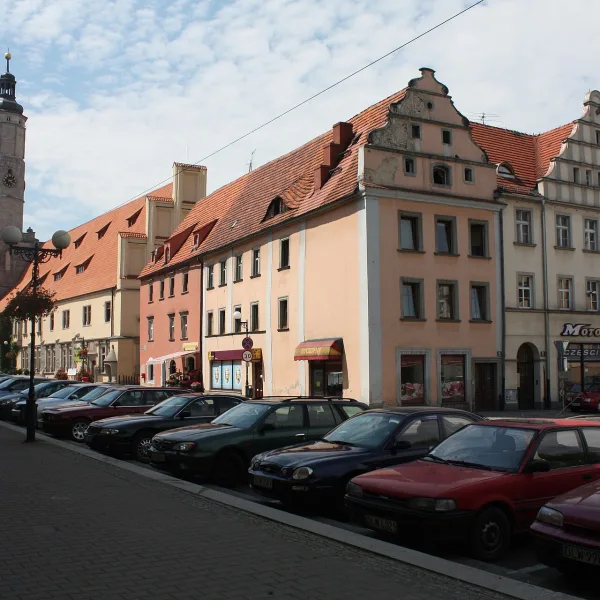
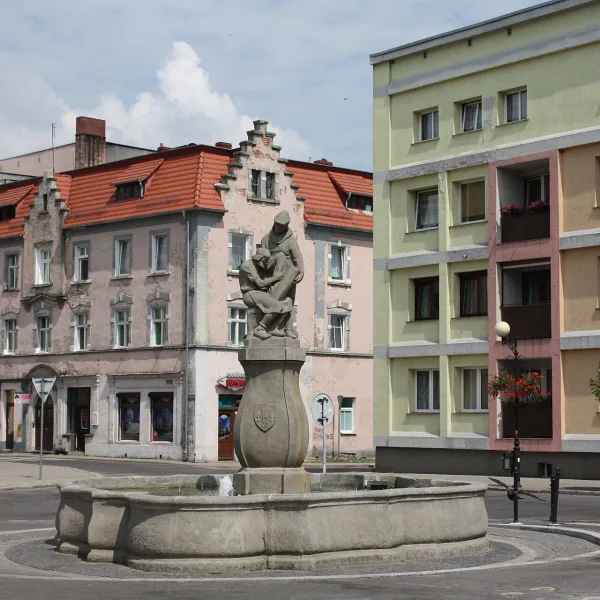
Start at the market square, the heart of the town since the 13th century. Officially it is now Freedom Square, though locals still say "rynek". From here the town hall, three fountains, towers and the brewery museum are all within a short walk.
The square is a tapering rectangle of about 200 by 60 metres and one of the largest in Lower Silesia. The King's Road, or Via Regia, the main medieval trade route, ran straight through it. Before the war the square was split into the Upper Market near the town hall tower and the Lower Market by the Clothiers' Fountain, a division that survives only informally.
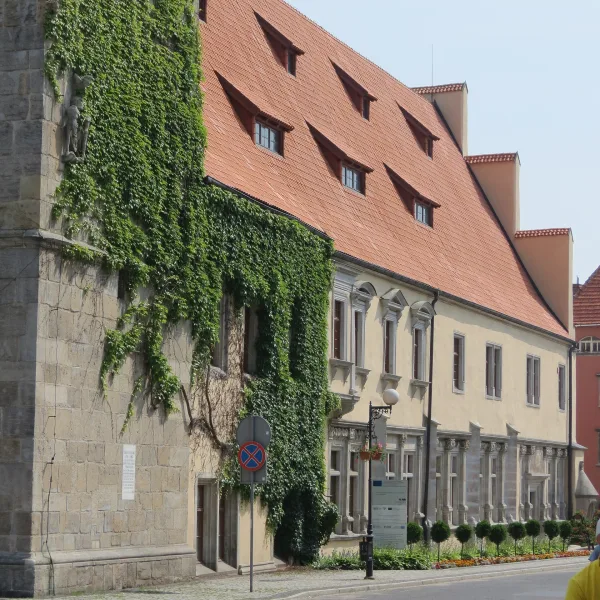
The town hall is one of the oldest of its kind in Lower Silesia and a first-class monument. Its Gothic-Renaissance shape dates from 1522-1524, and in 1902-1905 the architect Hans Poelzig extended its trading arcades. Today it houses the town authorities, a library and a historical museum.
What is special about the fountains on the square?
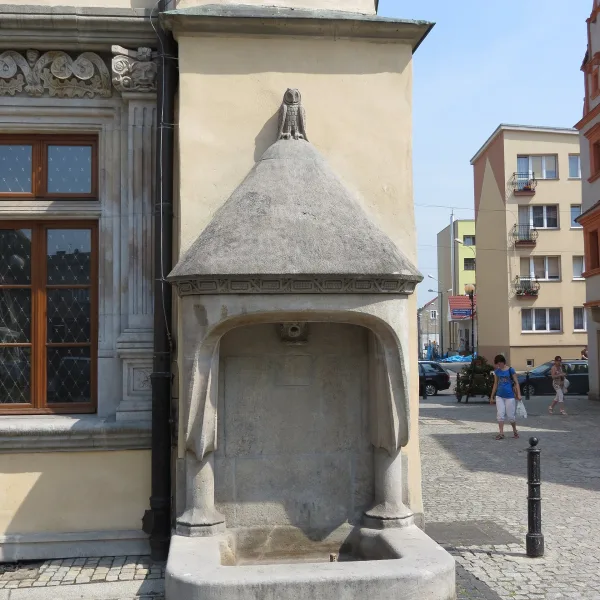
Three fountains stand on the square, each different. The Clothiers' Fountain is the oldest and grandest, while the Owl Fountain is the youngest and smallest.
The first was made from an old town well, rebuilt in the 18th century by the Wrocław architect Paul Schulz. A director of the Norddeutscher Lloyd shipping line in Bremen paid for the work, and the fountain carries a monument to the clothiers. The second stands at the south-eastern corner of the town hall. It is sandstone, with an oval canopy and a sculpture of an owl, designed by the same Hans Poelzig who reworked the town hall.
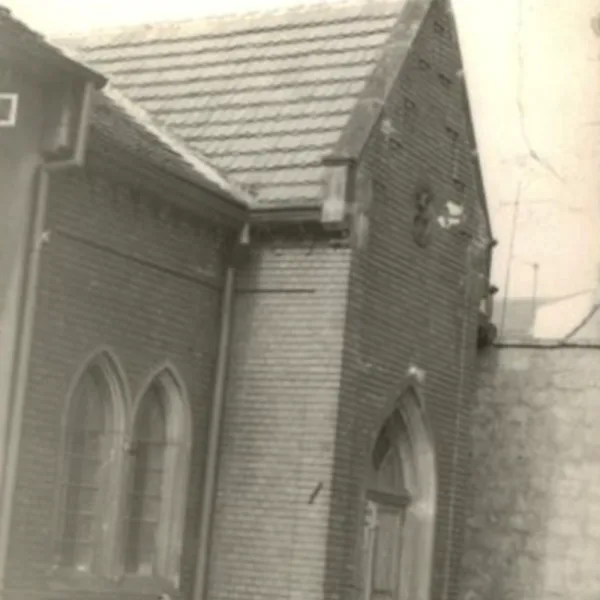
Walk all the way around the square and you will also pass a neo-Gothic former Protestant chapel, now the Betania Pentecostal church, one of the oldest in Poland. Check access to interiors in advance, as each site keeps its own hours.
How do you explore the towers and city walls?
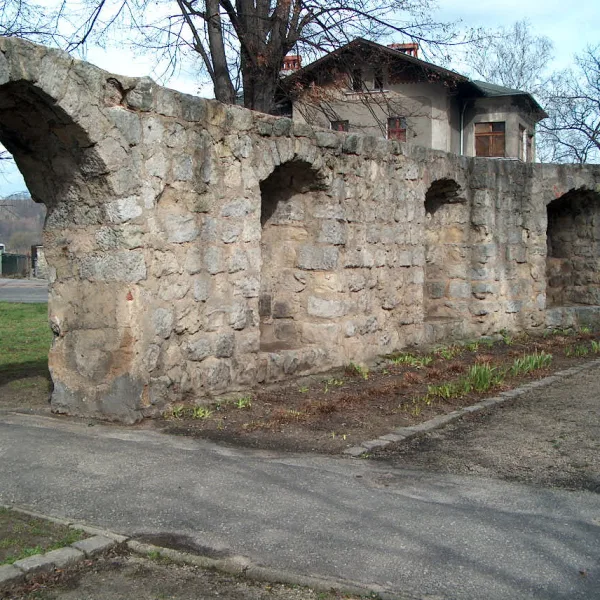
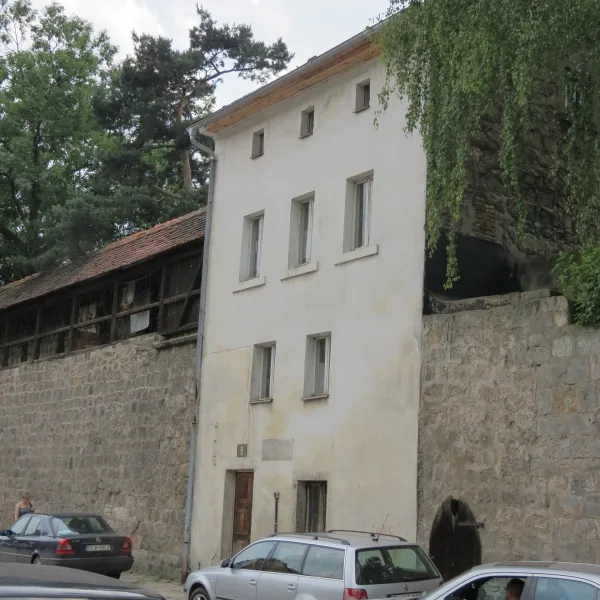
From the square, head toward the fortifications. The Lubań Gate Tower, from the 13th century, is the tallest surviving defensive tower and was once one of three guarding the gates. A few dozen metres away stands the Łupinowa Tower, part of the inner ring of walls built before 1261 and now being renovated. They are two different towers, so do not confuse them.
The third stop is the Archonatti Bastion, a Renaissance bastion from the mid-16th century designed by Hieronymus Archonatti the Elder of Milan. It is only about three metres high today because part of it was buried, but its length and wall thickness give a sense of the old defences.
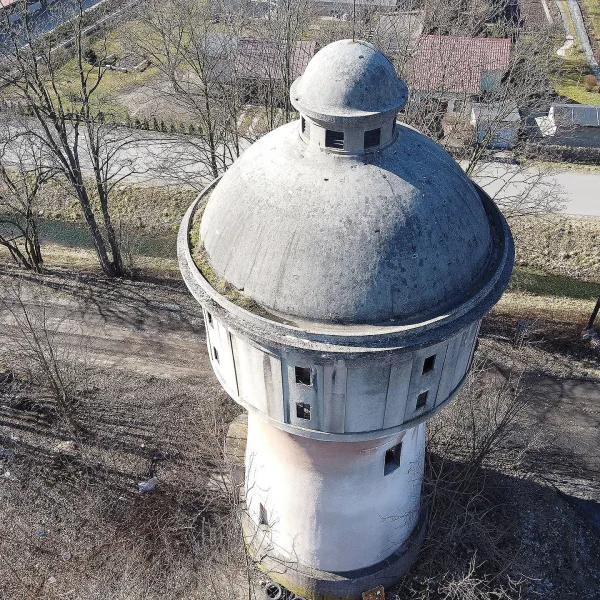
For something different, two water towers stand on Towarowa Street by the former railway station: a brick one from the 19th century with a working pump inside, and a younger reinforced-concrete one. On Kamienna Street look at the Lwówek Little Castle, a neo-Gothic villa from 1880 built to resemble a fortress.
What can you do in Lwowek Slaski in the rain or with children?
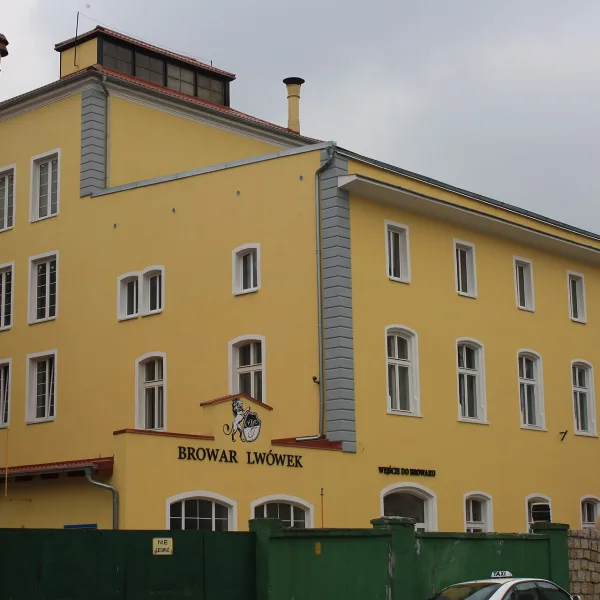
Go underground at the Lower Silesian Brewing Museum, set in the cellars of the brewery on Traugutta Street, in a neo-Renaissance former malthouse from the late 19th century. The collection covers the history of beer in the town and across Lower Silesia: bottles from several dozen breweries, tankards, labels, signs, crates, a beer cooler from 1905 and a barrel made by Krupp. The route also passes through the production department.
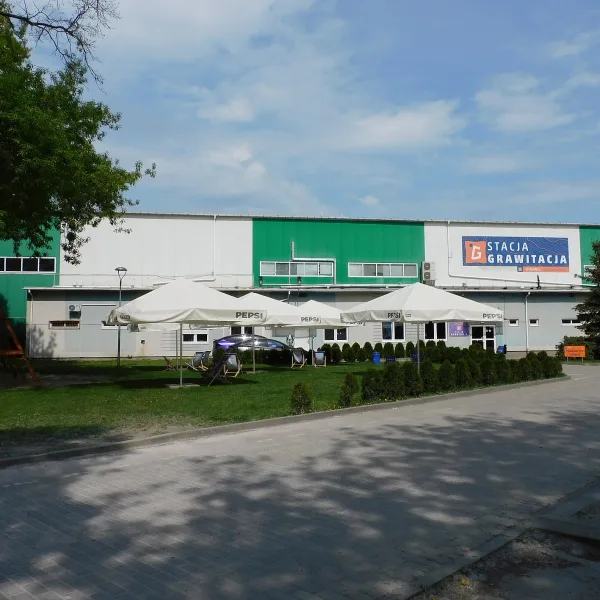
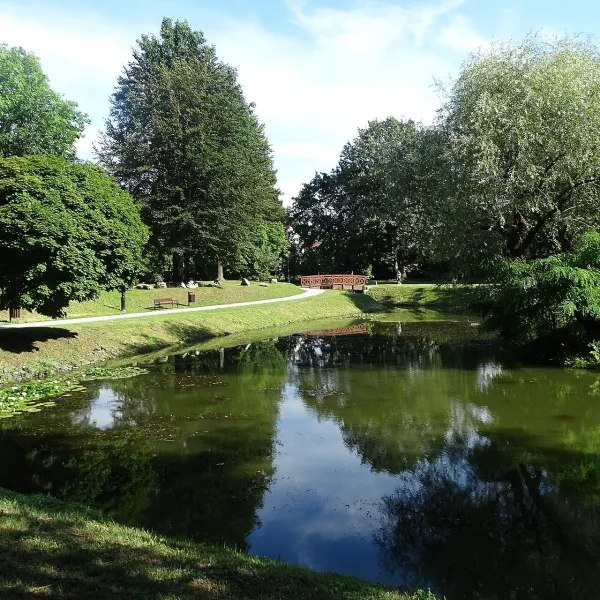
Children have the Grawitacja play room, built on three levels with trampolines, slides and a ball pit. It is on the first floor of a building shared with a banquet hall. When the sun is out, try the English-style City Park, revitalised in 2019.
Where are the rocks, castles and ruins near Lwowek Slaski?
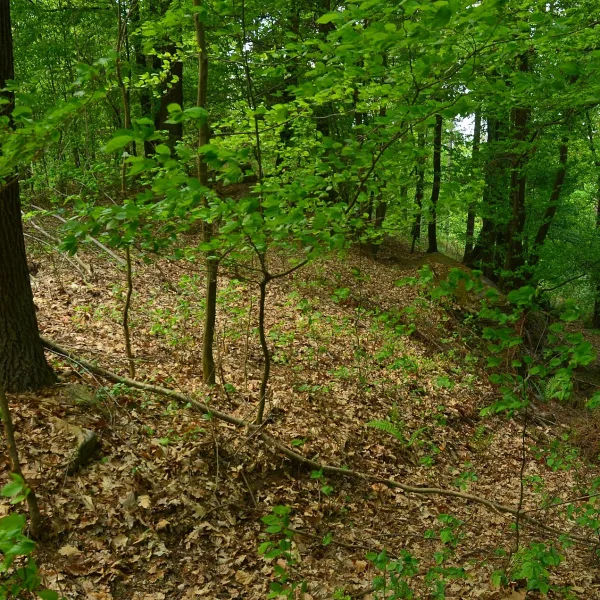
The shortest trip out of town leads to Szwajcaria Lwówecka, sandstone rocks southeast of the centre inside the Bóbr Valley Landscape Park. It is the tallest natural sandstone formation in the Sudetes outside the Table Mountains, with cracks and cliffs up to 30 metres high. Entry is free and it fits easily into a short stop.
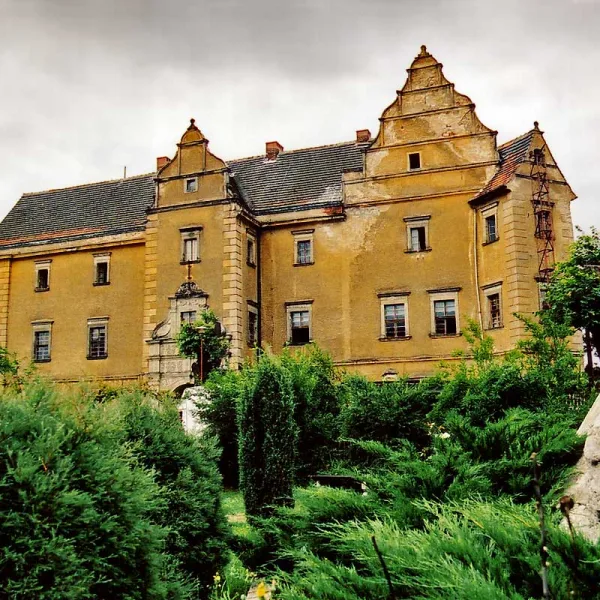
In Płakowice, part of Lwówek, stands the Renaissance castle from the 16th century, one of the largest defensive buildings of its kind in Silesia, still under renovation. On Wietrznik hill rises a baroque palace from 1745, largely a ruin today. On Skałka hill you can make out faint earthworks left by a Lusatian culture settlement.
The wider county offers plenty for half a day. Wleń has the ruins of the oldest masonry castle in Poland, and the Pilchowice Dam on the Bóbr is the tallest stone arch dam in the country. In Lubomierz you can see the Kargul and Pawlak Museum with props from the comedy "Sami swoi". A bigger town nearby is Jelenia Góra, and the full list is in the historic sites category.
Frequently asked questions
What can you see in Lwowek Slaski in a few hours?
The square with its town hall and three fountains, then the Lubań Gate Tower and Archonatti Bastion, and finally the Brewing Museum in the brewery cellars. With more time, add Szwajcaria Lwówecka.
Can you visit a brewery in Lwowek Slaski?
The Lower Silesian Brewing Museum operates in the cellars of the brewery. The visit covers the cellar exhibition and the production department. Check the museum's own website for entry times.
Is Szwajcaria Lwówecka the same as Saxon Switzerland?
No. The name refers to similar rocks in Saxon Switzerland in Germany, while the Lwówek formations lie in the Bóbr Valley Landscape Park. They are also called the Lwówek Rocks.
Are there memorials and cemeteries in Lwowek Slaski?
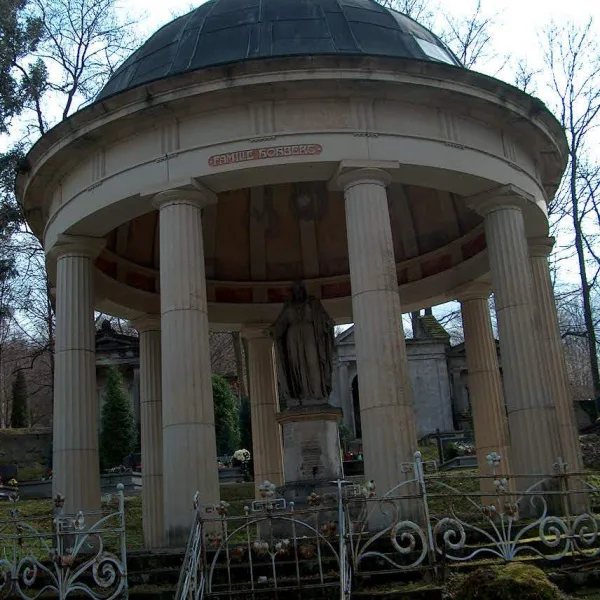
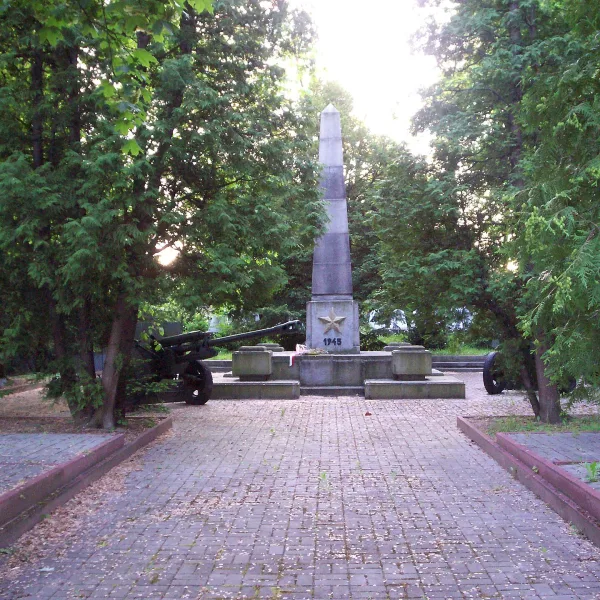
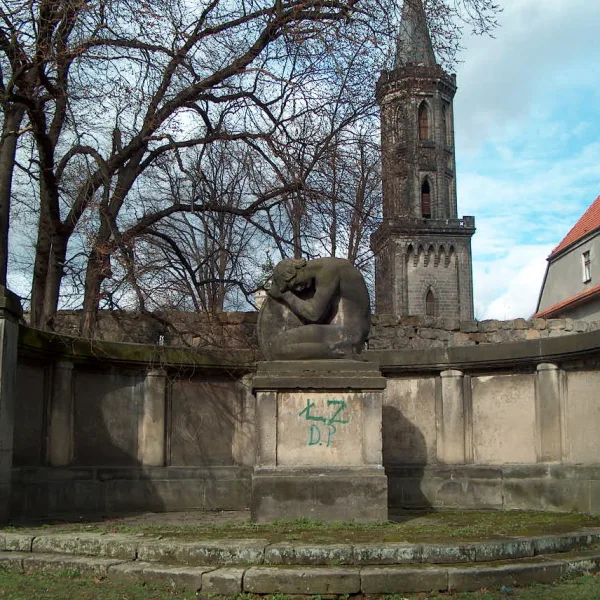
Yes: the Hochberg Mausoleum in the municipal cemetery, the Soviet Soldiers Cemetery on Staszica Street and the First World War monument on the town promenade. The former Jewish cemetery lies in the southern part of the city park. Please visit them quietly and with respect.

 Parks and nature