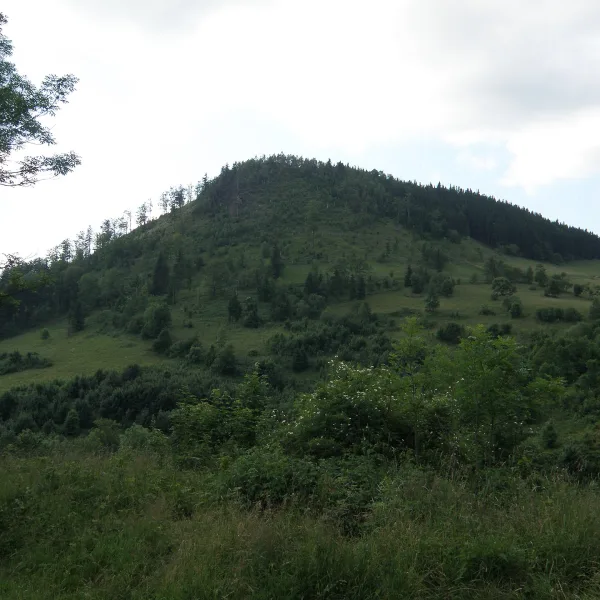
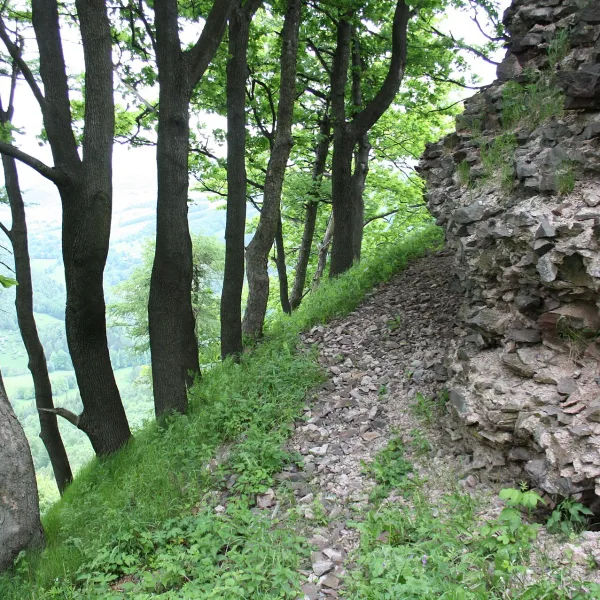
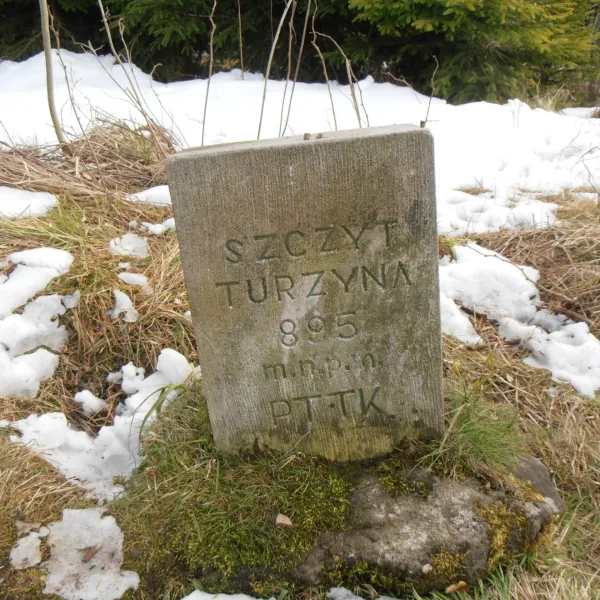
Nature in Grzmiąca means volcanic rocks of the Suche Mountains, Karkonosze granite on Jeleniec and forests in the Wałbrzych Sudetes Landscape Park.
What rocks build the mountains near Grzmiąca?
This is terrain with interesting geology. Waligóra is built of Permian quartz porphyry belonging to the northern wing of an intermontane basin. Rogowiec, together with the neighbouring Skalne Bramy rocks, as well as Gomólnik and Warzecha, are Permian melaphyre, or trachybasalt. The exception is Jeleniec: its Karkonosze granite lies in the western part of the Karkonosze Foothills, within the Stone Mountains. Waligóra has an elongated ridge running north to south, falling gently on the southern side and much more steeply to the north and east. You can also see volcanic rock as small rock formations on the western slopes of Warzecha.
What forest grows on the slopes?
The slopes of Waligóra are covered with mixed beech and spruce forest, while Gomólnik, Gomólnik Mały and Warzecha carry spruce forest typical of the lower montane zone. Rogowiec has a conical, rocky character, steep slopes cut by small but deep valleys and old landslides on the eastern side. Gomólnik Mały, once called Schindelberg, has the same melaphyre structure as Gomólnik, which bore the same German name. Both hills lie in the middle of the Suche Mountains range, west of Głuszyca.
Where is the landscape park and how do you enter the wild?
Gomólnik Mały, Gomólnik and Warzecha lie within the Wałbrzych Sudetes Landscape Park. On the north-eastern slope of Gomólnik Mały (807 m according to Wikipedia) stands a viewpoint opened in 2023. The descriptions give no routes to these hills, so check the trail and marking before you set out. Walking and cycling trails lead up Waligóra, and red, blue and yellow trails lead up Rogowiec.
All the hills are described under mountains in Grzmiąca, and if you look for views, see beautiful views in Grzmiąca. The full town overview is attractions in Grzmiąca, and nature from across the region sits under nature.

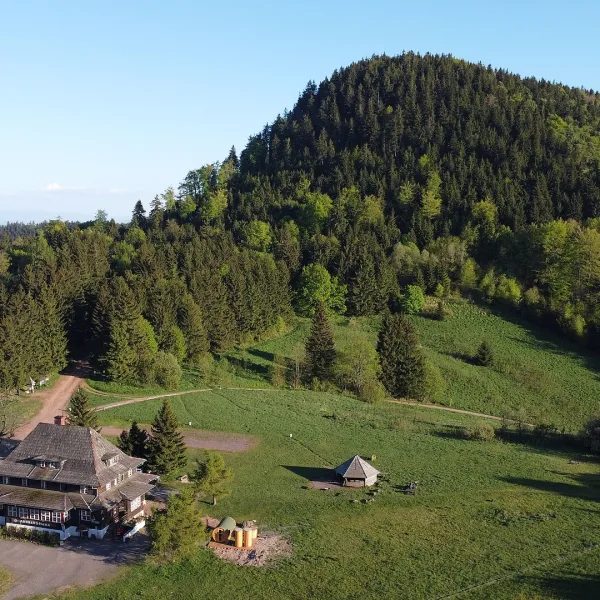 Mountains