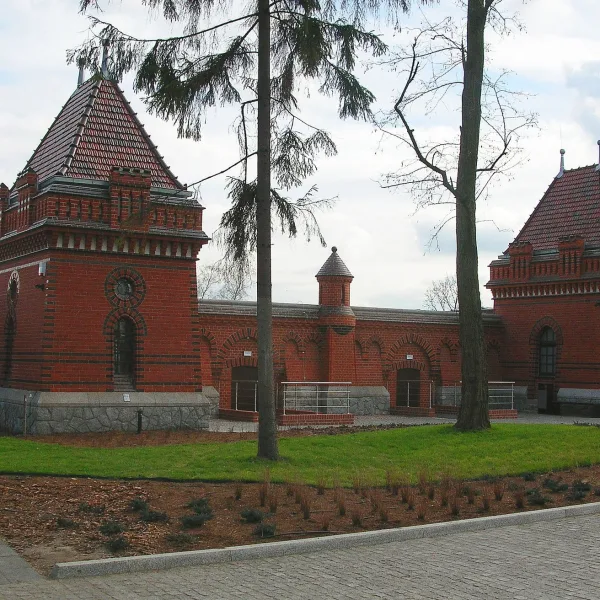
an education centre about water in a former underground reservoir of the waterworks from the late 19th century
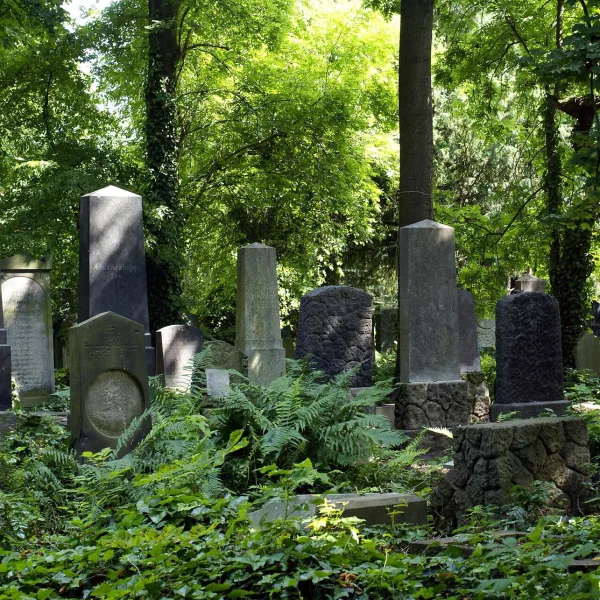
one of the oldest Jewish necropolises in Poland, about 12,000 gravestones with bullet marks
a listed water tower with a viewing gallery at a height of 42 metres and a view towards Ślęża and the Karkonosze
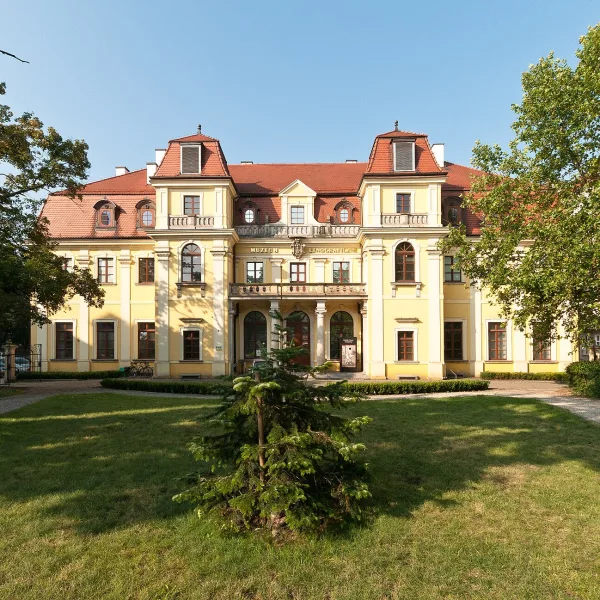
folk art of Lower Silesia in the former Summer Palace of the Bishops of Wrocław
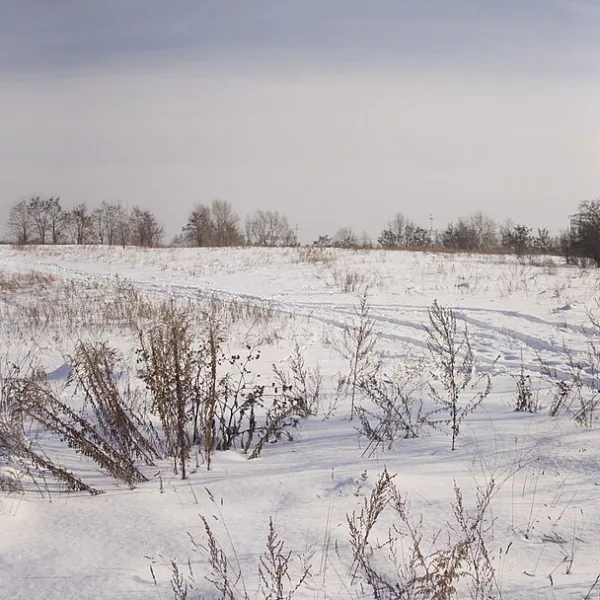
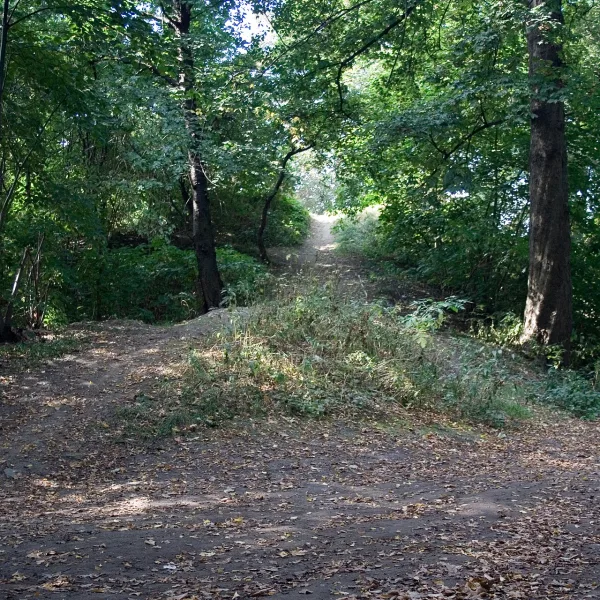
an artificial hill made of postwar rubble, the second-highest point of terrain in Wrocław
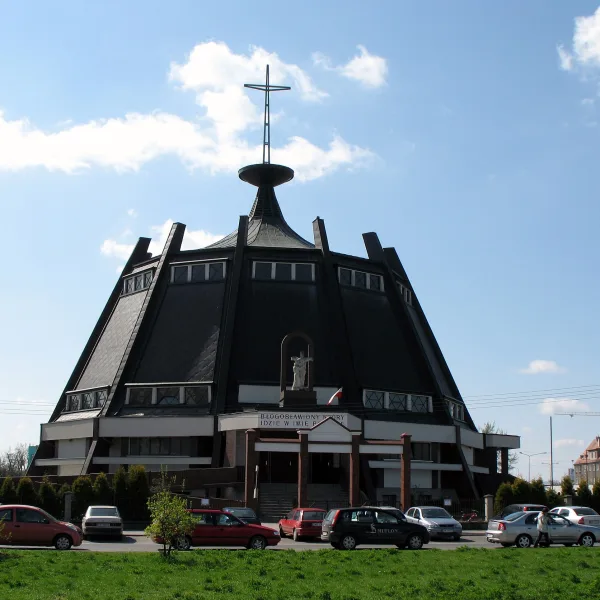
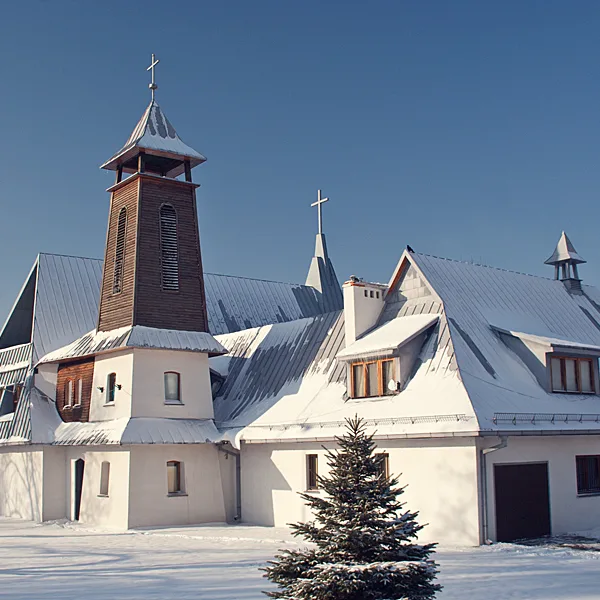
a modern, two-level parish church in Tarnogaj, whose parish also covers the Gaj and Huby districts
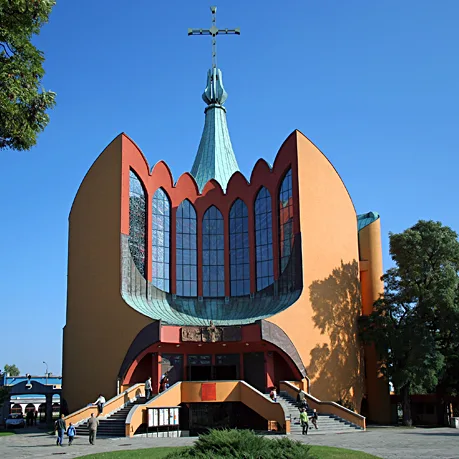
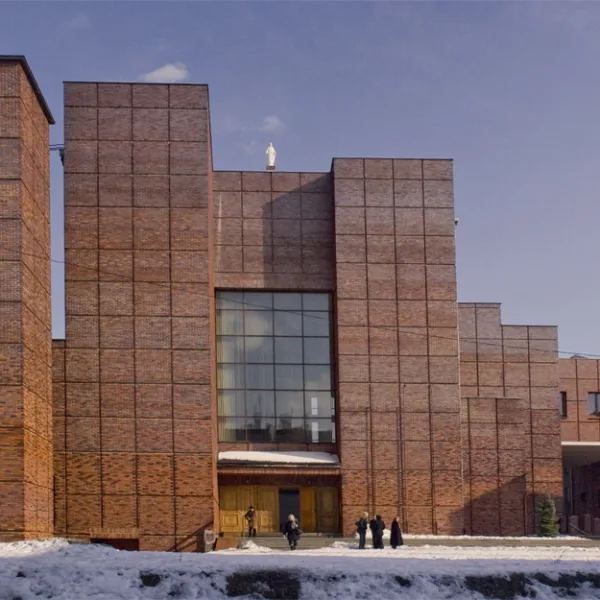
a two-level Jesuit church built between 1979 and 1990, whose cornerstone was blessed by John Paul II
a Roman Catholic parish church in the Gaj estate, built in the 1980s and 1990s
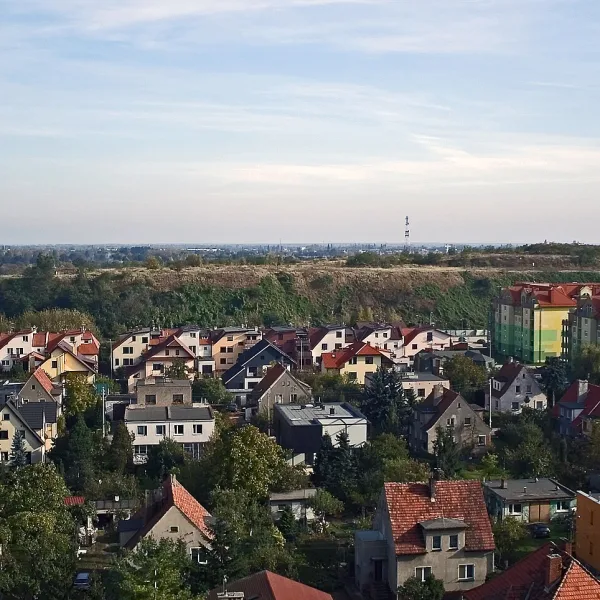
an artificially heaped-up hill 133 m above sea level in the Tarnogaj estate, with a view over the area
one of two such institutions in Poland, with historic postal vehicles and old telegraph apparatus
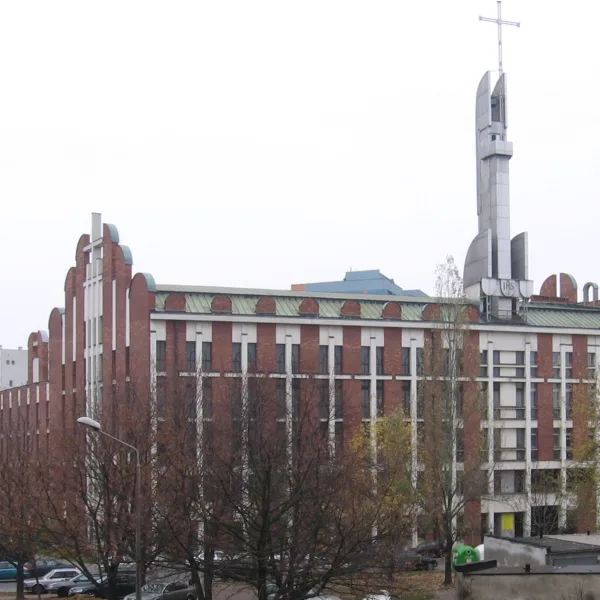
a two-level church from the 1980s on the site of a pre-war Evangelical chapel
works by staff and students of the Academy of Fine Arts since 1954, divided into painting, sculpture, printmaking, glass and ceramics
mound piled from rubble of buildings destroyed during the siege of the city, over 138 metres high
an artificial hill piled up from the rubble of post-war Wrocław, today overgrown with vegetation by the Oława river
a church in Tarnogaj built around a post-war barrack, once a POW camp hut, then a Soviet stable
a mound raised from surplus earth during the construction of a railway ring line, today a trace of a former sledging hill
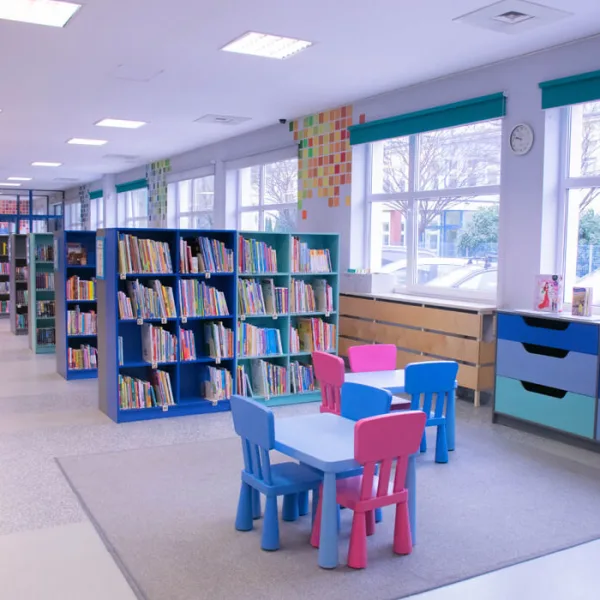
a neighbourhood library in Ołtaszyn with audiobooks, foreign-language literature and lessons for preschoolers
a family library in Huby with activities for babies, children, and a discussion club
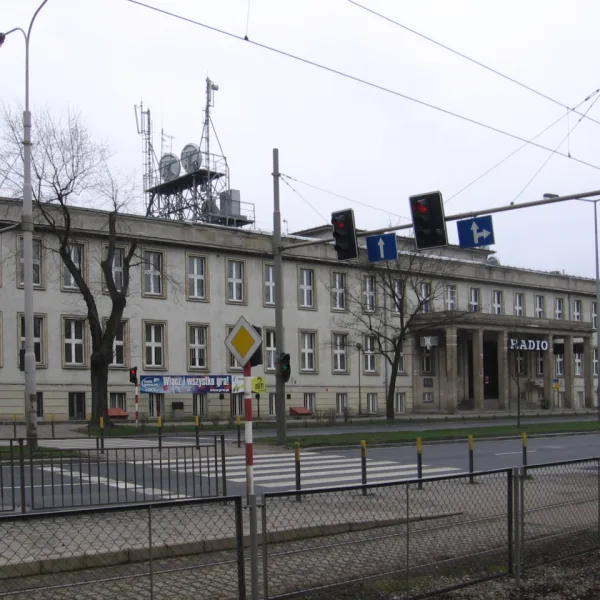
about three hundred exhibits of radio technology, including an analogue Studer A80 tape recorder used for radio drama
a library in Borek with a mezzanine for comic book readers, in a school building next to Park Południowy
a library in Krzyki with a monthly puppet theatre running since 2000
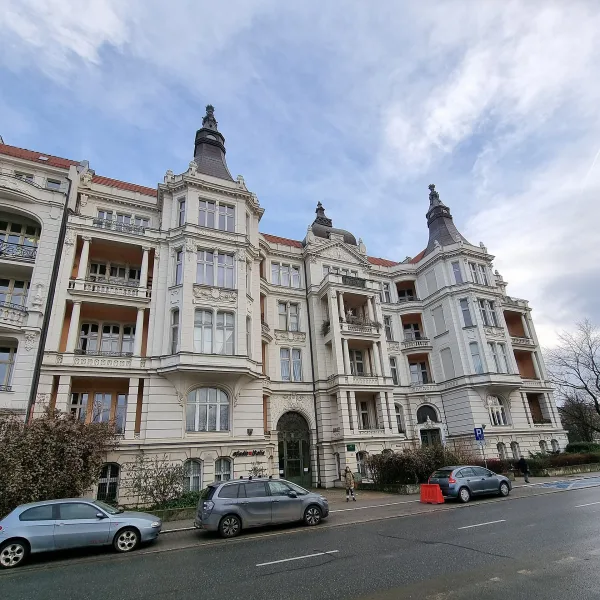
a neo-Baroque tenement house from 1900 with a richly decorated Art Nouveau façade, designed by Eduard Hentschel
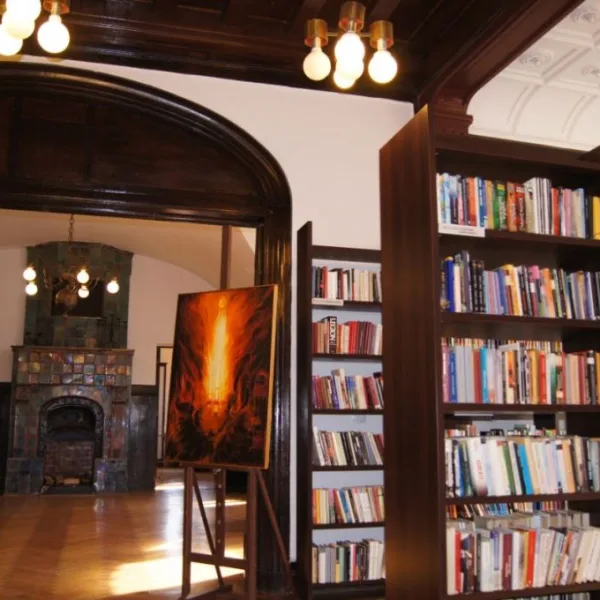
a pedagogical library from 1946 at Worcella street, with branches in five towns of Lower Silesia