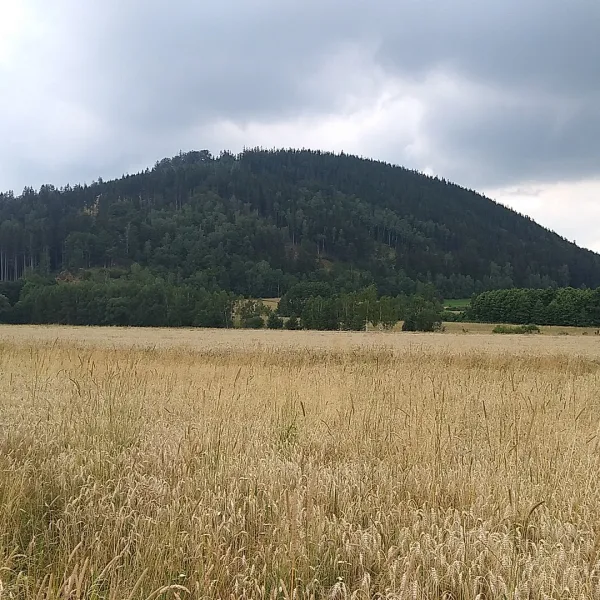
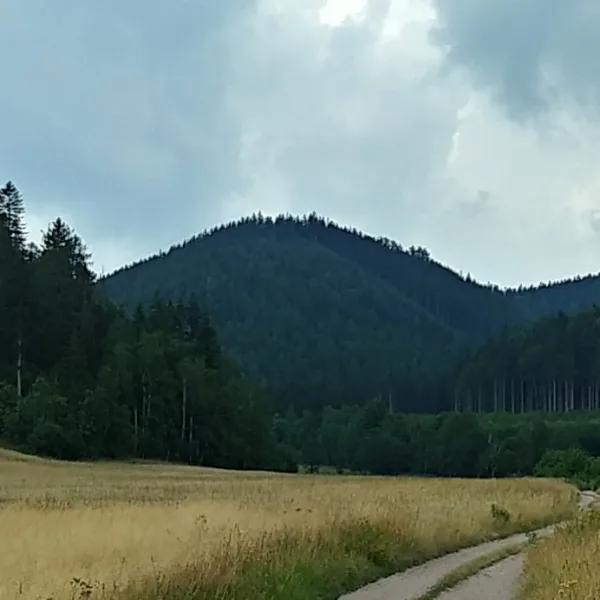
Nature in Lubawka means a rock reserve and five Raven Mountains summits with porphyry, rhyolite and spruce forest. For people who read a landscape.
What does the Kruczy Kamień reserve protect?
Kruczy Kamień is a rock reserve of inanimate nature in the Stone Mountains, established in 1954. It protects rock forms, not plants or animals. Such reserves keep formations created by weathering and erosion unchanged. The Stone Mountains, part of the Central Sudetes, have gentler relief than the Karkonosze but plenty of crags.
Which rocks will you see on the Raven Mountains summits?
Mainly Permian volcanic rocks. Krucza Skała (681 m) is built of trachybasalt and trachyandesite, and also of acidic rhyolite and rhyolite breccia, surrounded by red Rotliegend beds. Sępia Góra and Bógdał are porphyry, or trachyte, with red crags on their slopes. Skowrończa (707 m) also consists of Permian porphyry belonging to the Intra-Sudetic Basin deposits. At the foot of Pustelnia (683 m) there are red sandstones and conglomerates, and an old quarry survives on the slope.
What forest and plants grow here?
Lower montane spruce forest with some broadleaf trees covers all the summits. On Pustelnia grow rare plants, including sweet woodruff and oxlip. Krucza Skała has an extensive spruce forest across its summit and slopes, and Skowrończa, described by sources as not prominent in the terrain, is above all wooded. Compare the red crags of Sępia Góra and Bógdał with the red sandstones at the foot of Pustelnia: two shades of the same story, one volcanic and one sedimentary. Remember this is ground of natural value: stay on the trails, do not pick plants and do not climb rocks without need. More about the hills is on the page about mountains in Lubawka, about views in scenic views, and the whole region under nature. Return to your day plan through Lubawka attractions.