a gigantic cyclorama of the Battle of Racławice, painted by Jan Styka and Wojciech Kossak
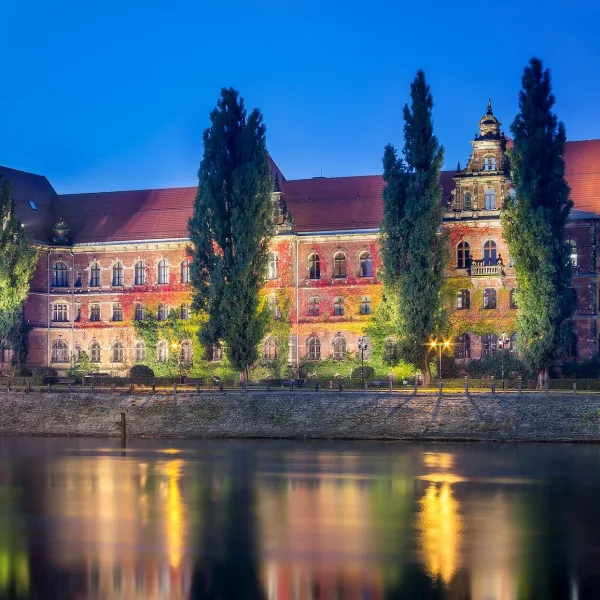
over 200,000 works of Silesian art, from the Gothic tomb of Henry IV the Righteous to Kandinsky
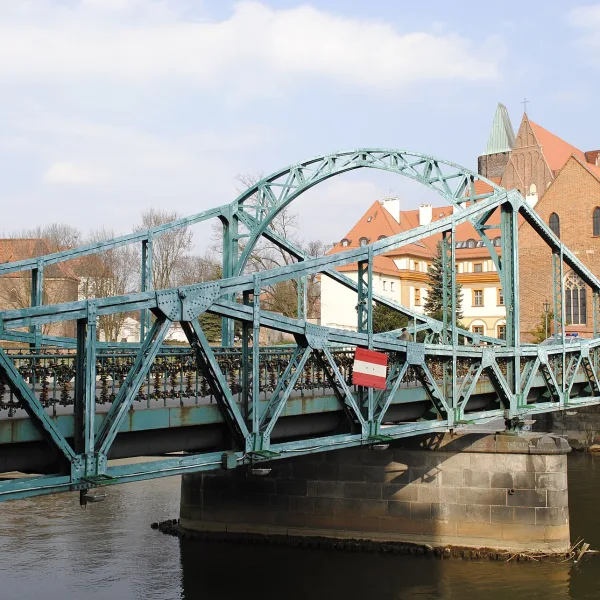
a steel bridge from 1889 connecting Ostrów Tumski with Piasek Island, today accessible only to pedestrians
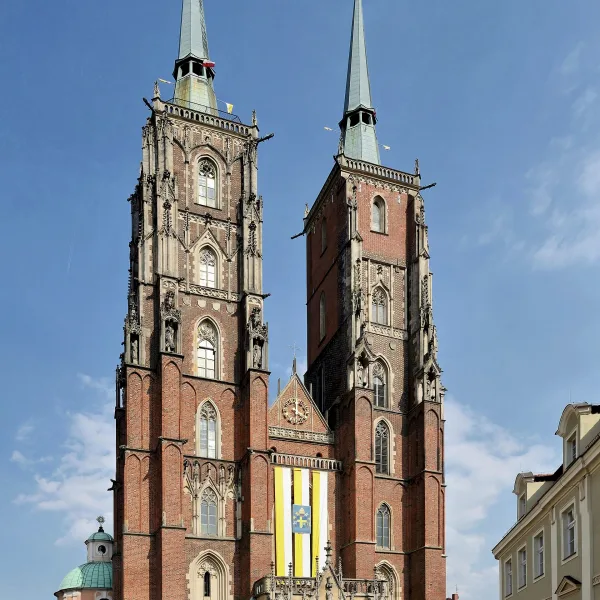
a Gothic cathedral on Ostrów Tumski with the largest organ in Poland and a viewing gallery on the tower
late Gothic town hall built over about 250 years, with the oldest surviving clock bell in Poland, from 1368
19th-century theatre building rebuilt twice after fires, with 10,000 square metres of gilding
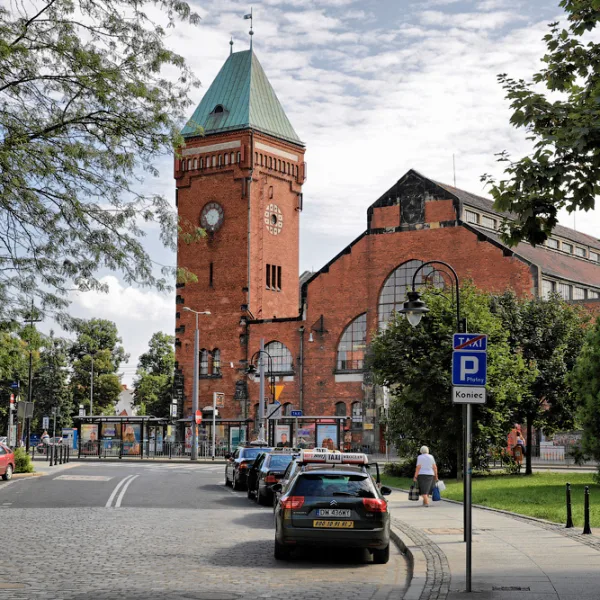
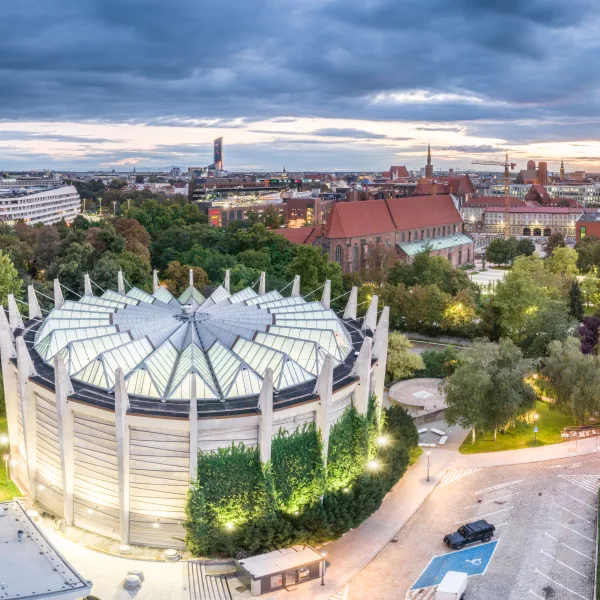
hall still in use today, with parabolic reinforced-concrete arches regarded as a pioneering engineering structure
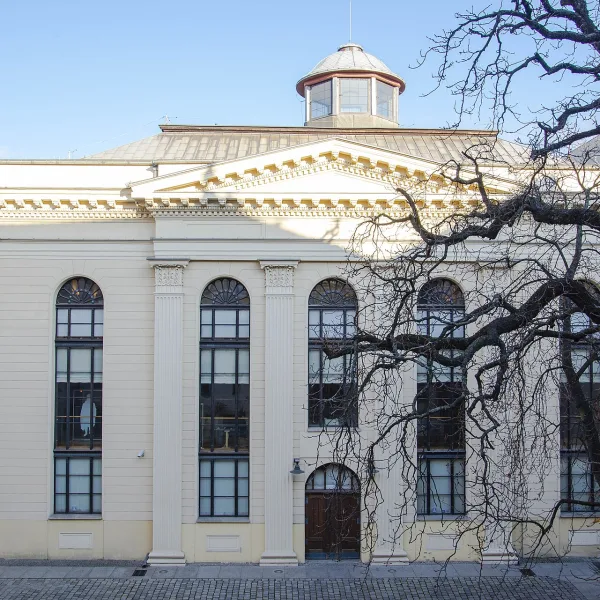
a classicist synagogue from 1829, which survived Kristallnacht despite its devastated interior
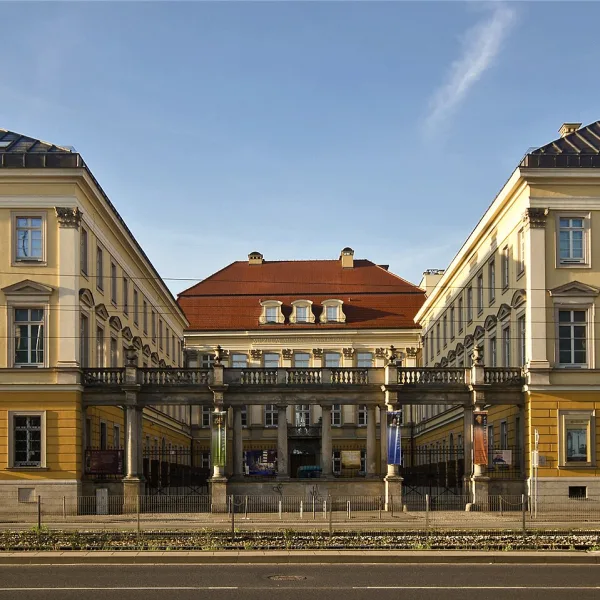
a Baroque residence of the Prussian Hohenzollerns, today a city museum with the exhibition 1000 Years of Wrocław
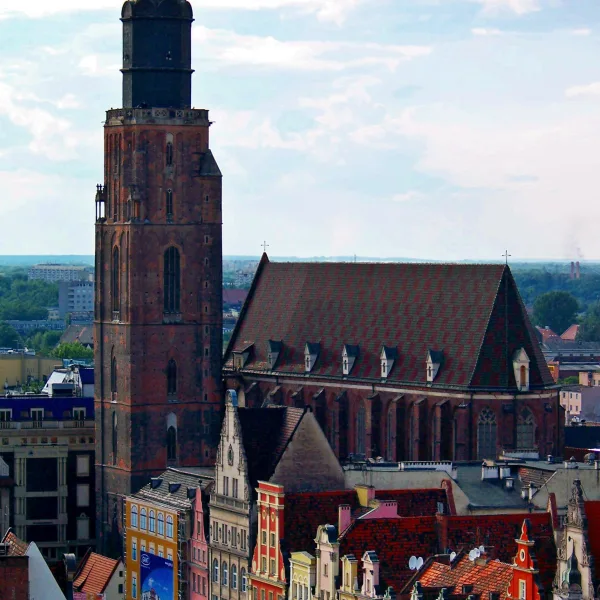
a Gothic church with a 91-metre tower, once the tallest in Silesia, today a garrison church
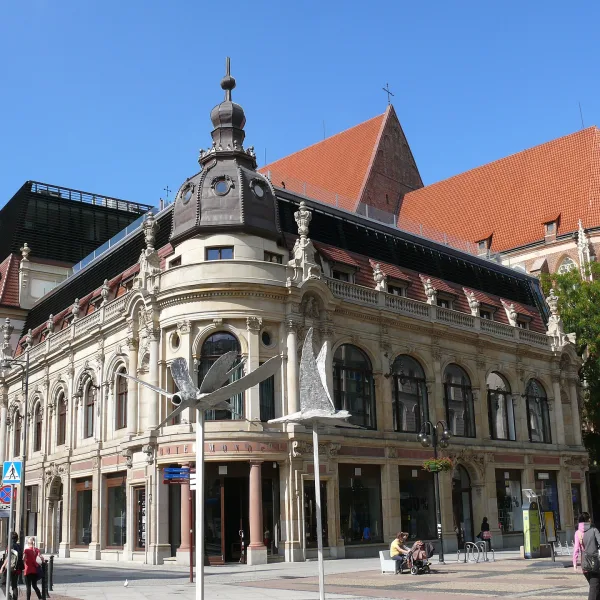
an Art Nouveau hotel from 1892, the film set of the famous scene from Andrzej Wajda's "Ashes and Diamonds"
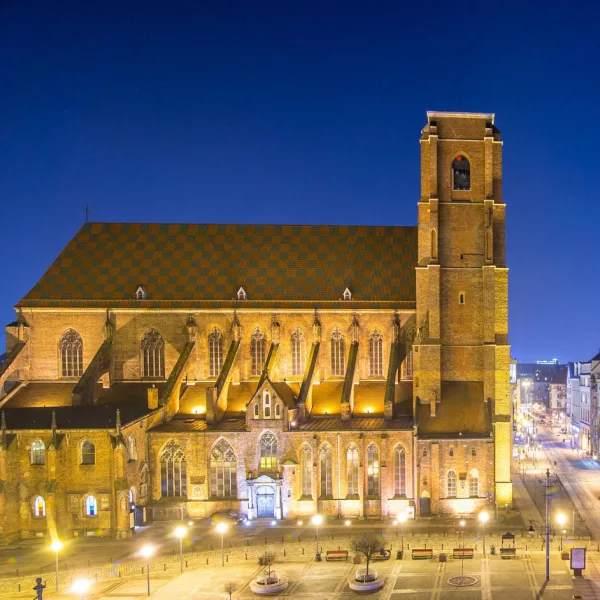
a Gothic cathedral by the Market Square with the Penitents' Bridge between its towers and the former Sinner's Bell
a lost residence of the Dukes of Wrocław, its site today occupied by the university's main building
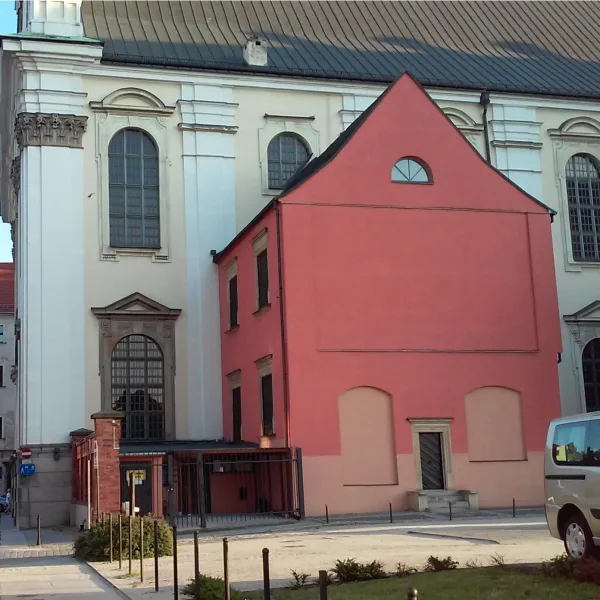
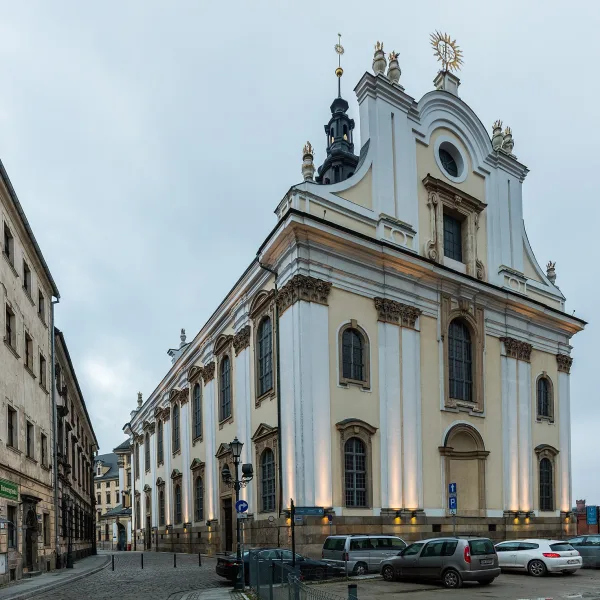
a baroque Jesuit church from the 17th century, today a university church on Plac Uniwersytecki
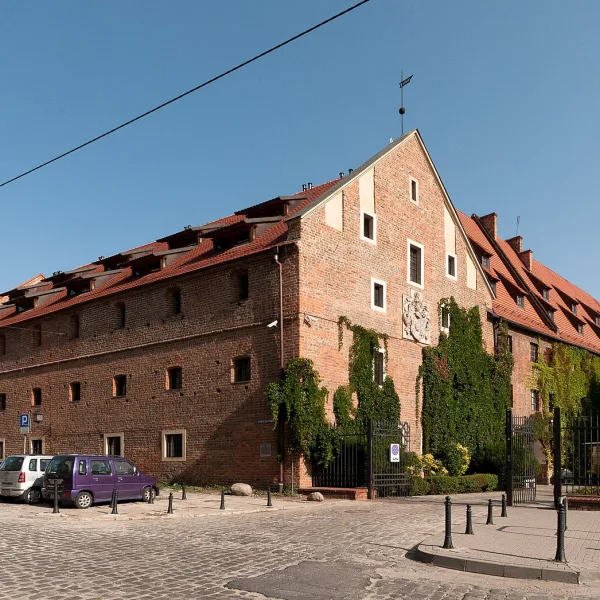
mammoth bones and archaeological treasures of Silesia in the Gothic Municipal Arsenal
Poland's only museum devoted to architecture, with over 20,000 exhibits in a former Bernardine monastery complex
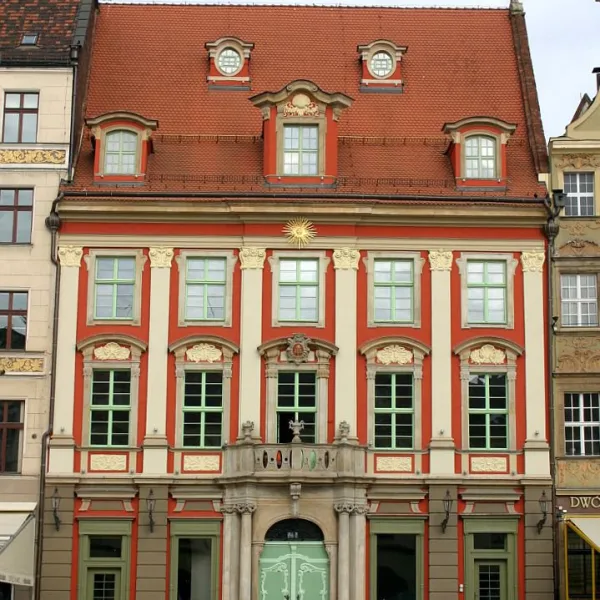
the only surviving manuscript of Mickiewicz's poem in the baroque Pod Złotym Słońcem tenement house on the Market Square
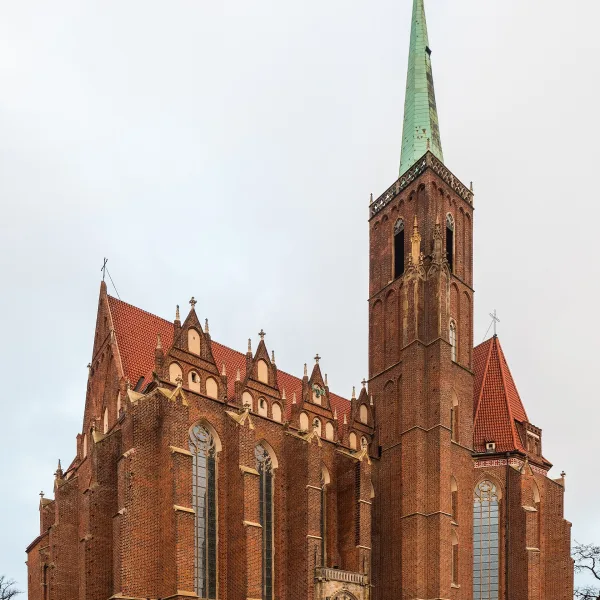
a Gothic church on Ostrów Tumski, founded by Duke Henry Probus as a votive offering after a dispute with the bishop
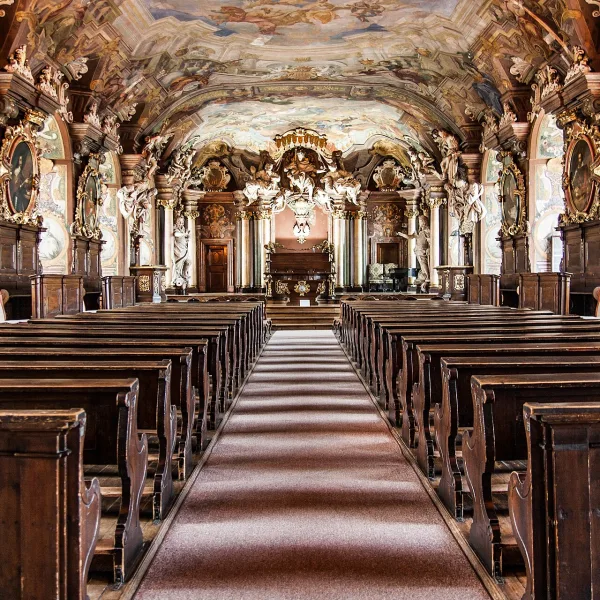
baroque Leopoldine Hall and the viewing terrace of the Mathematical Tower at a height of 42 metres
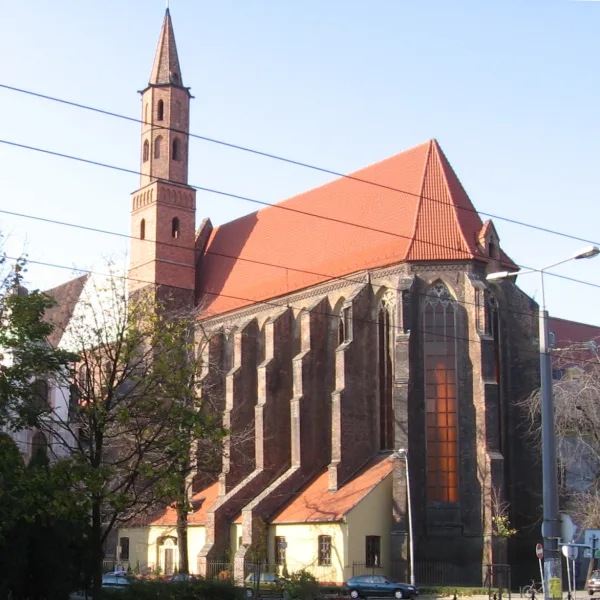
a 15th-century Gothic church, today the main Orthodox cathedral of the diocese, with frescoes by Jerzy Nowosielski
a Gothic church founded by Henry the Pious, buried here after the Battle of Legnica, today a Greek Catholic cathedral
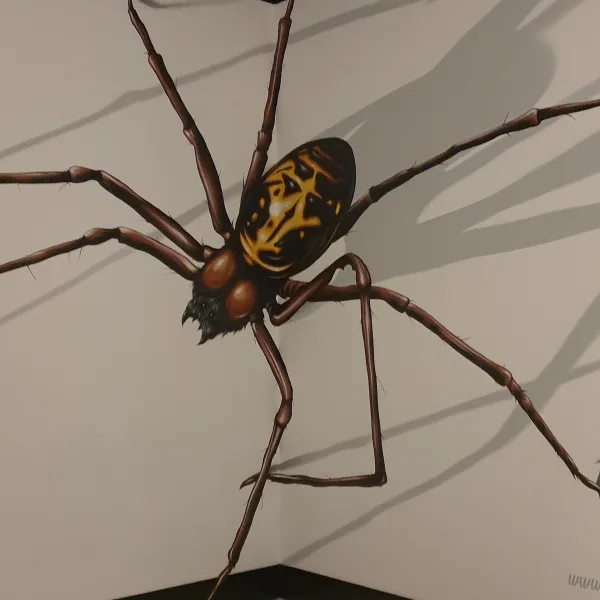
a space with interactive installations and optical illusions in the Old Town
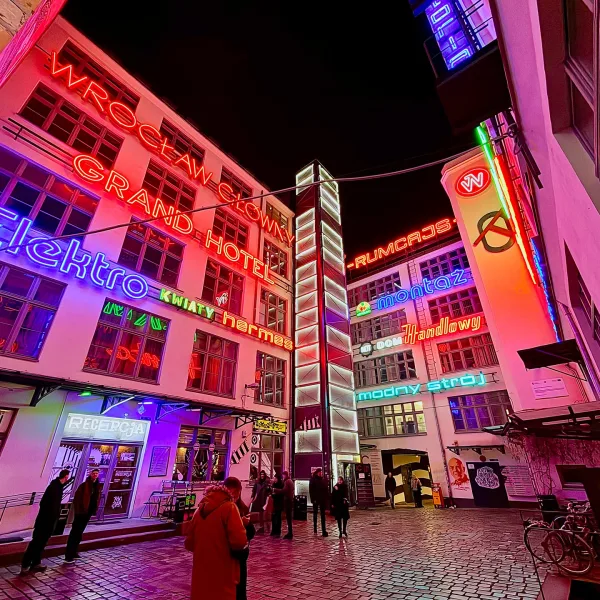
a courtyard with 30 historic neon signs from the 1960s and 1970s, surrounded by working artists' studios
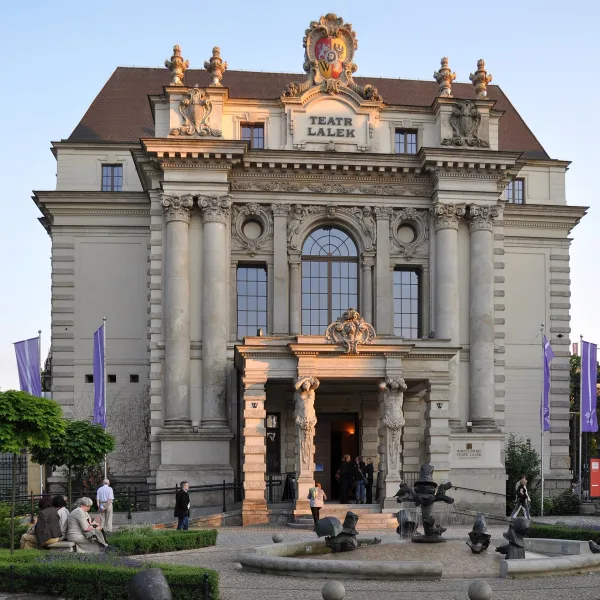
a puppet stage operating since 1946 in the former merchants' assembly hall on Teatralny Square