late Gothic town hall built over about 250 years, with the oldest surviving clock bell in Poland, from 1368
19th-century theatre building rebuilt twice after fires, with 10,000 square metres of gilding
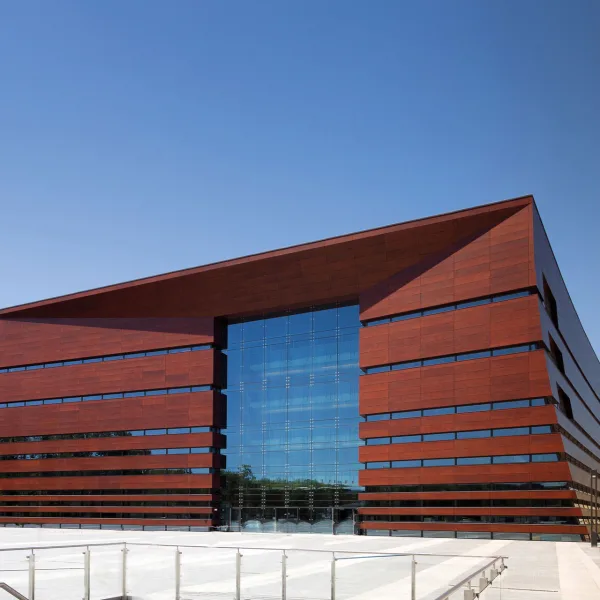
one of the largest concert halls in Europe, with an organ of 4,700 pipes in the Main Hall
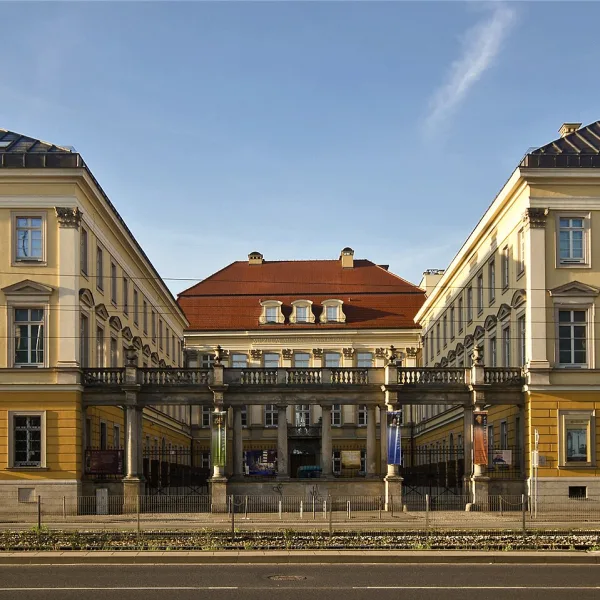
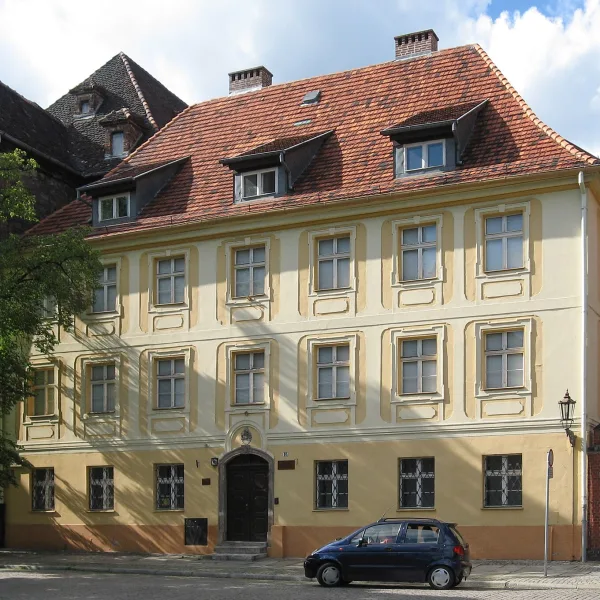
a Baroque residence of the Prussian Hohenzollerns, today a city museum with the exhibition 1000 Years of Wrocław
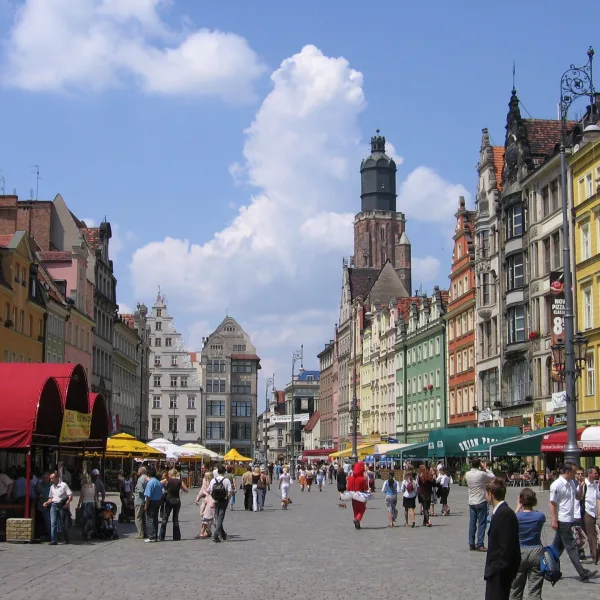
one of the largest old-town market squares in Europe, with a block housing the Old and New Town Halls
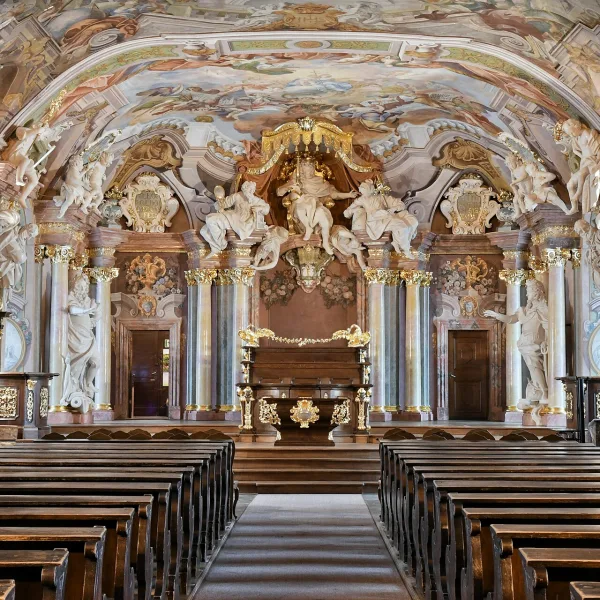
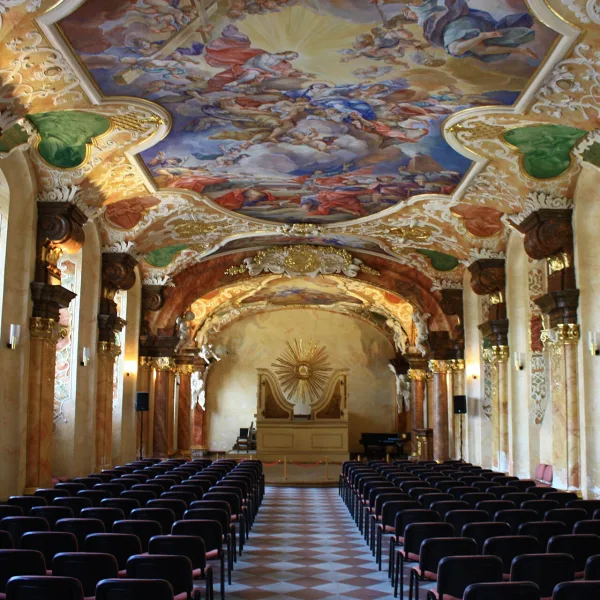
a baroque university hall with frescoes by Handke and sculptures by Hollandt, founded by Emperor Leopold I
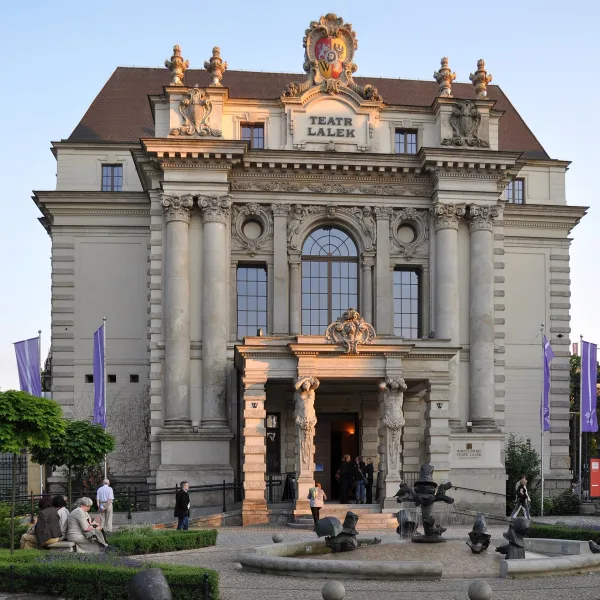
a private comedy stage on plac Teatralny, staging productions since 1997
an intimate little square on Ostrów Tumski right by the cathedral, in the heart of the city's oldest quarter
Poland's only museum devoted to architecture, with over 20,000 exhibits in a former Bernardine monastery complex
one of the three former market squares of the Old Town, today a green square with post-war buildings
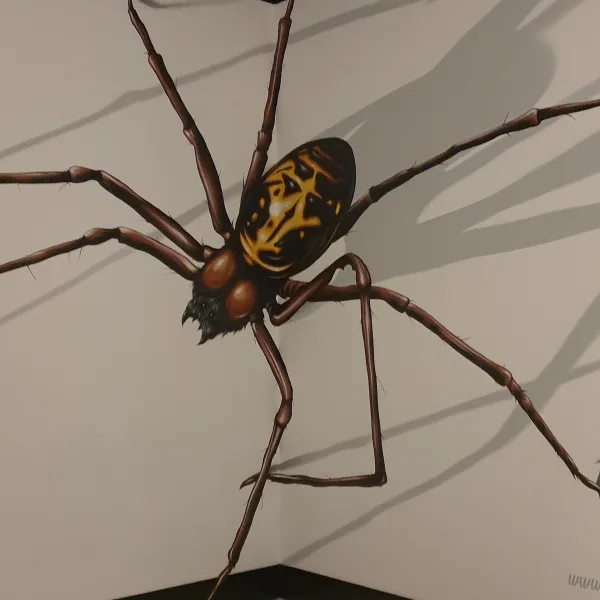
a space with interactive installations and optical illusions in the Old Town
a puppet stage operating since 1946 in the former merchants' assembly hall on Teatralny Square
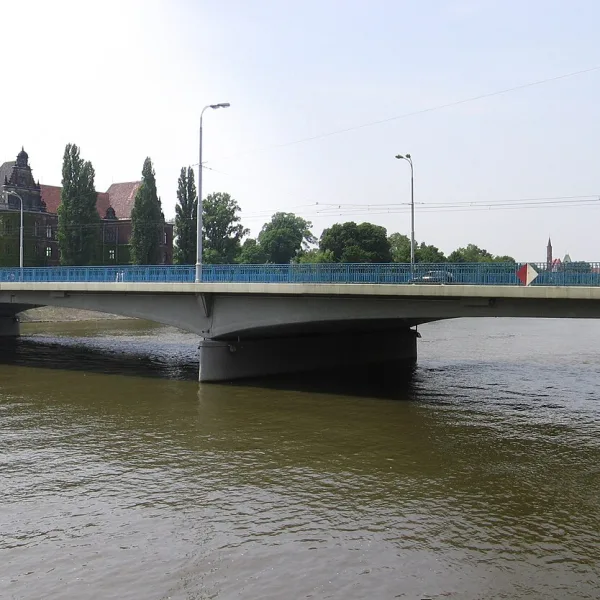
a post-war bridge over the Oder from the 1950s, today a road and tram crossing in the city centre
painting exhibitions by local artists in the "Małgosia" tenement house, run by the Society of Friends of Wrocław
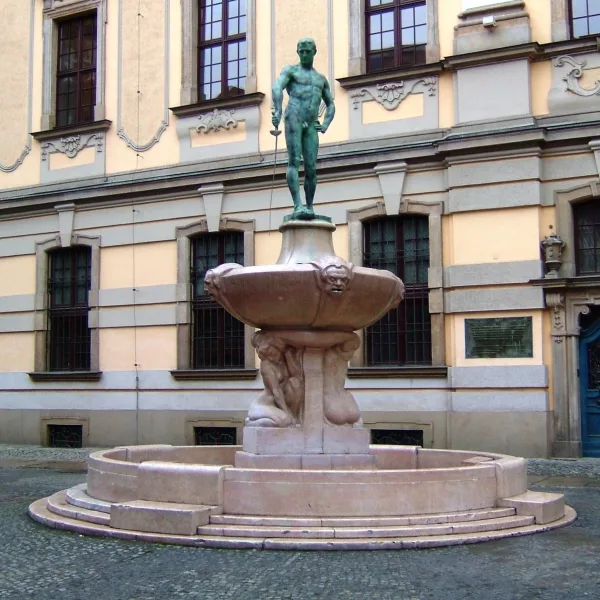
a fountain from 1904 in front of the university building, one of the symbols of the University of Wrocław
a Baroque concert hall in the university building, where Brahms, Liszt and Paganini performed in the 19th century
a guided tour through the world of the Wrocław dwarfs, with puzzles and souvenir-making
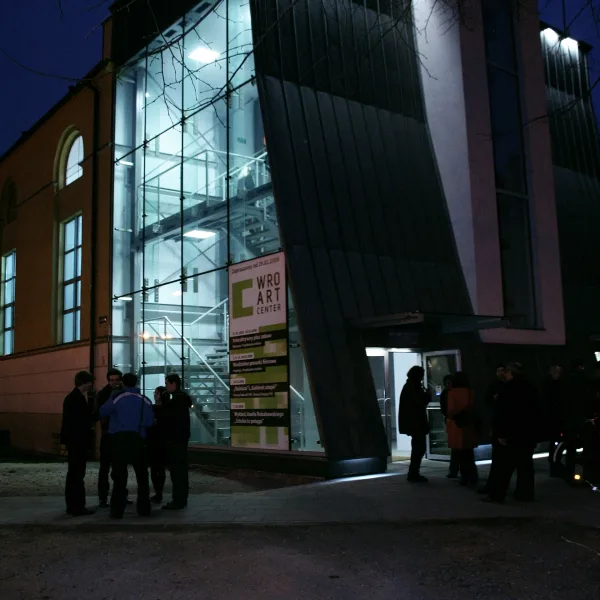
an institution of contemporary art and new media in a former coffee roastery, organiser of the WRO Media Art Biennale
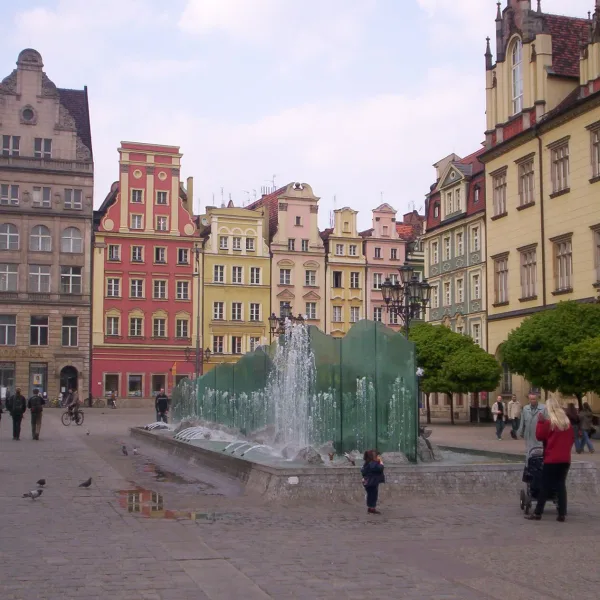
a granite and glass fountain from 1996 on the Market Square, a design that sparked a dispute over the historic townscape
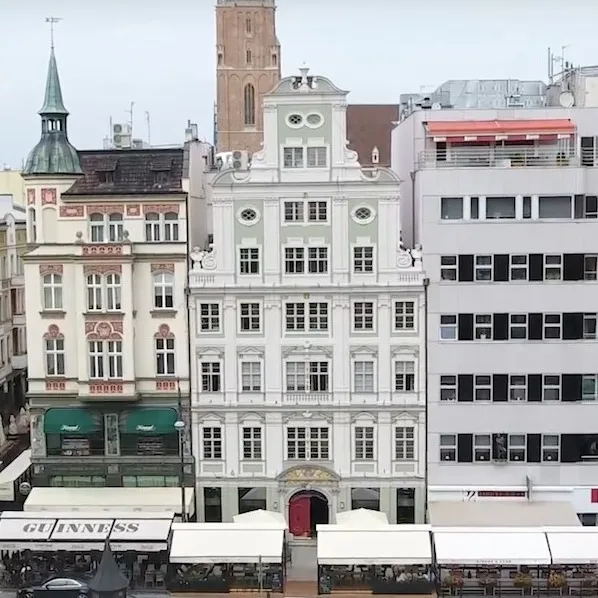
a Baroque townhouse of the former Oppenheim House, today a contemporary art gallery with a viewing terrace in the attic
one of the oldest archdiocesan museums in Poland, sacred art rescued from secularisation
a secondary market square laid out in 1242, today the site of a traditional flower market
a branch of the City Museum with the apartment of Henryk Tomaszewski and a collection of theatrical puppets from around the world
an independent contemporary art gallery on the Market Square, open to visitors, with exhibitions and workshops