Historic sites in Jelenia Góra include a castle ruin on a hill, a baroque gate, Schaffgotsch palaces and manors. Here is where to start.
Which historic site in Jelenia Góra should you see first?
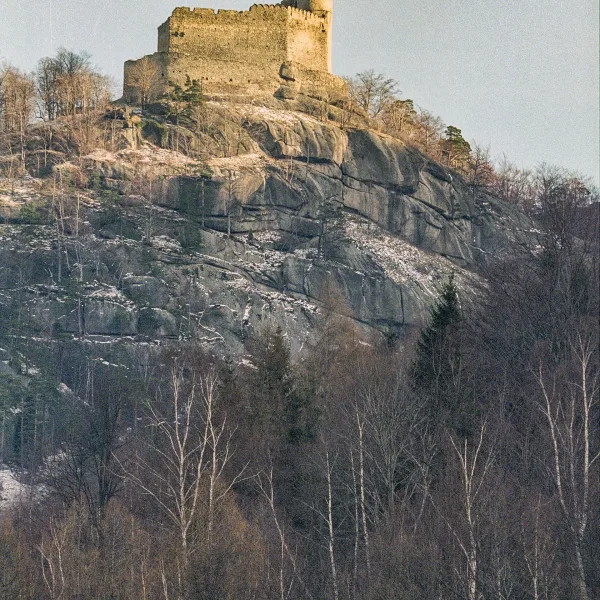
Start with Chojnik Castle. It is a Gothic ruin on top of a 627-metre hill, within the strictly protected zone of the Karkonosze National Park. A 150-metre cliff drops to the Hell Valley (Piekielna Dolina) on the south-east side. The masonry fortress went up in the 1350s, the first written mention dates from 1364, and from 1418 the castle belonged to the Schaffgotsch family. Lightning burned it down in 1675. Reserve more time for the climb than for a city stroll.
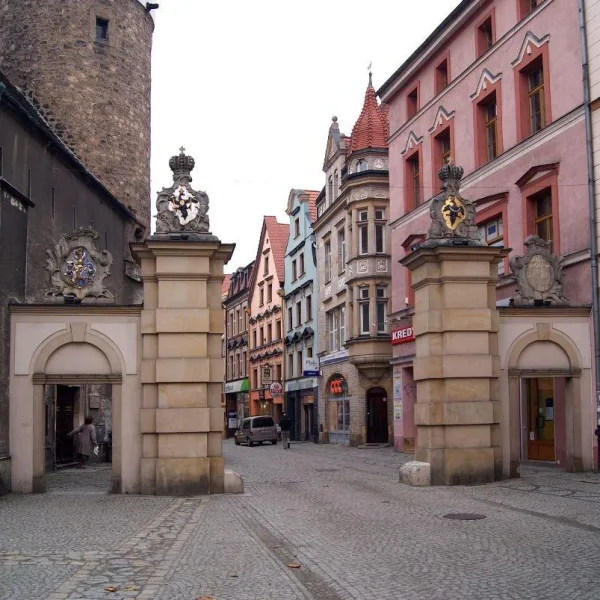
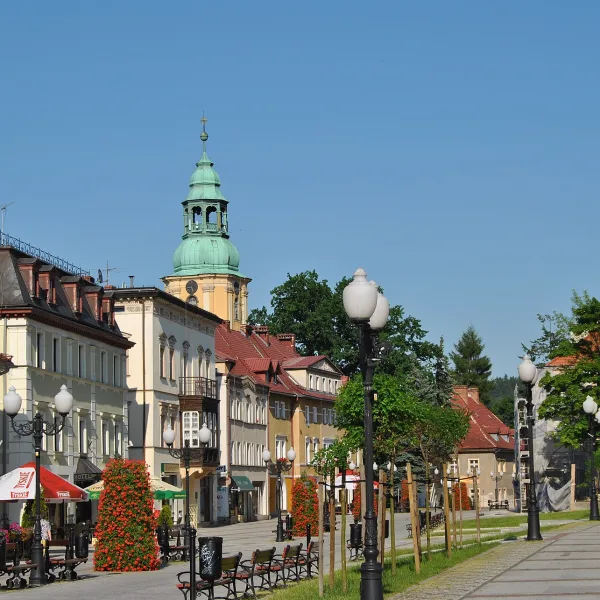
In the city itself the best-known landmark is the Wojanów Gate (Brama Wojanowska). It stands at the eastern edge of the old town, at the end of Konopnickiej Street. The baroque gate of 1763 replaced a Gothic one that was pulled down in 1755. Rococo cartouches with the coats of arms of Jelenia Góra, Prussia and Silesia decorate the posts, and a Latin inscription holds a chronogram with the year of construction.
What is there to see in Cieplice?
Cieplice Śląskie-Zdrój is a district of Jelenia Góra and a spa on thermal springs, an independent town until 1976, called Bad Warmbrunn in German. It has a spa pavilion from the late 18th century and a spa theatre, and the Cieplice Thermal Baths use the same waters today.
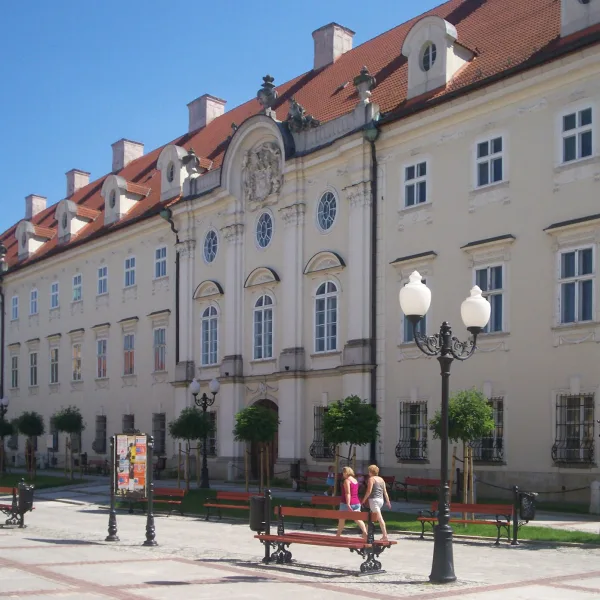
The central point is the Schaffgotsch Palace, between Piastowski Square and the Spa Park. Count Johann Nepomuk Schaffgotsch built it after a fire in 1777, and the work lasted from 1784 to 1809 to a design by Johann Georg Rudolf. Today it houses a branch teaching centre of Wrocław University of Science and Technology and is not open for regular visits, so you will see it from outside.
Where do you find manors and smaller palaces?
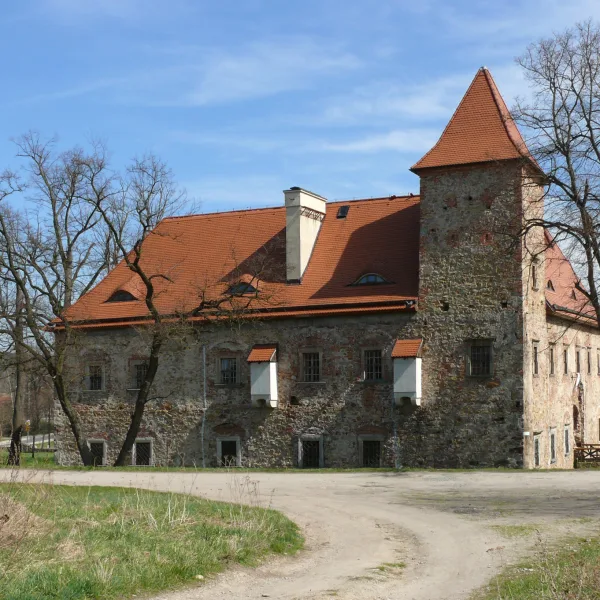
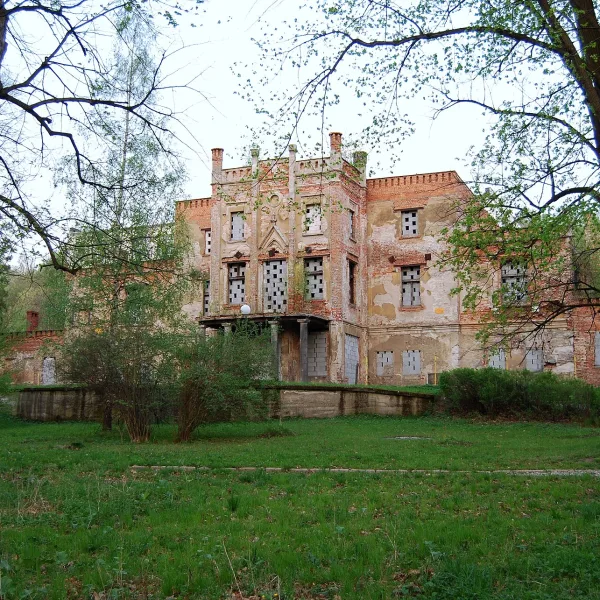
Czarne Manor is a Renaissance residence of 1559 built by Caspar Schoff, with a courtyard, a wall, a gate tower and a moat. After a fire in 1623 it was rebuilt in 1656 for Ernst von Nimptsch. From 1679 to 1945 it belonged to the Jelenia Góra magistrate, and today it houses the Ecological Culture Foundation.
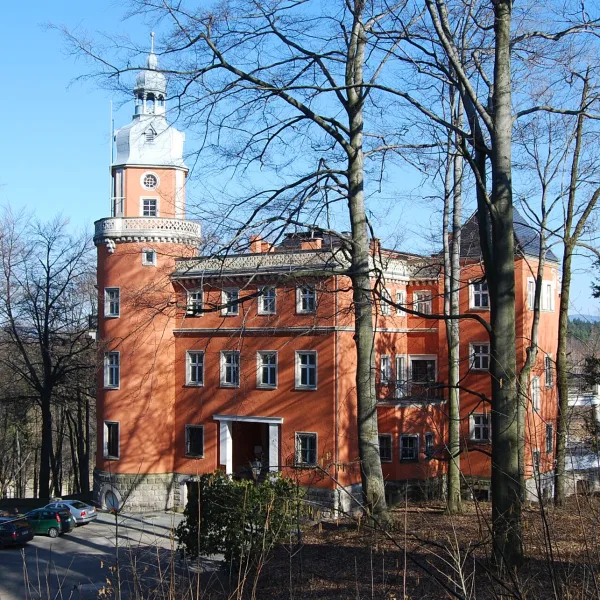
Paulinum Palace lies on the edge of the city, by the road to Karpacz. Its story begins with the Jesuits, who arrived in 1655. In 1855 the manufacturer Richard von Kramsta commissioned a landscape park on Krzyżowa Hill (Góra Krzyżowa). Today it works as a hotel with a restaurant.
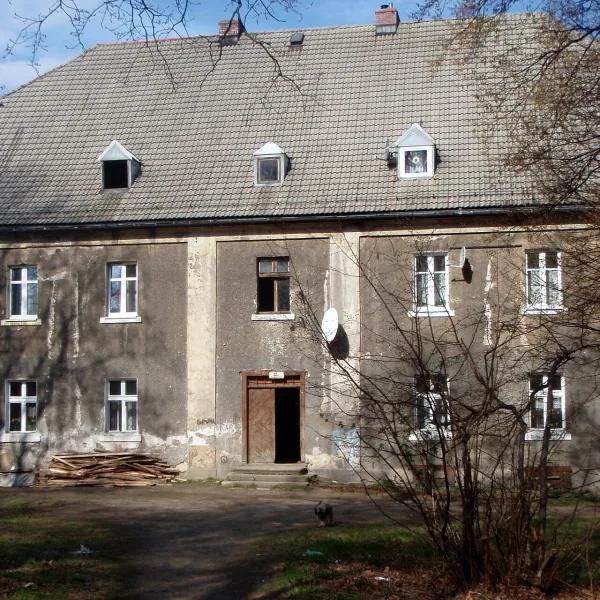
Two more sites are for viewing from outside. The palace on Kruszwicka Street from the late 19th century is listed together with its garden, and the 18th-century hunting manor on Nadbrzeżna Street is now a private home, recognisable by its hipped roof with dormers.
How do you combine historic sites with the rest of the day?
Historic sites pair well with a walk through the museums, the churches or a trip to the mountains. The whole city is covered in Jelenia Góra attractions.

 Historic sites