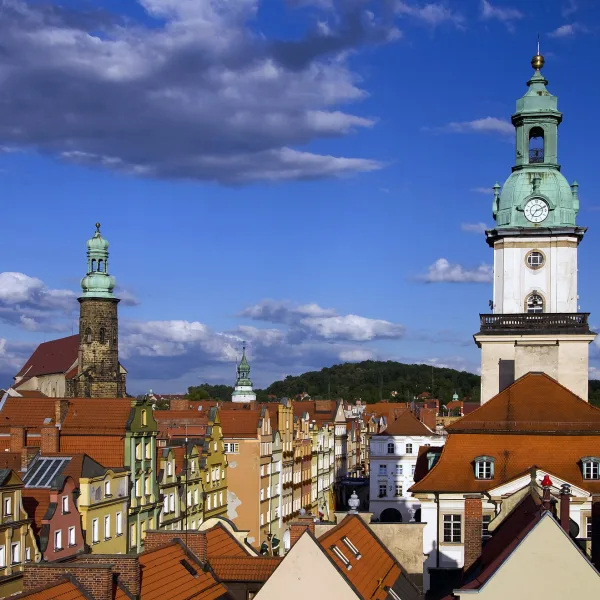
Architecture in Jelenia Góra spans Gothic, Renaissance, baroque and classicism: from castle ruins to the Schaffgotsch palaces in Cieplice.
What architectural styles will you meet in Jelenia Góra and around?
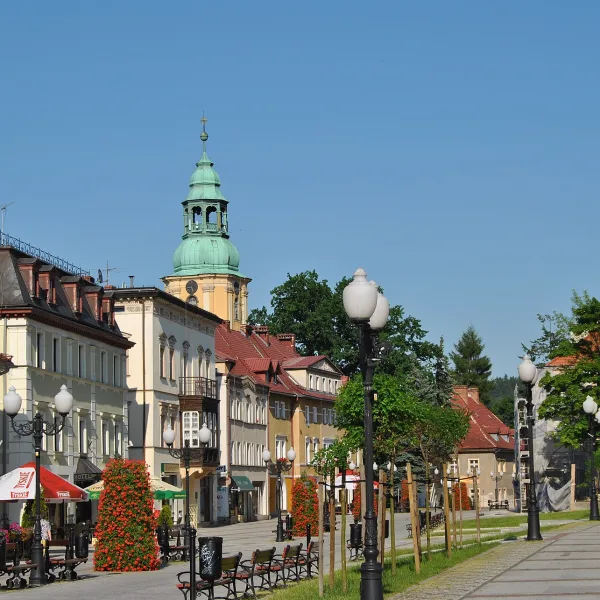
The city works as a lesson in styles across several centuries. Gothic is represented by the hilltop castle, the Renaissance by a manor and a gate tower, the baroque by palaces, churches and a city gate, and classicism by the palace in Cieplice.The 19th century added a fountain on the square. The sites below are ordered so that you can walk through the eras one by one.
Where do you find Gothic and Renaissance?
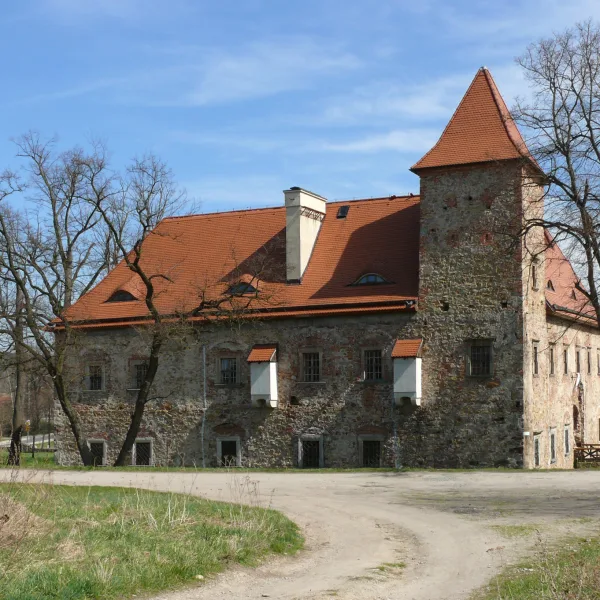
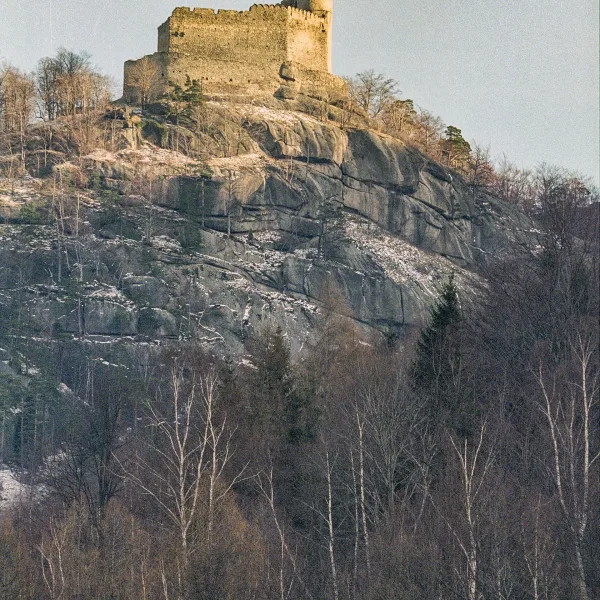
The Gothic ruin of Chojnik Castle went up in the 1350s on top of a hill. Lightning burned it down in 1675, so today you see walls without roofs. The Renaissance lives on in Czarne Manor of 1559, built as a stone, multi-part residence with a courtyard, a defensive wall, a gate tower and a moat.
In the city centre stands the Castle Gate Tower of 1584, the only surviving piece of the city gate. The lower part is cylindrical, the upper part octagonal with a tent roof, and cross-shaped openings for artillery are visible in the walls.
What does baroque look like in Jelenia Góra?
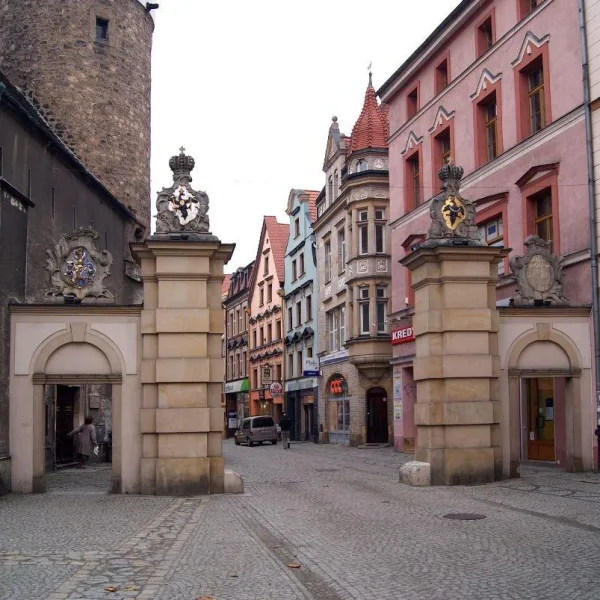
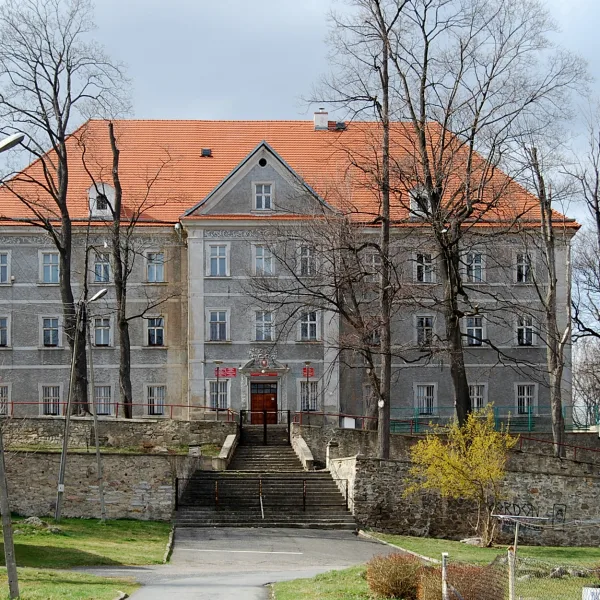
The grandest is Sobieszów Palace, built in 1705-1712 for Johann Anton von Schaffgotsch. It has three storeys and an eleven-axis facade, and today serves as an education centre of the Karkonosze National Park. The baroque Wojanów Gate of 1763 stands at the eastern edge of the old town, where a Gothic gate was pulled down in 1755. Rococo cartouches with the arms of the city, Prussia and Silesia decorate it.
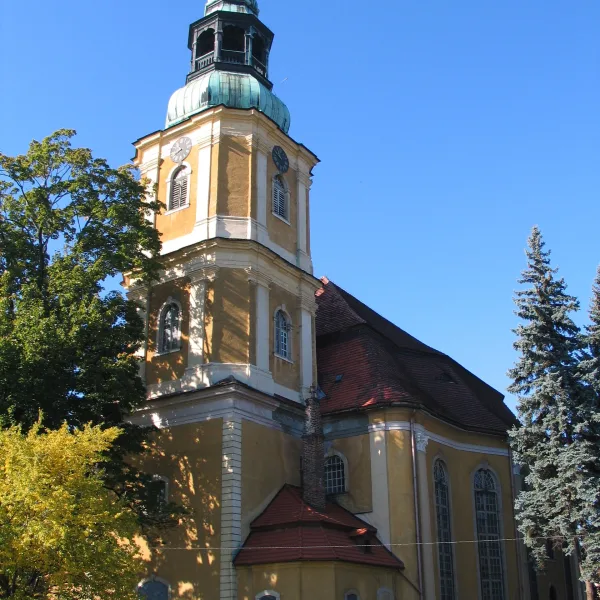
Among the churches, the Church of the Exaltation of the Holy Cross stands out, designed on a Greek cross plan with a flat dome and four small towers. A second example is the Church of the Saviour of 1774-1777, a single nave with galleries and a broken hip roof.
What about classicism and the 19th century?
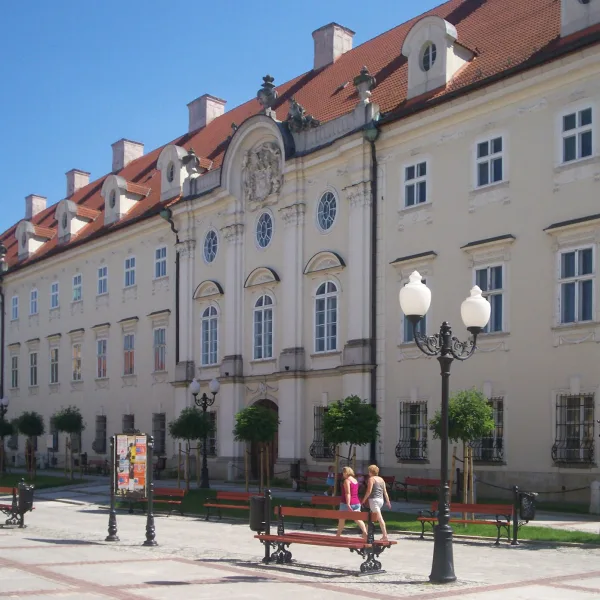
In Cieplice Śląskie-Zdrój stands the Schaffgotsch Palace, built in 1784-1809 to a design by Johann Georg Rudolf. It stands on the site of a Renaissance manor and a guest house that burned down in 1777, and the remains of both were reused. It combines baroque and classicist forms. You can admire it from outside, because it houses a university teaching centre. Cieplice also has a spa pavilion from the late 18th century and a spa theatre.
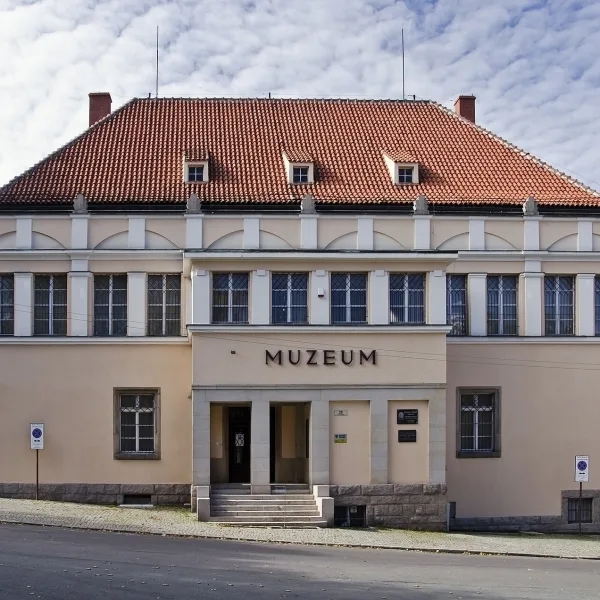
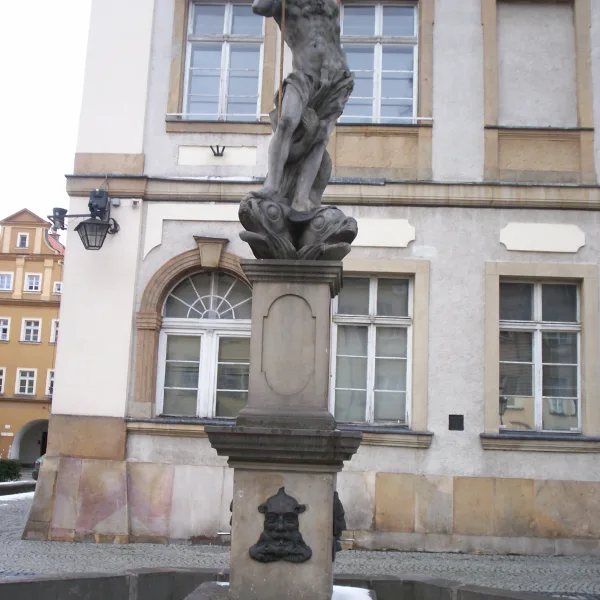
The Neptune Fountain on the Town Hall Square dates from the 19th century. The Karkonosze Museum, founded in 1889, is housed in a building at 28 Matejki Street, put up specially for the museum. It is a good stop when you want to see architecture under a roof. Other monuments are in the list historic sites in Jelenia Góra, and the whole offer of the city is in Jelenia Góra attractions.

 Historic sites