Jelenia Góra solo means Chojnik Castle, the Schaffgotsch palaces, museums and Cieplice. See what to plan when you travel without company.
What can you do in Jelenia Góra when you travel alone?
The town offers several different tracks, so pick the one that suits your pace. The first is the history of the Schaffgotsch family: a castle, two palaces and a museum with their collections. The second is museums and libraries where you can sit in quiet. The third is churches and historic manors. The fourth is the hills and peaks of the Karkonosze Foothills and the Karkonosze. Every place on the list carries the solo tag.
Which museums suit a solo afternoon?
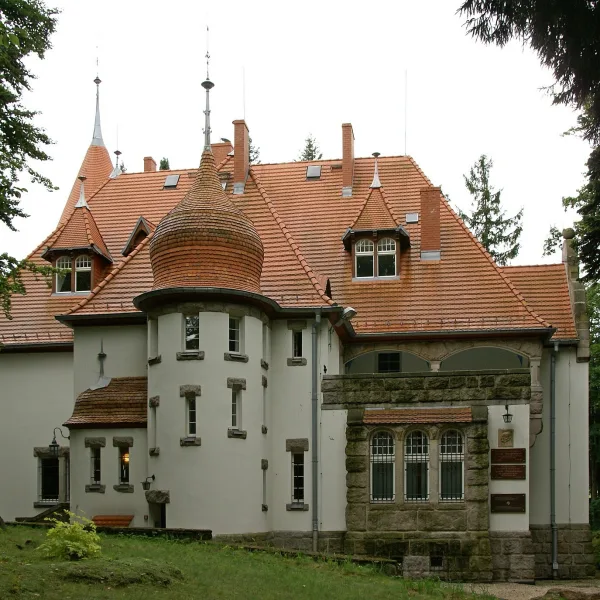
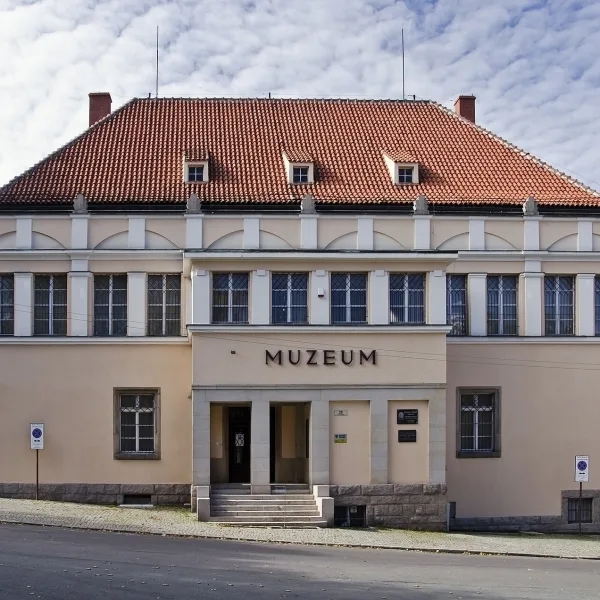
The Natural History Museum in Cieplice is housed in a former post-Cistercian provostry. It shows collections gathered since the 16th century, largely from the Schaffgotsch family, and the whole exhibition is indoors. The Gerhart Hauptmann House Municipal Museum is a villa from 1901 in Jagniątków, designed by the Berlin architect Hans Grisebach, with interiors preserved as the writer used them. The Karkonosze Museum, founded in 1889 at Matejki 28, is known for its art glass collection and the history of the region.
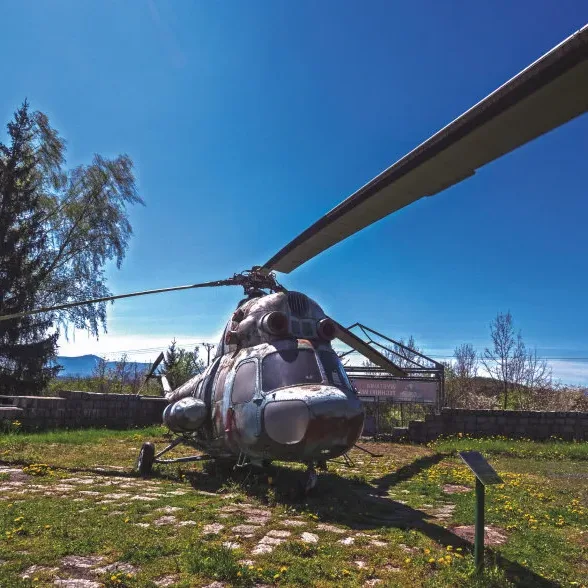
Technology fans will choose the Polish Army Armament Open-Air Museum at Sudecka 81: small arms, heavy equipment, a T-34 tank and a Mi-2 helicopter. For quiet, go to a library. Branch no. 3 of the Karkonosze Library at Różyckiego 4 in Zabobrze has an art corner and a board games section, and branch no. 4 in Cieplice has operated since 1976 and specialises in reportage. The full list of museums is under museums in Jelenia Góra.
Which castle, palace and church to see?
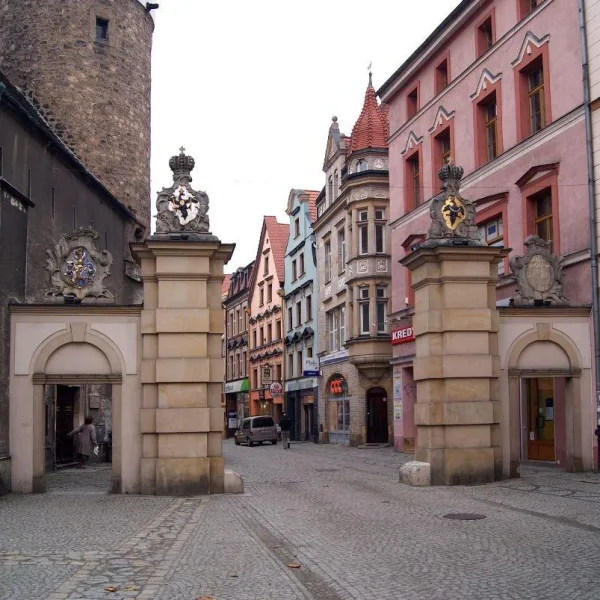
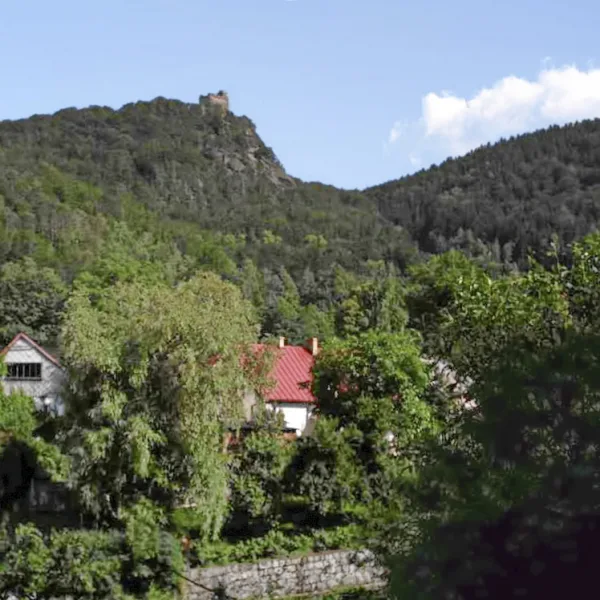
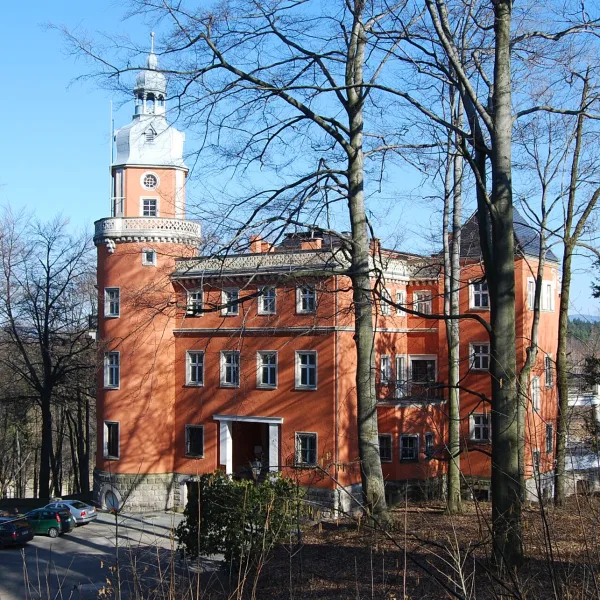
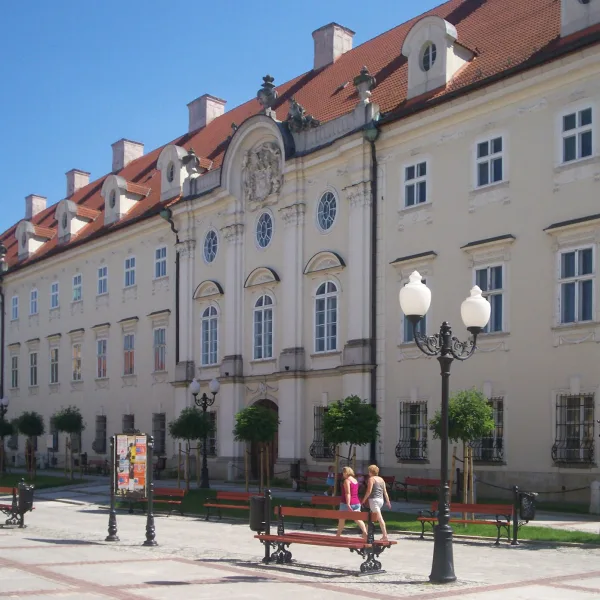
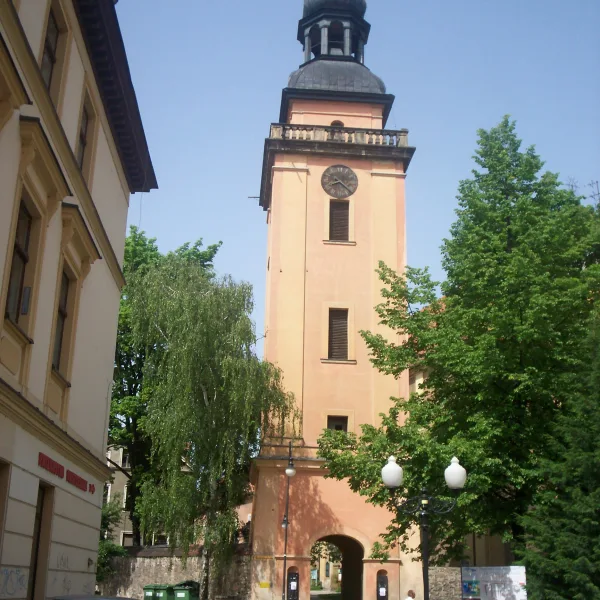
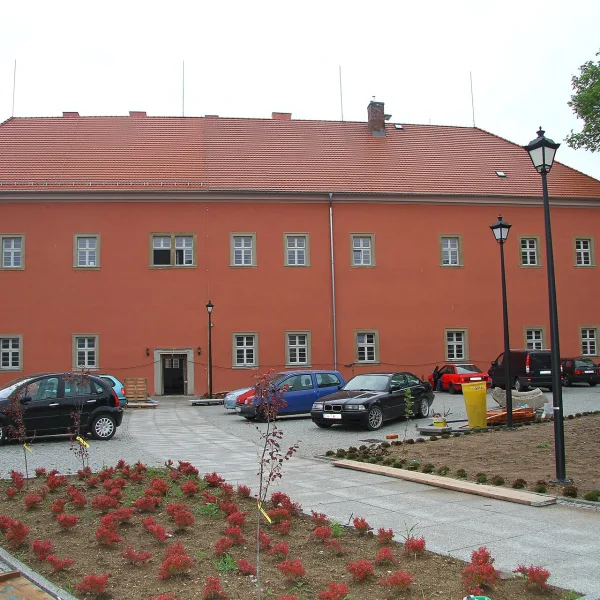
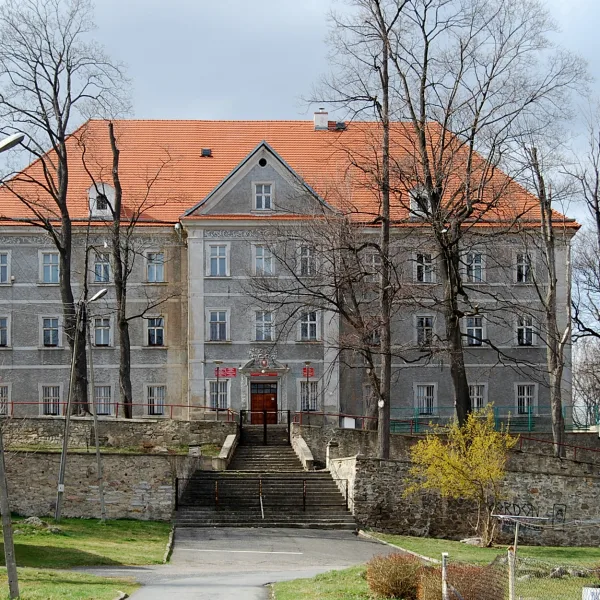
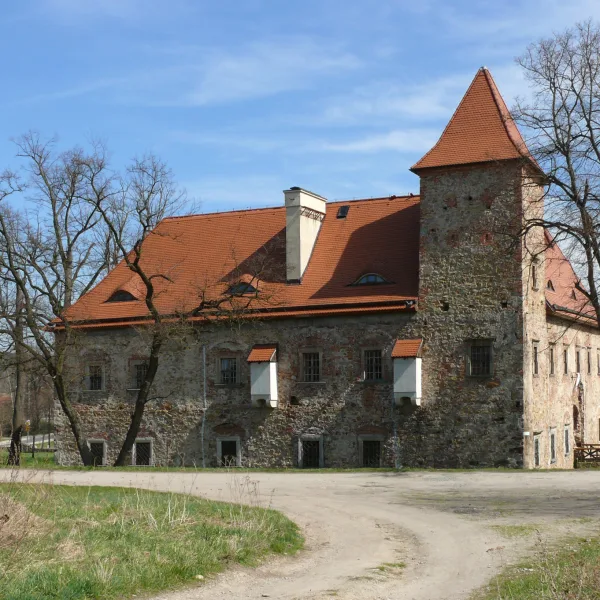
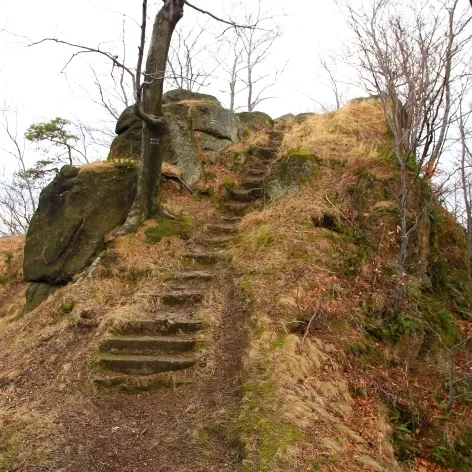
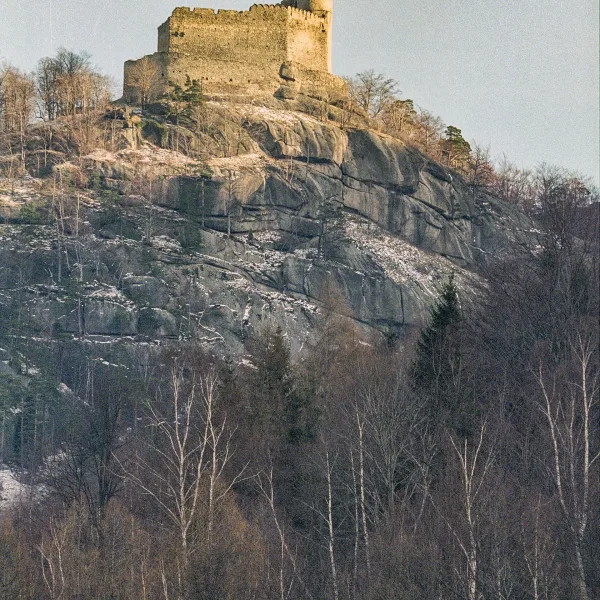
Chojnik Castle is a Gothic ruin on a mountain 627 metres high, with a 150-metre cliff down to Hell Valley (Piekielna Dolina), in the strict protection zone of the Karkonosze National Park. The first mention dates from 1364, from 1418 it belonged to the Schaffgotsch family, and in 1675 lightning burned it. Lower down stands the Palace in Sobieszów, built in 1705-1712, now an educational centre of the national park. At the eastern edge of the old town stands the Wojanowska Gate of 1763 with rococo cartouches, and in Cieplice the Baroque-Neoclassical Schaffgotsch palace, now a teaching centre of the Wrocław University of Science and Technology, not open for regular visits.
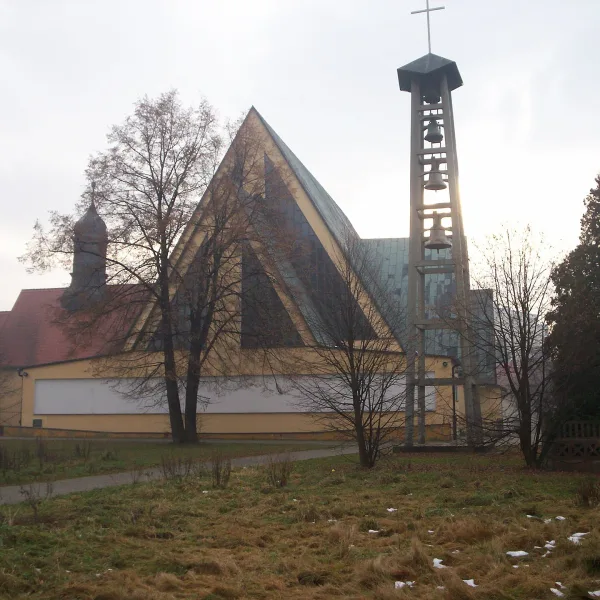
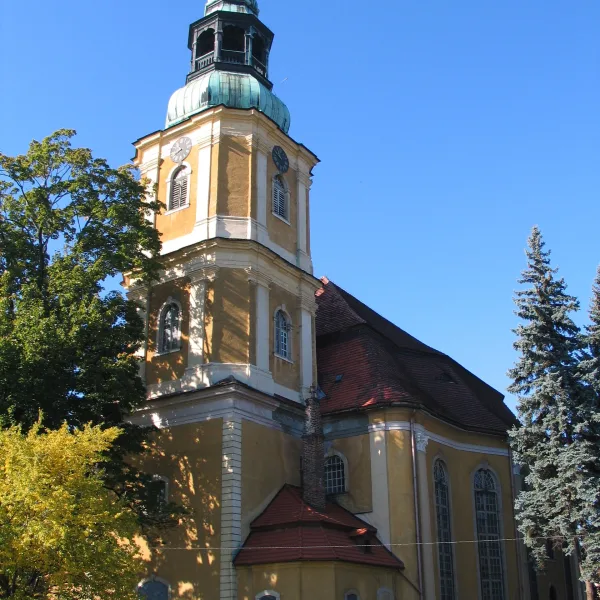
Among churches choose the Church of the Exaltation of the Holy Cross: Baroque, on a Greek cross plan, surrounded by a park with 18th-century burial chapels. The Saviour Church in Cieplice, built in 1774-1777, hosts summer organ concerts, and the late Gothic St Adalbert church from around 1500 stands in Zabobrze. The full list is under churches and monasteries of Jelenia Góra.
Where can you get outdoors and see the town from above?
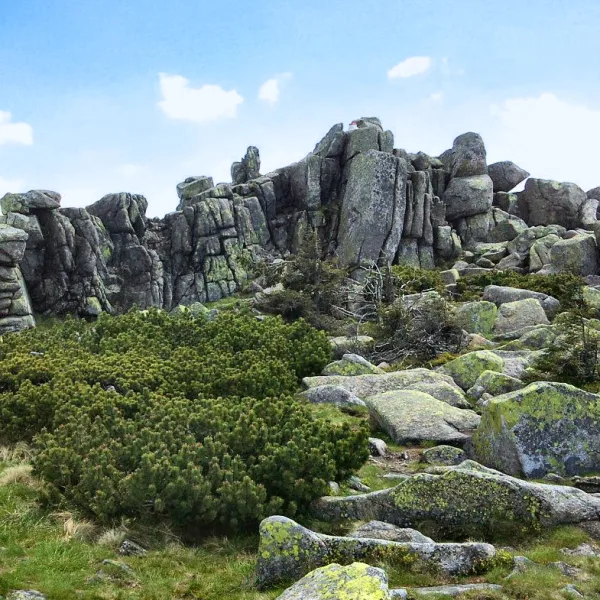
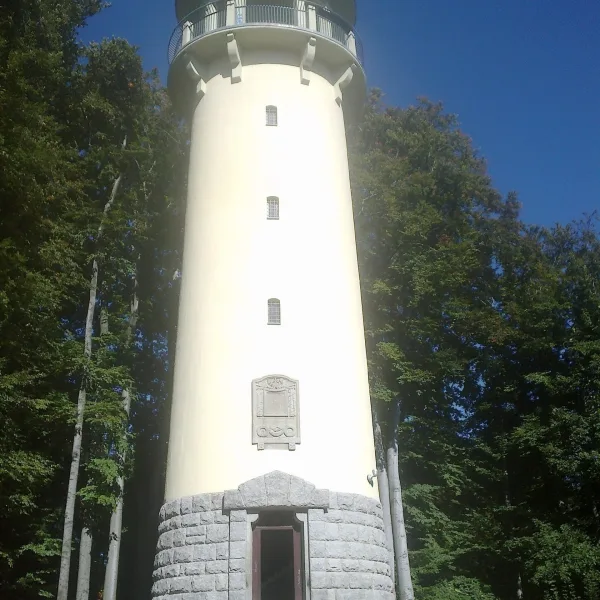
Krzywousty Hill (375 m) has a 22-metre lookout tower from 1911 called Grzybek (the Mushroom), and entry to the terrace is free. Higher goals in the Karkonosze are Czeskie Kamienie (1,416 m) with granite blocks and a boulder commemorating a journalist who died in 1929, and Wężówka (781 m). Lower peaks include Żar (685 m), Kopista (681 m), Szerzawa (706 m), Trzmielak (647 m) and Ostrosz (462 m). Koziniec (462 m) has the ruins of a 14th-century medieval castle, and Zamkowa Góra (449 m) lies in the eastern part of the Jelenia Góra Valley. An overview of the mountains is under mountains in Jelenia Góra.
What is Cieplice and why stop there?
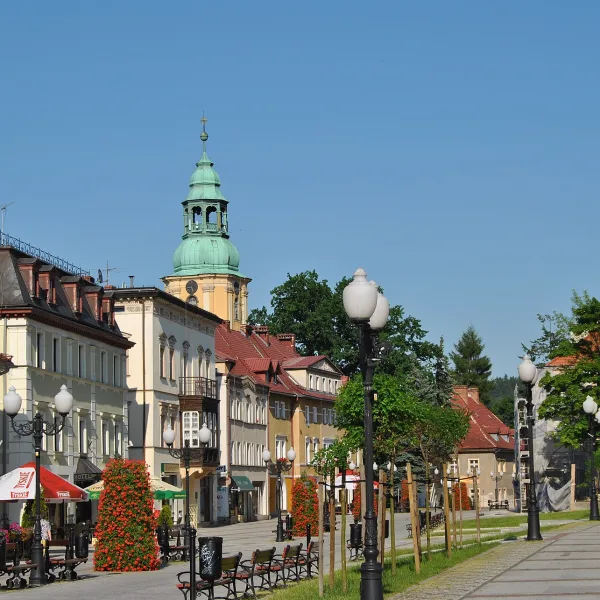
Cieplice Śląskie-Zdrój is a district of Jelenia Góra and a spa on hot springs, an independent town until 1976. The waters are thermal and weakly mineralised, and today the Cieplice Thermal Baths use them too. A walk leads through the Spa Park and the Norwegian Park, past a spa pavilion from the late 18th century. The whole town is covered on attractions in Jelenia Góra.
Frequently asked questions
What to see in Jelenia Góra alone in one day?
Chojnik Castle or the palace in Sobieszów in the morning, a museum in the afternoon, and a walk around Cieplice to finish.
Is Chojnik Castle a ruin?
Yes, it is the ruin of a Gothic stronghold on Chojnik mountain, burned by lightning in 1675.
Where to spend time in bad weather?
At the Natural History Museum, the Karkonosze Museum or a library. More ideas are under solo attractions across the region.
Do you have to pay for the lookout tower?
Entry to the terrace of the tower on Krzywousty Hill is free.

 Historic sites