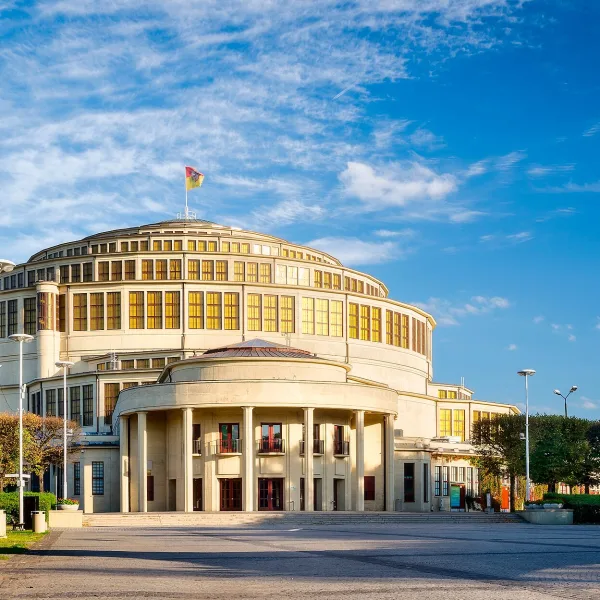
a reinforced-concrete hall with a 67-metre dome, the largest in the world at the time it was built
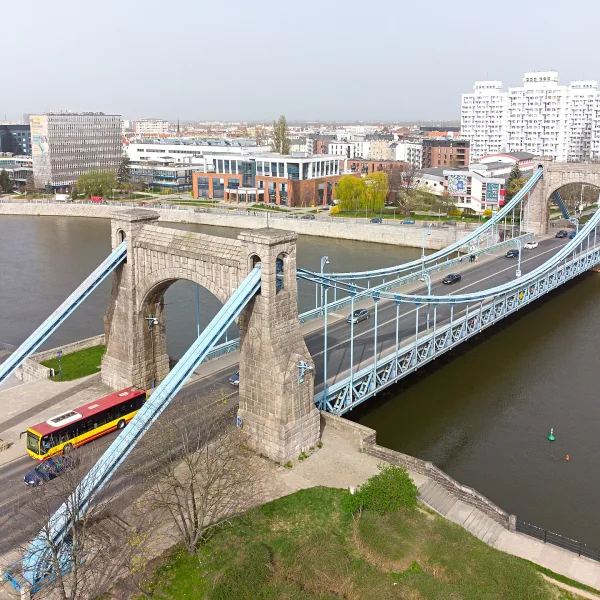
historic suspension bridge over the Oder from 1910, supported on two masonry pylons with a granite facing
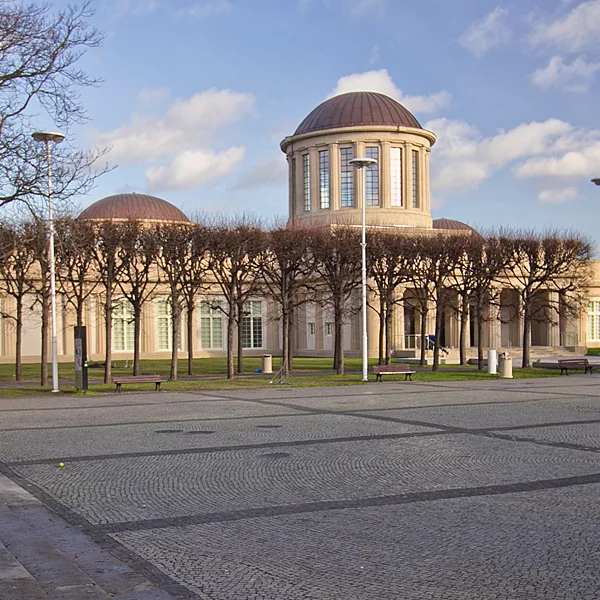
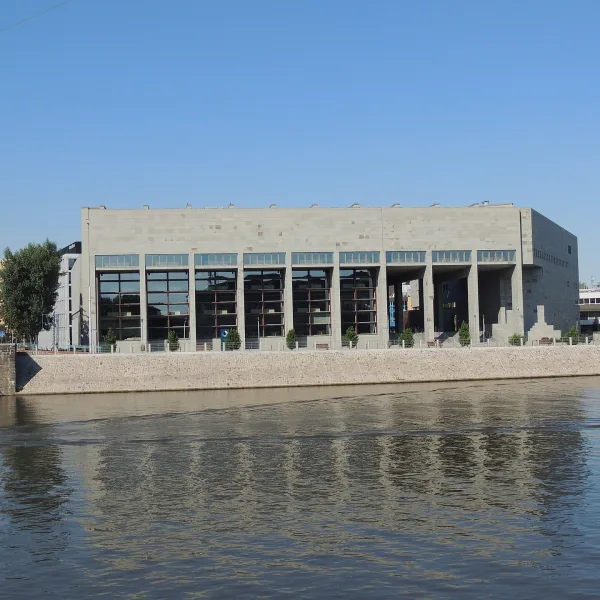
Hans Poelzig's reinforced-concrete pavilion from 1913, today a branch of the National Museum with contemporary art
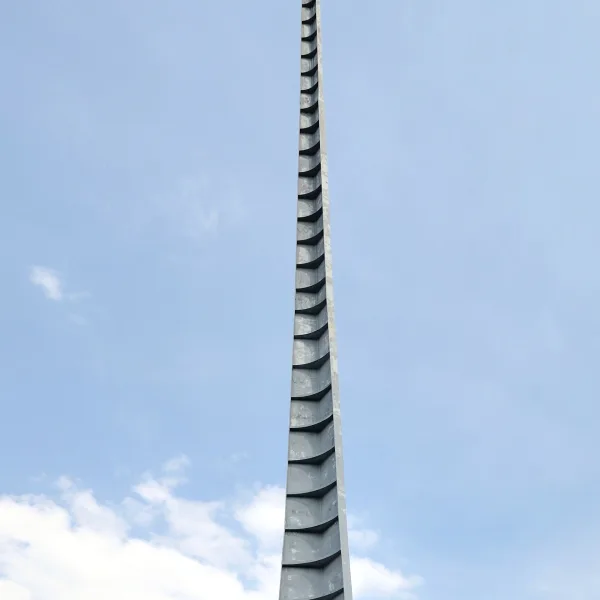
a ninety-metre steel tower from 1948, a symbol of the rebirth of the Recovered Territories
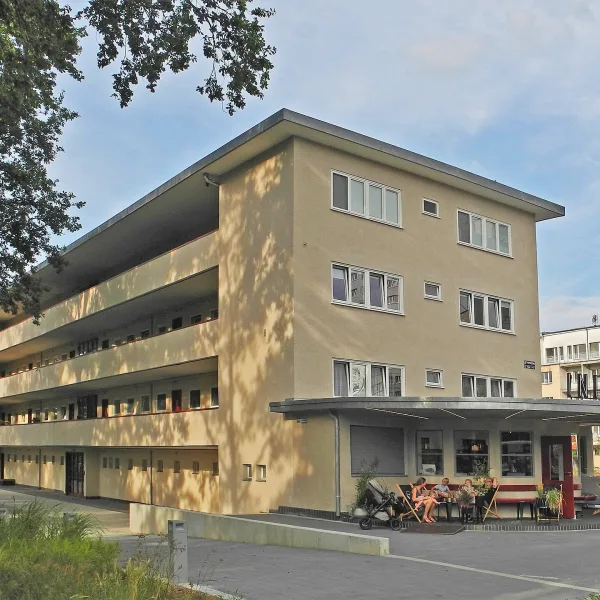
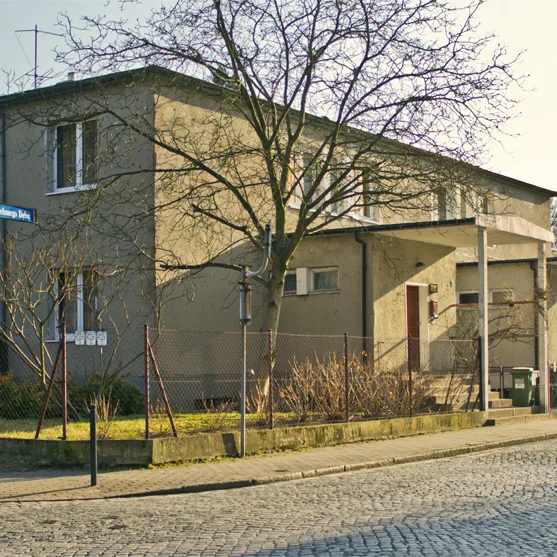
an estate from the 1929 Werkbund architectural exhibition, with the reconstructed DOIA kindergarten in the Dąbie district
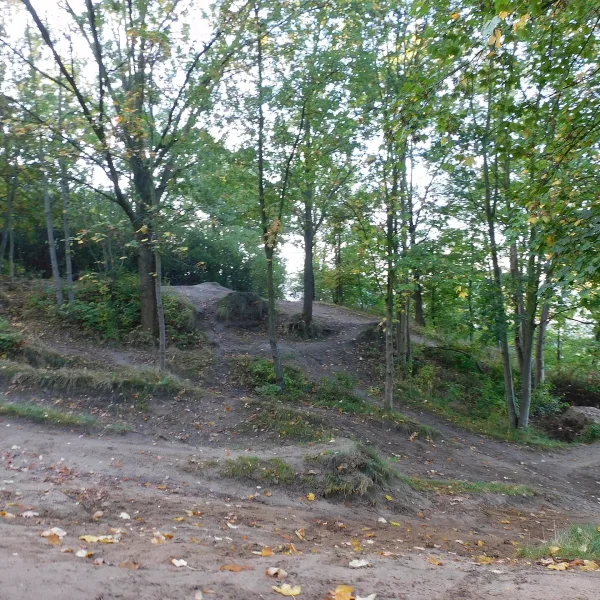
an artificially raised, wooded embankment made from earth excavated during the construction of the Flood Canal, today with cycling routes
more than 20,000 specimens of the geology of Lower Silesia and the Sudetes, gathered since the 1812 Mineralogical Cabinet
a contemporary art exhibition and business event space covering over 4,200 square metres
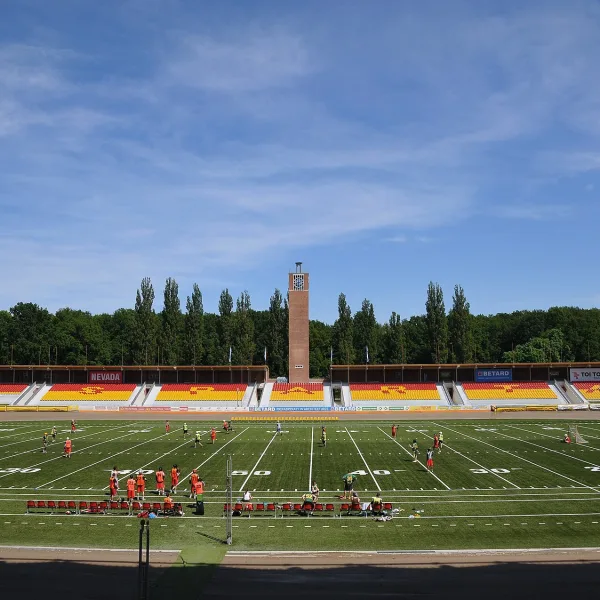
a modernist stadium by Richard Konwiarz from the 1920s, today the speedway track of the Sparta Wrocław club
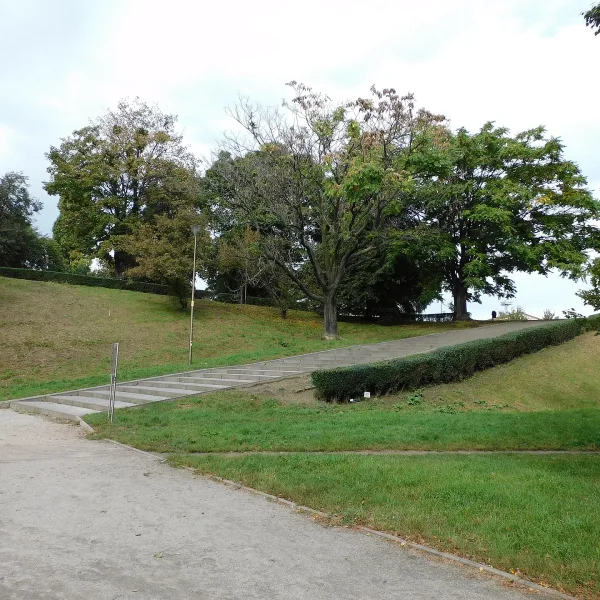
an artificially raised hill in Nadodrze with a monument in the shape of a burning votive candle and a sledging run
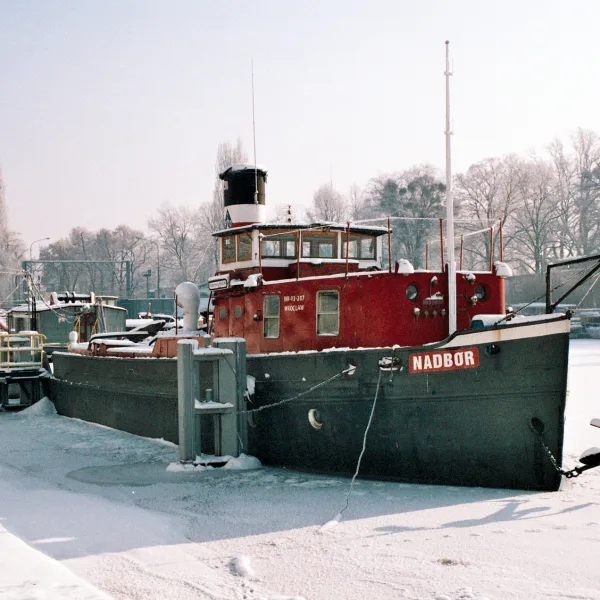
historic ships on the Oder, including the only surviving steam-powered inland tug in Poland
the main university library with roots in the Leopoldina and the world's largest collection of Silesiaca
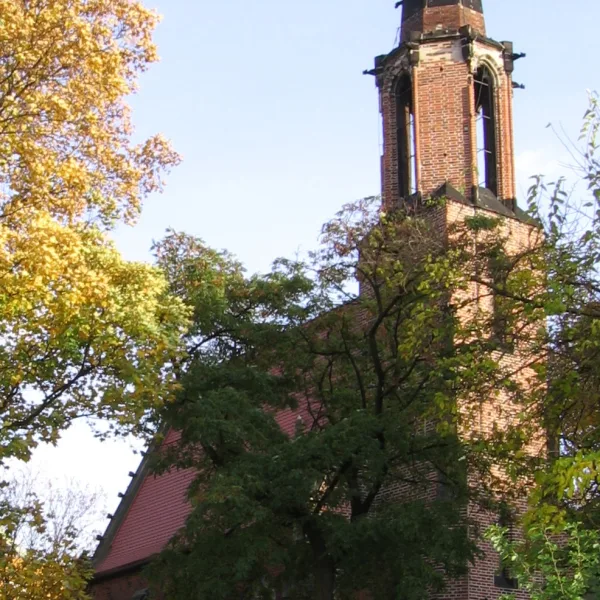
the oldest neo-Gothic church in Wrocław, today a Pentecostal place of worship
more than 30,000 mineral specimens, including five holotypes, in two university branches
a 19th-century brewery complex in Ołbin, now being converted into a residential and service complex
an academic library with a medical and pharmaceutical collection, operating since 1946
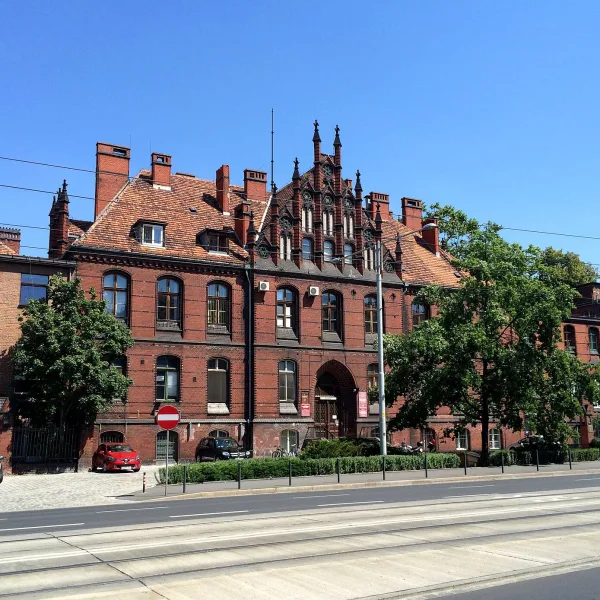
a historic complex of a former hospital from the turn of the 19th and 20th centuries, today the seat of a medical university
a library in Ołbin with the Tadeusz Różewicz archive and a quiet study room
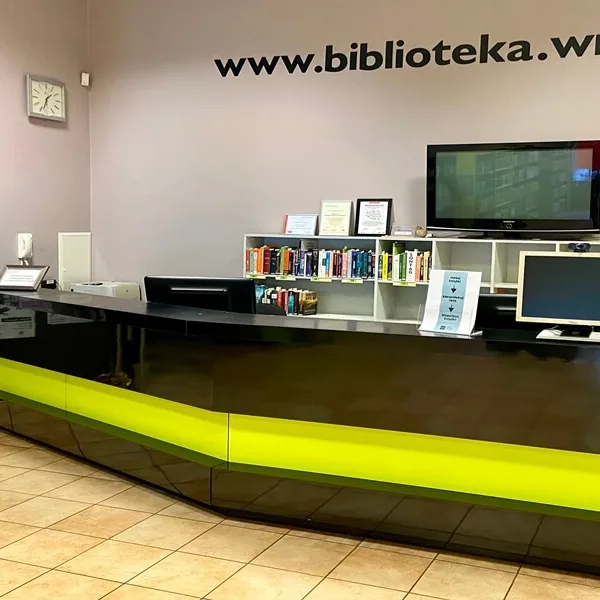
a barrier-free library near plac Grunwaldzki with book clubs and workshops for families
an experimental two-family house from the WUWA exhibition, designed by Theo Effenberger
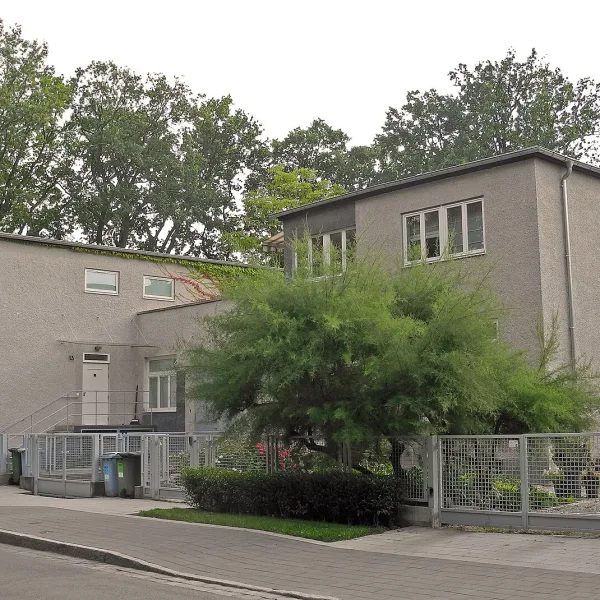
a modernist semi-detached house from the 1929 WUWA exhibition, designed by Paul Häusler
a university museum with free admission, open to outside visitors on Tuesdays and Thursdays
a collection of anatomical preparations and 19th-century models gathered by Wrocław's medical university
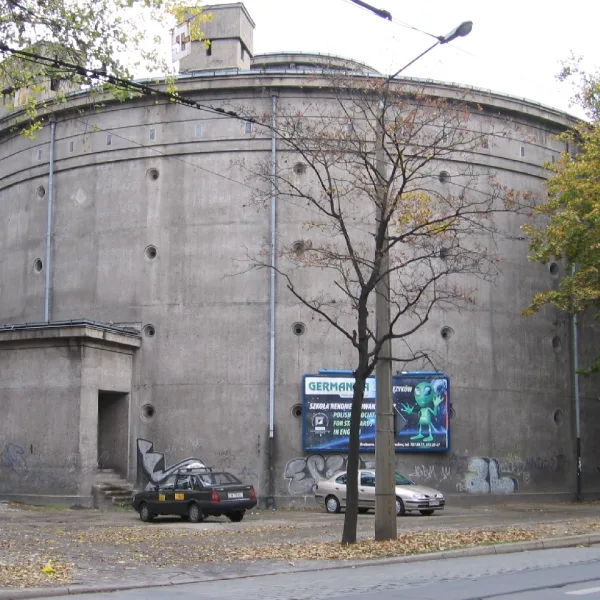
a cylindrical air raid bunker from 1941, today a storage facility for museum collections