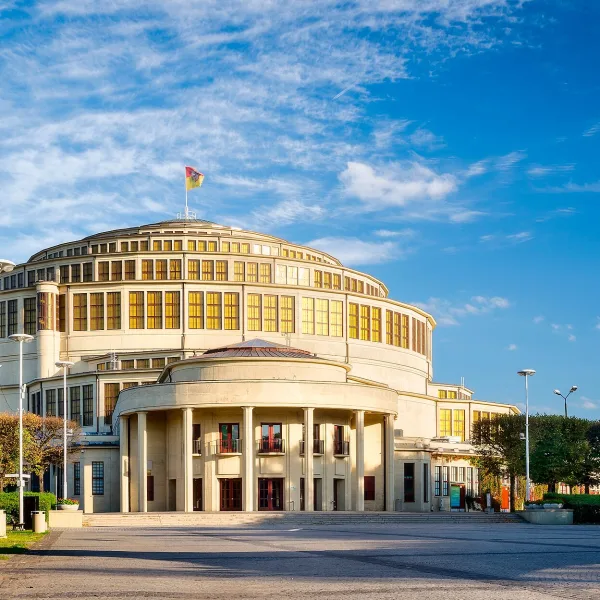
a reinforced-concrete hall with a 67-metre dome, the largest in the world at the time it was built
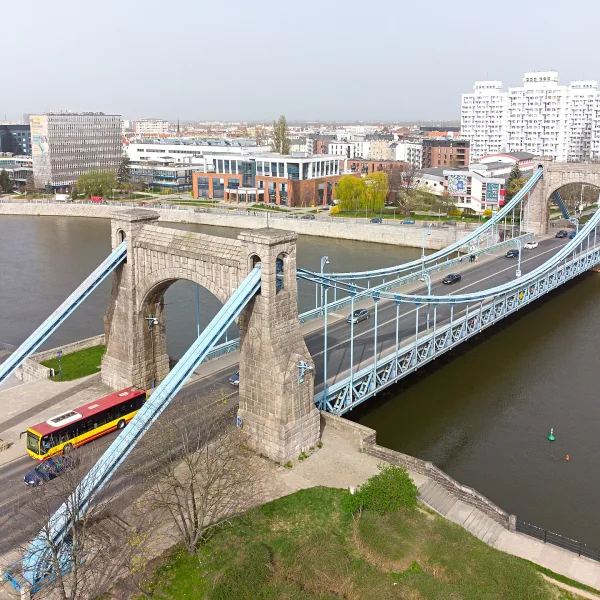
historic suspension bridge over the Oder from 1910, supported on two masonry pylons with a granite facing
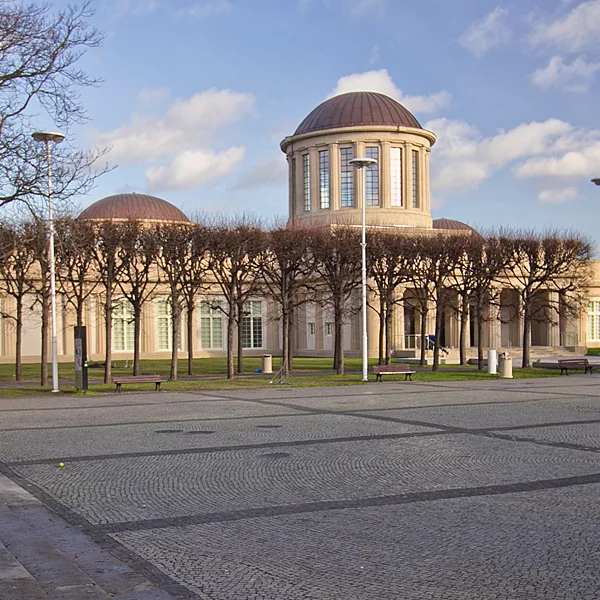
Hans Poelzig's reinforced-concrete pavilion from 1913, today a branch of the National Museum with contemporary art
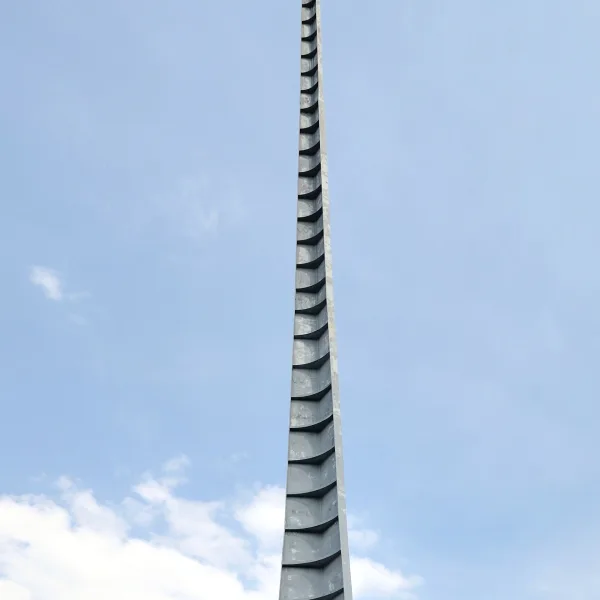
a ninety-metre steel tower from 1948, a symbol of the rebirth of the Recovered Territories
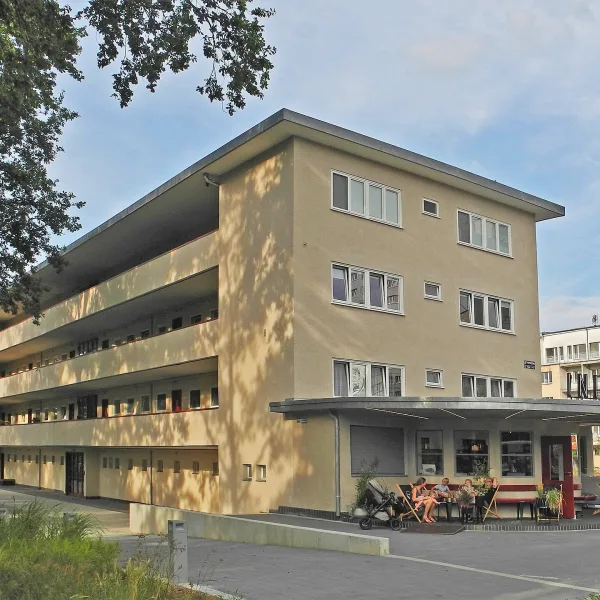
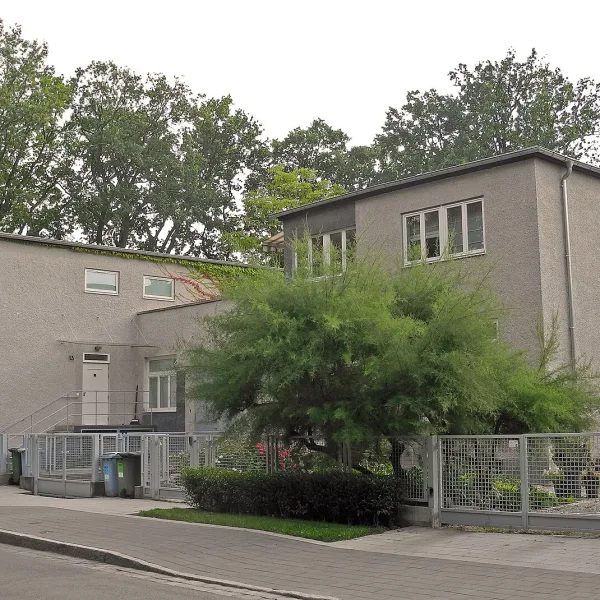
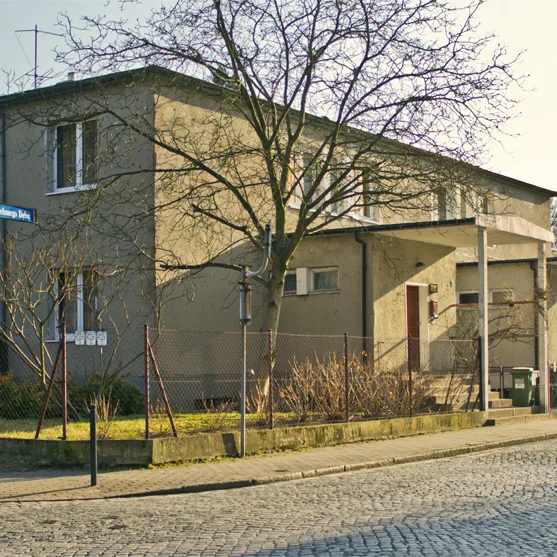
an estate from the 1929 Werkbund architectural exhibition, with the reconstructed DOIA kindergarten in the Dąbie district
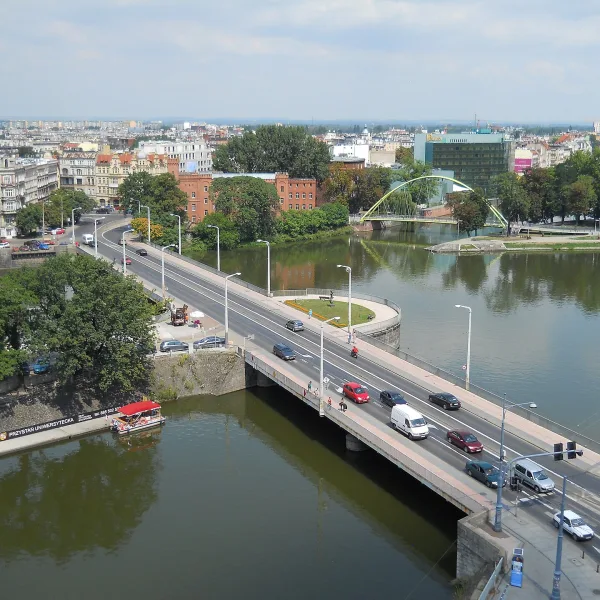
a pair of steel bridges over the Oder, right by the University of Wrocław
the largest fountain in Poland, with a geyser shooting water up to 40 metres high and seasonal shows
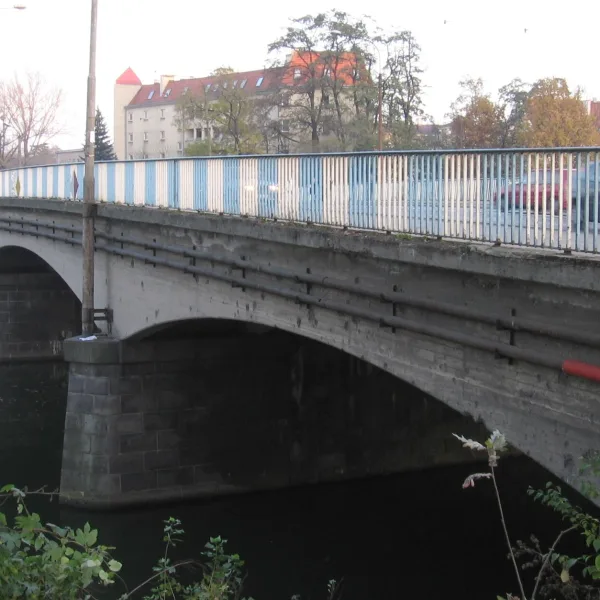
a historic arch bridge over the Stara Odra connecting Plac Grunwaldzki with Park Szczytnicki
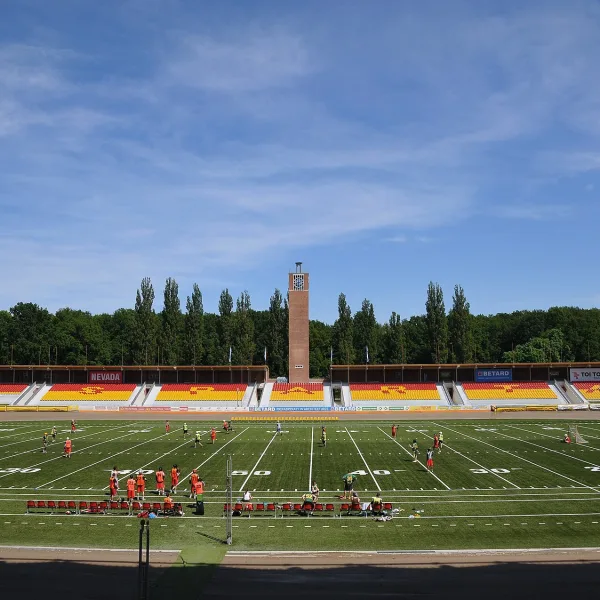
a modernist stadium by Richard Konwiarz from the 1920s, today the speedway track of the Sparta Wrocław club
twin post-war university buildings from the 1950s, combining socialist realism with classicising modernism
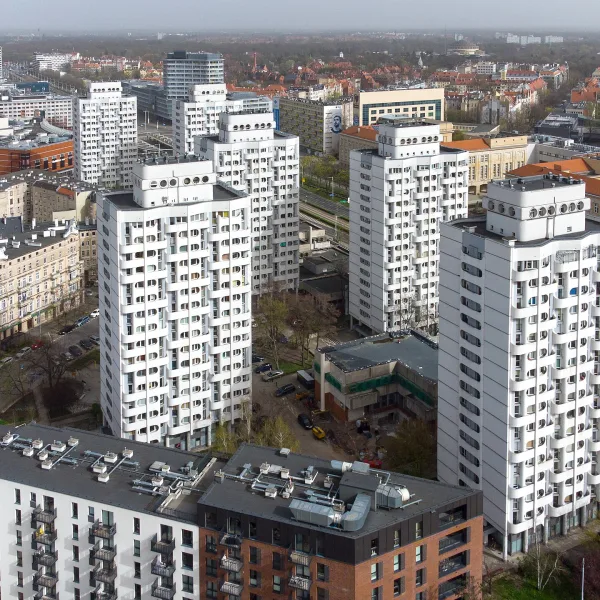
complex of tower blocks and pavilions from the 1970s known to locals as the Toilet Bowls or the Manhattan
a 19th-century brewery complex in Ołbin, now being converted into a residential and service complex
a suspended pedestrian footbridge from 1975, linking Nadodrze with Wyspa Bielarska over the Oder
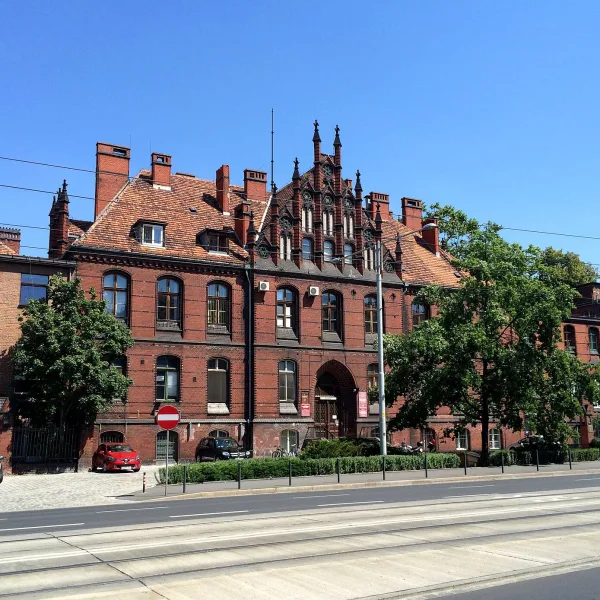
a historic complex of a former hospital from the turn of the 19th and 20th centuries, today the seat of a medical university
an experimental two-family house from the WUWA exhibition, designed by Theo Effenberger
a modernist semi-detached house from the 1929 WUWA exhibition, designed by Paul Häusler
the narrowest bridge in Wrocław, a steel structure from 1913-1917 over the Flood Canal
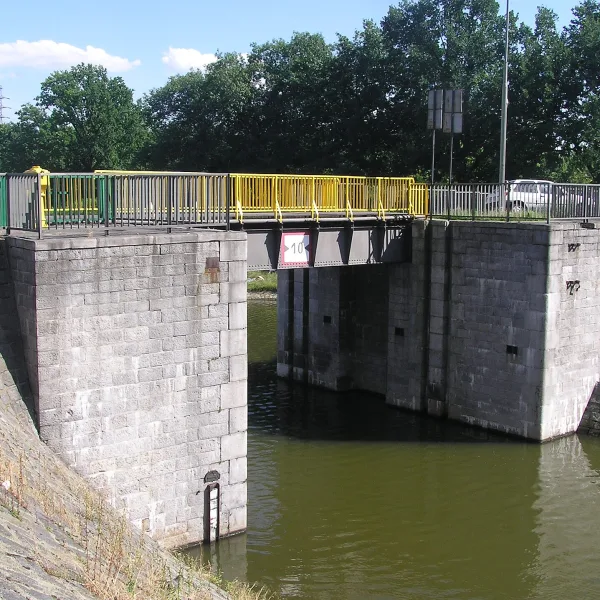
a wooden footbridge built into the Flood Gate structure of the Psie Pole water step
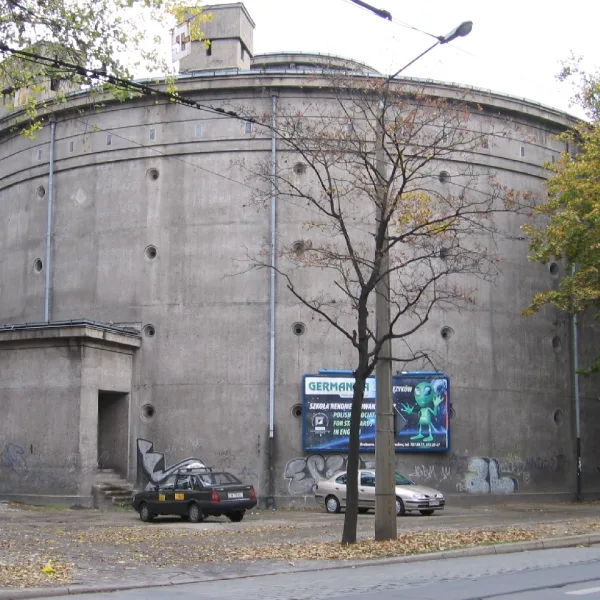
a cylindrical air raid bunker from 1941, today a storage facility for museum collections
three identical point blocks from 1968 known as the triplets, awarded in a plebiscite for Mister Wrocław
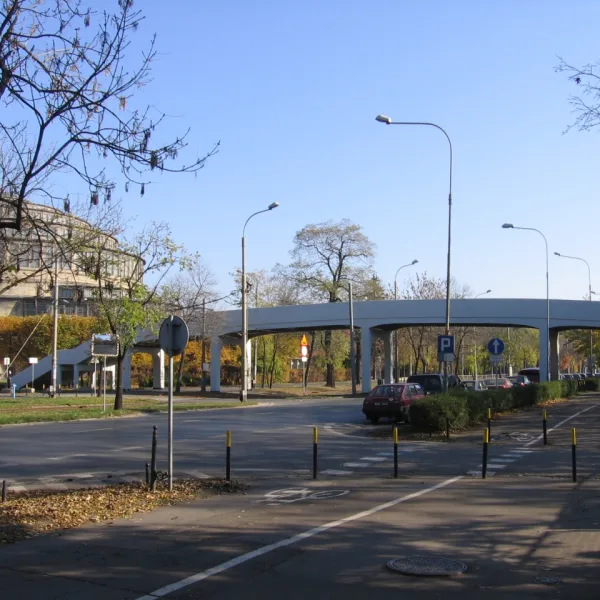
two pedestrian footbridges from 1926 over Wróblewski street, linking the area around the zoo and the Centennial Hall
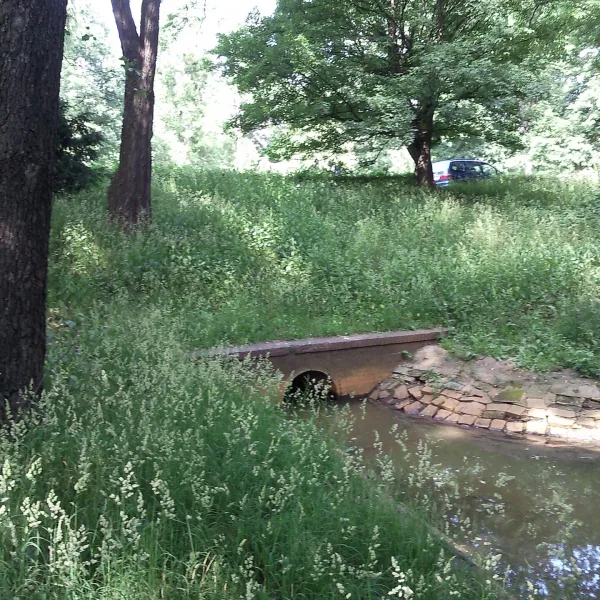
a culvert made of prefabricated reinforced concrete pipe from 1912-1917, carrying the waters of the Czarna Woda