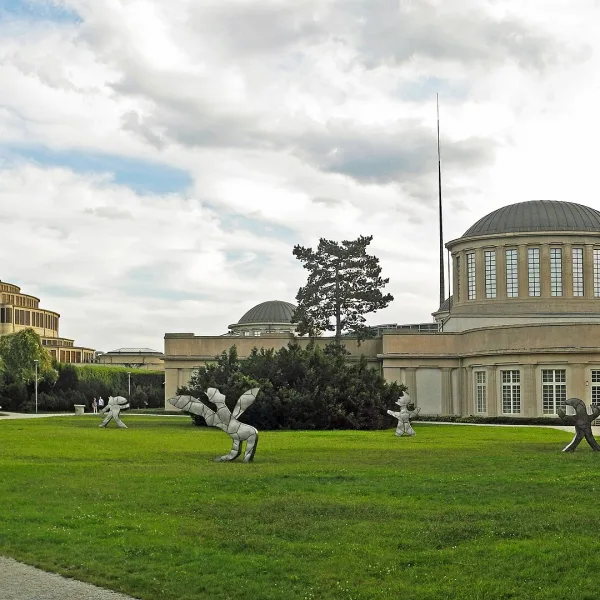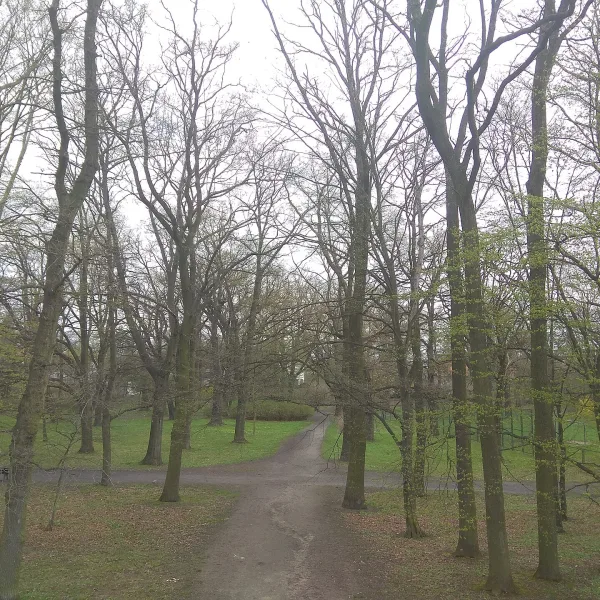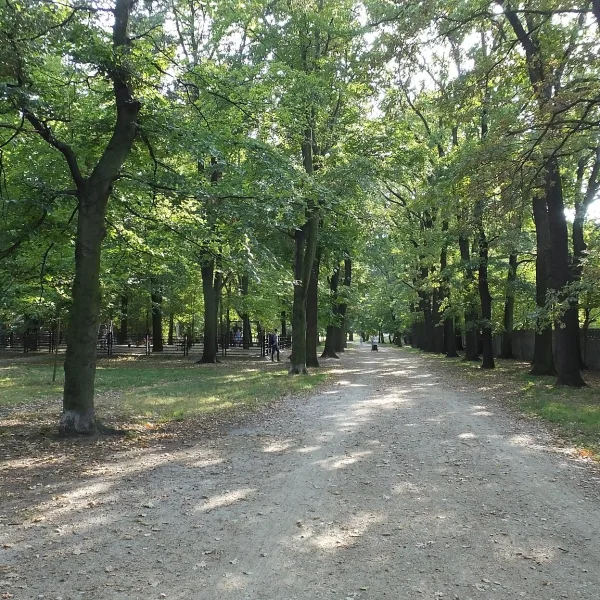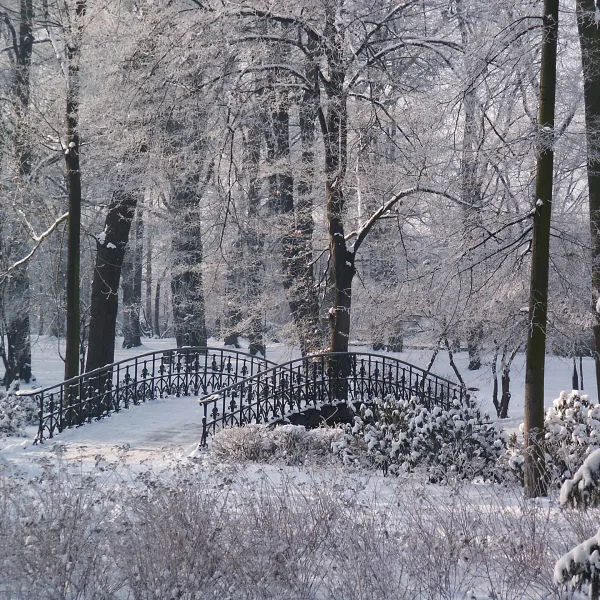
a hundred-hectare landscape park with the Japanese Garden laid out between 1909 and 1912
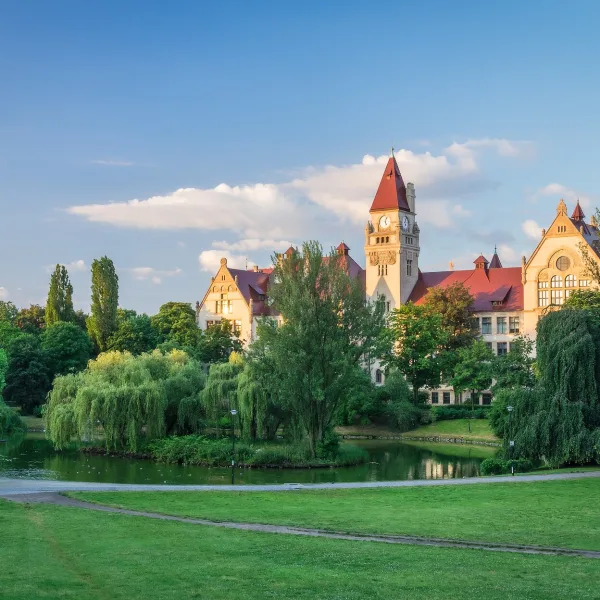
a landscape park in Ołbin with a pond on a former bed of the Oder and an artificial mound
a complex of exhibition grounds with the Centennial Hall, a multimedia fountain and an entrance to the Japanese Garden
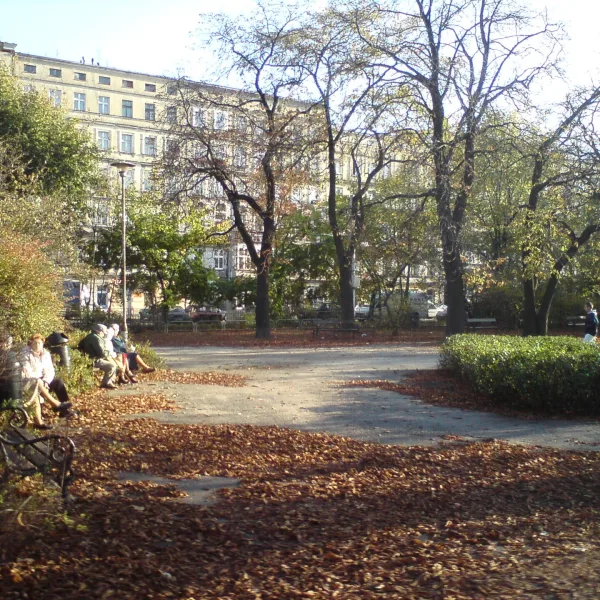
a triangular park in Nadodrze, laid out on the site of a former horse market called Rossplatz
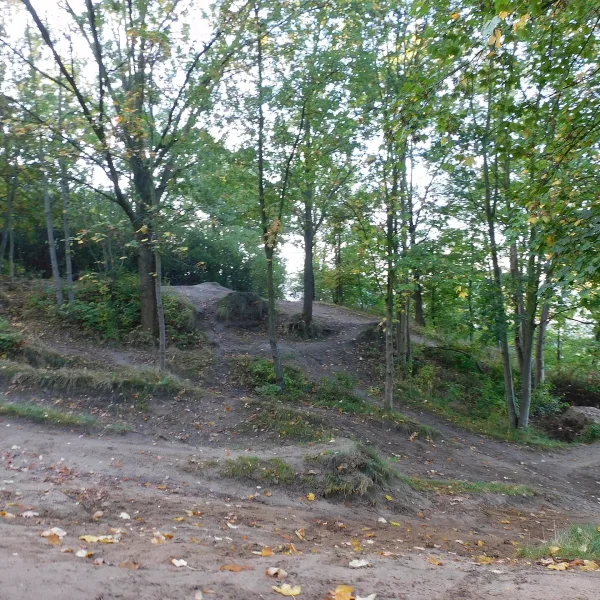
an artificially raised, wooded embankment made from earth excavated during the construction of the Flood Canal, today with cycling routes
10 hectares of greenery in Biskupin with tennis courts, sports pitches and a fitness trail, created through community work
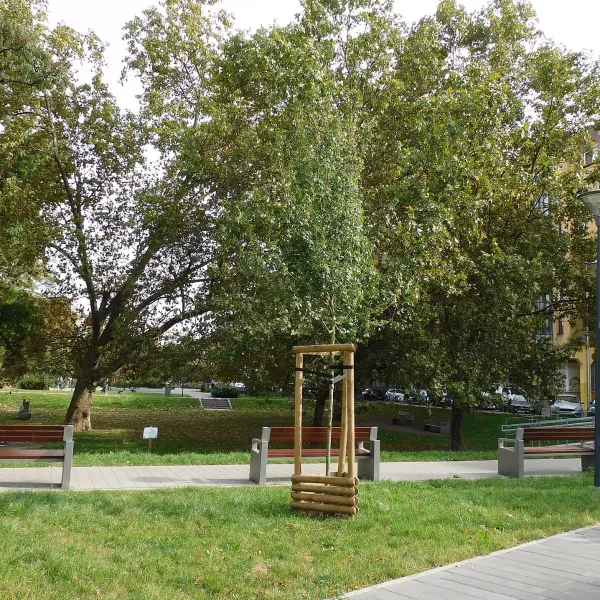
an intimate park in Ołbin separated from the neighbouring park in 2011, with the church of St Michael the Archangel
a green patch of Wielka Wyspa by the Oder, right next to the zoo, Centennial Hall and Szczytnicki Park
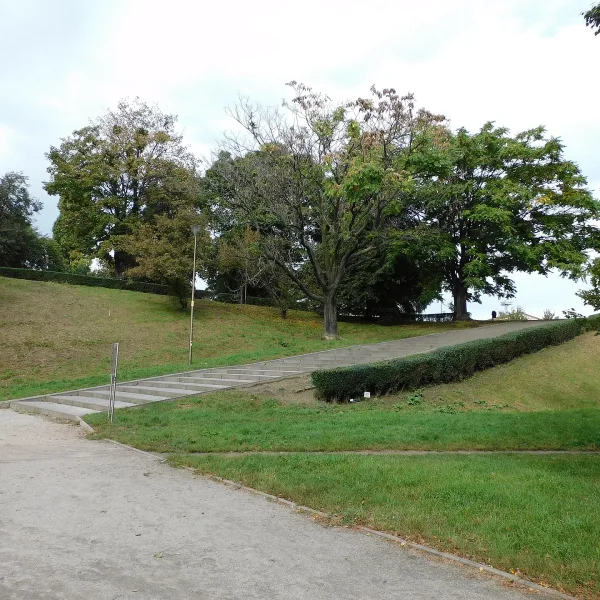
an artificially raised hill in Nadodrze with a monument in the shape of a burning votive candle and a sledging run
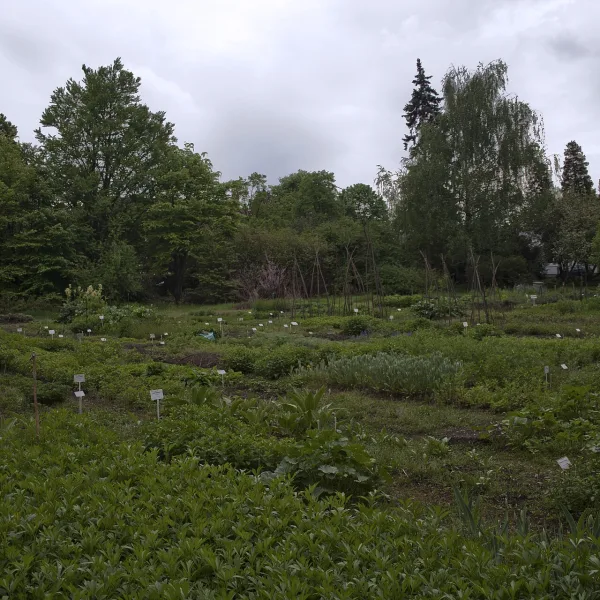
six sections with around 1,900 plant species and a fragment of natural riparian forest from 150 years ago
a sculpture of a woman with books commemorating volunteers who fought the 1997 flood
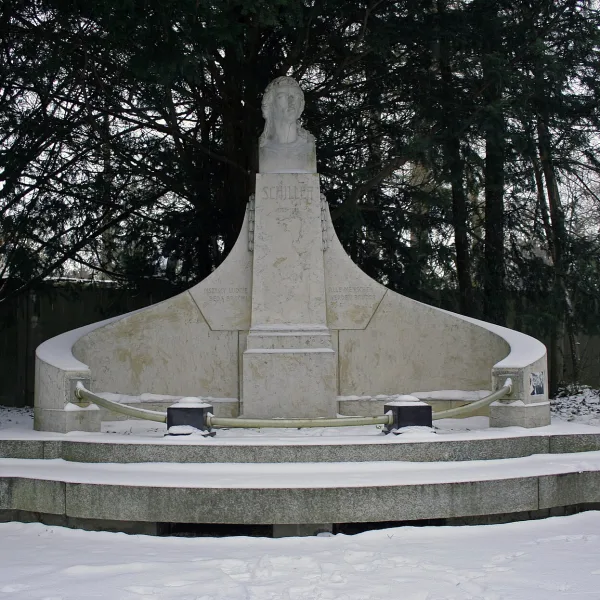
a bust of the German poet in Szczytnicki Park, destroyed after the war and recreated in 1995
a green block in Ołbin bearing the name of a former 18th-century group of bastions
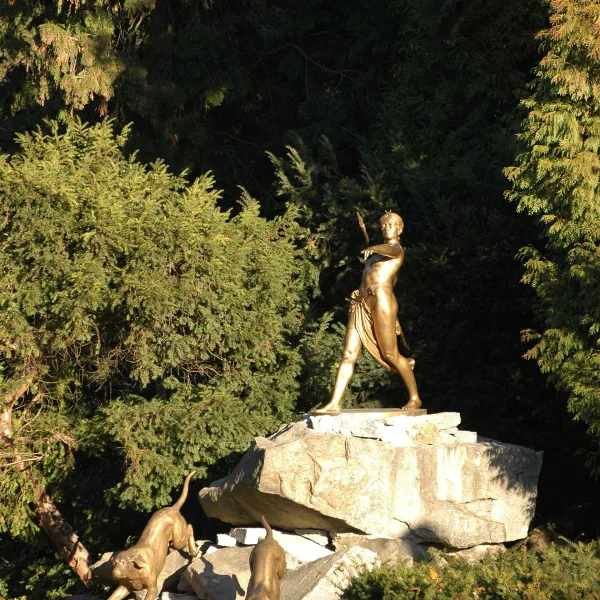
a reconstructed statue of the goddess Diana in Szczytnicki Park, recreating a monument lost in 1945
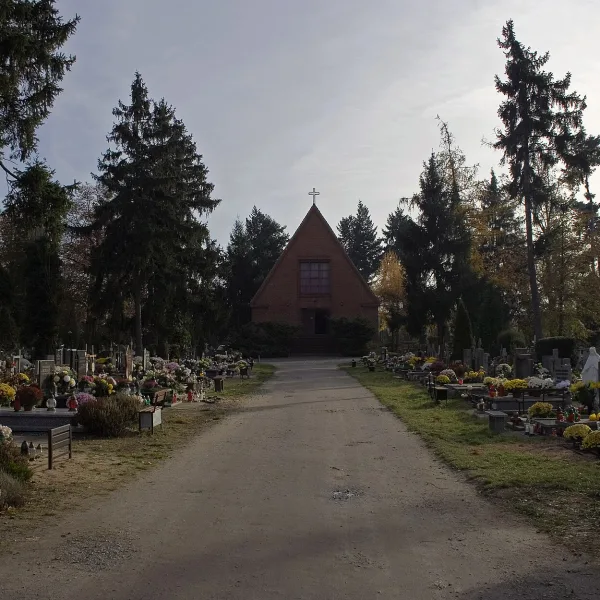
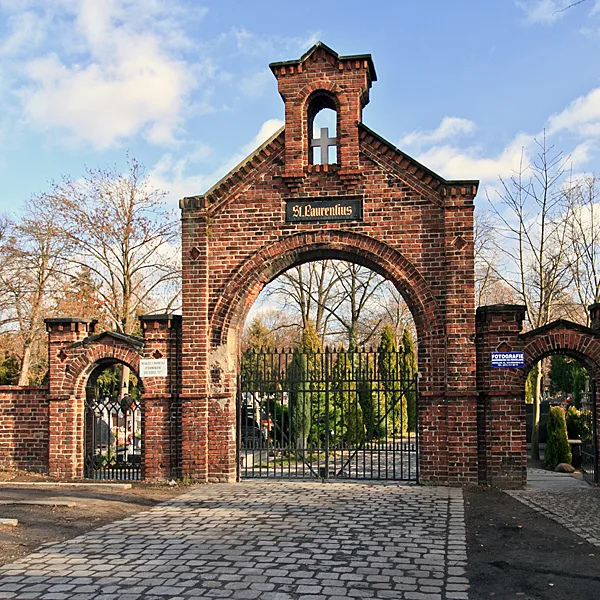
a historic necropolis from 1866 with a brick entrance gate and the graves of eminent Wrocław residents
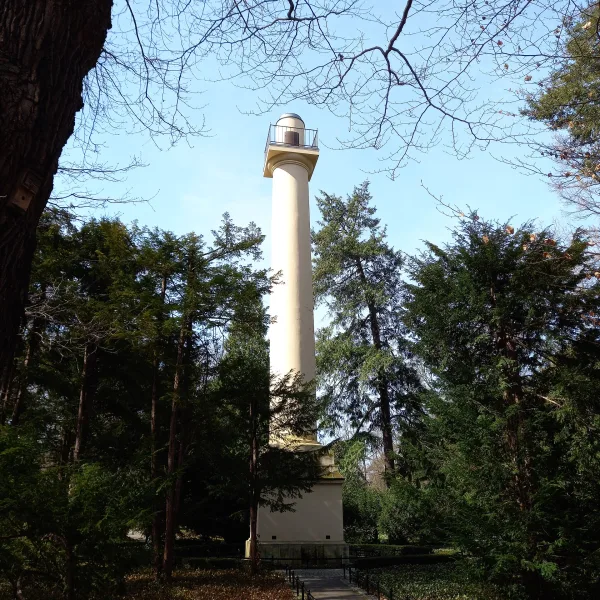
a classicist column from 1806 in Szczytnicki Park, modelled on the Roman Trajan's Column
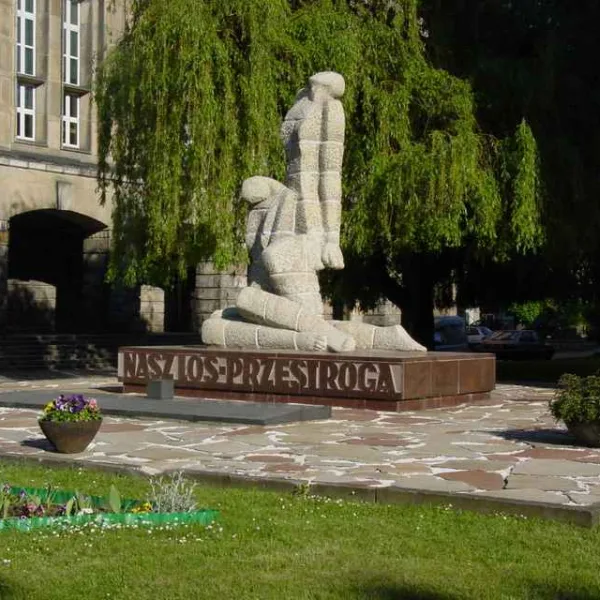
a green square in Ołbin with a monument to civilian victims of the Second World War and a commemorative stone for scouts
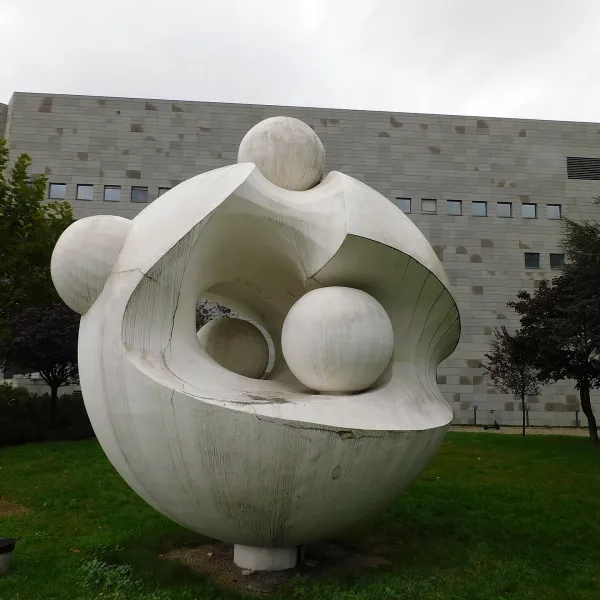
a white reinforced-concrete sphere with a bore through which the cathedral tower can be seen
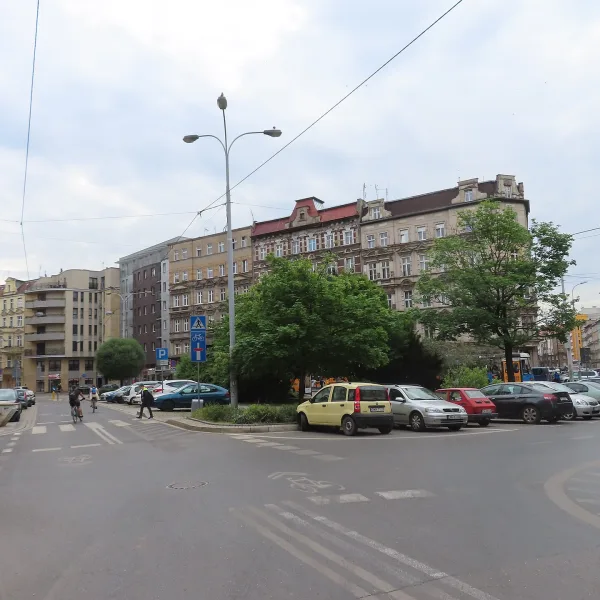
a former 19th-century green square over a filled-in branch of the Oder, with a surviving historic public toilet
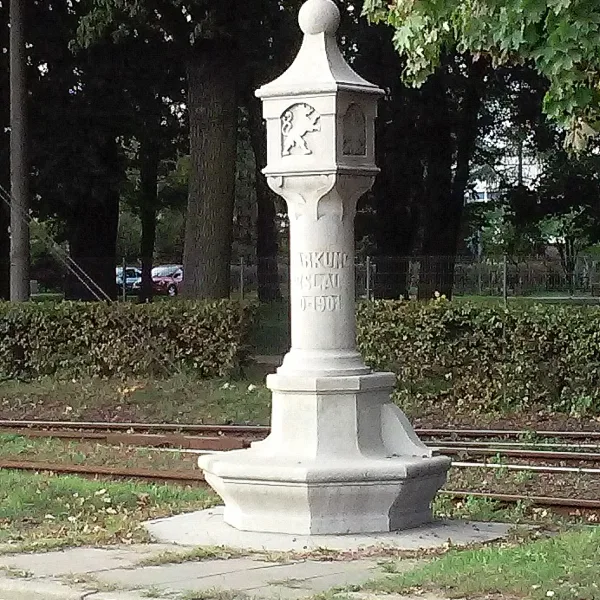
the city's granite boundary pillars from the turn of the 20th century, a symbol of the coming century
central square of the Sępolno estate, designed as a garden city on the plan of the Lower Silesian eagle
a monument to the professors of Lwów's institutions of higher education murdered in 1941, unveiled in 1964
a 12-metre cross piercing a wall, consecrated in 2000 by Cardinal Henryk Gulbinowicz