Architecture in Wałbrzych combines Książ Castle, ruins, the neoclassical Albertich Palace and the former Teresa mine. See how they differ.
What do the castles and ruins of Wałbrzych look like?
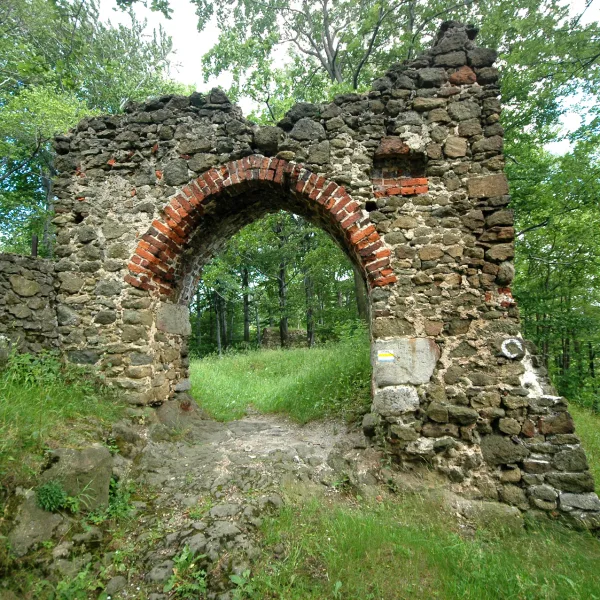
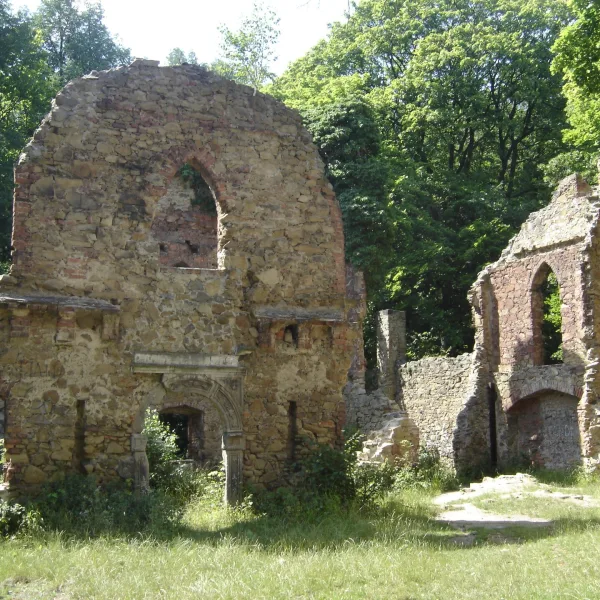
Książ is the third-largest castle in Poland after Malbork and Wawel, built above the Pełcznica ravine. It covers about 42,840 square metres, and tunnels from the Second World War run beneath it. Building on the site of a wooden stronghold ran from 1288 to 1292, and the first mention of the castle dates to 1293. The fortress was seen as a strategic key to Silesia. Its neighbour Stary Książ Castle is a separate site: an artificial ruin rebuilt in the late 18th century as a scenic feature for Książ. Older still is Nowy Dwór Castle, the ruin of a medieval stronghold from the turn of the 14th century in the Wałbrzych Mountains. You reach it by the yellow trail. A fire in 1581 damaged it so badly that its owners, the Czettritz family, left.
What marks the neoclassical style in the city centre?
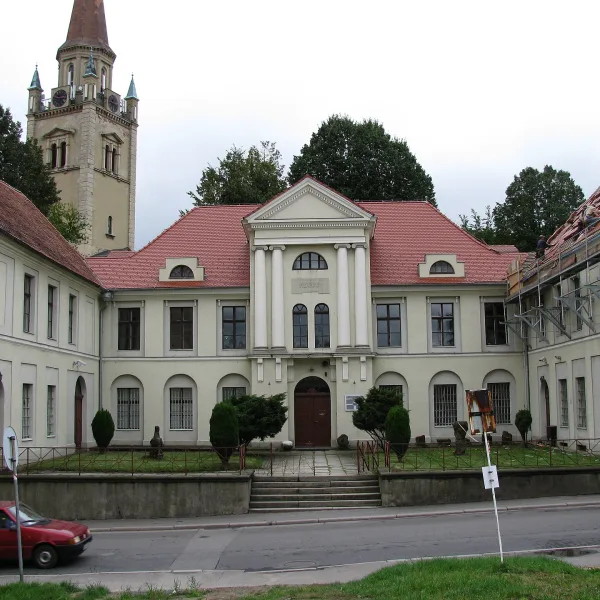
The Albertich Palace was built in 1801-1803 to a design by L. Niederräcker, a pupil of C. G. Langhans. It is made of brick and stone, has two storeys, and three wings form a U-shaped plan. It began as a merchant residence for J. Sonnabend and owes its name to the Albertich family, who bought the estate in 1834. The date 1801 appears on the facade. Since 1926 it has housed the municipal museum, now working as the Porcelain Museum.
Where can you see industrial heritage?
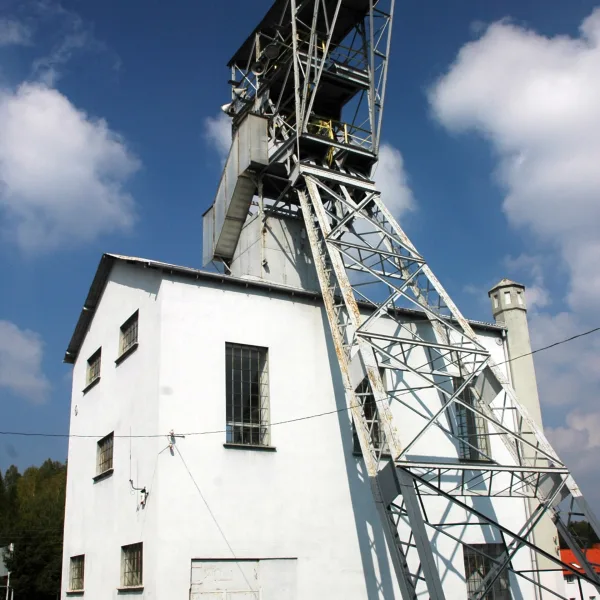
The Teresa Coal Mine operated in 1864-1991 and is listed as a monument. Today it houses a private museum of mining and motorsport. The palace and the mine carry the "Na deszcz" (rainy day) tag, so they suit poorer weather. Add the mountains, the museums or the churches and monasteries. All ideas for the city are on attractions in Wałbrzych, and architecture across the region is covered by architecture in Lower Silesia.

 Historic sites