Nature in Wałbrzych means wooded peaks of the Wałbrzych Mountains and a reserve on the Pełcznica. See what the hills are made of.
What rocks make up the Wałbrzych hills?
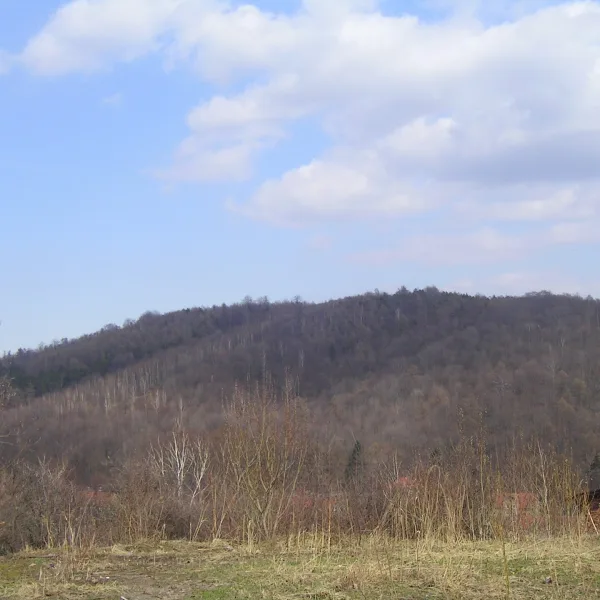
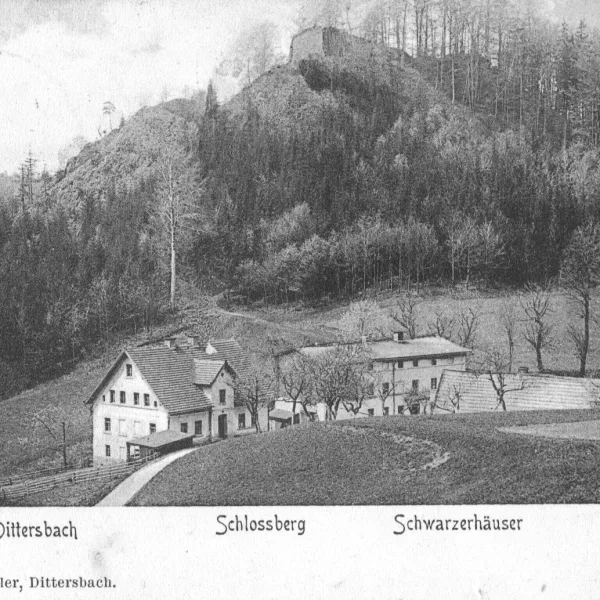
Zamkowa Góra (618 m) is built of effusive rock, Permian melaphyre. It is a cone with steep slopes and a flat summit, and the Pełcznica flows below it on the north-west side. The whole area lies in the Wałbrzych Sudetes Landscape Park. Barbarka (635 m) consists of porphyries and their tuffs, and its slopes are formed of sandstones, conglomerates and shales with coal seams. Ptasia Kopa (590 m) is made mainly of conglomerates and greywacke, and its slopes hold traces of lead and silver mining from the 14th and 15th centuries.
Where do you meet forest and traces of a glacier?
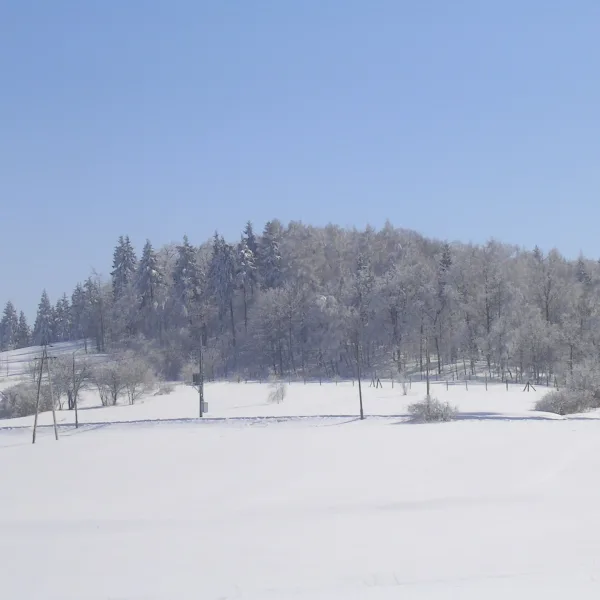
The summit of Lisi Kamień (613 m) is covered with spruce forest mixed with deciduous trees. On the slopes are traces of old silver ore mining and erratic boulders left by the reach of an ancient glacier. Almost the whole summit of Barbarka is forested today too, though in the mid-18th century Baron von Czettritz-Neuhaus opened the Ernestine coal mine on its northern slope. Czarnota (526 m) ends the northern part of the ridge, and Czarnuszka (562 m) lies in its middle.
What is the Przełomy pod Książem reserve?
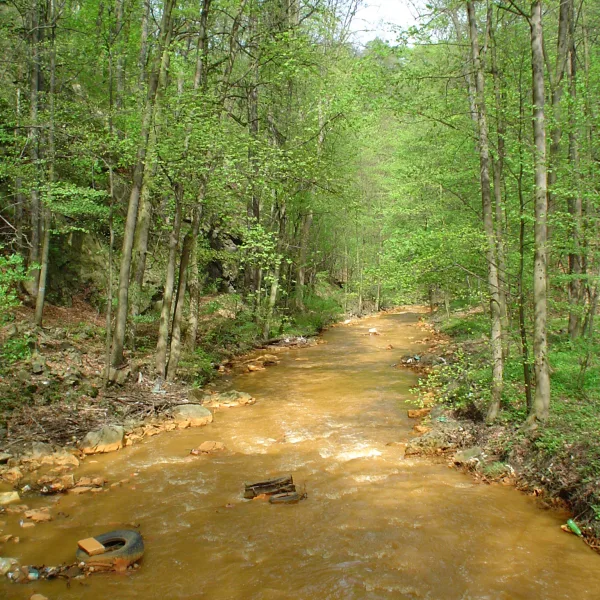
The Przełomy pod Książem nature reserve was created in 2000 and protects the landscape of the rocky Pełcznica and Szczawnik valleys, with their forests and the species living there. It now covers 230.95 hectares and lies in Książ Landscape Park, within Wałbrzych and the municipality of Świebodzice. The slopes of both valleys are steep and rocky. All these places carry the "Przyroda" (nature) tag, and most also "Piękne widoki" (beautiful views).
For a walk in a city park, see parks and nature. The whole of Wałbrzych is on attractions in Wałbrzych, and nature across the region is on nature in Lower Silesia.

 Mountains