World War II sites in Lower Silesia: the Riese tunnels, the Gross-Rosen camp, air-raid shelters and memorials. See what you can visit.
Which World War II sites can you visit in Lower Silesia?
The region has kept several different traces of the war: underground works from 1943-1945, the grounds of a former concentration camp, concrete air-raid shelters and memorials to victims. Each tells a different part of the story and calls for a different mindset. Below are five places that open the subject, from the largest underground complex to a modest monument on a hillside.
Some of these are museums with tickets and routes, others are places of remembrance where people simply come in silence. Keep that in mind when you plan, especially with children and teenagers. Check hours and visiting rules on each site's page.
What is the Riese complex, and what do you see at Włodarz?
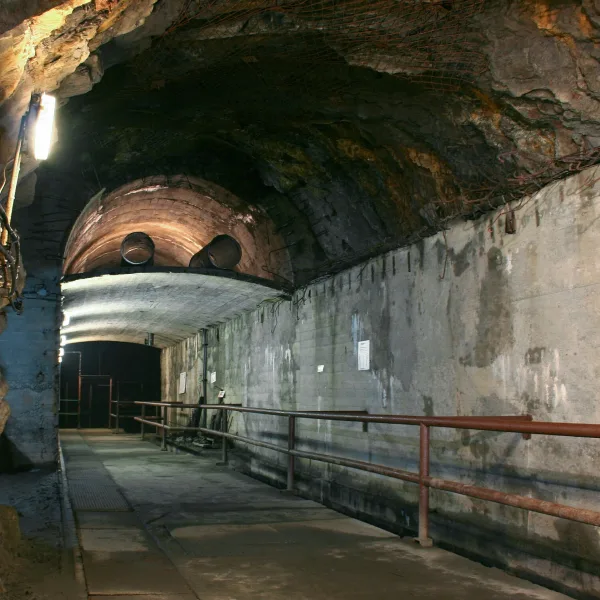
The Riese Włodarz underground complex is part of a German project codenamed Riese ("Giant"), the largest mining and construction undertaking of Nazi Germany in 1943-1945. Włodarz lies in the Owl Mountains (Góry Sowie), in the municipality of Głuszyca, and is today the largest part of the whole complex open to tourists. Work began as Allied air raids intensified and forced Germany to move part of its strategic production to the safer Sudetes.
Underground there is a dense network of tunnels crossing at right angles, with four entrances and one of the largest unfinished halls. About 3,200 metres of tunnels are open to visitors. The route includes an underground cinema and a boat crossing. This is a place where history is visible in rock and concrete, not just on information boards, so it suits teenagers who like tangible traces.
On the portal the site carries tags for solo visits, couples and families, and for rainy days, because most of the route runs underground.
What do we know about Gross-Rosen, and how do you visit?
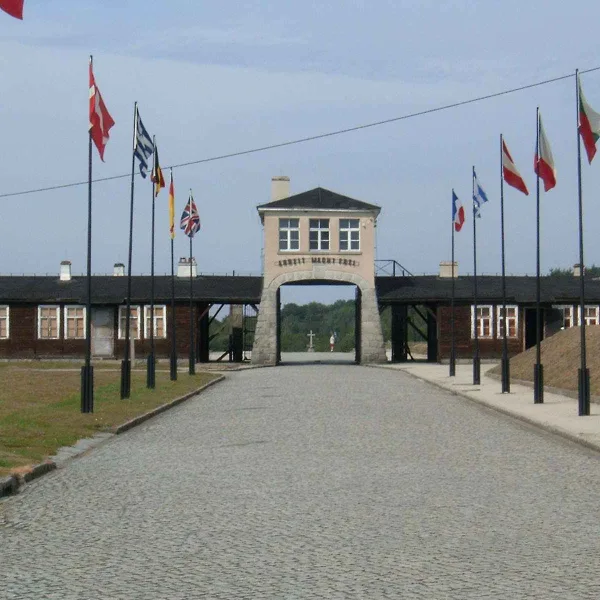
The Gross-Rosen Museum in Rogoźnica stands on the grounds of a former German Nazi concentration camp, founded in the summer of 1940 near today's village of Rogoźnica. The first hundred prisoners, including 98 Poles, arrived on 2 August 1940. From the start, prisoners worked quarrying granite in a nearby quarry. In May 1941 the camp became administratively independent and was no longer a branch of another camp, and by 1944 it stood at the head of a network of subcamps.
Today it is a museum and a place of remembrance for the victims. A visit takes concentration and time; it is not an interlude between entertainments. Come prepared, especially if you are guiding young people. The site carries the "rainy day" and solo-visit tags on the portal.
Where can you see wartime shelters in Wrocław?
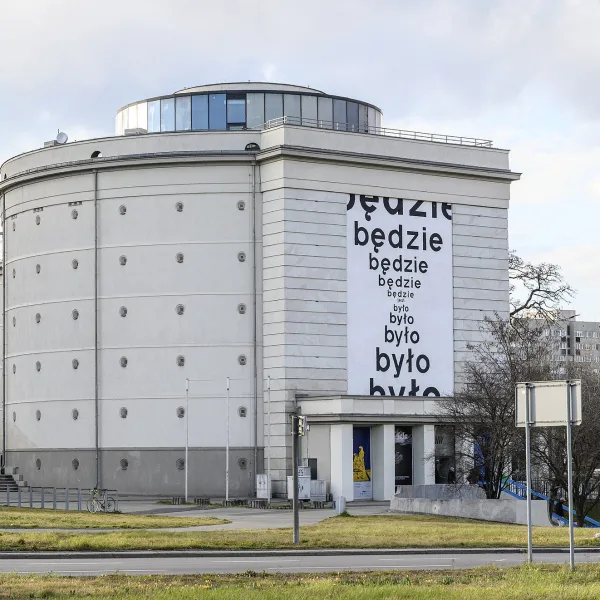
Wrocław has two air-raid shelters that have changed function. The first is the Wrocław Contemporary Museum in Szczepin on plac Strzegomski. It is housed in an above-ground air-raid shelter built in 1942 to a design by the architect Richard Konwiarz for civilians during air raids. The building has six storeys, walls more than a metre thick and a ceiling 1.5 metres thick. The museum is the only institution in Poland located in such a structure, hence its nickname, "a shelter for art". It opened on 2 September 2011 and focuses on contemporary art.
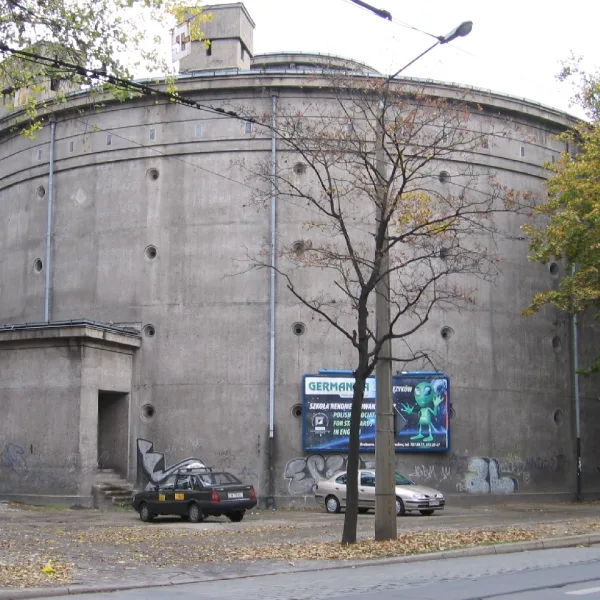
The second is the air-raid shelter on Ołbińska Street in Nadodrze. It is cylindrical, about 32 metres in diameter and over 20 metres tall. The roof is 2 metres thick and the walls 1.10 metres, dimensions meant to withstand bombing. The concrete bunker is dated to 1941 in the heritage register, where it appears under number 91/A/02 of 19 July 2002. Today it serves as a museum storage facility, so you mainly look at it from outside, as a mass set into the urban fabric. We have no information about regular access to the interior, so check before you go whether you can go in.
Where can you pay respects to the victims in Kamienna Góra?
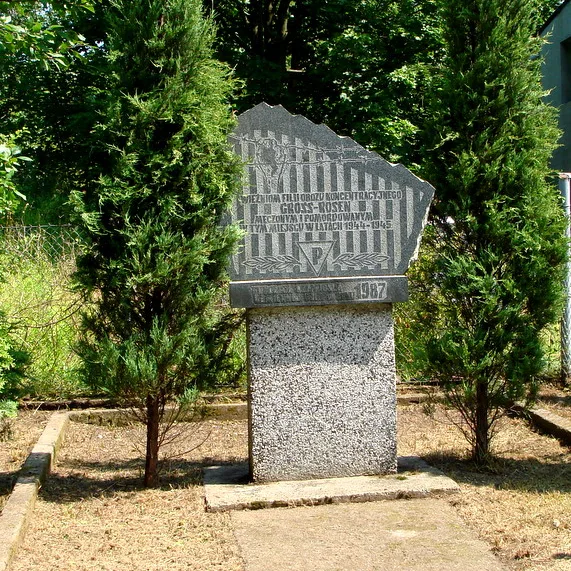
The symbolic grave of the victims of Gross-Rosen in Kamienna Góra commemorates the prisoners of the Arbeitslager Landeshut subcamp, a branch of the Gross-Rosen camp. The subcamp operated from 16 July 1944 to 8 May 1945, that is 292 days. It was a men's camp holding prisoners from many European countries: Poles, Czechs, Slovaks, Russians, Germans, Belgians, French, Italians, Jews, Belarusians, Ukrainians and Albanians.
Two places keep the memory of the victims: a grave in the municipal cemetery and a monument on the slope of Góra Parkowa. Entry is free. This is not a tourist attraction in the usual sense but a place of reflection, so behave as you would in a cemetery.
How do you plan a route through these places?
The sites on this list lie far from each other, so you cannot see them in one day. Riese Włodarz in Głuszyca and the grave in Kamienna Góra are two directions in the Sudetes, Rogoźnica lies on another axis, and both shelters are in Wrocław. The easiest plan is two or three days: one for Wrocław, one for the Owl Mountains and a third for the camp.
Start with the places that are easier to approach. The Contemporary Museum is both a shelter and an art museum, so you can combine it with an exhibition. Only then move to the heavier subjects: the camp and the memorials. If you travel with children, check whether the story will be too hard and adapt the visit to their age.
Frequently asked questions
Which World War II site in the region is the largest?
The largest part of the Riese complex open to tourists is Włodarz in the Owl Mountains, with about 3,200 metres of tunnels for visitors.
Can you see an exhibition inside an air-raid shelter?
Yes, at the Wrocław Contemporary Museum, which operates in an above-ground shelter from 1942. The shelter on Ołbińska Street serves today as museum storage.
Is entry to the Gross-Rosen camp free?
Check entry rules and hours on the museum's page in Rogoźnica. The free place in this set is the memorial in Kamienna Góra.
Are these places good for rainy days?
Riese Włodarz, the Gross-Rosen Museum, the Contemporary Museum and the Ołbińska shelter carry the "rainy day" label. The memorials in Kamienna Góra are outdoors.
Should I visit with children?
Włodarz or the Contemporary Museum can be easier for younger visitors. The camp and the memorials need preparation and a conversation afterwards, so match them to age.

 Museums