Cemeteries and necropolises in Lower Silesia: mausoleums, war cemeteries and Jewish burial grounds. See what survives and where to read the history.
Which Wrocław cemeteries matter most historically?
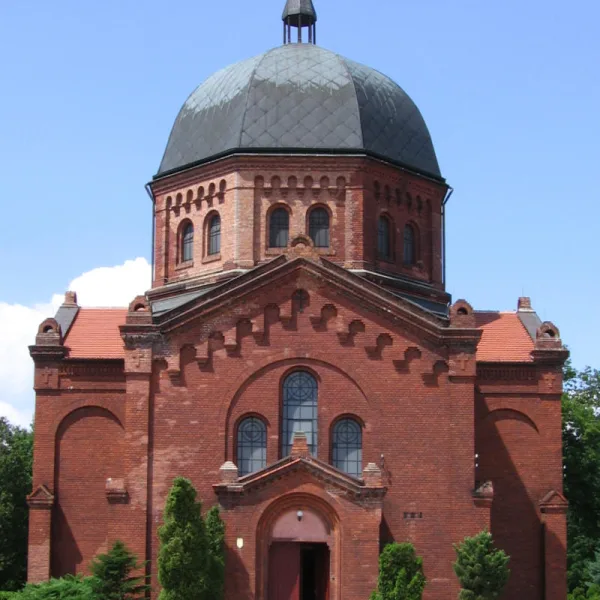
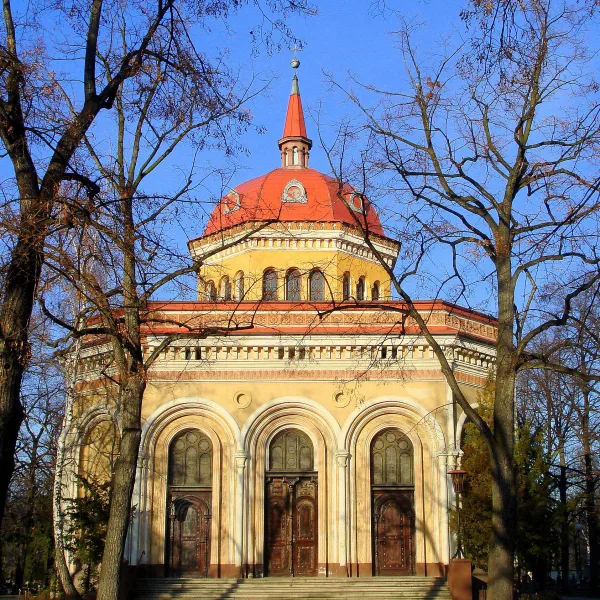
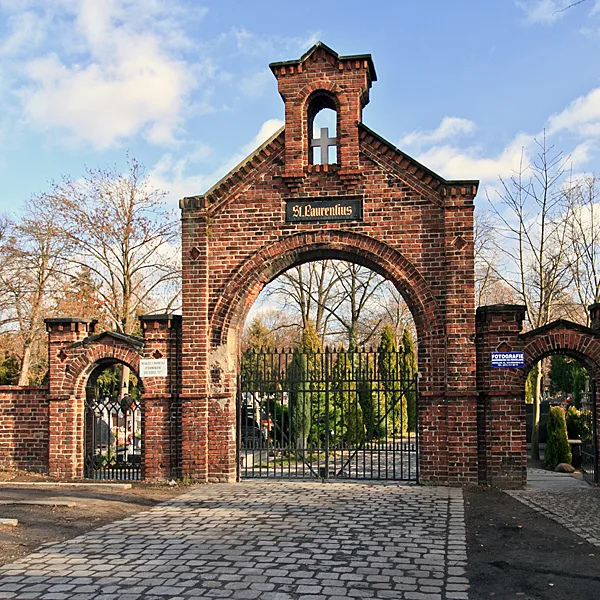
In Wrocław the most important are the large necropolises of the 19th and 20th centuries. Grabiszyński Cemetery belonged to a former three-part complex and is the resting place of well-known figures of science and culture. In Ołbin lies St Lawrence Cemetery from 1866, covering 4.3 hectares, with a surviving brick entrance gate and the graves of known people. The Holy Family Cemetery on Smętna Street in Sępolno was founded in 1928, and the Holy Spirit Cemetery in Tarnogaj opened in 1918 as St Henry's Cemetery.
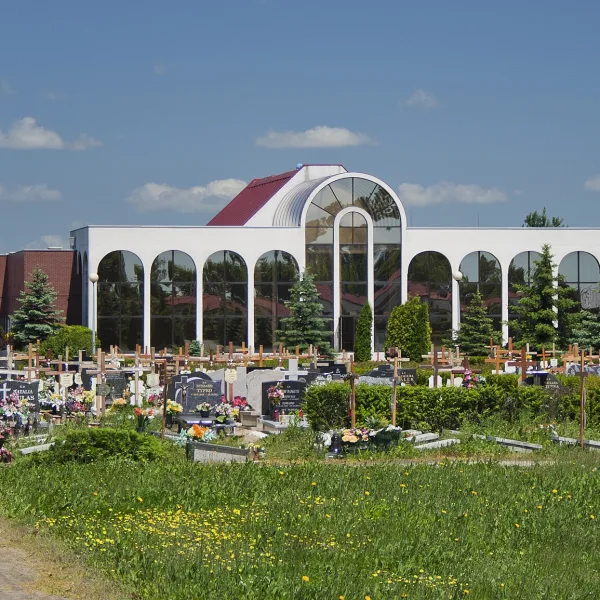
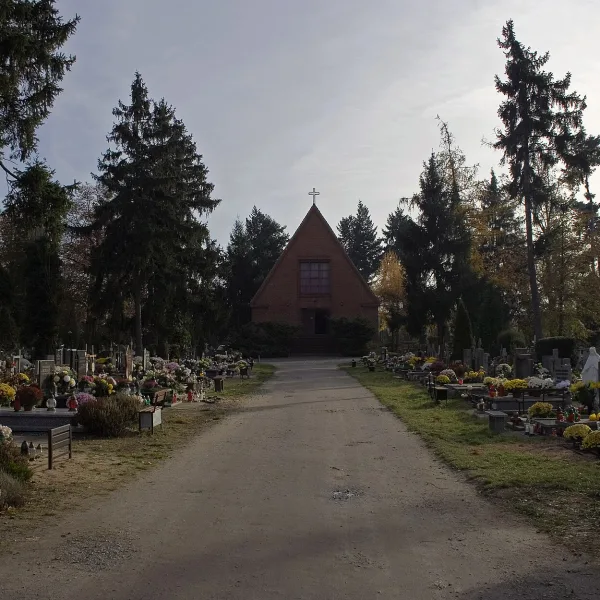
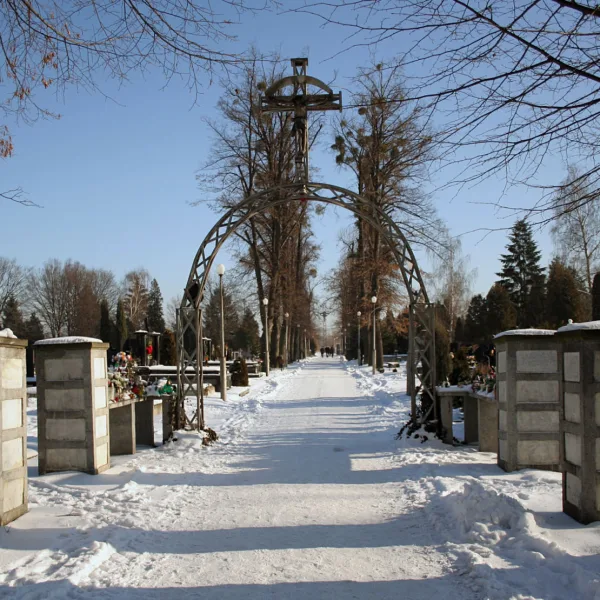
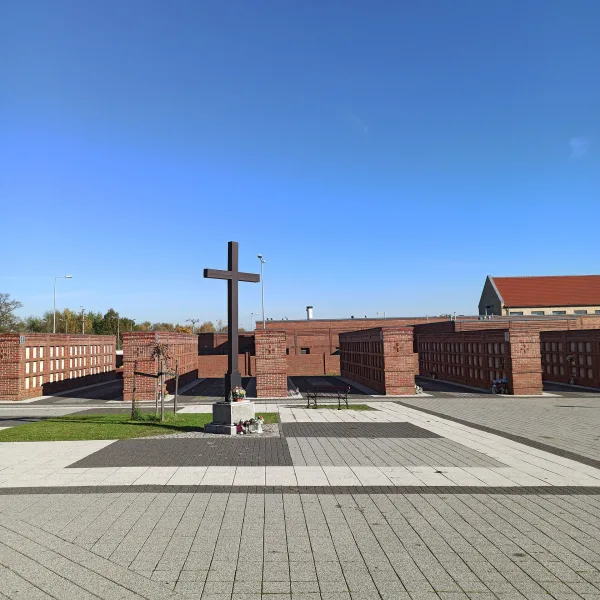
In Księże you will find Brochów Cemetery, an active Catholic cemetery with avenues of lime and chestnut trees. In Psie Pole there is a municipal cemetery founded in 1996, with the only crematorium in Wrocław. The municipal cemetery in Pawłowice has a chapel and an archaeological site from the 1st-4th century. Most of these are still active burial places, so keep quiet and calm. More Wrocław places are collected on the page cemeteries in Wrocław.
Where do the Piasts and noble families rest?
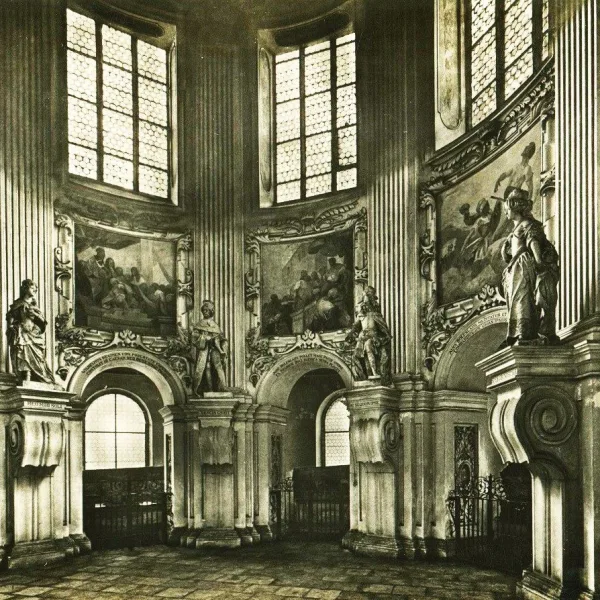
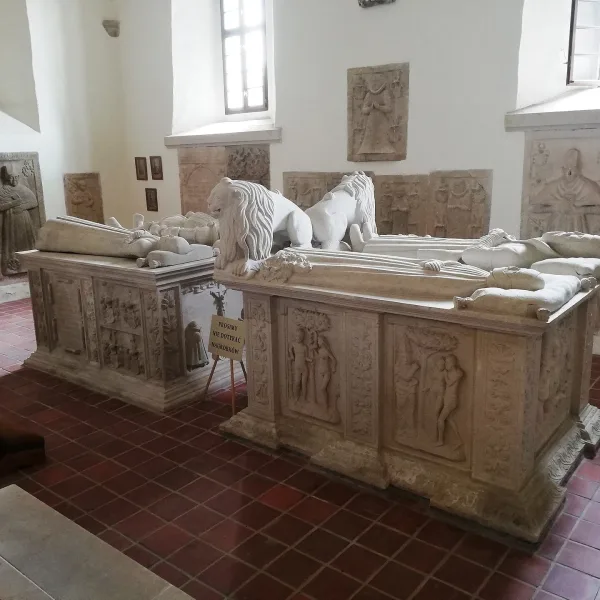
You can find the Silesian Piasts in two cities. In Wrocław the Mausoleum of the Silesian Piasts is housed in the former nave of the Church of St Clare and St Hedwig on Nankier Square and holds the tomb slabs of the Silesian Piasts. It was converted into a mausoleum in 1968-1970. In Legnica the Mausoleum of the Silesian Piasts is a baroque burial chapel of the dukes of Legnica and Brzeg beside the Church of St John the Baptist, from 1677-1679.
Family chapels have a different character. The Schaffgotsch family mausoleum in Raszów is a Renaissance burial chapel from 1577 beside the church, with one of the most valuable sepulchral ensembles in Lower Silesia. In Krobielowice stands the tomb of the Prussian field marshal Gebhard von Blücher, built in 1846-1853 on the grounds of his former estate. In Wałbrzych the Mausoleum from 1936-1938, commemorating the fallen Silesians, is partly ruined today and under rescue works, so treat it as a historical object, not a place to visit.
Where are the war cemeteries?
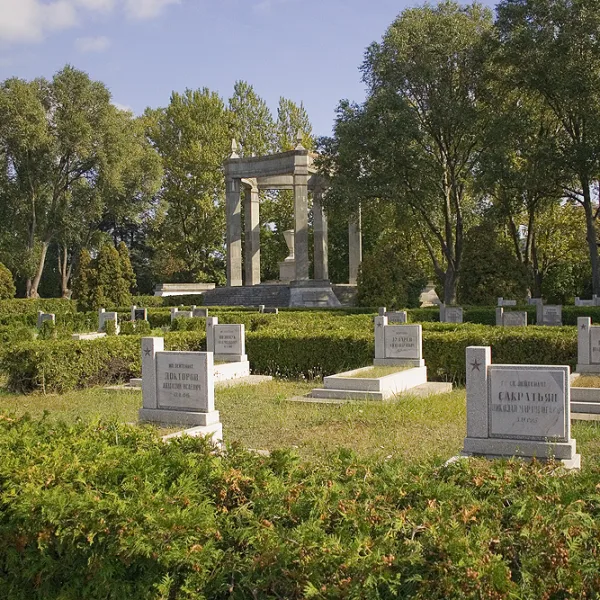
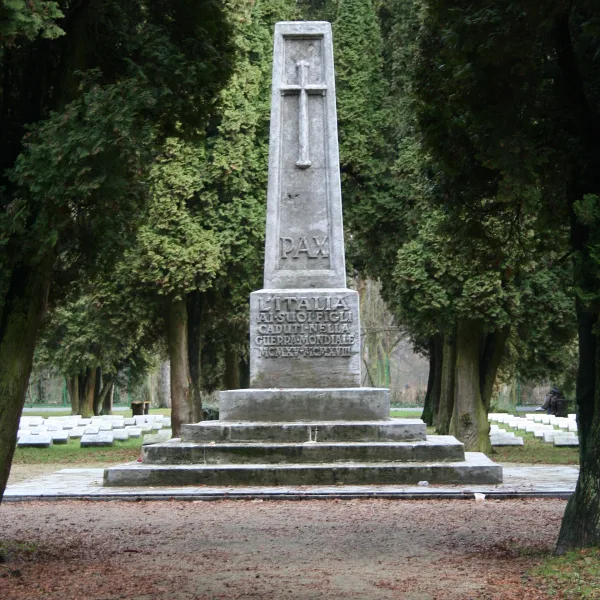
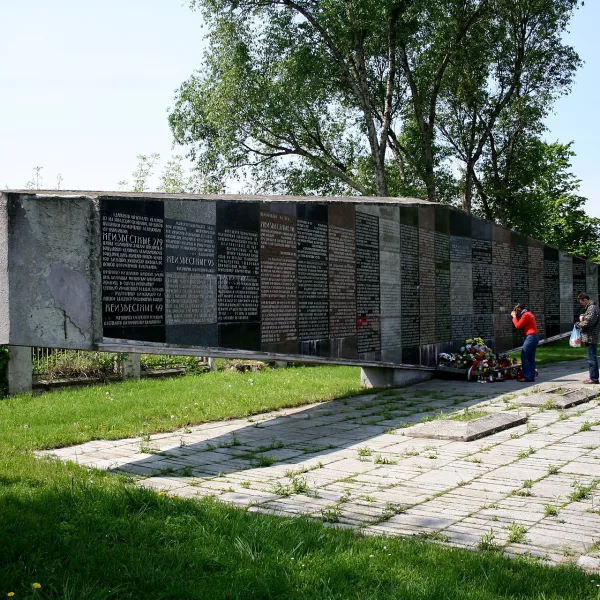
Wrocław has several necropolises connected with the siege of the city in 1945. The Cemetery of Soviet Soldiers on Skowronia Góra is the burial place of about 7,500 Red Army soldiers. The Soviet Officers Cemetery between Karkonoska and Wyścigowa streets holds the graves of 763 officers who fell during the siege. From another war comes the Italian Soldiers Cemetery in Grabiszyn, where 1,016 Italian soldiers taken prisoner after the Battle of Caporetto in 1917 rest.
In Zgorzelec, on Bohaterów II Armii Wojska Polskiego Street, lies a war cemetery of soldiers of the 2nd Polish Army who fell in spring 1945 in the fighting on the Lusatian Neisse. In Kłodzko the municipal cemetery has a war section and historic chapels.
What is left of the Jewish cemeteries?
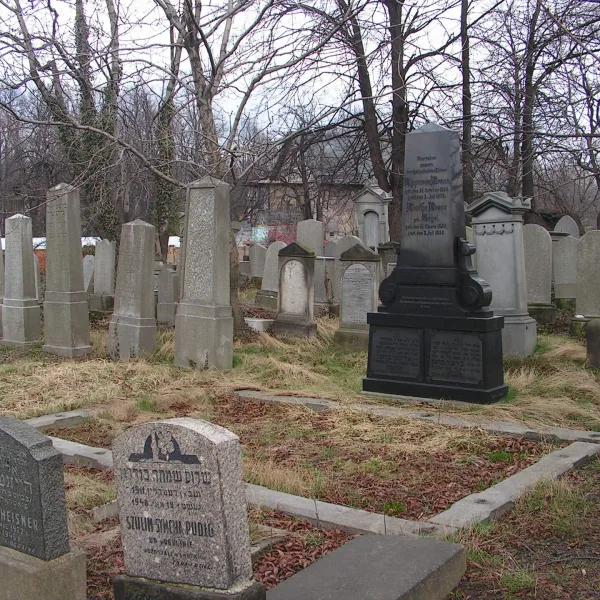
The state of these places varies a lot, so read the descriptions before you go. In Dzierżoniów the Jewish cemetery on Bielawska Street, opened in 1825, has about 250 surviving tombstones. In Bielawa, three matzevot stand on the former cemetery of about 0.2 hectares. In Lubań only ten tombstones survive from the 19th-century necropolis, and the site is neglected and closed. In Jelenia Góra the New Jewish Cemetery, founded in 1879 and closed in 1974, is largely built over today, with a few tombstones.
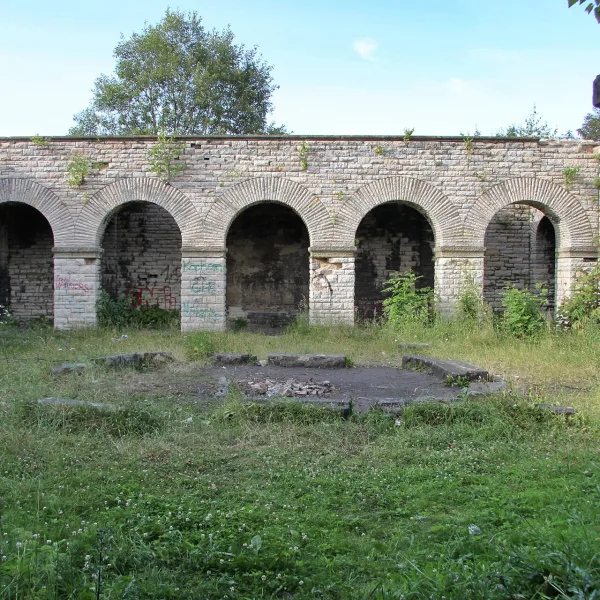
In other towns no tombstones remain. In Chojnów the closed necropolis is kept as a memorial place. Złotoryja, Ząbkowice Śląskie, Twardogóra, Duszniki-Zdrój, Strzelin and Żmigród have former cemeteries without surviving tombstones: in Żmigród the site was built over with houses, and in Twardogóra a sand mine destroyed it. In Lubin a playground now stands on the former cemetery on Krucza Street, in Głogów a primary school, and in Szczawno-Zdrój the site is part of the municipal cemetery. These are places of memory, not monuments to sightsee, so show respect.
Which municipal and park cemeteries have historical value?
In Legnica the Municipal Cemetery has existed continuously since 1822 and covers about 45 hectares, while the new Municipal Cemetery in Jaszków on Wąwelno hill has been active since 2013. In Kłodzko the municipal cemetery was founded in 1892, and in Nowa Ruda the town runs a cemetery for residents of the town and its surroundings. Unusual is the Protestant cemetery in Kamienna Góra: founded in 1720 on Park Hill, after its closure in the 1950s it became a city park where traces of the necropolis remain.
How should you visit cemeteries and mausoleums?
All places on this list carry the Free tag. Treat active cemeteries as burial places: quietly and with respect for other visitors. Mausoleums beside churches may have their own entry rules, so check before you go. It works well to combine two or three places in one city, for example the Piasts and the Wrocław cemeteries, because you learn how the funeral culture of the region changed.
Frequently asked questions
Where can I see the tombs of the Silesian Piasts?
In Wrocław on Nankier Square, in the former nave of the Church of St Clare and St Hedwig, and in Legnica in the baroque chapel beside the Church of St John the Baptist.
Which Jewish cemetery has the most surviving tombstones?
Among the places on this list, the most, about 250, are in Dzierżoniów on Bielawska Street. In many towns no tombstones remain.
Are the cemeteries free to visit?
All places on this page carry the Free tag. Still, check the entry rules of mausoleums beside churches.
Where can I see a war cemetery?
In Wrocław on Skowronia Góra and on Karkonoska and Wyścigowa streets, as well as in Zgorzelec and at the Italian Soldiers Cemetery in Grabiszyn.

 Cemeteries and monuments