Sculptures in Lower Silesia stand in market squares, parks and on hills. See where to find them and how to link them into a walk.
What sculptures will you find in the region?
This page gathers outdoor sculptures, monuments and statues you can see without a ticket. Most are in Wrocław, but the Sculpture tag also covers places in Legnica, Świdnica, Kłodzko, Głogów, Sobótka, Kudowa-Zdrój, Duszniki-Zdrój and a few villages. Nearly all are free and stand in the open, so you can see them at any hour.
The range is wide. The oldest are stone figures from the Ślęża area, the youngest are installations and works from the 21st century. In between are baroque columns, bronze benches, monuments to poets and composers, and works that recall difficult events. Their mood depends on the subject, so memorial monuments are described plainly.
Which sculptures in Wrocław are the best known?
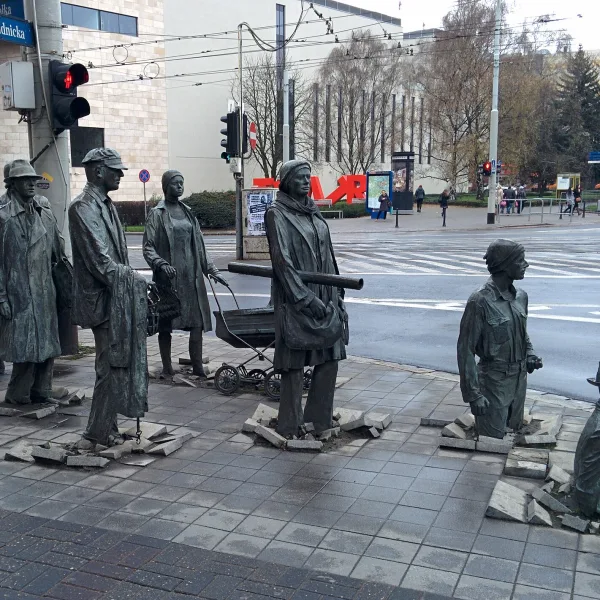
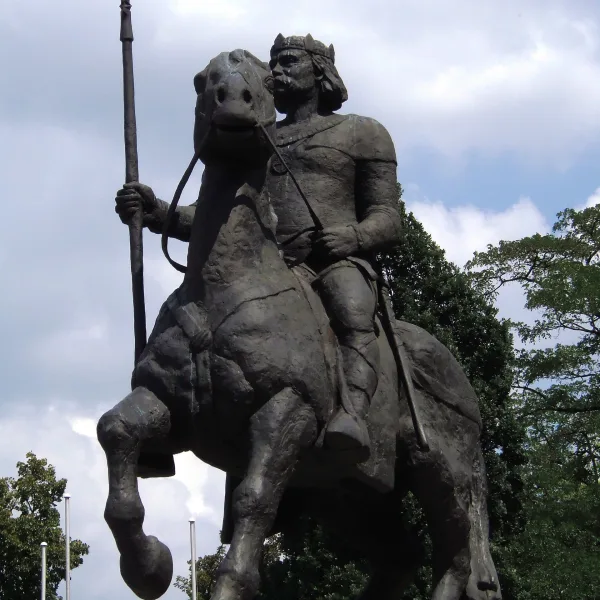
Along Świdnicka Street you will see two monuments. The Anonymous Passer-by monument is fourteen life-size bronze figures that vanish into and emerge from the pavement, one of the city symbols. Nearby stands the equestrian monument of Bolesław Chrobry, unveiled in 2007 as the first equestrian monument of postwar Wrocław.
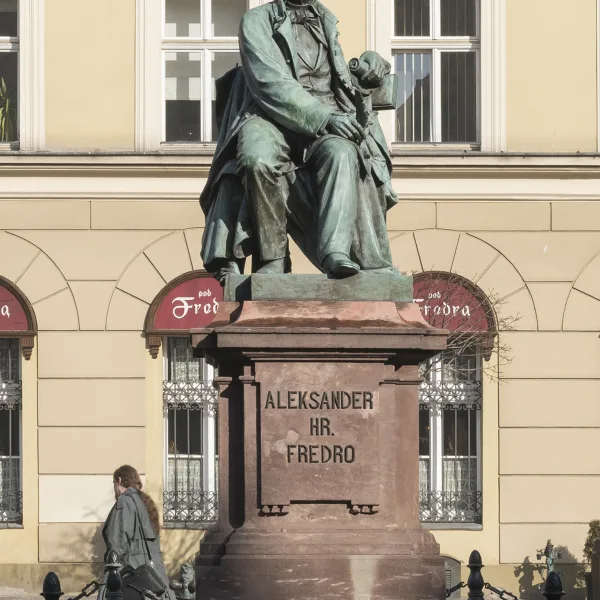
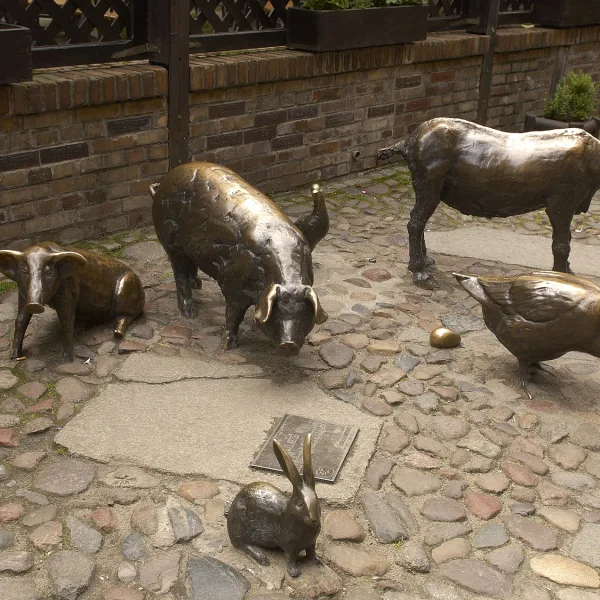
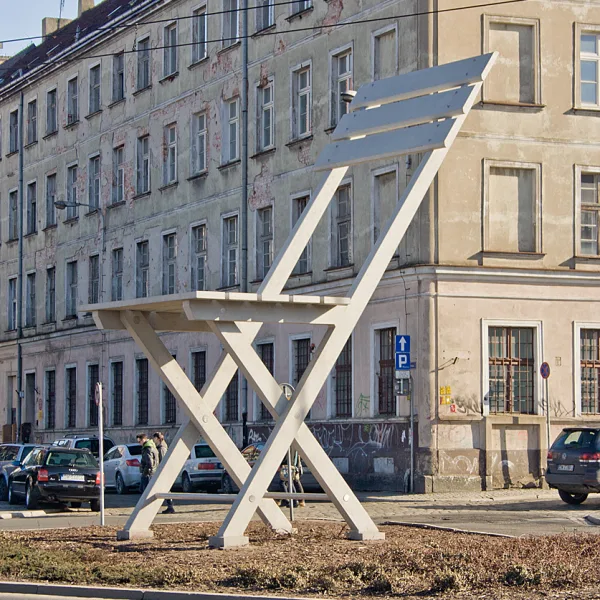
On the Market Square, look at the south side: the monument to Aleksander Fredro by Leonard Marconi stands there. It was unveiled in Lviv in 1897 and has stood in Wrocław since 1956. Nearby, on the small Stare Jatki street, a group of animal sculptures recalls that butchers worked here from 1242. This is the monument in honour of slaughtered animals. Finally see The Chair: a nine-metre concrete sculpture by Tadeusz Kantor, designed in 1970 and built in 2011.
If you prefer more than a few entries, open sculptures in Wrocław, where objects are arranged by city.
Where to look for sculptures in parks and on Ostrów Tumski?
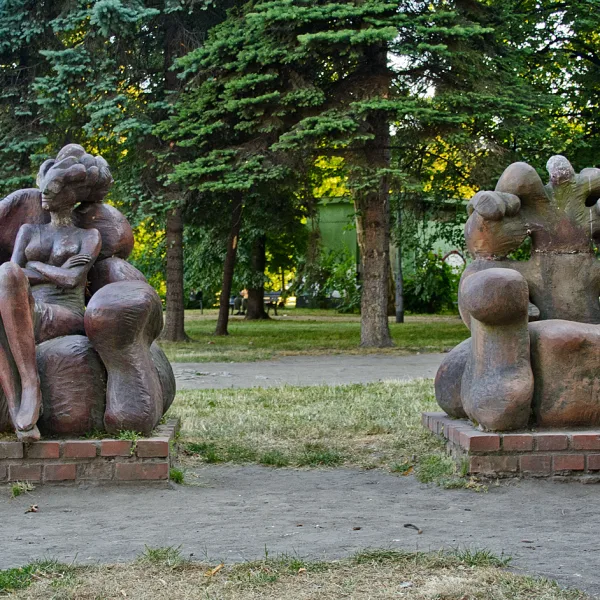
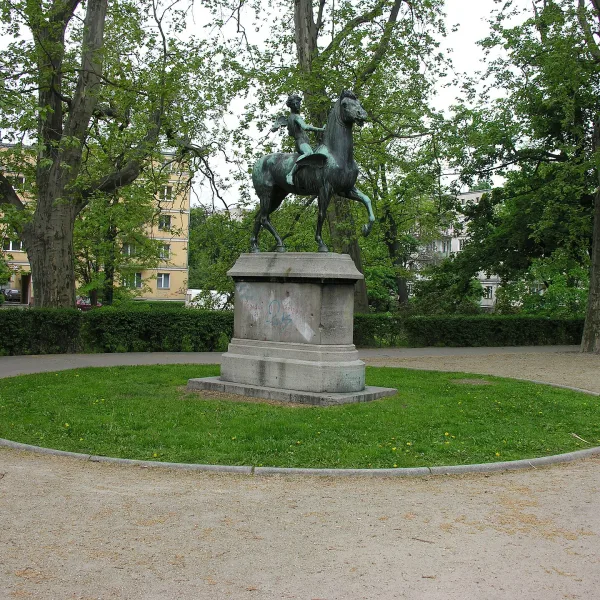
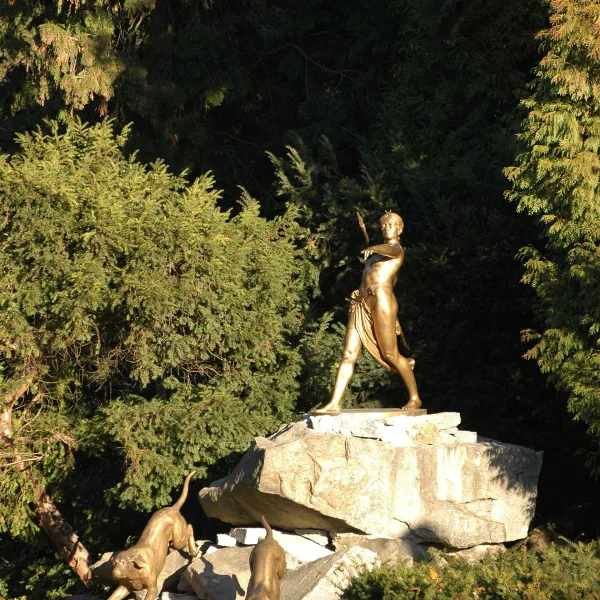
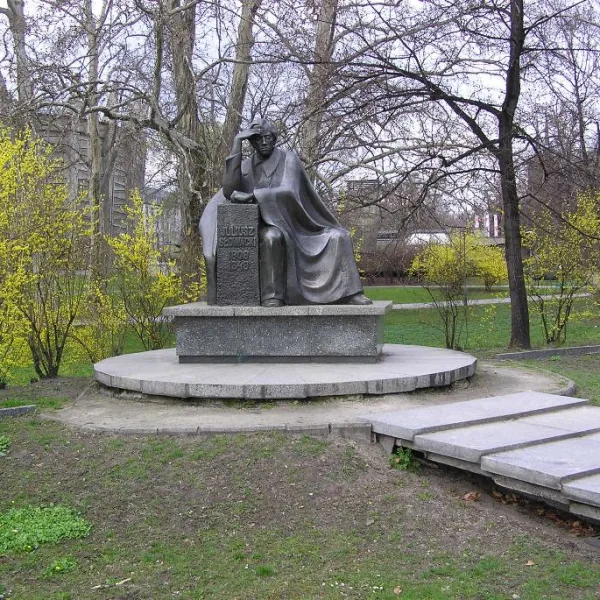
A walk through greenery can become a small sculpture route. In Szczytnicki Park stands a reconstructed sculpture of Diana from 2015, recreating a monument lost in 1945. In Południowy Park in Borek you will find the Chopin monument by Jan Kucz, unveiled on 5 September 2004. In Juliusz Słowacki Park there is the poet's monument and a 1980 sculpture called Waiting, and in Copernicus Park a bronze Cupid on Pegasus by Theodor von Gosen from 1913.
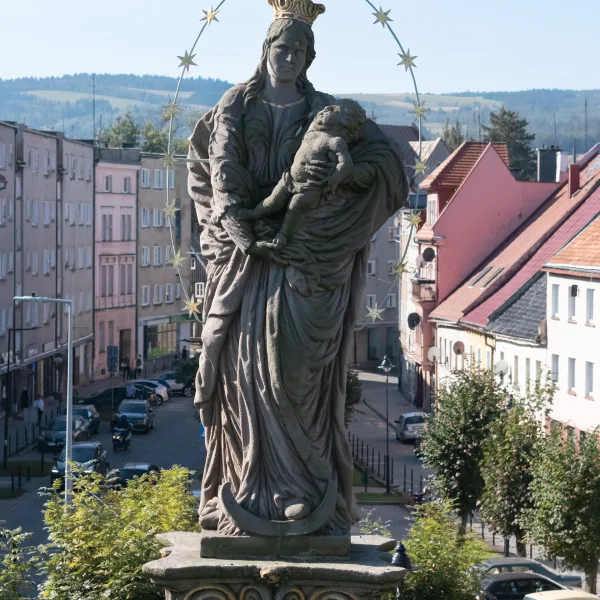
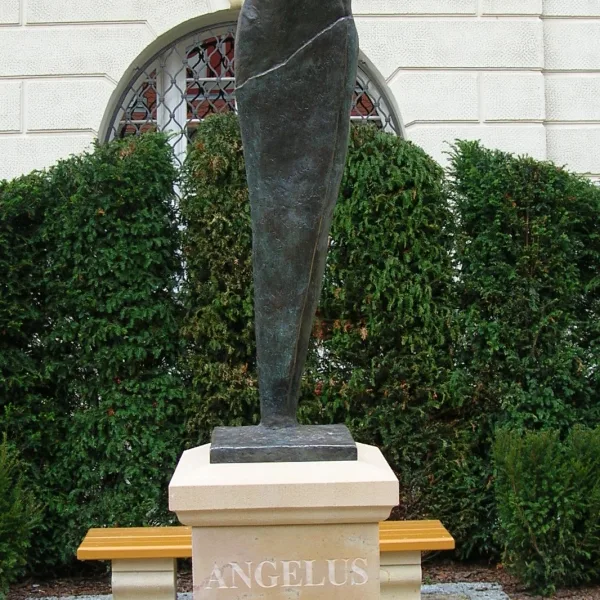
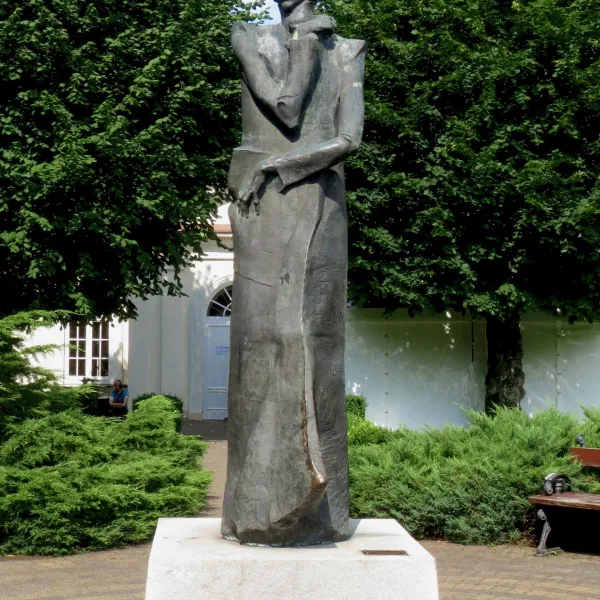
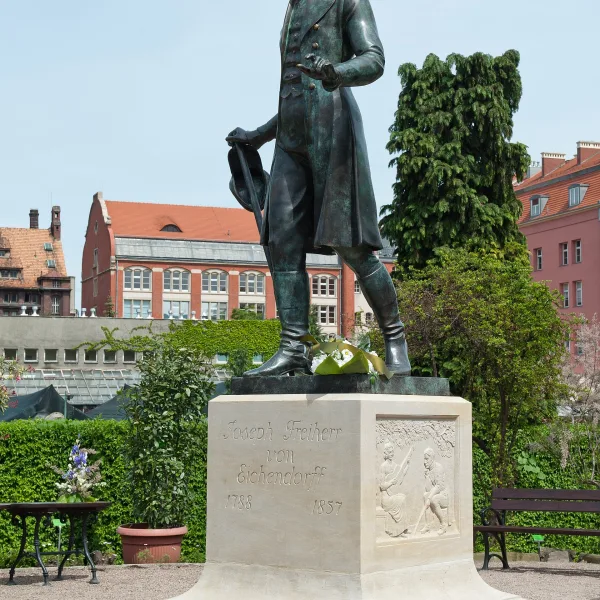
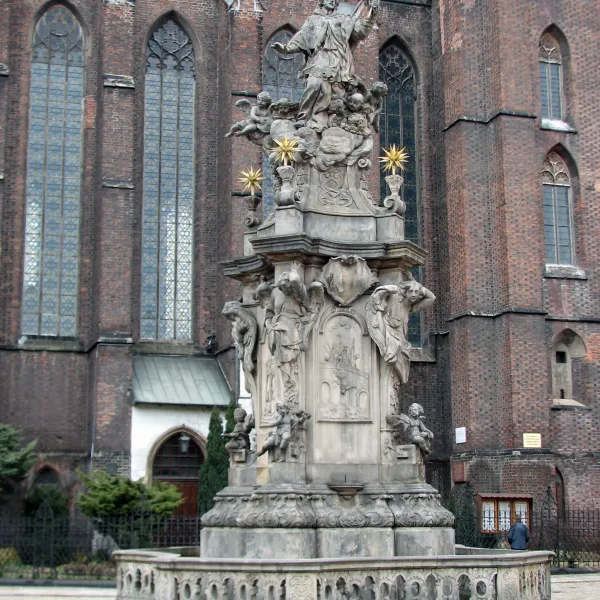
On Ostrów Tumski, the Cathedral Island, you will find the statue of Our Lady with the Child from 1694, the oldest surviving monument in Wrocław. Nearby, on Kościelny Square, stands an eighteenth-century figure of St John of Nepomuk. In the Botanical Garden you will see the monument to Joseph von Eichendorff, unveiled in 2012 as a reconstruction of a work from 1911, and in the courtyard of the Ossolineum the monument to Angelus Silesius from 2007.
Which monuments recall difficult events?
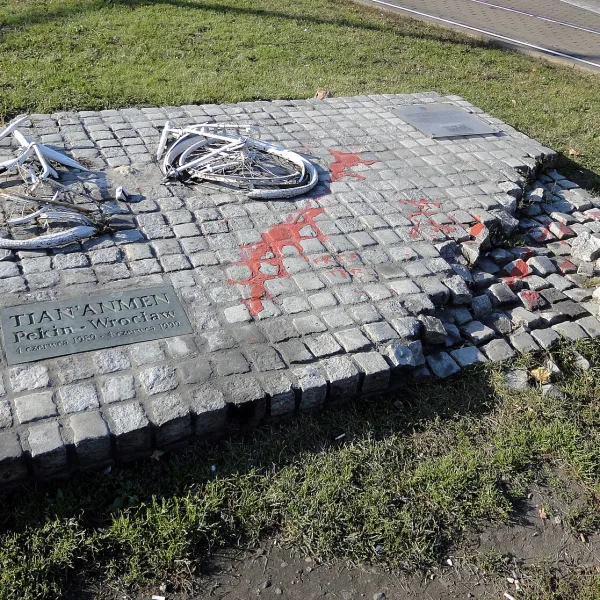
Some works are not decoration but a form of memory. Powodzianka on Kępa Mieszczańska commemorates the residents' fight against the 1997 flood. The Monument to the Victims of Stalinism near the Wrocław Opera, designed by Tadeusz Teller, was unveiled in 1989, and the monument on Oławska Street commemorates victims of the suppressed Tiananmen Square protests of 1989. The Monument to the Murdered Lviv Professors at Grunwaldzki Square recalls the 1941 massacre.
The tone here differs from the park with Cupid. When planning a route, keep these places for a separate stretch and visit without hurry. The Monument to the Liberation of Wrocław, shaped like flames on Słowiański Hill and unveiled in May 1980, speaks of the city burning in 1945 and of its postwar pioneers.
What sculptures stand outside Wrocław?
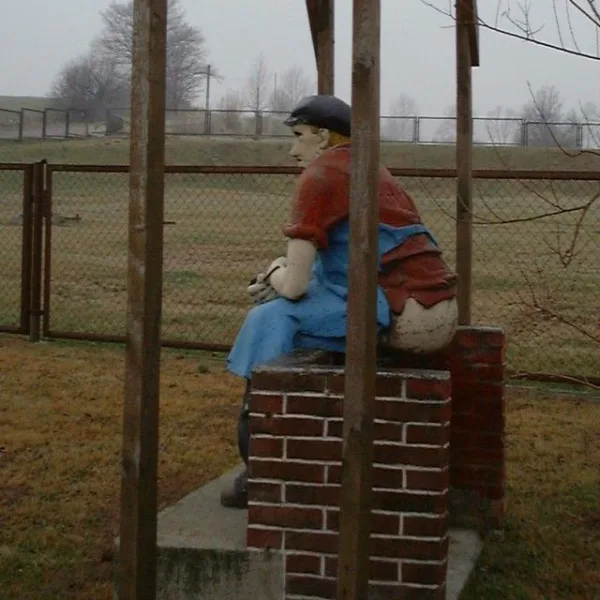
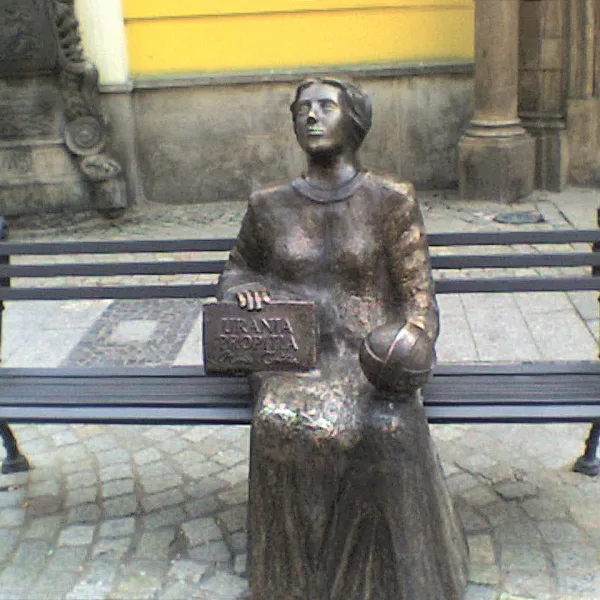
The regional part of the list is just as interesting. In Świdnica, Maria Cunitz, an astronomer, sits on a bench on the market square, and the sculpture was unveiled in 2009 in front of the Museum of Old Merchandise. In Legnica on the Market Square, by the Gallery of Art, stands Julek, a boy with a huge school bag by Edward Mirowski. You can also see Chopin in Duszniki-Zdrój, in the Spa Park in front of the Spa Theatre.
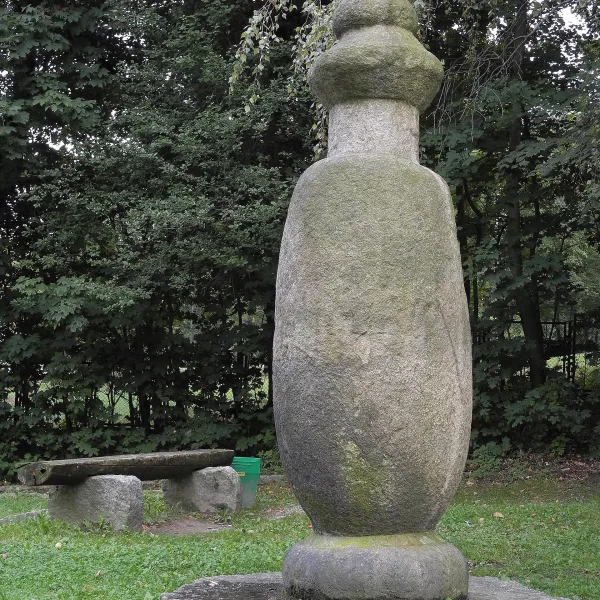
The oldest sculptures lie at the foot of Ślęża. In Sobótka stands the Monk, a megalithic sculpture of Ślęża granite 2.5 to 2.7 metres tall, entered in the register of archaeological monuments. On the summit of Ślęża you will find the stone bear from the La Tène period, moved there in 1903.
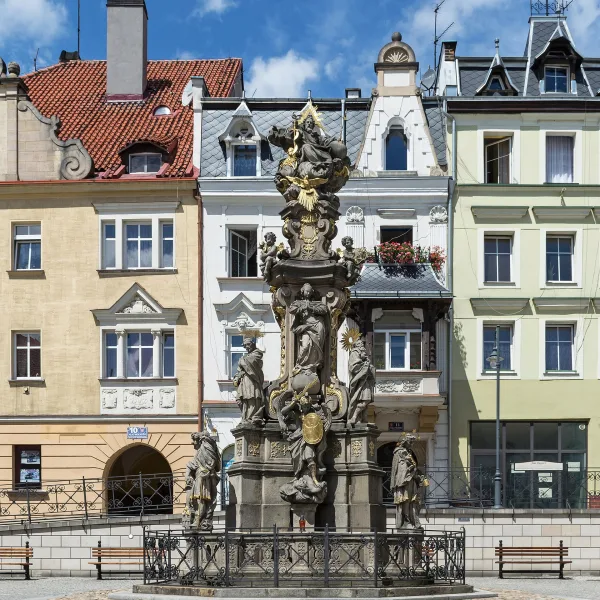
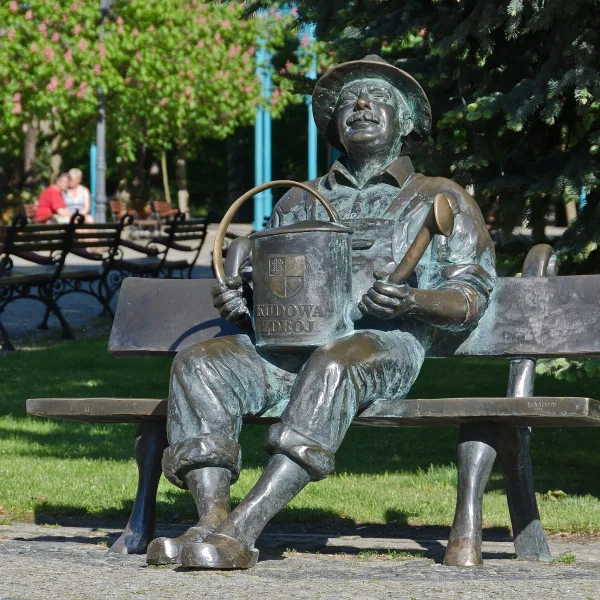
In Kłodzko a replica of the pillory that stood on the square until 1793 has been rebuilt. In Bystrzyca Kłodzka stands a baroque Holy Trinity Column from 1736, and in Międzylesie a late baroque Marian column. In Chełmsko Śląskie, on the corner of a house at Rynek 4, you will see a Gothic sculpture of St Hedwig from about 1500. In Głogów there is a bench monument to Jan of Głogów, and in Kudowa-Zdrój a bronze gardener's bench. A curiosity is the carved beehives in Dworek.
How to plan a sculpture walk?
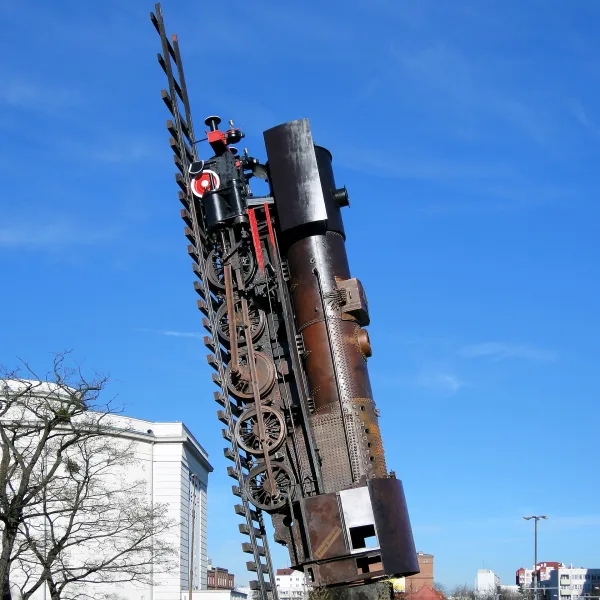
For one evening choose central Wrocław: Świdnicka, the Market Square, Stare Jatki, The Chair. It is a route without transfers that you can walk. On the next day add the Train to the Sky, a vertically placed steam locomotive Ty2-1035 on Strzegomski Square unveiled in October 2010, and go on to the parks.
A trip outside the city works best around one centre: Sobótka with the Monk and Ślęża, or Kłodzko with the pillory and the columns nearby. Sculptures are also a good excuse for a solo walk: the hives in Dworek carry the Solo tag, and most other objects need no ticket or booking.
Frequently asked questions
Where in Wrocław can you see the most sculptures?
In the centre: along Świdnicka, on the Market Square, at Stare Jatki and around the City Moat. For parks choose Szczytnicki, Południowy and Słowacki.
Is it paid to see the sculptures?
No, all objects on this page carry the free tag, and the sculptures stand in public space.
What is the oldest sculpture on the list?
Among old figures the stone bear on Ślęża from the La Tène period stands out. The oldest surviving monument in Wrocław itself is the statue of Our Lady from 1694.
Are there sculptures outside Wrocław?
Yes. You will find them in Świdnica, Legnica, Kłodzko, Sobótka, Głogów, Duszniki-Zdrój and Kudowa-Zdrój, among others.
Which monuments are memorials?
Among others the Monument to the Victims of Stalinism, the Monument to the Murdered Lviv Professors, Powodzianka and the monument on Oławska Street dedicated to the victims of Tiananmen Square.

 Cemeteries and monuments