Monuments in Lower Silesia: pillories, columns, memorial sites and sculptures of notable figures. See what they commemorate and where they stand, all free.
Which monuments show the early history of the towns?
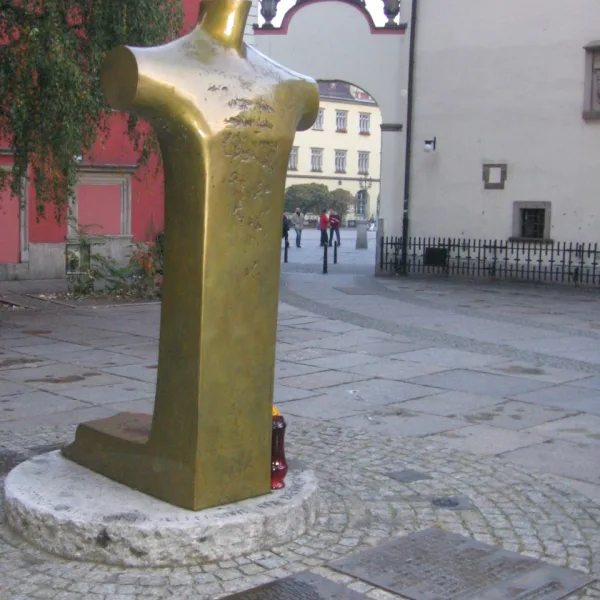
On the Wrocław Market Square, in front of the windows of the Town Hall's court chamber, stands the pillory, a faithful reconstruction of the monument of 1492 with a figure of the executioner known as Roland. The original stood on the site of a wooden pillory from the early 14th century. In Bystrzyca Kłodzka, on the Small Market Square, you see the pillory of 1556, one of the few fully original tools of the old justice system preserved in Lower Silesia. It was moved twice, and the column carries a Latin inscription.
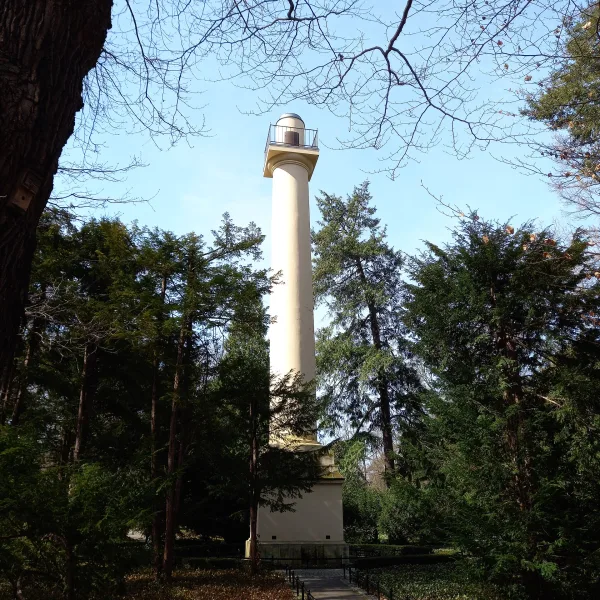
Between Legnica and Złotoryja, in Ulesie, stands the Column of Tears of 1664. Duke George III had it erected to mark the departure of his daughter Dorothea Elisabeth, and it is regarded as the oldest early modern monument of a purely secular character put up in a public place in Silesia. In Szczytnicki Park in Wrocław the Column of Frederick William II of 1806 is modelled on Trajan's Column. The earlier wooden and plaster column of 1797 burned down in 1805.
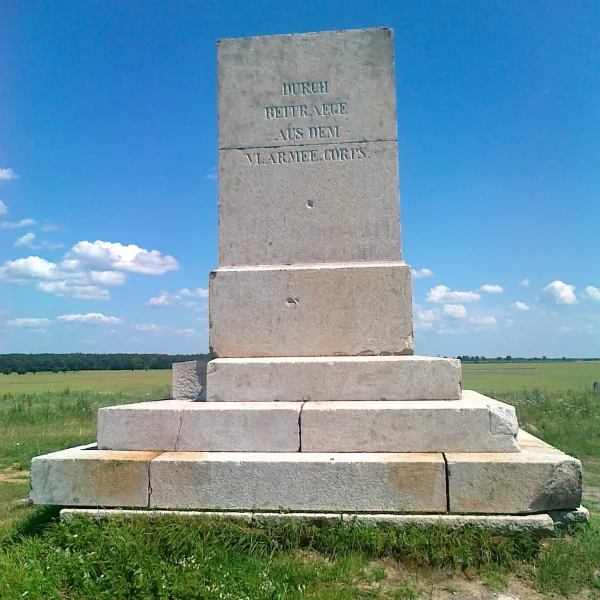
The monument to the Battle of Lutynia, between Lutynia and Błonie, commemorates the clash of 5 December 1757 in the Seven Years' War. It was erected in 1854 and rebuilt in 2011.
Where do you find memorials to the 20th century?
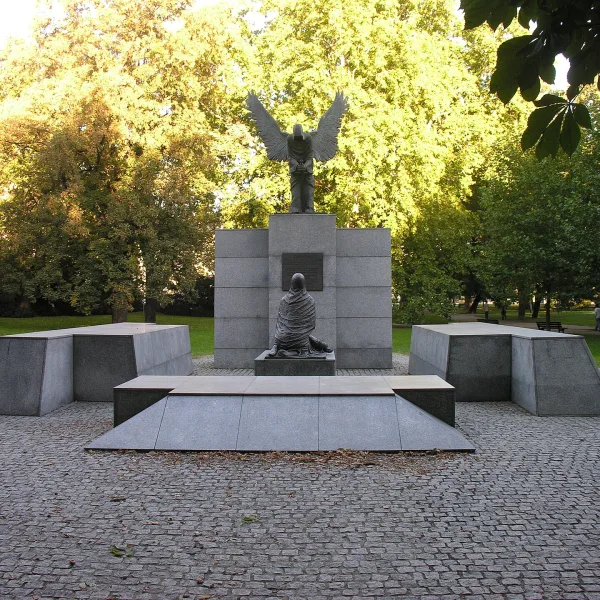
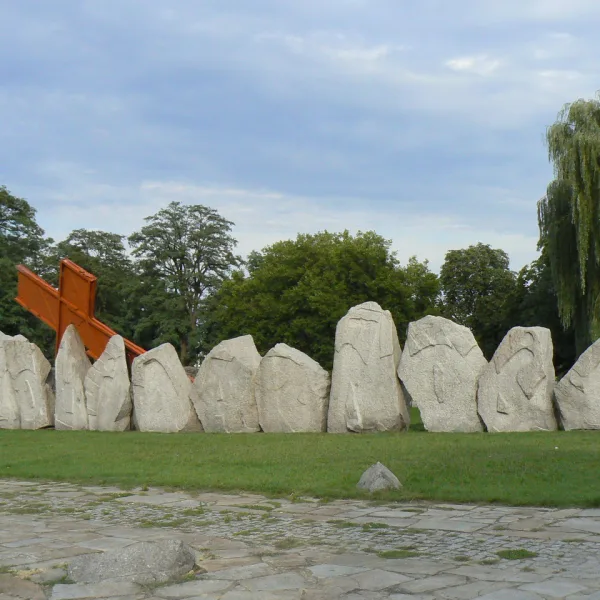
These monuments call for quiet and reflection. In Juliusz Słowacki Park in Wrocław stands the Monument to the Victims of the Katyn Massacre: a cross made of granite slabs with figures of the Angel of Death and the Katyn Pietà. It commemorates victims from Katyn, Mednoye and Kharkiv and prisoners of the camps at Kozelsk, Starobelsk and Ostashkov. In Nadodrze, on Sybiraków Square, rises the Monument to the Siberian Exiles, a twelve-metre Latin cross piercing a wall, consecrated in 2000.
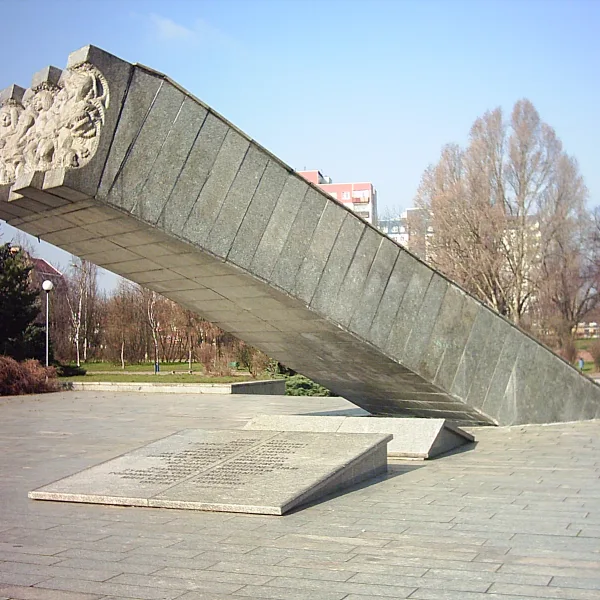
The Monument to the Heroes of the Warsaw Ghetto on ulica Psie Budy was unveiled in 1963 on the initiative of Wrocław activists of the Social and Cultural Society of Jews. The Monument to the Victims of Kristallnacht is a granite matzevah of 1998, placed where the New Synagogue stood until 9 November 1938. In Grabiszyński Park stands the Monument of Shared Memory to residents whose graves were removed after 1945, on the site of the former crematorium.
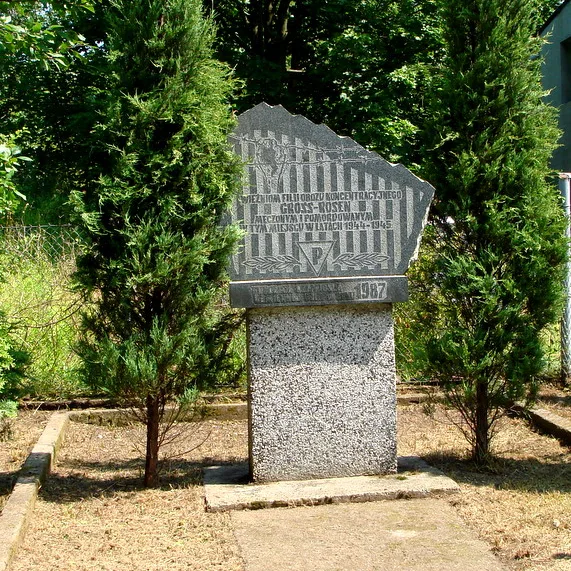
In Kamienna Góra a symbolic grave and a monument on Góra Parkowa commemorate the prisoners of the sub-camp Arbeitslager Landeshut, a branch of Gross-Rosen, which operated from 16 July 1944 to 8 May 1945. In Lubin the memorial to the victims of Lubin '82 near Castle Hill recalls the suppression of a peaceful demonstration against martial law on 31 August 1982. Wrocław also has the Monument to the Unbroken Soldiers in Huby, from 2024, and the Monument to Those Murdered in the Eastern Borderlands on ulica Frycza-Modrzewskiego.
Which war monuments and German-era monuments survive in the region?
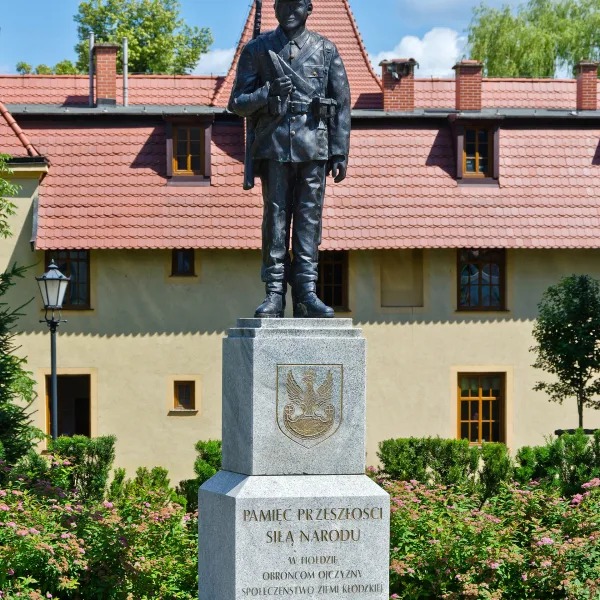
In Głogów the Anti-Hitler Coalition Monument on Plac Słowiański, from 1948, commemorates Soviet soldiers killed in the fighting for the city in February and March 1945. The granite Monument to the Victims of War in the Forest Park was unveiled in 2000. In Dzierżoniów the Monument to the Memory of the Homeland's Fate of 1975 holds urns of soil from Katyn, Monte Cassino and Gross-Rosen, and the town holds patriotic ceremonies there.
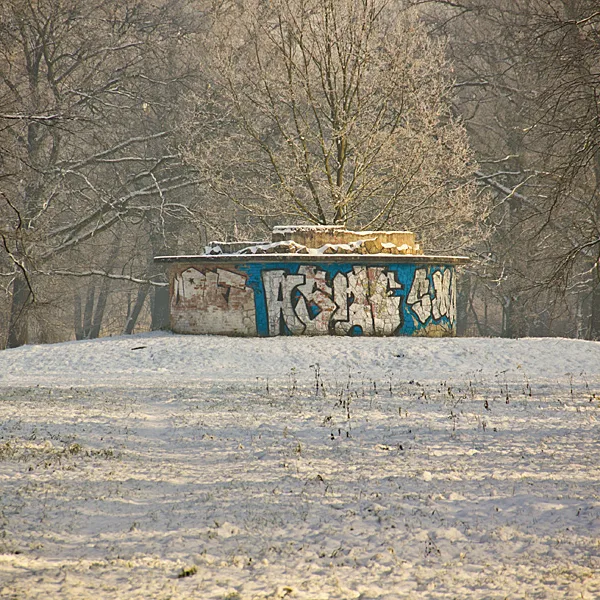
Some monuments have a complicated origin. The Storm Detachments Monument in East Park in Wrocław is a partly preserved Nazi monument of 1937, dedicated to the SA units. The half-rotunda on Plac św. Macieja in Nadodrze is all that remains of the monument to the 6th Field Artillery Regiment of 1932, demolished in 1945, and is a partial reconstruction of 2005. The Gallus Anonymus Boulder in the courtyard of the 1st Secondary School was originally the monument to the Friesen Corps of 1913, and since 1967 it has been dedicated to Gallus Anonymus. The monument to Friedrich Ludwig Jahn in Kłodzko no longer exists in the town.
Which monuments honour famous people?
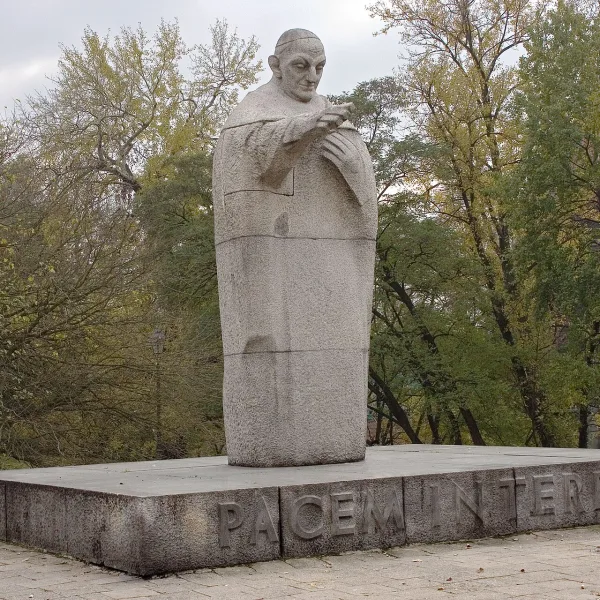
In Wrocław, on ulica Świętego Marcina on Ostrów Tumski, stands the Monument to Pope John XXIII, the only monument to this pope in Poland. It is 5.2 metres high and made of Lower Silesian granite to a design by Ludwika Nitschowa. By St Elizabeth's Church stands the Dietrich Bonhoeffer Monument, to the pastor and opponent of Nazism who was born in Wrocław. It is a replica of the Berlin work by Karl Biedermann.
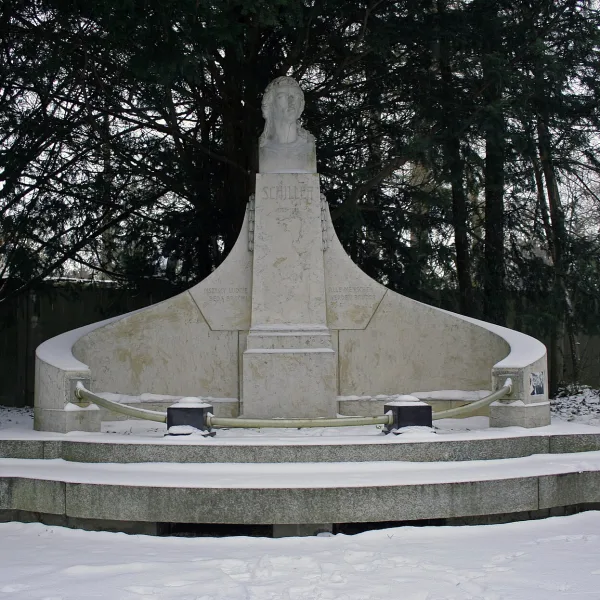
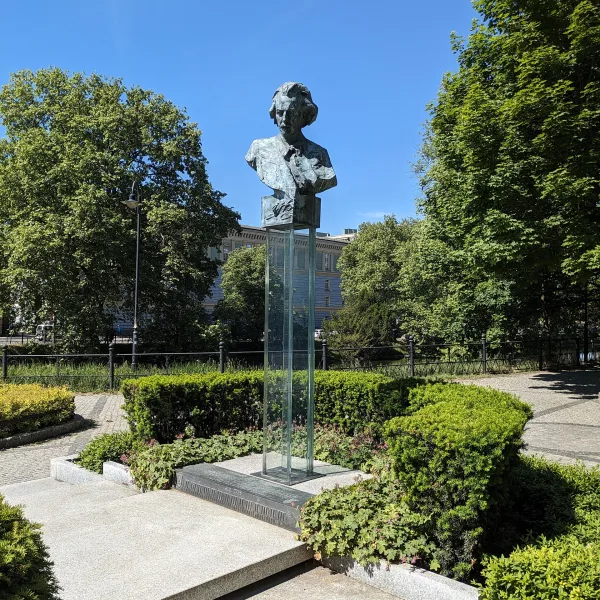
Opposite the National Forum of Music stands a bronze bust of Ignacy Jan Paderewski on a glass plinth, from 2018. In Szczytnicki Park there is a bust of Friedrich Schiller from 1905, restored in 1995 after being destroyed after the war. In Milicz you find a stone monument to Wincenty Witos from 2020, erected on the hundredth anniversary of the Battle of Warsaw.
What to see in Głogów, Karpacz and on the trails?
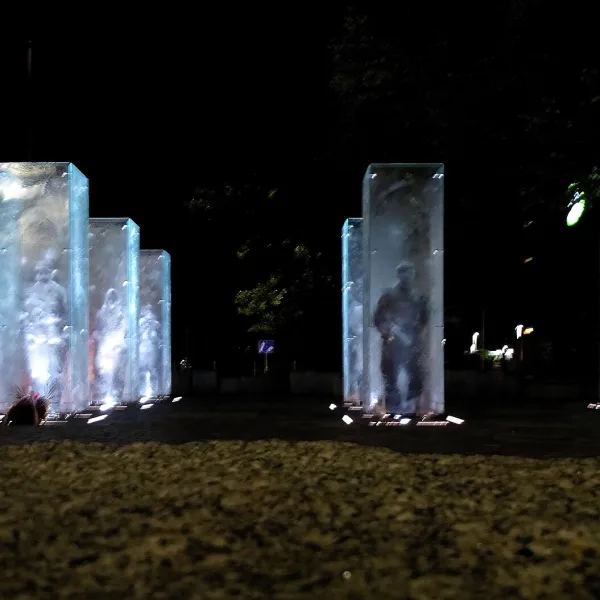
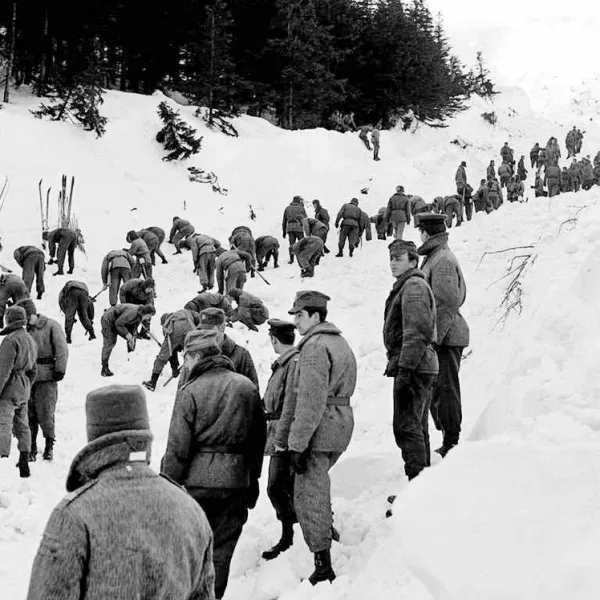
The Monument to the Children of Głogów on Plac Jana Pawła II by the Castle of the Dukes of Głogów is the biggest and best-known monument in the town, paid for by residents' contributions. In Karpacz the avalanche monument commemorates 19 people who died on 20 March 1968 in Biały Jar in the Karkonosze.
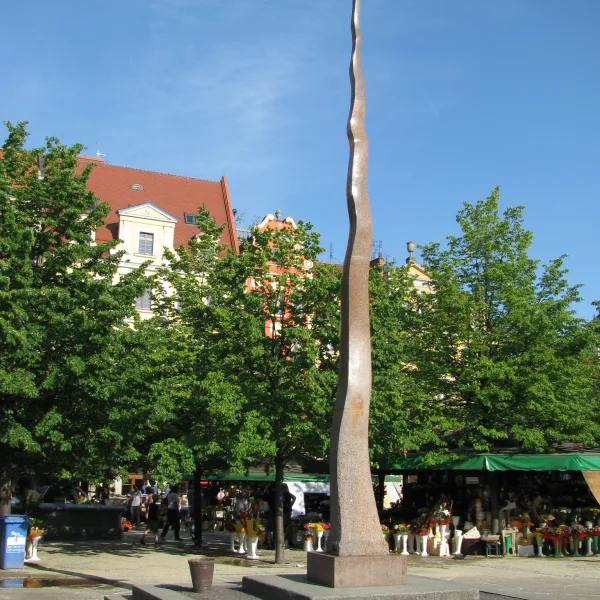
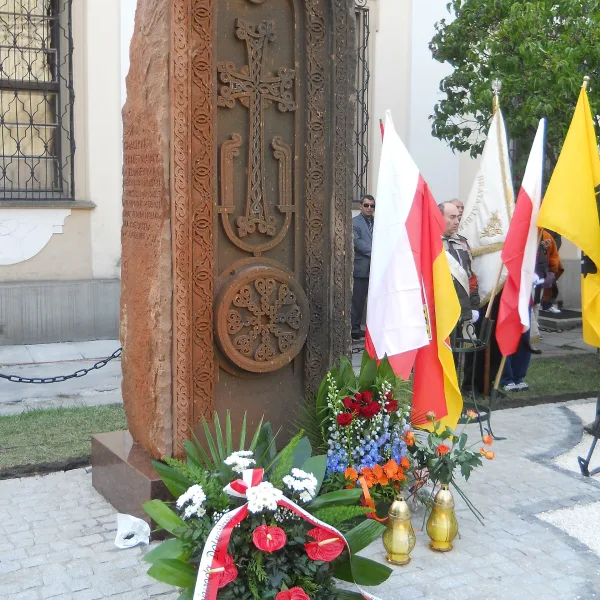
In the Bystrzyckie Mountains, at the start of the Path of Eternity running from Pokrzywno to Huta, stands the Guardian of Eternity, a stone figure of a man in a hat, destroyed and rebuilt in 1989. In Żerkowice, by provincial road 297, you see two stone penitential crosses with an axe and pitchfork motif. On Plac Solny in Wrocław stands the Spire, a granite obelisk shaped like a flame from 1996, designed by Adam Wyspiański. The Armenian khachkar on ulica Janickiego, from 2012, commemorates the Armenian genocide and the Armenian presence in Poland.
How do you plan a monument walk in Wrocław?
Start in the Market Square at the pillory, then walk to Plac Solny for the Spire. Next to the entrance to the Racławice Panorama Rotunda stands the Monument to the Constitution of 3 May, from 1994, and in the nearby Słowacki Park the Katyn monument. On Ostrów Tumski you see the monument to John XXIII. You find the full list on the page monuments in Wrocław.
Frequently asked questions
How much does it cost to see the monuments?
All the monuments on this page are marked as free.
Which monument is the oldest?
Of those described, the oldest is the pillory in Bystrzyca Kłodzka from 1556, fully original, and the reconstruction of the 1492 pillory in Wrocław.
Where are the victims of the Second World War commemorated?
In Wrocław, among others on ulica Psie Budy and ulica Łąkowa, in Kamienna Góra, in Głogów and in Dzierżoniów.
Do all the monuments mentioned still stand?
No. The Jahn monument in Kłodzko is gone, and the monument to the 6th Field Artillery Regiment survives only as a partial reconstruction.
Where can I see a monument in the mountains?
In Karpacz, where the victims of the 1968 avalanche are commemorated, and in the Bystrzyckie Mountains, where the Guardian of Eternity stands.

 Cemeteries and monuments