Scenic views in Wrocław: hills built from rubble and railway embankments, a plane-spotting mound and the Swedish Redoubt. Pick your climb.
Where can you look down on Wrocław?
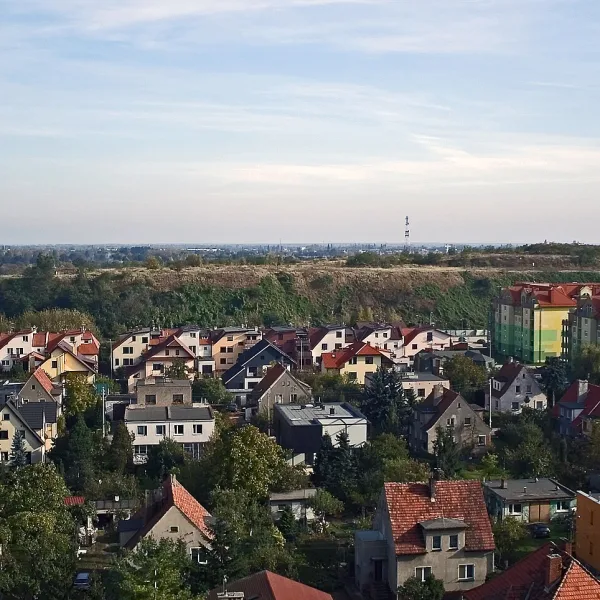
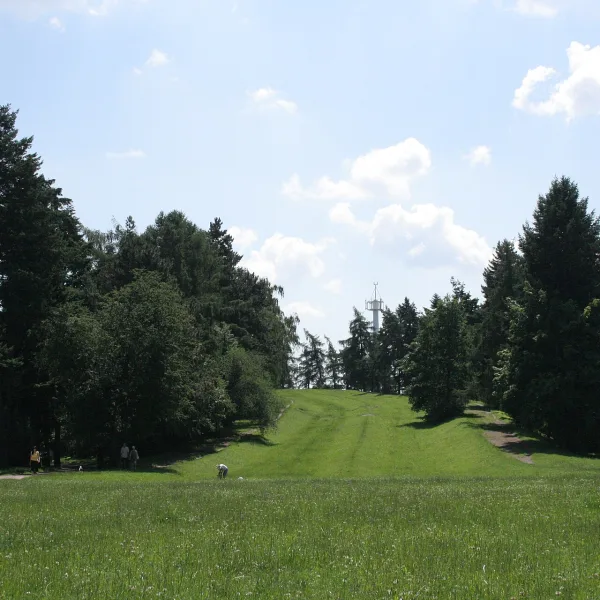
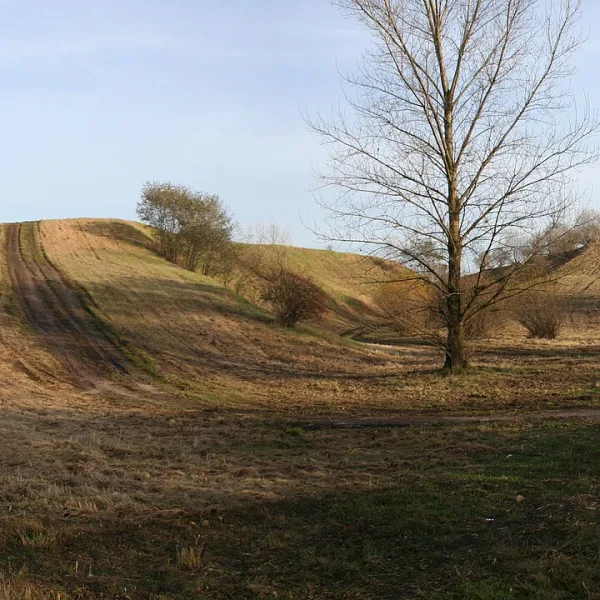
The city is flat, so a view takes some effort. The highest climb is Gaj Hill (Wzgórze Gajowe) in the Gaj district: 155.4 metres above sea level and the second highest point in the city. It was built mostly from rubble left by wartime destruction, and its top sits in the south-eastern corner. If you do not want to leave Wrocław, it is the simplest viewpoint.
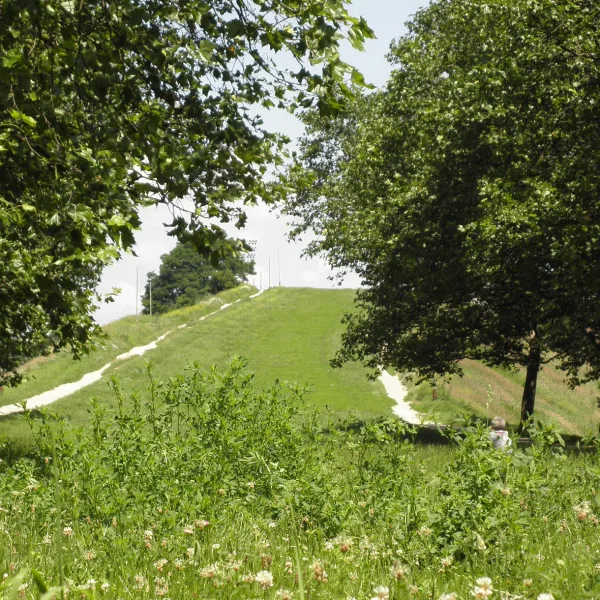
A little lower are Gajowice Hill (about 139 metres, on a former landfill, now with an outdoor gym) and Anders Hill in Huby, piled up after 1945 from houses destroyed in the siege. All three carry the "Free" tag, so good shoes and some time for a walk are all you need. Locals also call Gajowice Hill "Górka Pafawag", after the Pafawag Wrocław club stadium that no longer exists.
Hills with a story: a bastion, a park and wartime rubble
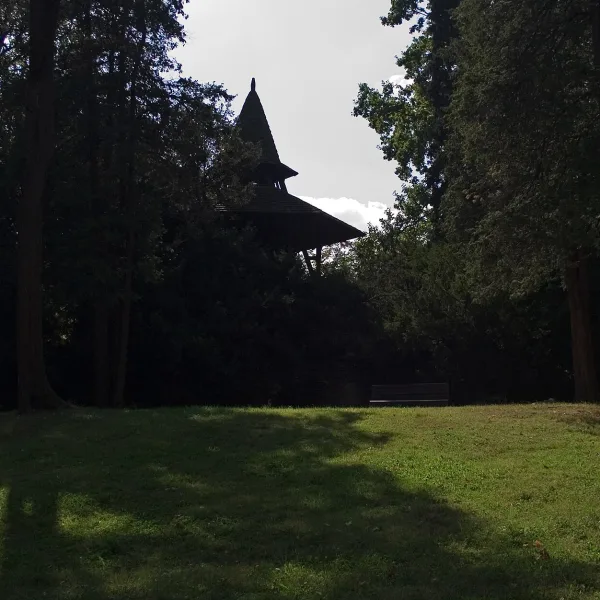
Sakwowy Bastion, known until 2024 as Partisans' Hill, is what remains of the city fortifications in the Old Town. After the walls were pulled down in 1807 a park appeared here, and in 1867 a belvedere and a tower were added. In South Park you will find Bender Hill with erratic boulders, mountain plants and a gazebo from 1898, rebuilt in 2022.
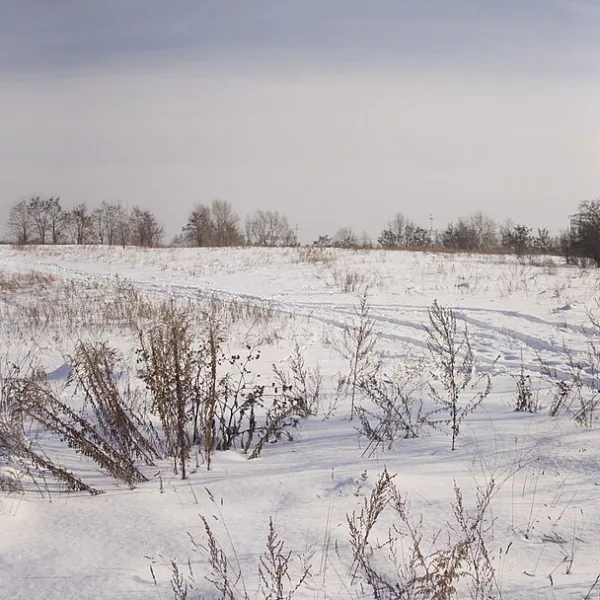
In Nadodrze stands Slavic Hill with the 1980 Monument to the Liberation of Wrocław and, in winter, a sledding run. Sledders should also try Mała Sobótka in Grabiszyn, raised in the late 19th century from surplus soil left by the railway bypass embankment. Skórnik in Ołtaszyn came about in a similar way, but only a remnant survives and it has no real views, so treat it as a curiosity.
Green hills and the Swedish Redoubt
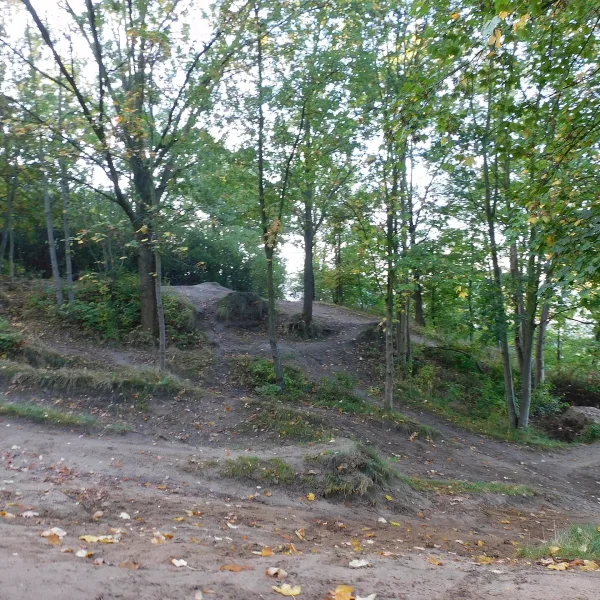
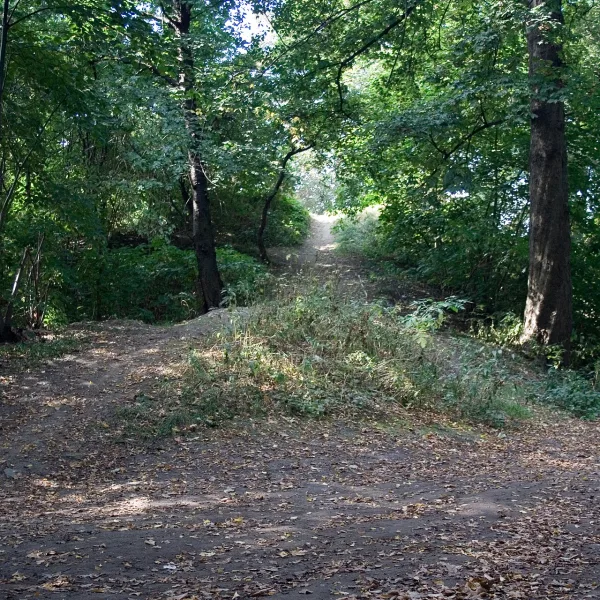
In Zalesie, Kilimanjaro Hill was piled up from silt and gravel dug during the building of the Flood Canal. It is now wooded with deciduous trees and looks natural. In Tarnogaj you will meet Tarnogaj Hill, 133 metres high, and in Przedmieście Oławskie the Hill by Wilcza Street, raised from post-war rubble and overgrown with greenery. In Swojczyce there is also the Hill by Ceglana Street, a reclaimed landfill that took waste from 1975 to 1995.
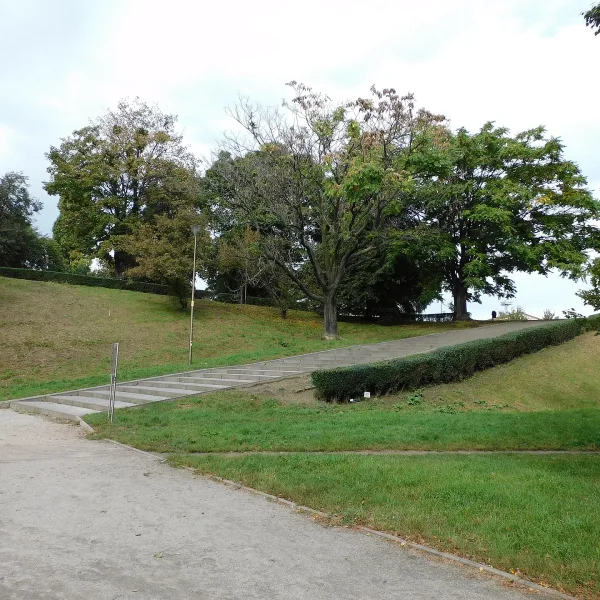
In Osobowice Forest you can climb the Swedish Redoubt, a dune rise 126 metres high with a Lusatian culture hillfort, which archaeologists say was inhabited from about 900 to 450 BC. Near the airport is the Spotter Hill, with benches and steps, where you can watch planes take off and land. It is the only spot here tagged "For couples".
For more ideas see scenic views across the region and parks and nature in Wrocław.

 Mountains