Industrial heritage in Wrocław: bridges over the Oder, a station with its train shed, a water tower and a brewery. See what was built of iron, steel and brick.
What industrial heritage can you find in Wrocław?
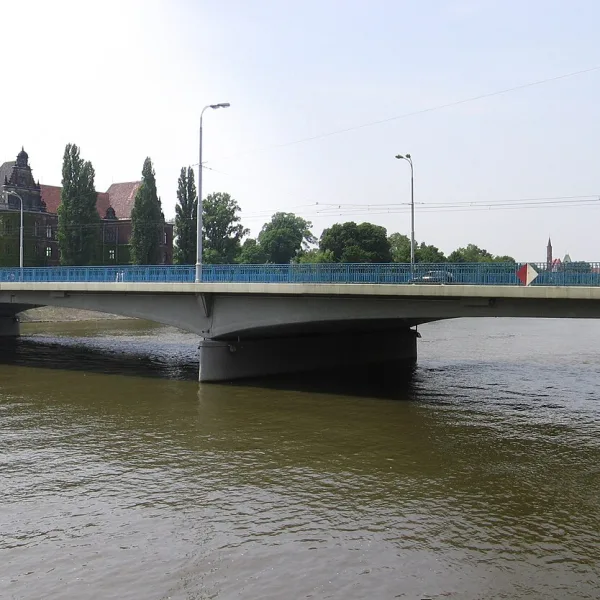
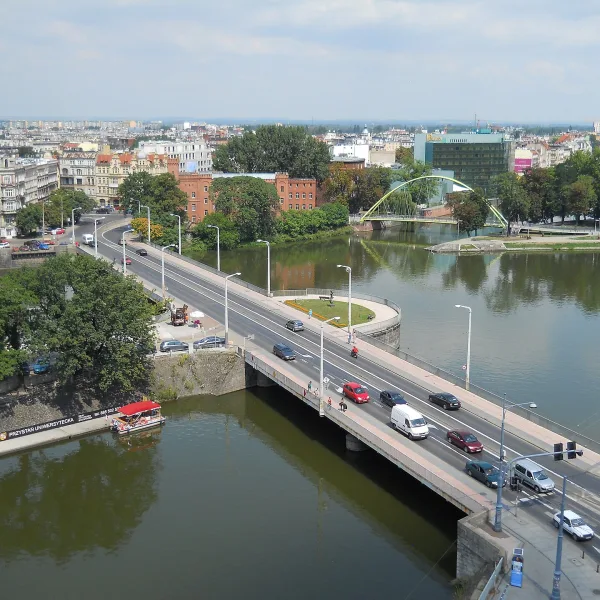
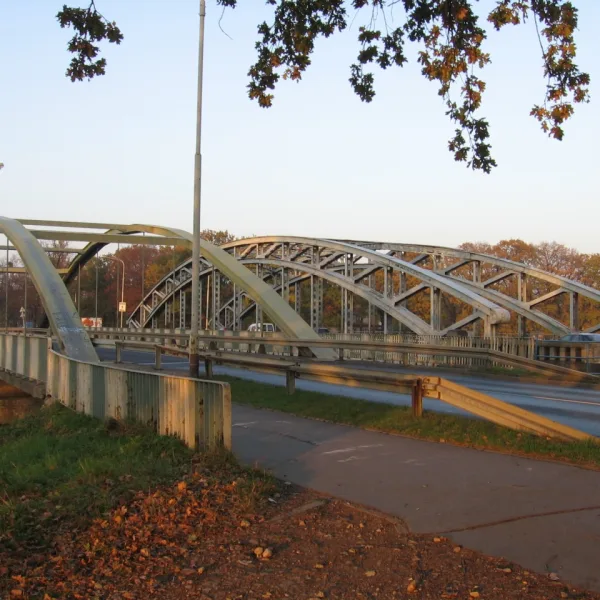
The city lies on the Oder and its canals, so most of its technical monuments are bridges: steel, concrete, suspension and cable-stayed, from different eras. There is also a station with a preserved train shed, a water tower, a former industrial brewery and a hydroelectric power plant complex. Below, look for what you like to see.
Bridges in the centre: steel, brick and a walk along the Oder
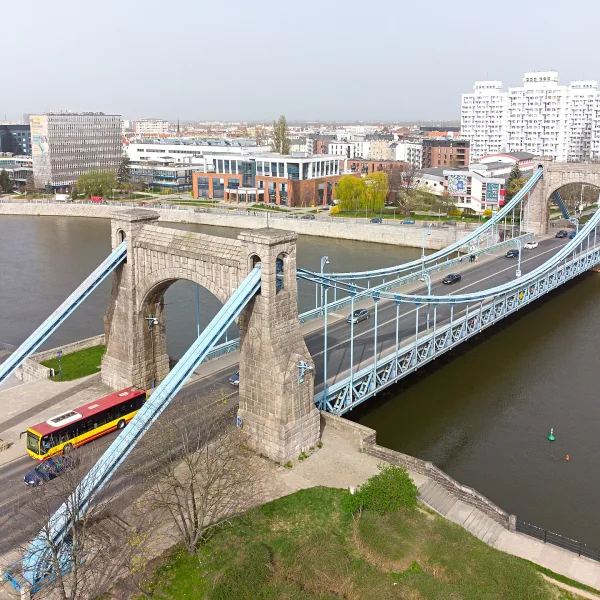
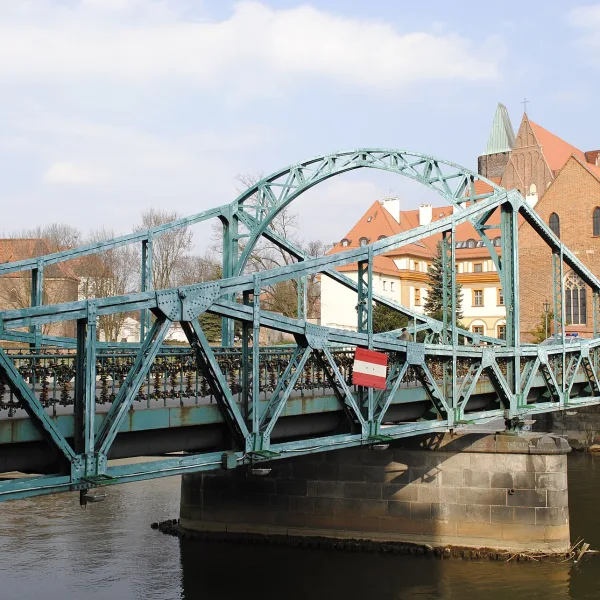
The Tumski Bridge of 1889 is a steel structure linking Piasek Island with the cathedral. Today it is open to pedestrians only, and until 1945 it was called the Dombrücke. The Grunwaldzki Bridge of 1910 is a riveted-steel suspension bridge resting on two clinker-brick pylons faced with granite, and it is entered in the register of monuments. The Peace Bridge of 1959 stands on the site of the Lessing Bridge, destroyed in 1945.
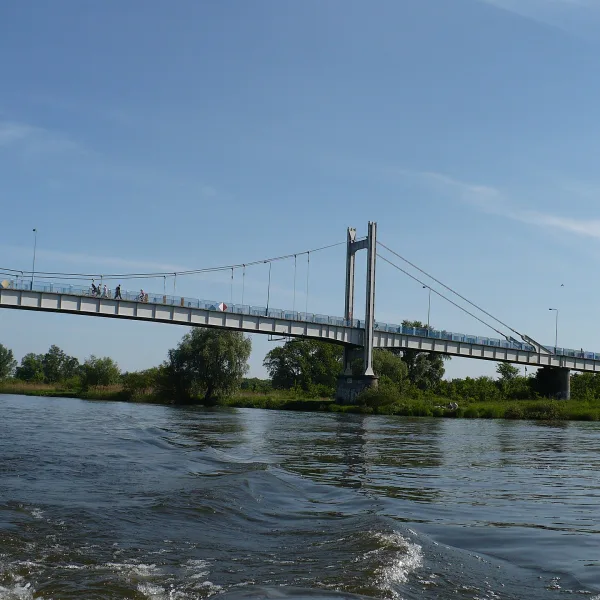
By the University of Wrocław stand the University Bridges, two steel bridges from the 19th century, rebuilt in the 1930s. The Szczytnicki Bridge is a three-span arch bridge from 1888-1890 linking Grunwaldzki Square with Szczytnicki Park. The Zwierzyniecka Footbridge of 1976 is for pedestrians and cyclists: a steel, five-span cable-suspended structure on the site of a former ferry crossing that worked until the 1960s.
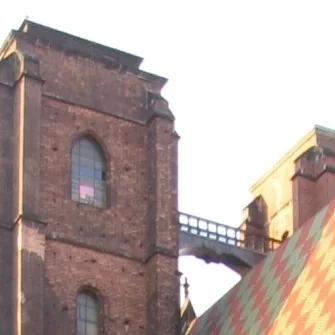
Exceptional is the Witches' Bridge, which joins the towers of St Mary Magdalene's Cathedral at a height of 45 metres. It was mentioned as early as 1459, soon after both towers were completed.
Record-breaking and modern bridges
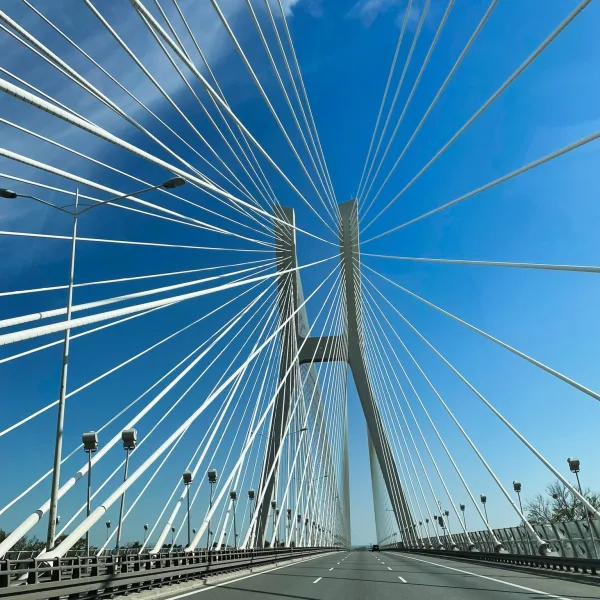
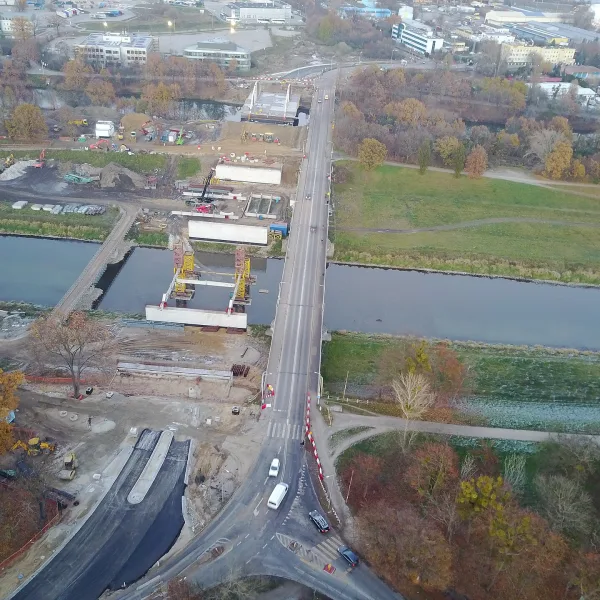
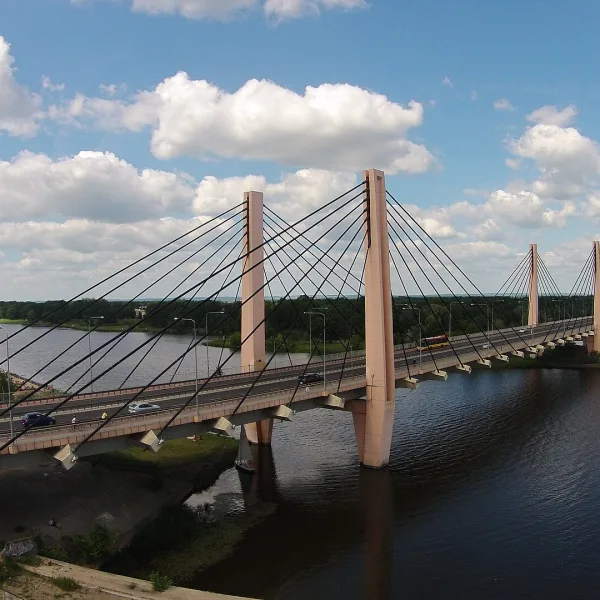
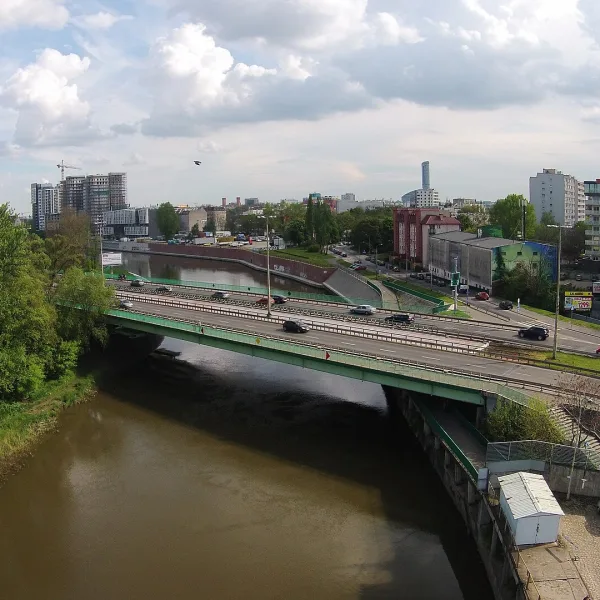
The Rędziński Bridge is a road cable-stayed bridge, part of the A8 motorway, with the tallest pylon in Poland at 122 metres. It crosses the Oder and the whole of Rędzin Island, where the historic Rędzin Locks stand. In May 2010 a flood swamped the building site. The Millennium Bridge opened on 29 October 2004 and links Popowice with Osobowice on the inner-city ring road. One of the youngest is the Olympic Bridge, a 700-metre crossing opened on 23 December 2023 on the Great Island Avenue and named after the nearby Wrocław Stadium. Its working name was the East Bridge.
Bridges over canals and smaller rivers
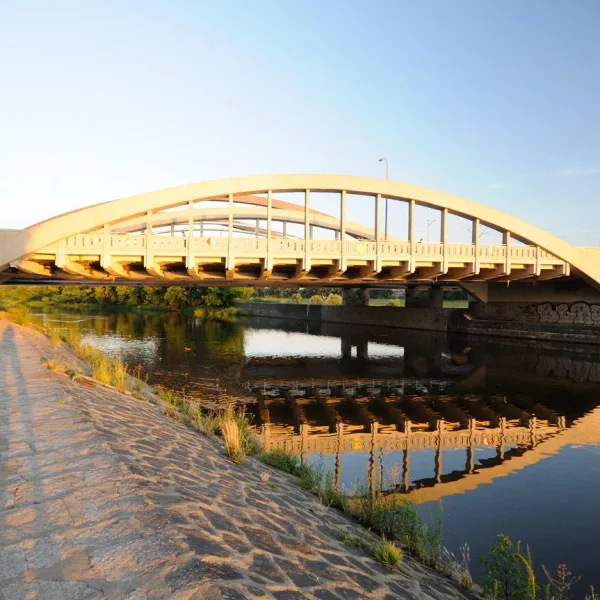
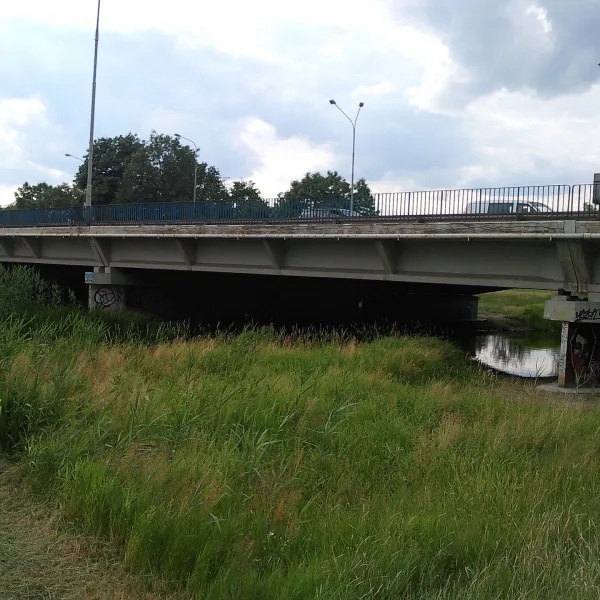
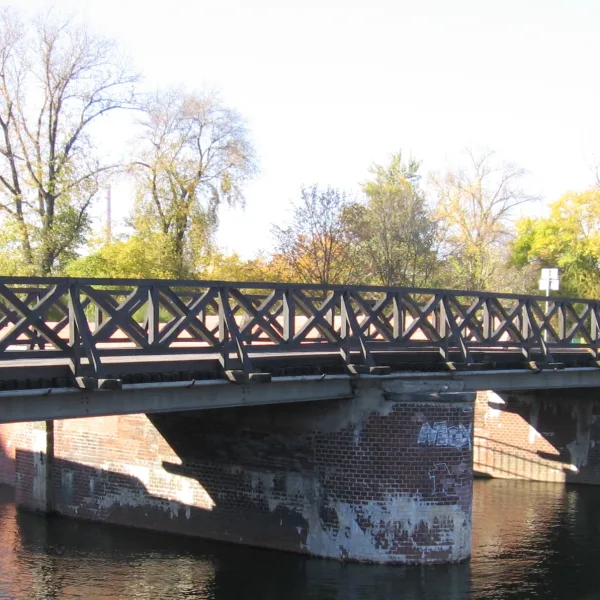
A big hydraulic engineering project of 1912-1917 left Wrocław several bridges over the Navigation and Flood canals. The Bartoszowicki Bridge is a steel three-span structure from 1913-1917, the narrowest bridge in the city, lit at night. The Bolesław Chrobry Bridges consist of an old pair from 1916-1917 and a new one from 2020-2023. The Jagiellonian Bridges form a similar group: two older bridges from 1916-1917 and two parallel ones from 1984. The Zaleski Bridge of 1912-1917 is actually a culvert that carries the Czarna Woda under Śniadeckich Street.
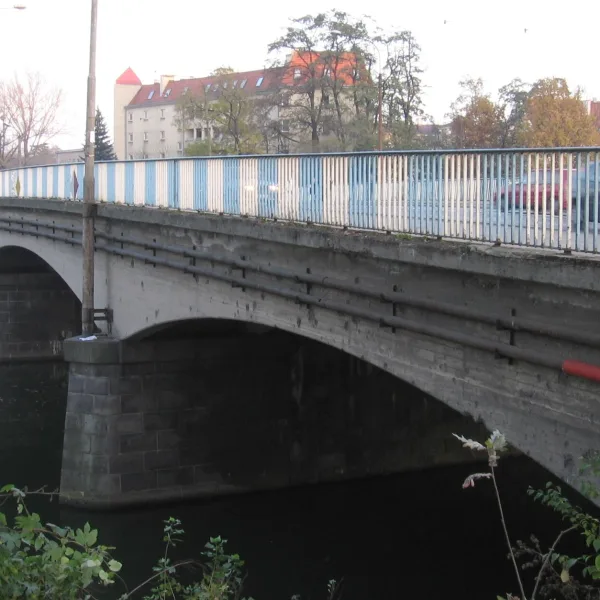
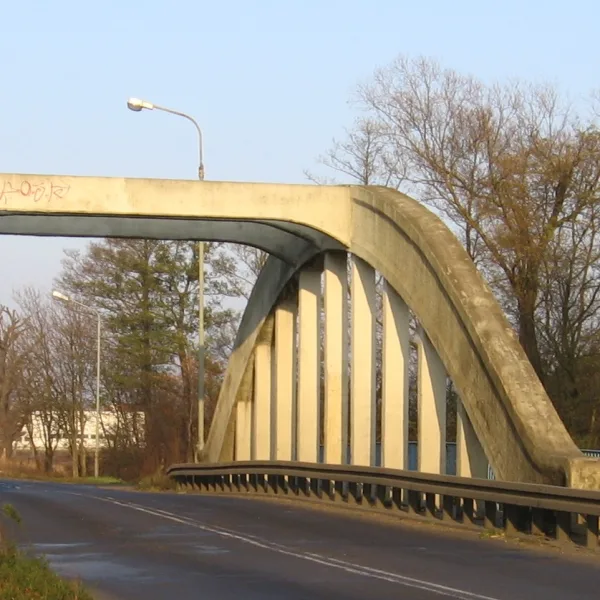
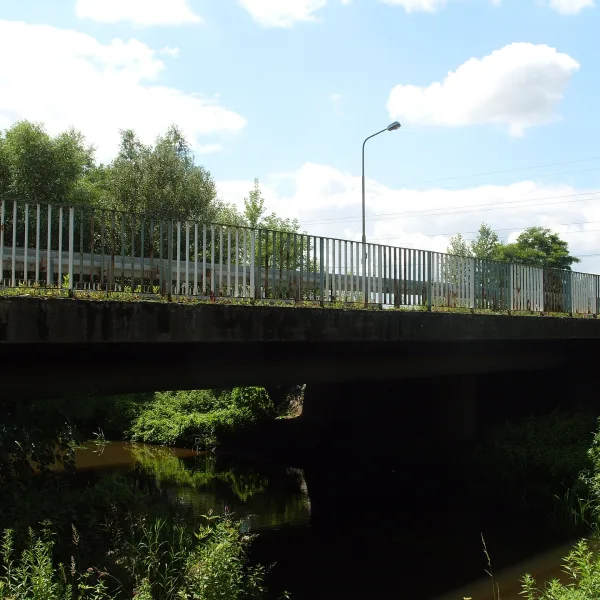
In the north you will see the Warsaw Bridges: five bridges, three from before the First World War and two from 2006-2008. In the Kleczków district stand the stone-and-brick Osobowice Bridges of 1897, entered in the register of monuments. Over the Bystrzyca stand the Marszowice Bridge from 1900, the Średzkie Bridges (four bridges in one line) and the Ratyn Bridge, rebuilt in 1971. Over the Widawa lie the Bolesław Krzywousty Bridges from 1953 and 1978, the Widawa Bridge and the Polanowice Bridge from 1960. Over the Ślęza in Klecina stands the Kleciński Bridge from 1962-1967, built on the site of an old medieval crossing, and over the Oława the reinforced-concrete Żabia Ścieżka Bridge from 1931. The Strachocin Bridge links Strachocin and Swojczyce and has had its present shape since 2017. The Pawłowice Bridge over the Dobra is a reinforced-concrete crossing from 1995, 23.85 metres long. Such modest bridges show how road-building technology changed over more than a hundred years.
A station, a water tower and a former brewery
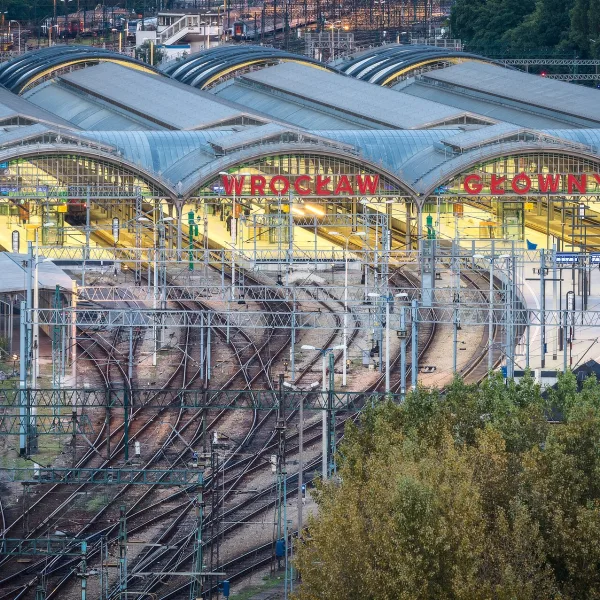
Wrocław Główny is the largest railway station in the city: a historic neo-Gothic building with a train shed from 1857, one of few in Poland with the shed preserved. It holds the Premium category in the PKP classification. You can see the platform shed even on a quick change of trains. In Borek stands the water tower on Wiśniowa Avenue from 1905. It is about 62 metres tall and has a viewing gallery at 42 metres, but it is currently closed, so look at it from outside.
In Ołbin the Piast Brewery (formerly Brauerei Pfeifferhof) is a post-industrial complex now being converted into a residential and service estate. Within the Southern Hydroelectric Power Plant stands a reinforced-concrete industrial bridge from 1922, but it is an internal road of the complex and cannot be visited.
Frequently asked questions
Which bridge should you start with in Wrocław?
With the Tumski Bridge, then the Grunwaldzki Bridge: both are in the centre and show well what steel structures looked like at the turn of the 19th and 20th centuries.
Which bridge has the tallest pylon in Poland?
The Rędziński Bridge, 122 metres high, part of the A8 motorway.
Can you go up the water tower on Wiśniowa Avenue?
Not at the moment. The viewing gallery at 42 metres is currently closed, so you see it from outside.
Is visiting the bridges paid?
Ordinary bridges are part of the public space. Not every site is accessible, however: the bridge in the Southern Hydroelectric Power Plant is closed to visitors. For a wider list, see industrial heritage across the region.

 Historic sites