Monuments in Wrocław: the pillory on the Market Square, a dwarf on Świdnicka, memorials and sculptures in parks. See what they commemorate.
Which monuments in Wrocław should you see first?
Start at the Market Square. The Pillory is a reconstruction of the historic pillory of 1492: a four-sided sandstone post on a three-step plinth, topped with a figure of the executioner known as Roland. The original stood where an earlier wooden pillory from the early 14th century had been.
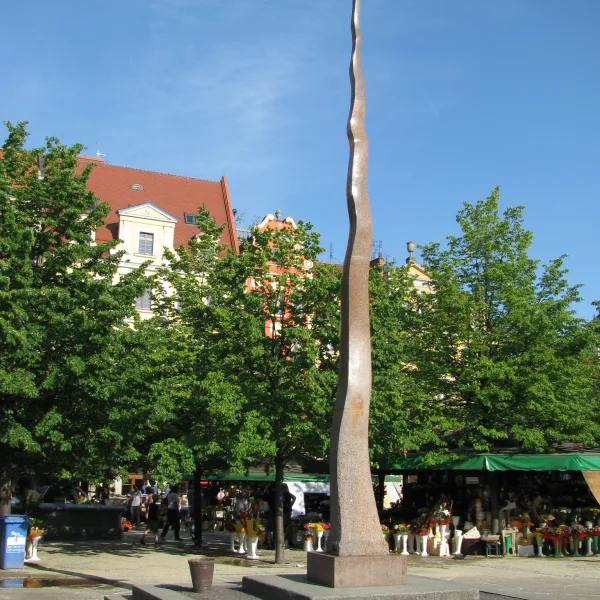
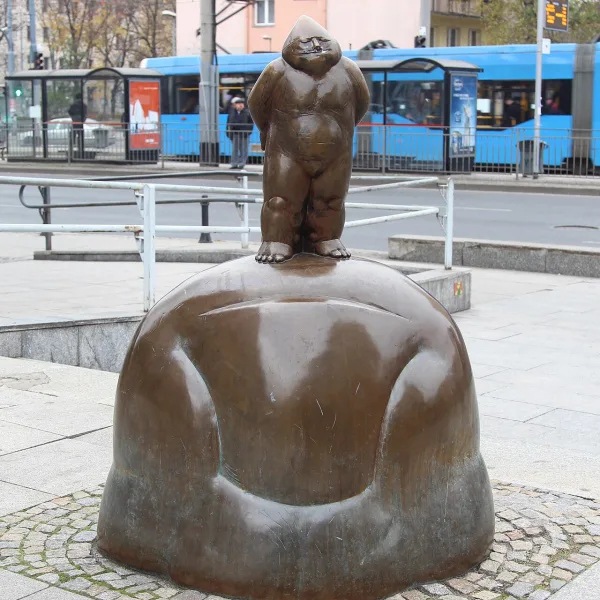
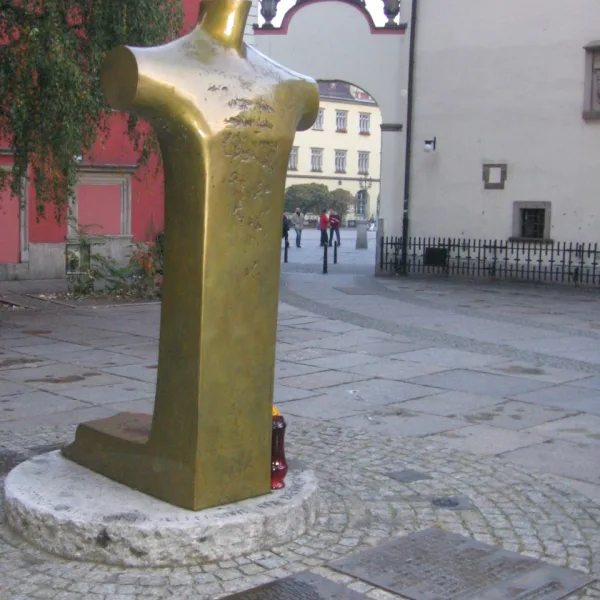
The Orange Alternative Monument has a very different mood: a bronze dwarf on the Świdnicka Street promenade. It was unveiled in 2001, the work of Olaf Brzeski, and commemorates the Wrocław movement that was active during martial law. On Solny Square stands the Spire, a wavy granite obelisk shaped like a flame, designed by Adam Wyspiański and put up in 1996.
Memorials: war, repression and deportation
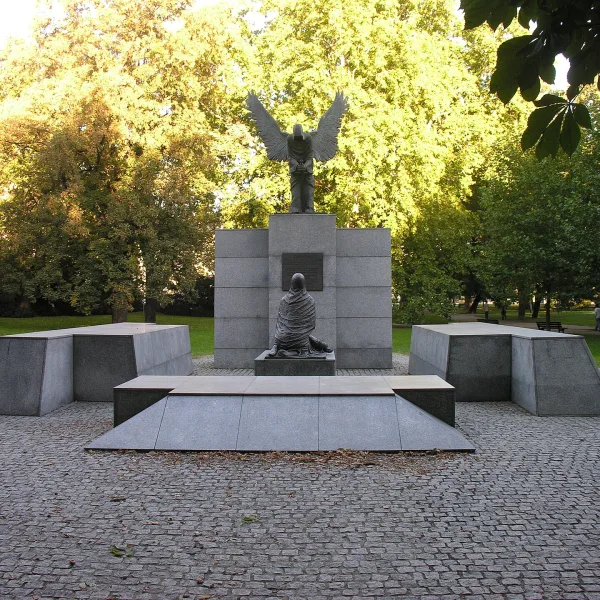
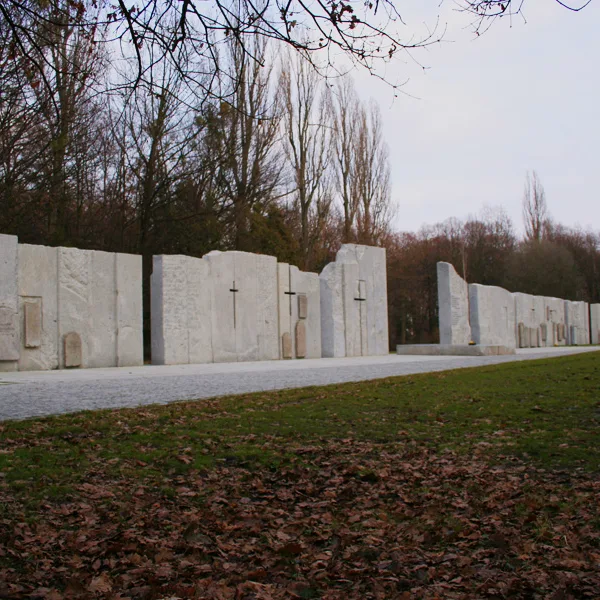
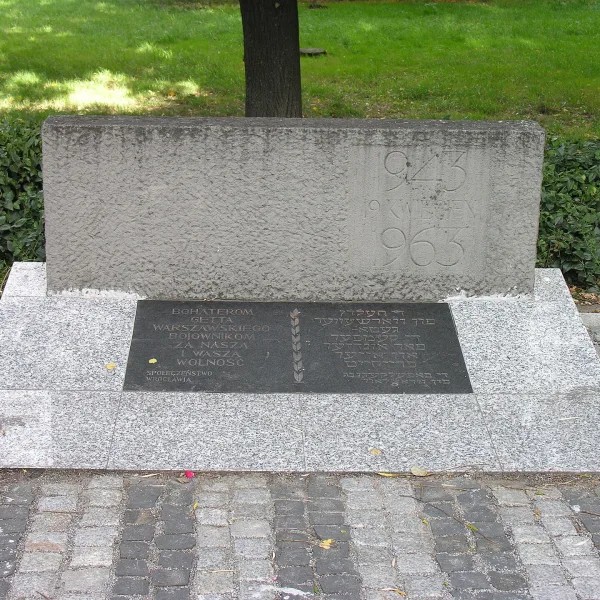
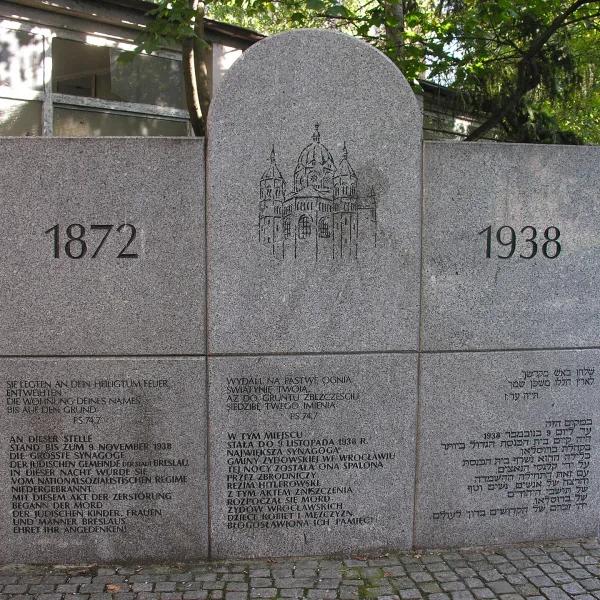
At several monuments it is worth slowing down and keeping a serious tone. In Juliusz Słowacki Park stands the Monument to the Victims of the Katyn Massacre, a cross of granite slabs with figures of the Angel of Death and the Katyn Pieta. The Monument to the Heroes of the Warsaw Ghetto was unveiled in 1963 on a green at Psie Budy Street. At the corner of Łąkowa and Drucki-Lubecki streets you will find the monument to the victims of Kristallnacht, a granite matzevah from 1998 on the site of the burnt New Synagogue.
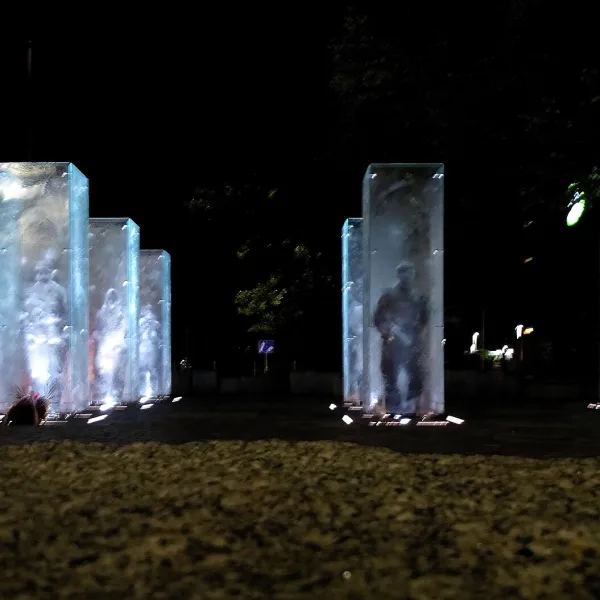
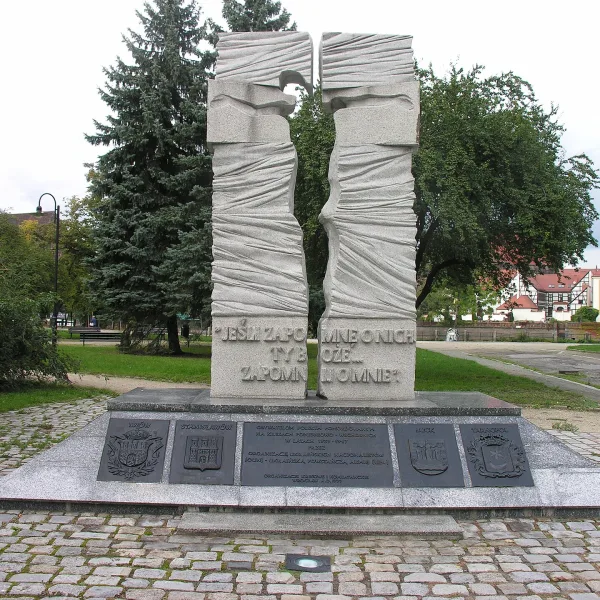
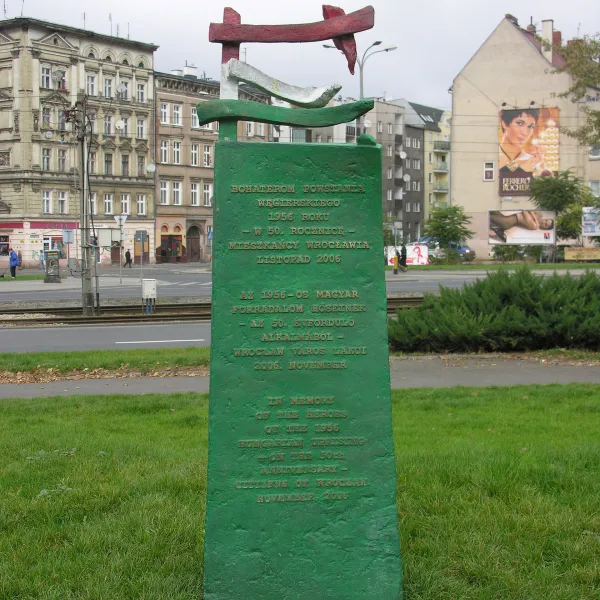
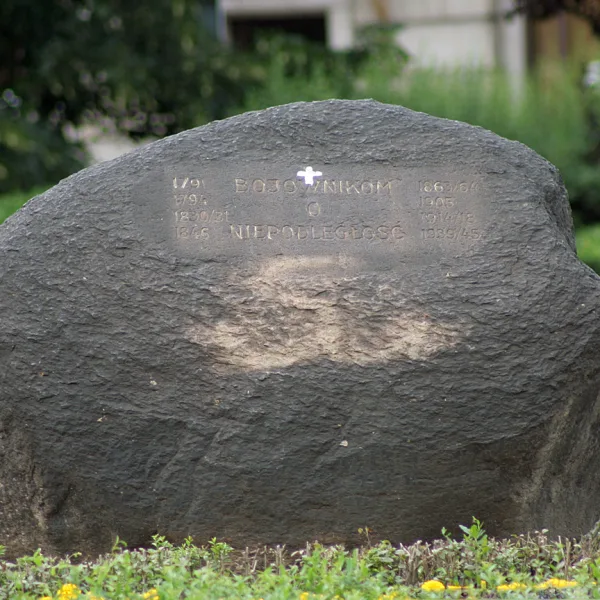
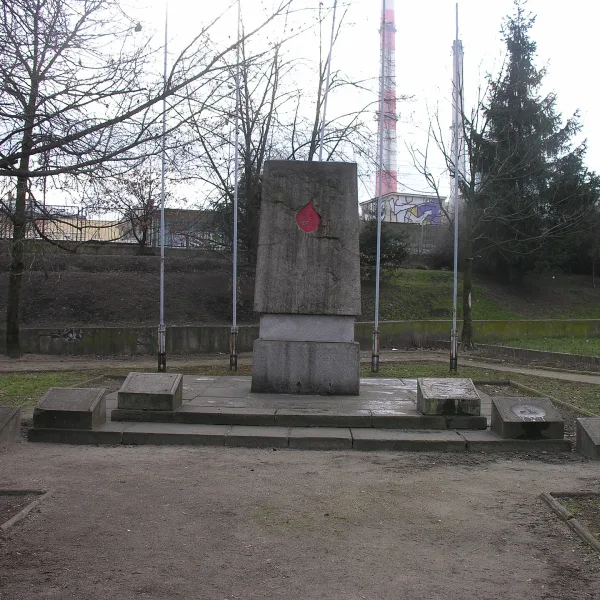
On Sybiraks Square stands the Monument to the Siberian Exiles: a twelve-metre Latin cross piercing a wall, consecrated in 2000. In Huby, the Monument to the Unbroken Soldiers, the work of Tomasz and Konrad Urbanowicz, was unveiled in 2024. On the green at Reymonta and Kleczkowska streets stands a concrete Obelisk in Honour of the Murdered Patriots from 1980, which commemorates 314 victims of Nazism murdered in the nearby prison. On the Sunny Boulevard you will see a monument to the Hungarian uprising from 2006, and in Grabiszyński Park the Monument of Shared Memory, dedicated to residents whose graves were removed after 1945.
Monuments in parks: a column, busts and a fountain
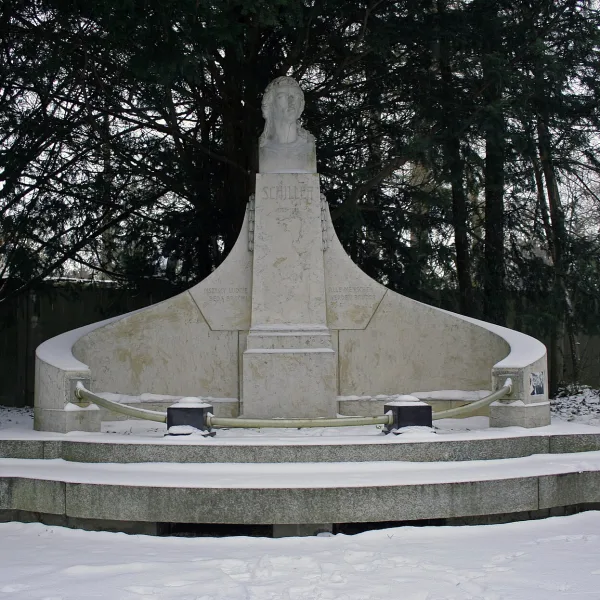
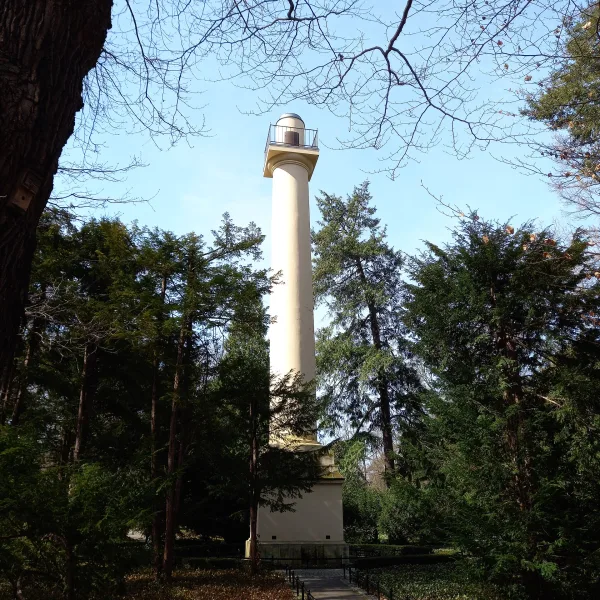
In Szczytnicki Park stands the Column of Frederick William II, a brick monument from 1806 modelled on Trajan's Column. The first column, made of wood and plaster, went up in 1797 but burned down in 1805. In the same park you will find the bust of Friedrich Schiller from 1905, destroyed after the war and recreated in 1995.
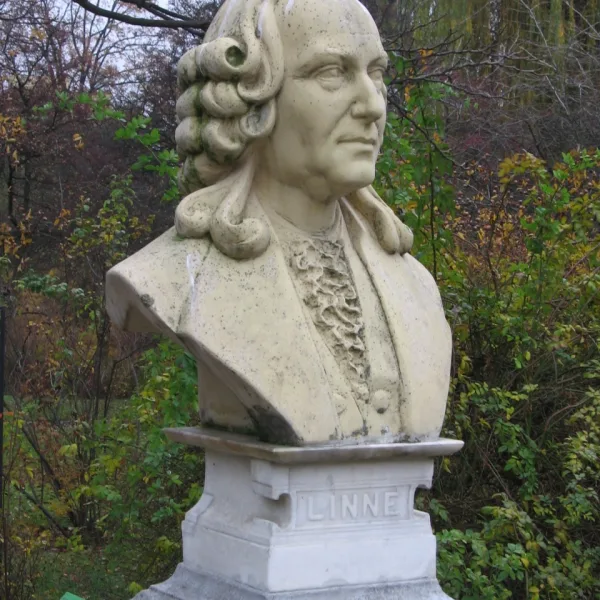
A little further in Słowacki Park is the neo-Gothic Johann Friedrich Knorr Monument. Karl Lüdecke designed it as a small chapel, and in 2017 it was restored as a fountain with a lion's head. Quieter is the monument to Carl Linnaeus in the Botanical Garden of the University of Wrocław, a bust from 1871 on a brick plinth, more an extra on a garden visit than a trip of its own.
Monuments to people: a pastor, a pope and a pianist
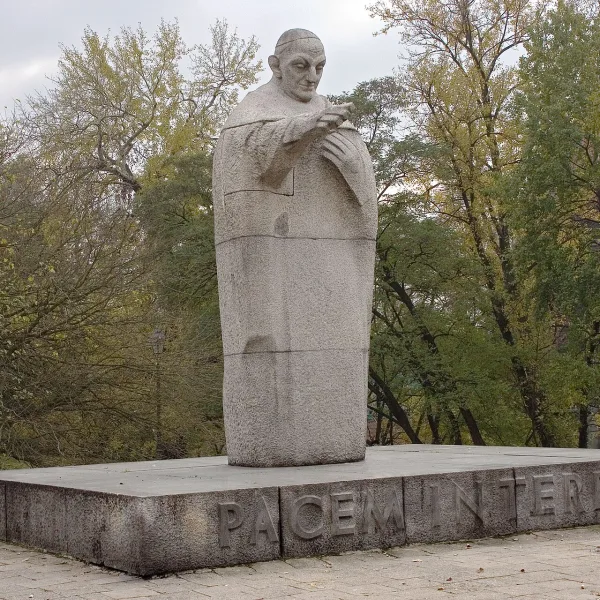
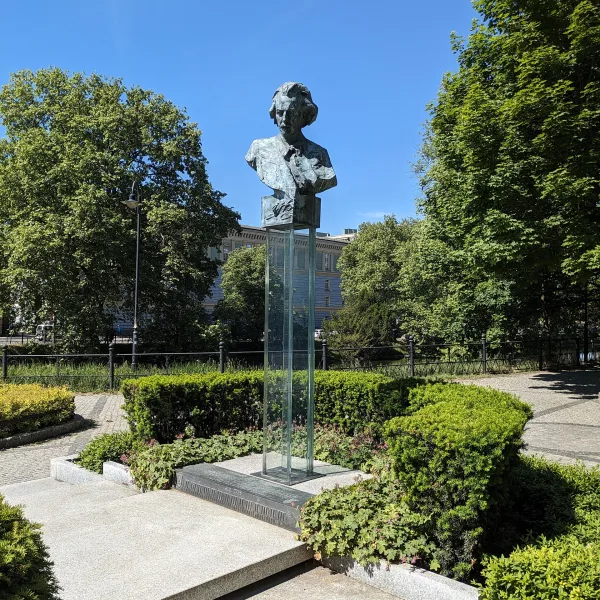
The Monument to Pope John XXIII on St Martin Street on Ostrów Tumski is a granite sculpture by Ludwika Nitschowa, 5.2 metres high and the only monument to this pope in Poland. At St Elizabeth's Church stands the Dietrich Bonhoeffer Monument, a replica of the Berlin work by Karl Biedermann; Bonhoeffer, a Protestant pastor and opponent of Nazism, was born in Wrocław. Opposite the National Forum of Music you will see the bust of Ignacy Jan Paderewski, bronze on a glass plinth, unveiled in 2018.
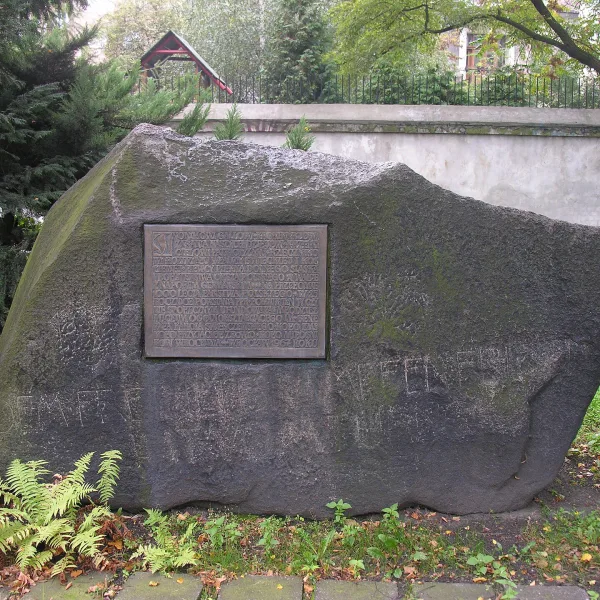
In the courtyard of the First Secondary School lies the Gallus Anonymus Boulder. It was originally a monument to the Friesen Corps from 1913, and since 1967 it has been dedicated to Gallus Anonymus. On the grounds of the University of Economics stands a bust of Oskar Lange from 1974, made of syenite by Władysław Tumkiewicz and set on a granite plinth. It was unveiled on the day the university took its patron's name.
Less obvious monuments
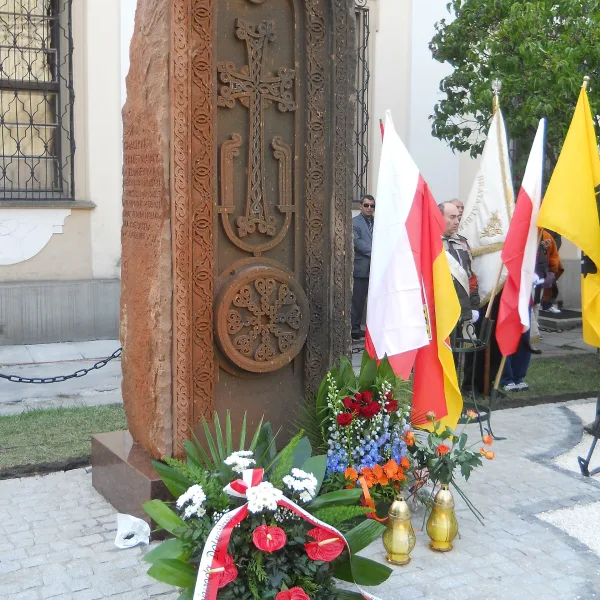
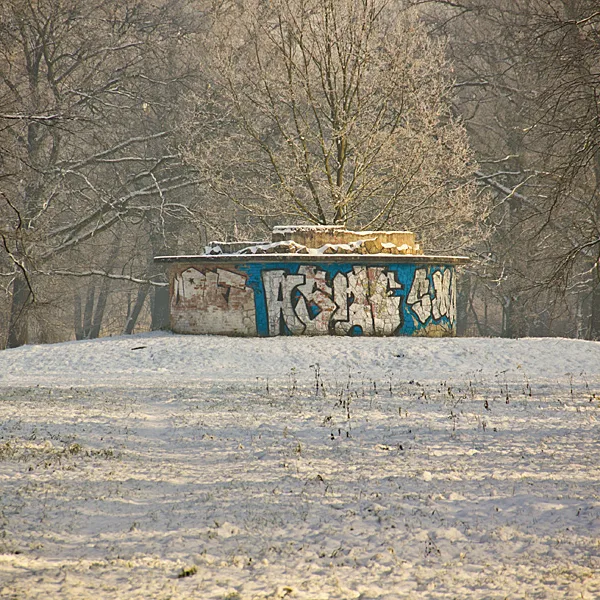
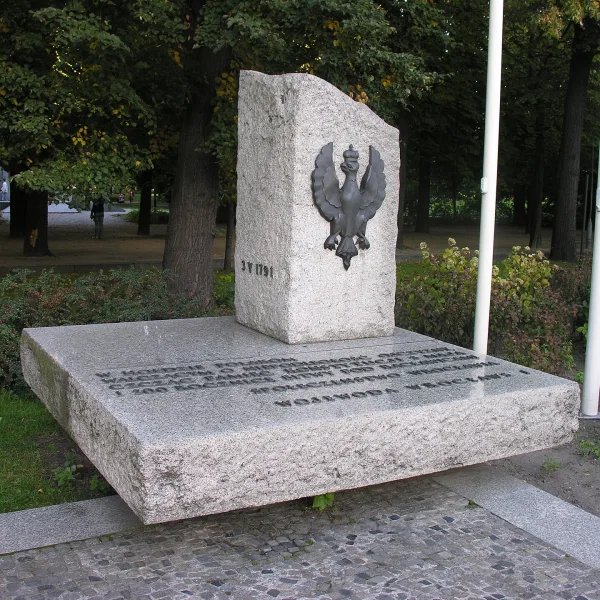
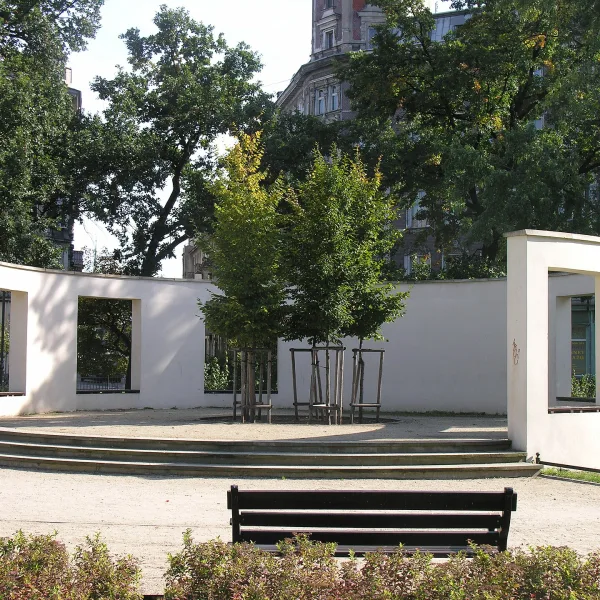
Beside the entrance to the Racławice Panorama stands the obelisk of the Constitution of 3 May from 1994, by Alojzy Gryt. On St Matthias Square in Nadodrze a partial reconstruction of a semi-rotunda from 2005 survives, left from the monument to the 6th Field Artillery Regiment, demolished in 1945. In the courtyard of the Ossolineum stands a reconstructed monument to pupils and teachers of St Matthias grammar school who fell in the First World War. On Janickiego Street there is an Armenian khachkar unveiled in September 2012, a stone stele commemorating the Armenian genocide and the centuries-long Armenian presence in Poland. In Kowale, on Kochanowskiego Avenue, lies a boulder from 1917 with a plaque from 1983, honouring the builders of the Oder Waterway. In East Park stands a partly preserved Nazi monument of 1937 dedicated to the SA; it is a record of difficult history, not a place for festive sightseeing.
Frequently asked questions
Is visiting the monuments in Wrocław paid?
No. All sites on this page carry the "Free" tag. See also other free attractions in Wrocław.
Which monument is the oldest?
Among the sites described, the oldest are the pillory on the Market Square, whose present form reconstructs the pillory of 1492, and the Column of Frederick William II from 1806 in Szczytnicki Park.
How do you plan a monument route through the centre?
Start at the Market Square with the pillory, walk the Świdnicka promenade to the Orange Alternative dwarf, then continue to Słowacki Park, where the Katyn and Knorr monuments stand. You will find more memorials among the cemeteries and monuments of Wrocław.
Where can you find monuments across the whole region?
See the list of monuments in Lower Silesia.

 Cemeteries and monuments