Cemeteries in Wrocław: historic St Lawrence, war cemeteries, the Piast Mausoleum and active necropolises. Learn the history behind these memorial places.
Which Wrocław cemeteries have the most interesting history?
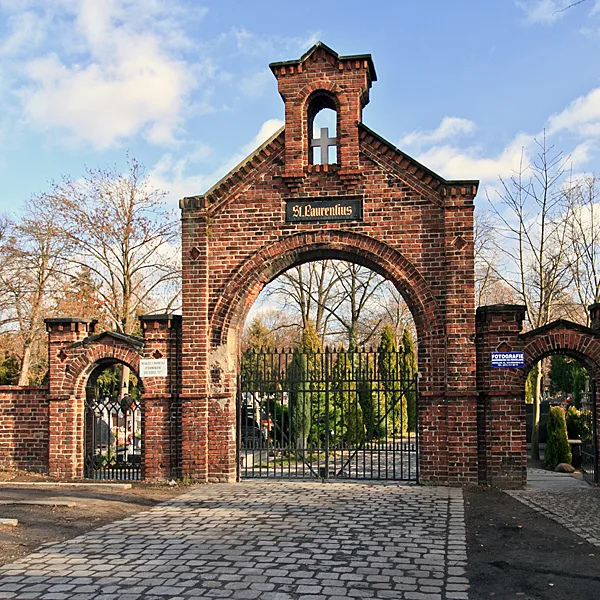
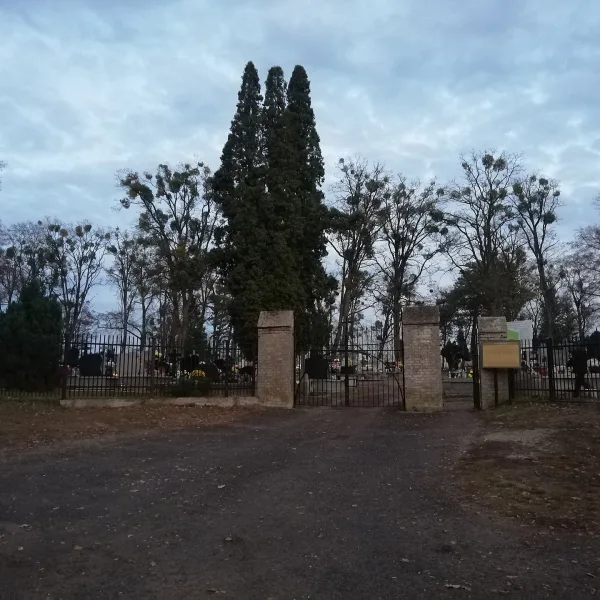
The oldest layout on this list belongs to the St Lawrence Cemetery in Ołbin. It was founded in 1866, when the earlier parish cemetery ran out of space. It covers 4.3 hectares on the site of the former Rybaki settlement, and from the Bujwida street side a brick entrance gate with the inscription St. Laurentius still stands, built in the 1870s. The cemetery also holds the graves of well-known figures.
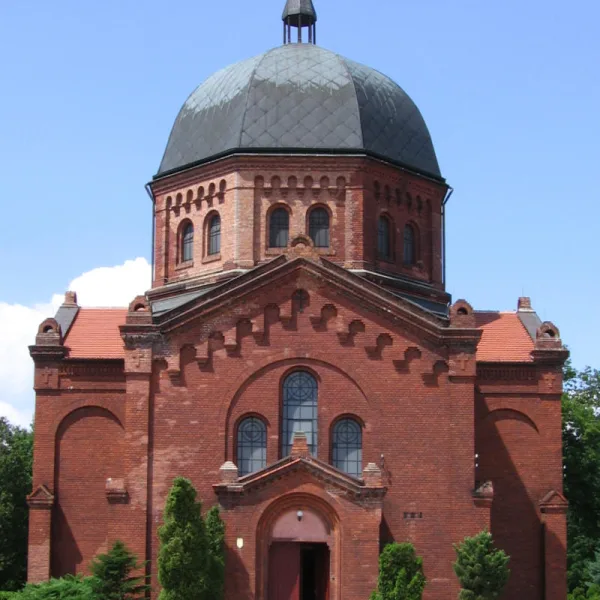
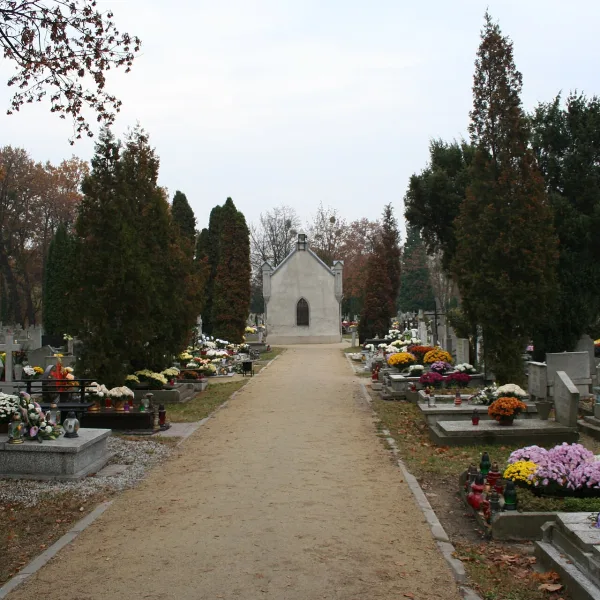
The Grabiszyn Cemetery is among the largest in the city. What you see today is only a fragment of a much bigger complex that in the first half of the 20th century consisted of three parts. The first was founded in 1867 between today's Hallera, Romera and Grabiszyńska streets, with a chapel in the Italian Renaissance style designed by the architect Zimmermann. The siege of Wrocław in 1945 destroyed the complex. Well-known figures of science and culture are buried at Grabiszyn.
The cemeteries of former villages tell a quieter story of changing faiths and borders. The cemetery in Klecina was consecrated in 1878 and served both Protestants and Catholics, passing to Catholics after 1945. The cemetery in Leśnica opened in October 1883 as a Protestant burial ground, was extended in 1893 and 1905, and keeps some historic elements from before 1945. The Brochów Cemetery on Brochowska street moved from a Protestant parish to the Catholic parish of St George the Martyr and has regular plots and avenues of lime and chestnut trees.
Where are the war cemeteries in Wrocław?
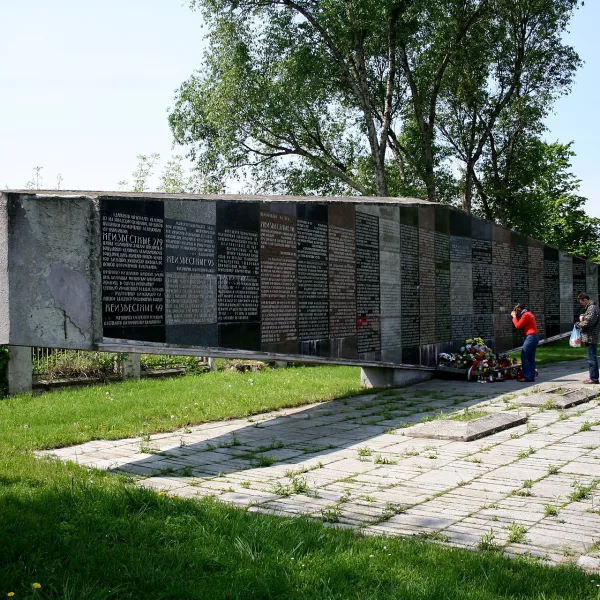
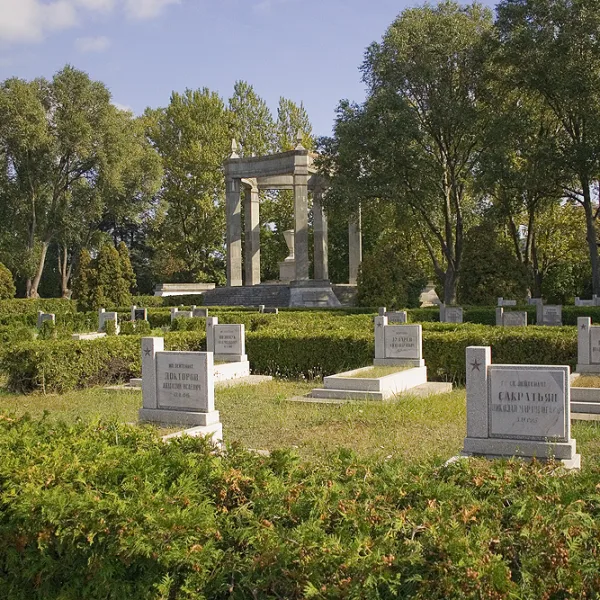
Burial places of war victims call for silence and seriousness, and it helps to know their history before you go. The Soviet Soldiers' Cemetery on Skowronia Góra holds about 7,500 Red Army soldiers who died during the siege of Wrocław in 1945. A temporary burial ground appeared here in 1945, one of eight such sites in Wrocław and its surroundings, and in 1947-48 it was chosen as the final resting place.
The Soviet Officers' Cemetery lies between Karkonoska and Wyścigowa streets and covers 5.3 hectares in the shape of a triangle. It holds 763 officers, 69 of them unidentified, as well as two German anti-fascists, Horst Viedt and Josef Wagner.
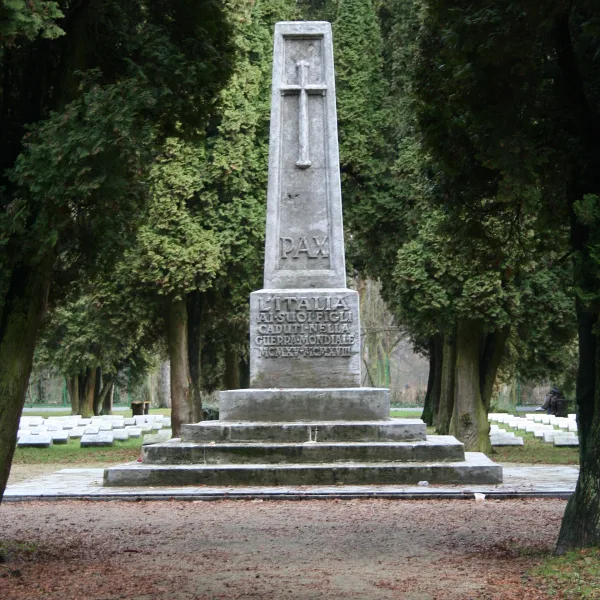
In Grabiszyn-Grabiszynek you will also find the Italian Soldiers' Cemetery, covering 0.5 hectares. It was built in 1927-1928 entirely with funds from the Italian government and consecrated on 2 November 1928. It holds 1,016 people, mostly Italian soldiers taken prisoner after the battle of Caporetto in 1917 who died in prisoner-of-war camps in eastern Germany.
Can you see the graves of the Piast dukes in Wrocław?
Yes. The Mausoleum of the Silesian Piasts is inside the Church of St Clare and St Hedwig on Plac Nankiera, a few hundred metres from the Market Square. It occupies the former main nave, destroyed in the Second World War and rebuilt as a mausoleum in 1968-1970. You can see the tombstones of dukes and duchesses of the Piast dynasty, among them Henry III the White, Henry V the Fat and his son Henry VI the Good, the last of the Wrocław dukes. There are also slabs for a dozen or so ducal daughters, mostly abbesses of the convent. It pairs well with a visit to the museums in Wrocław.
Which cemeteries are still in use today?
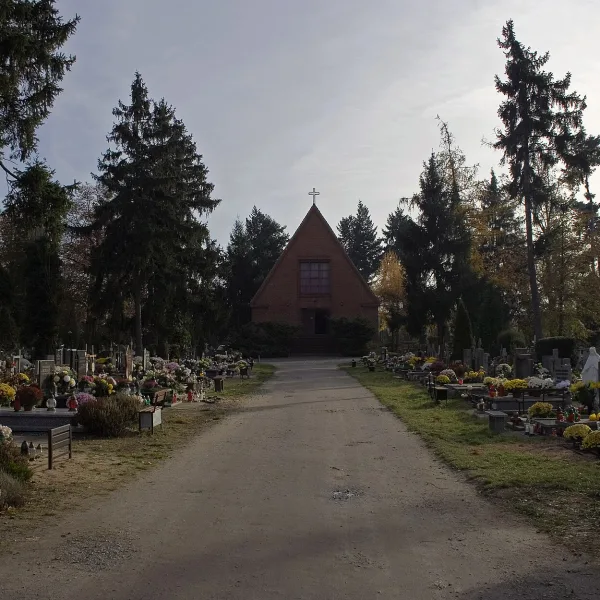
Most places on the list still serve their original purpose. The Holy Spirit Cemetery in Tarnogaj opened in 1918 as the St Henry Cemetery, designed by the architect Theo Effenberger. Today it covers over 8 hectares on Bardzka street and changed its name in 1978, when the Holy Spirit parish took it over. The St Maurice Cemetery in Gaj on Działkowa street, consecrated in 1940, is the third burial ground of that parish. The Holy Family Cemetery in Sępolno, founded in 1928, lies in a quiet, green part of the city.
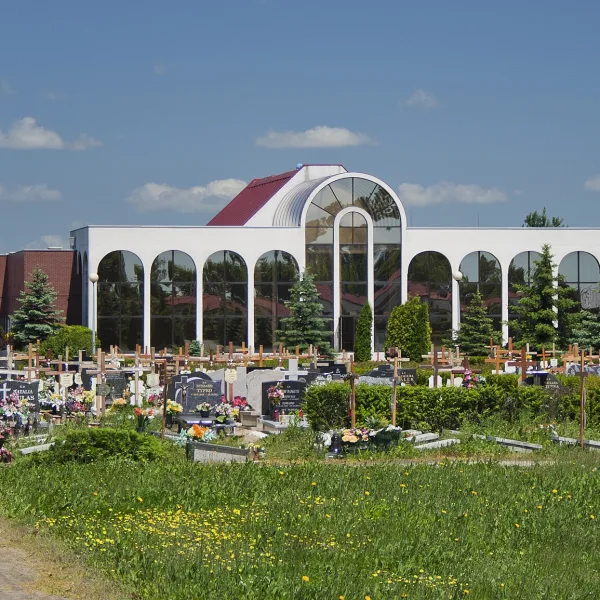
Municipal cemeteries appeared when the large ones began to run out of space. The Psie Pole Cemetery was founded in 1996 and is sometimes called the Kiełczów Cemetery. It has the only crematorium in Wrocław and is adapted for both earth and urn burials. The Jerzmanowo cemetery was created under a City Council resolution of 5 June 1998 and laid out like a park with a chapel in the middle. The Pawłowice cemetery at Złocieniowa 29 has three parts and an archaeological site from the 1st-4th century AD in its western section.
How should you behave at a cemetery, and what else is nearby?
A cemetery is a place of prayer and remembrance. Keep quiet and show respect, whether you are visiting a particular grave or just walking through. All the places on this page are marked as free, and similar ones are collected in the list of free attractions in Wrocław and in the wider category of cemeteries and monuments in Wrocław.
If you want to add a walk, look at parks and nature or choose places with character in the city. For historic buildings, see the architecture of Wrocław. Cemeteries from the whole region are listed under Cemeteries and necropolises, and a general overview is on the page attractions in Wrocław.
Frequently asked questions
Which Wrocław cemetery on this list is the oldest?
Among the places described here, the earliest is the St Lawrence Cemetery in Ołbin (1866), followed by the first part of the old Grabiszyn complex (1867). The cemetery in Klecina was consecrated in 1878 and the one in Leśnica opened in 1883.
Where are the war cemeteries in Wrocław?
The Soviet Soldiers' Cemetery is on Skowronia Góra in the Gaj district, the Soviet Officers' Cemetery lies between Karkonoska and Wyścigowa streets, and the Italian Soldiers' Cemetery is in Grabiszyn-Grabiszynek.
Can I see the graves of the Piasts?
Yes, in the Mausoleum of the Silesian Piasts inside the Church of St Clare and St Hedwig on Plac Nankiera.
Where is the crematorium in Wrocław?
The only crematorium in Wrocław operates at the Psie Pole Municipal Cemetery, founded in 1996.

 Cemeteries and monuments