Wrocław solo: museums, cathedrals, bridges and hills for a day out on your own. Find where to go at your own pace.
Where in Wrocław can you go on your own?
The "Solo" tag marks places where you need no company or group: you can see them at your own pace, read every label and sit as long as you like. The best start is the Market Square. The Town Hall is a late Gothic building that houses the Museum of Bourgeois Art with the Gallery of Famous Wrocław Citizens. The oldest parts were built before 1299, and construction went on for about 250 years.
Nearby, in the small Małgosia Gallery on Odrzańska Street, you can see changing exhibitions of painting by artists linked to Wrocław. It is a place for an hour of quiet: looking at paintings needs nobody's company. The gallery is run by the Society of Friends of Wrocław.
Museums for an hour or two
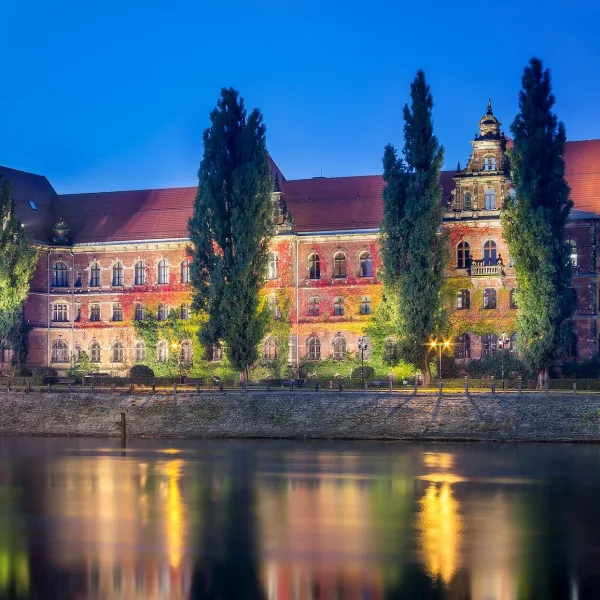
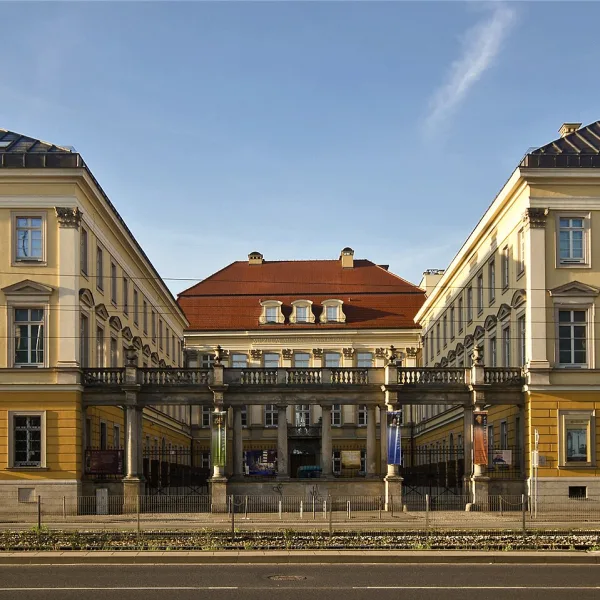
For many people the Racławice Panorama is a must. You view the painting from a central platform, surrounded by it on all sides; it was painted in 1893-1894 for the hundredth anniversary of the Kościuszko Uprising. The National Museum holds over 200,000 objects of painting and sculpture, mainly Silesian art, so a solitary walk through its rooms can fill half a day. In the Royal Palace, the former residence of the Prussian Hohenzollerns, you will see the exhibition "1000 Years of Wrocław".
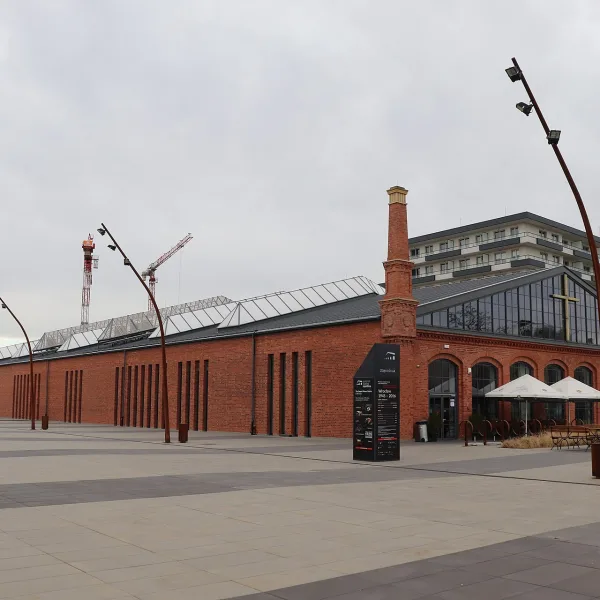
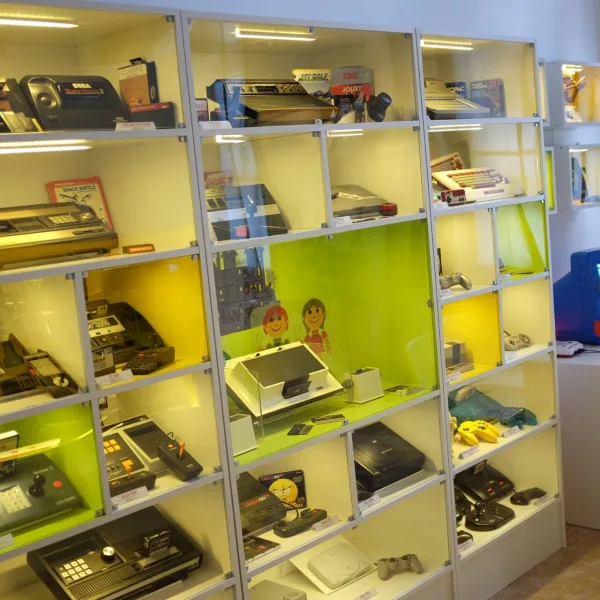
Look for curiosities in the smaller venues. Hydropolis sits in a former underground drinking water tank on Na Grobli Street and is the only centre of its kind in Poland. The Depot History Centre, in a brick tram depot, shows the exhibition Wrocław 1945-2016. Retro fans should visit the Museum of Games and Computers of a Bygone Era in the Świebodzki Station, Poland's first retro computing museum, with over 200 computers and consoles. You can also choose the Museum of Militaria in the City Arsenal of 1459, the Museum of Pharmacy in the Silesian Apothecary's House on Kurzy Targ, and the Herbarium Natural History Museum, with the oldest herbarium in Poland and a collection from Karl Lauterbach's Asian expeditions. These three have the "Rainy day" tag, so they make a good plan for bad weather. Nothing makes visiting alone harder here, and with fewer visitors it is easier to read the labels in peace. The Museum of Man has been closed since 2020, so do not put it on your route.
Churches, a synagogue and a cemetery: places for quiet
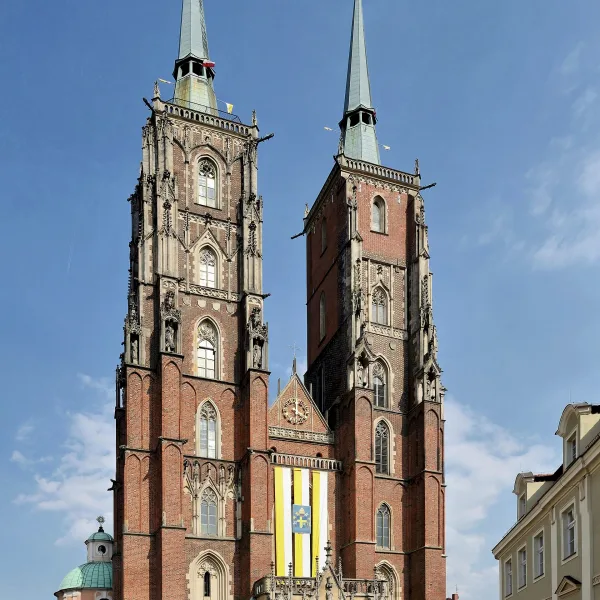
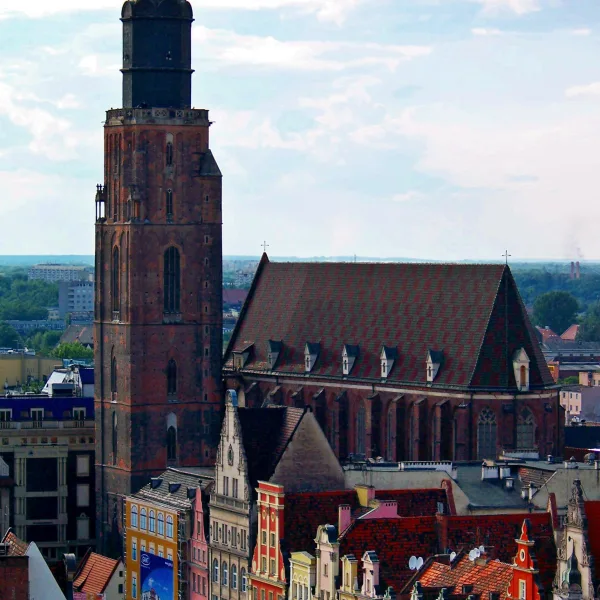
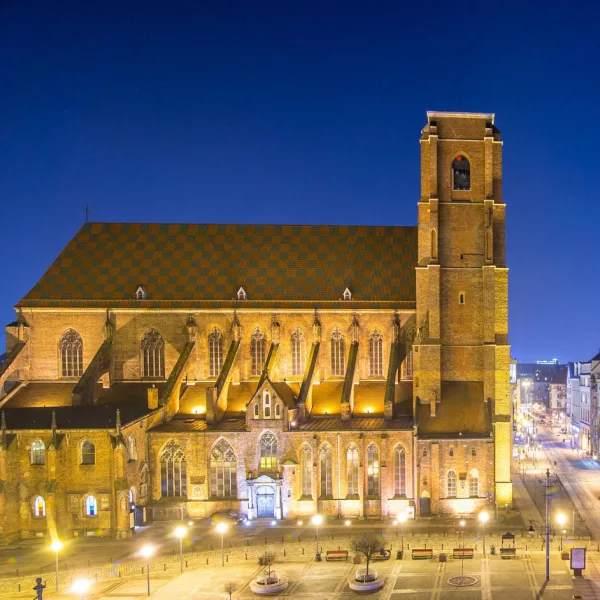
On Ostrów Tumski stands the Gothic Cathedral of St John the Baptist, the fourth church on the site, with the largest organ in Poland and a viewing gallery in the tower. By the Market Square rises the Basilica of St Elizabeth of Hungary with a tower 91 metres high. St Mary Magdalene's Cathedral, from the 14th century, stands between Szewska and Łaciarska streets. It was once one of the city's two parish churches and is now the cathedral of the Polish Catholic Church. On Świdnicka Street you will find the late Gothic brick hall church of St Stanislaus, St Dorothy and St Wenceslaus, originally an Augustinian monastery church and now a parish church.
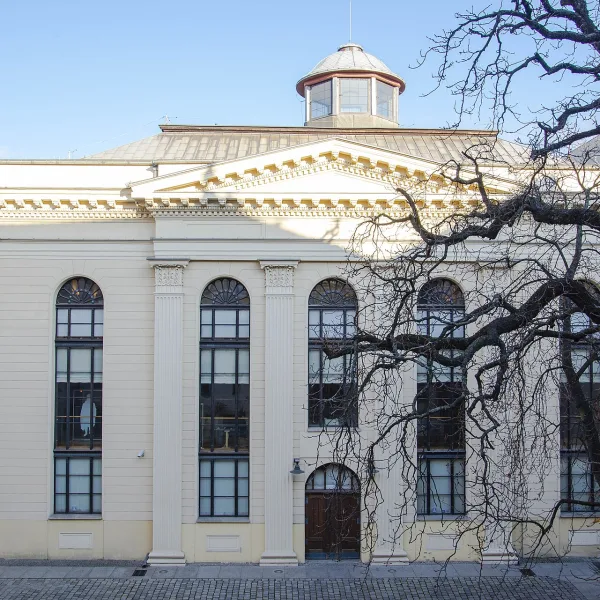
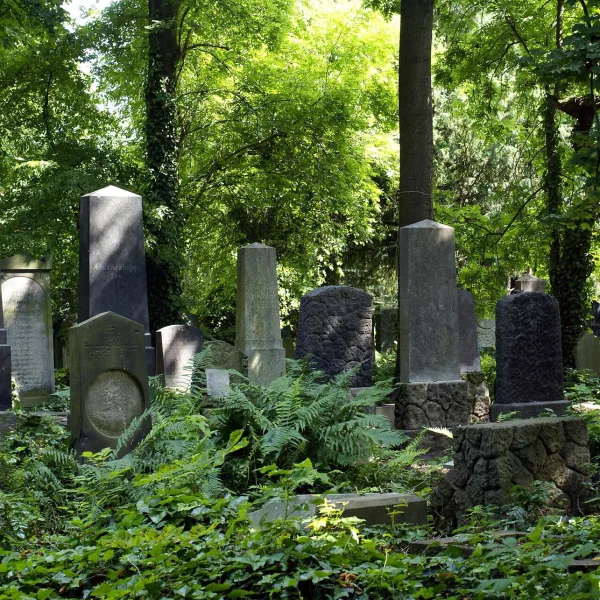
The classicist Synagogue Under the White Stork from 1829 on Pawła Włodkowica Street was devastated after the war, and the Jewish community regained it in the 1990s. On Ślężna Street lies the Old Jewish Cemetery from 1856, with about 12,000 gravestones; today it is the Museum of Cemetery Art. Keep a calm, matter-of-fact tone here.
Architecture and bridges: a walk with a camera
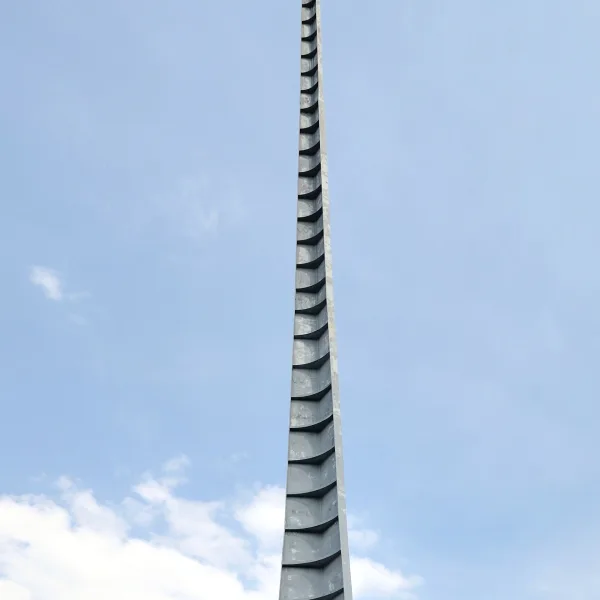
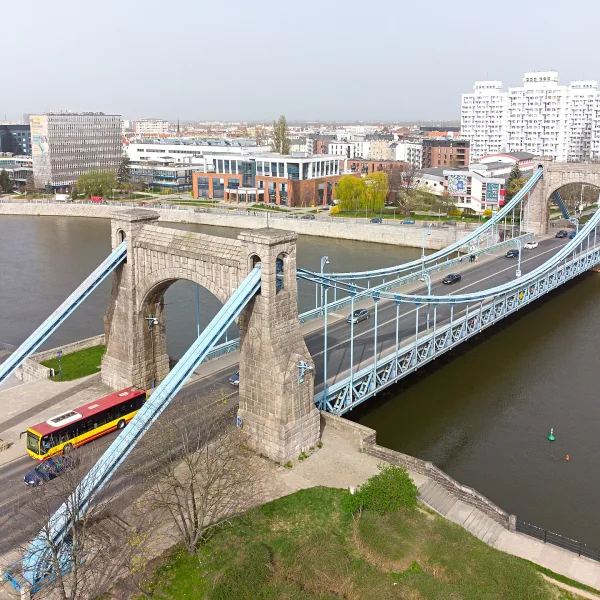
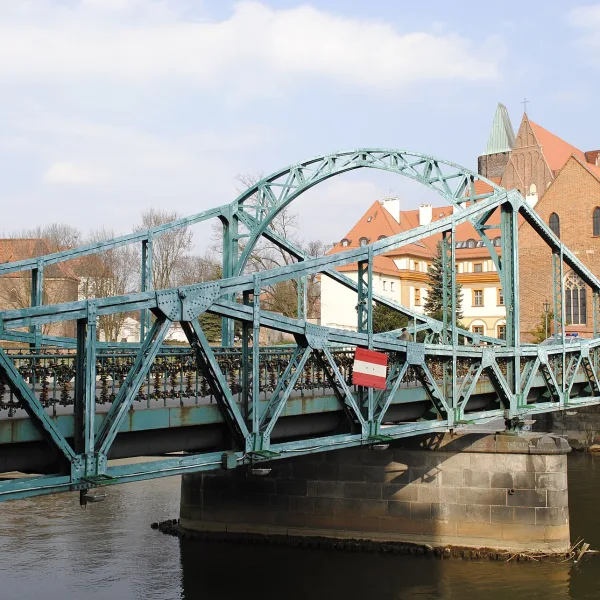
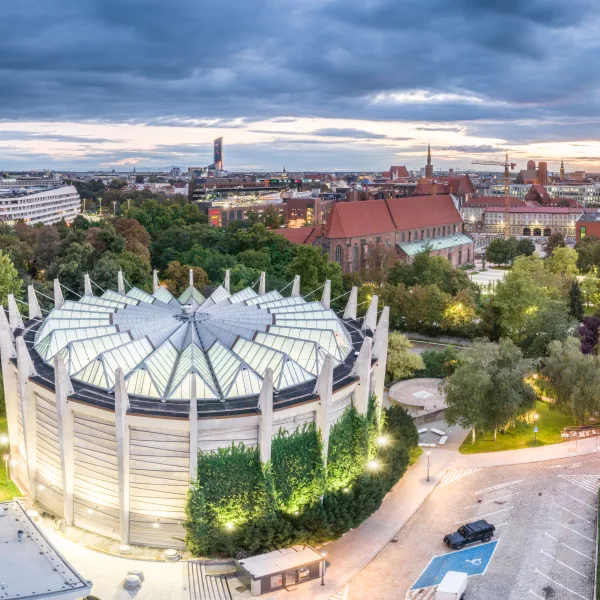
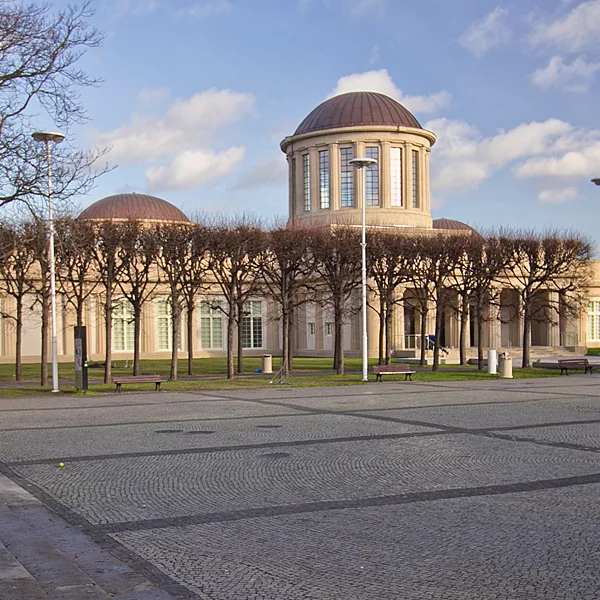
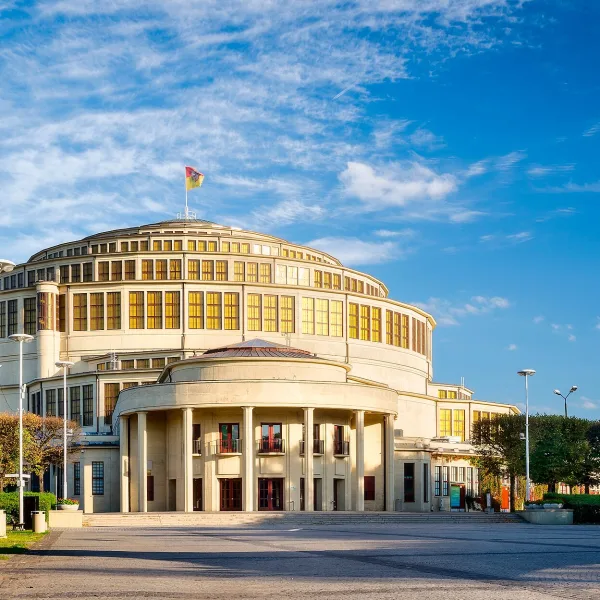
The biggest impression comes from the Centennial Hall, an expressionist hall of 1913 designed by Max Berg, a Polish Historic Monument and a UNESCO site. Next to it stand the Four Domes Pavilion from 1912-1913 and the Iglica, a steel tower 90.3 metres high, built in 1948. Two bridges to see are the Tumski Bridge of 1889, now for pedestrians only, and the Grunwaldzki Bridge, a suspension bridge of 1910 resting on two clinker-brick pylons.
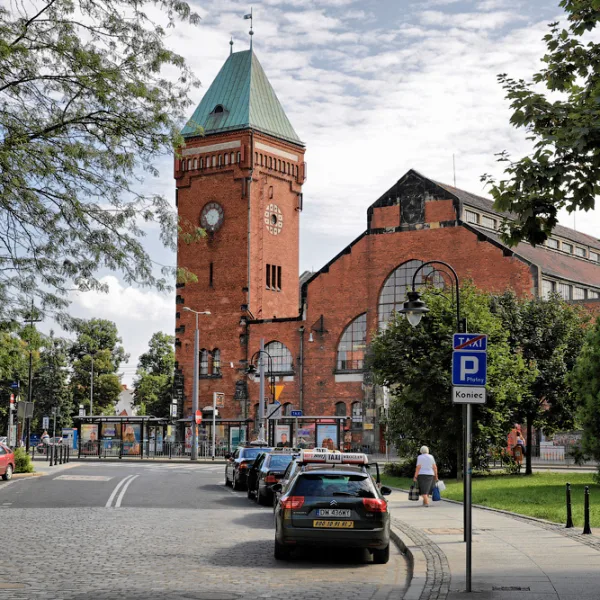
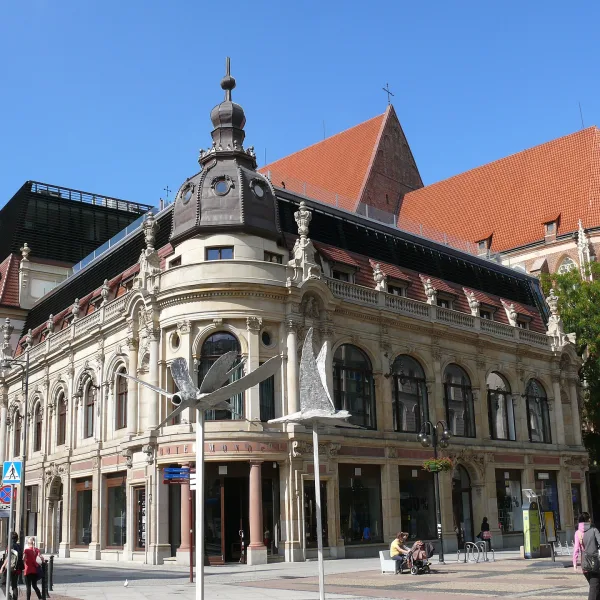
For a longer walk add the Market Hall of 1908 with its parabolic reinforced-concrete arches, still working as a market, the Art Nouveau Hotel Monopol from 1892, which served as a film set for Andrzej Wajda's "Ashes and Diamonds", and the neo-Baroque fountain Allegory of Struggle and Victory from 1905 by the Old Town Promenade.
An evening on your own and a moment on a hill
You can spend a solo evening at the Wrocław Opera, in a building of 1841 designed by Carl Ferdinand Langhans and rebuilt twice after fires, or at the Wrocław Puppet Theatre, with a repertoire for children, teenagers and adults. When you want to move, climb Tarnogaj Hill (133 metres above sea level) or Gajowice Hill, which has an outdoor gym and a view of the city. For a wider list, see solo places across the region.
Frequently asked questions
Is sightseeing alone safe and comfortable?
All places on this page carry the "Solo" tag, meaning they work for a trip on your own. Check opening hours and entry rules before you set off, as they can change.
What can you do alone when it rains?
Choose museums such as the National Museum, Hydropolis or the Depot. Many of them also carry the "Rainy day" tag.
Which place is best for a first visit?
The Racławice Panorama and the Town Hall: both are by the Market Square and give a quick picture of the city.
Are there free options?
Yes, Tarnogaj Hill and Gajowice Hill carry the "Free" tag. Check current museum ticket prices with the organiser.

 Historic sites