Cemeteries and monuments in Wrocław: the Anonymous Passer-By, Train to the Sky, Kantor's Chair and old necropolises. All free, some are memorials.
Which monuments and sculptures will you see in central Wrocław?
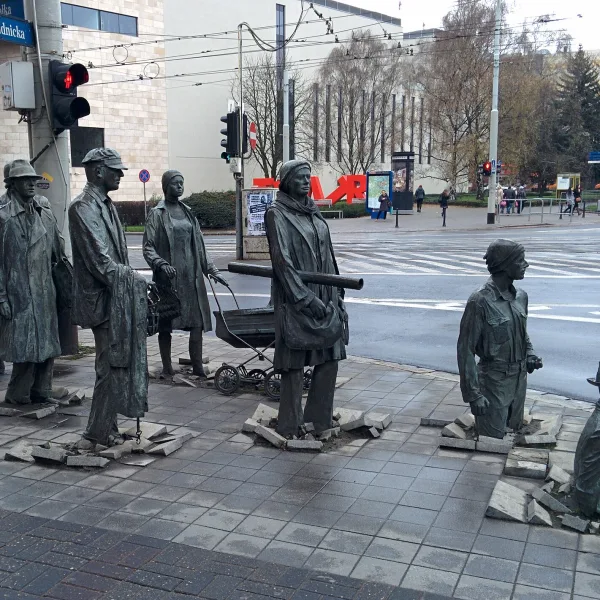
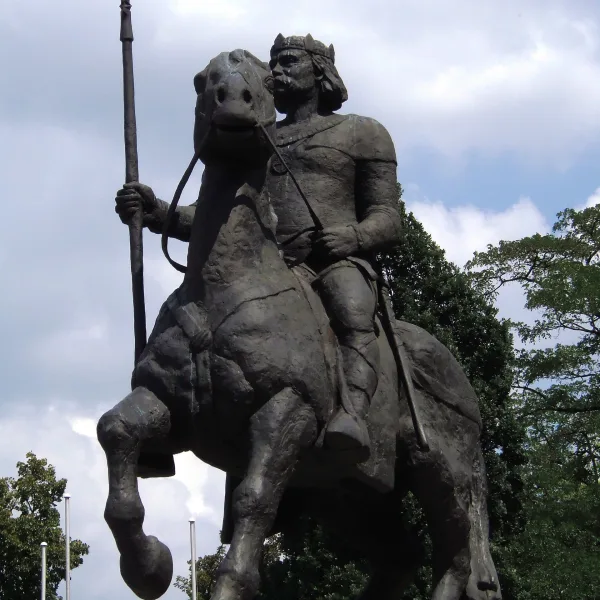
The easiest start is Świdnicka Street. The Monument to an Anonymous Passer-By consists of fourteen bronze figures that disappear into the pavement and emerge from it; it was unveiled on the night of 12-13 December 2005. Its prototype was the installation "Przejście" by Jerzy Kalina from 1977. Nearby stands the monument to Bolesław Chrobry, unveiled on 15 September 2007, the first equestrian monument in postwar Wrocław.
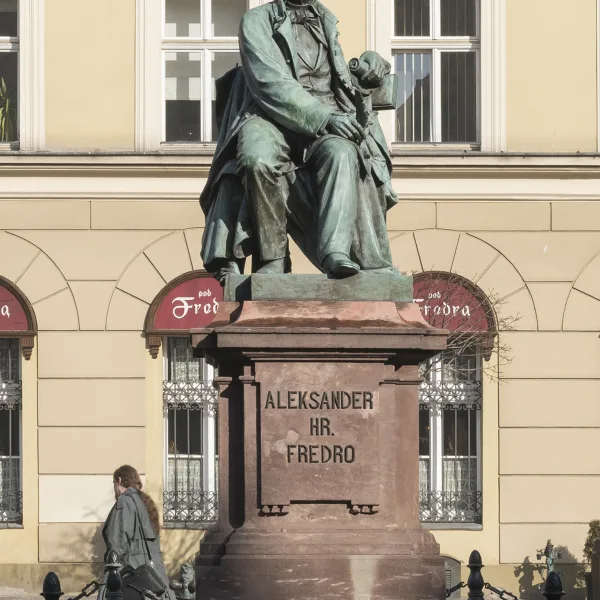
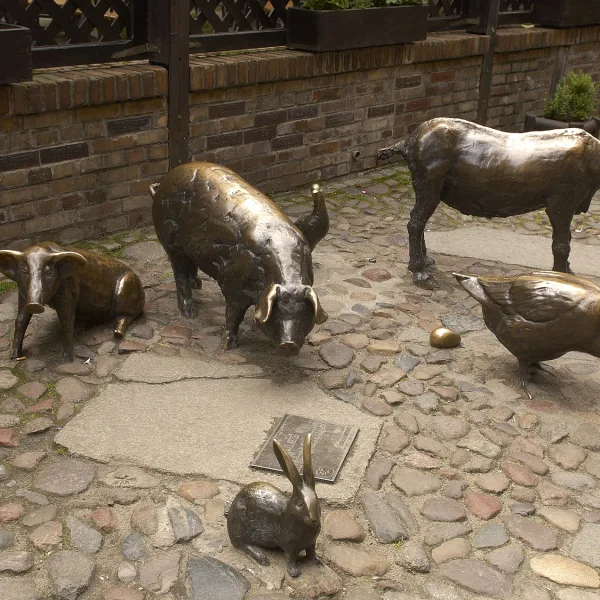
On the Market Square, see the Pillory, a reconstruction of a structure from 1492, with a figure of the executioner known as Roland. Next to it stands the monument to Aleksander Fredro, made by Leonard Marconi for Lviv and in Wrocław since 1956. The writer is seated, holding a pen and a roll of paper. From the Market Square you can also walk to Stare Jatki, where sculptures of slaughtered animals recall the butchers' stalls that worked here from 1242.
Where can you find unusual sculptures and installations?
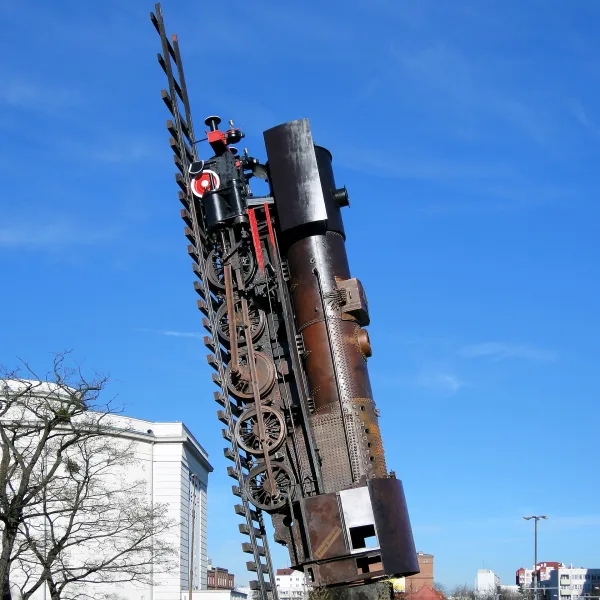
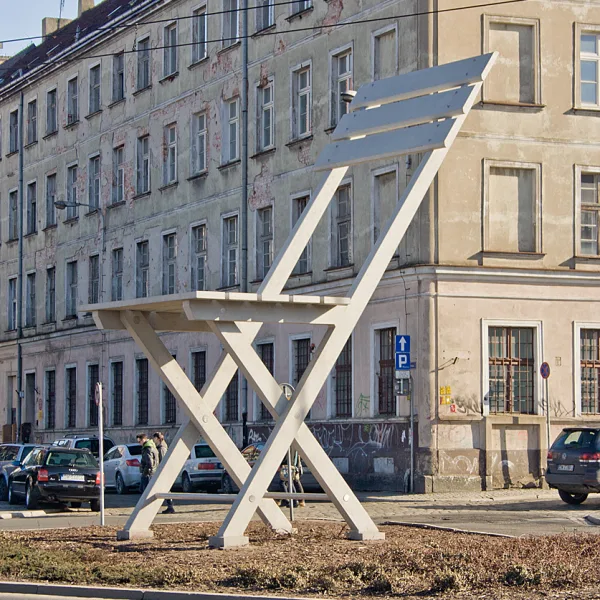
The most surprising is Train to the Sky on Strzegomski Square: a real Ty2-1035 steam locomotive set upright, 21 metres tall and weighing 82 tonnes. Its author is Andrzej Jarodzki. The Chair is a nine-metre concrete sculpture by Tadeusz Kantor, designed in 1970 for the Wrocław '70 Art Symposium and built only in 2011.
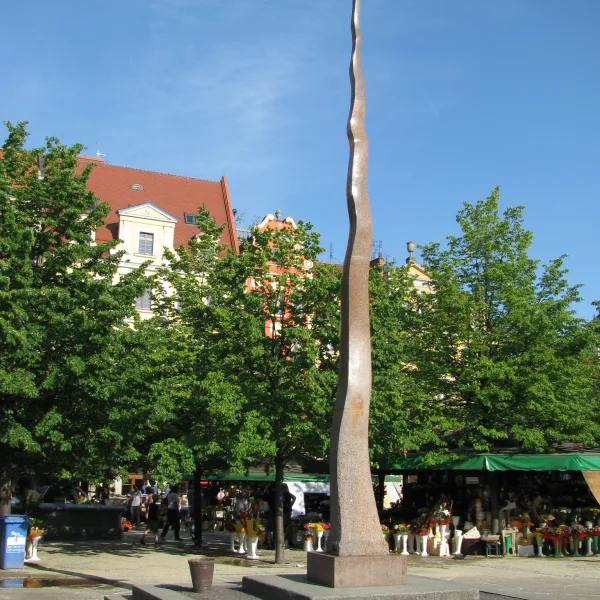
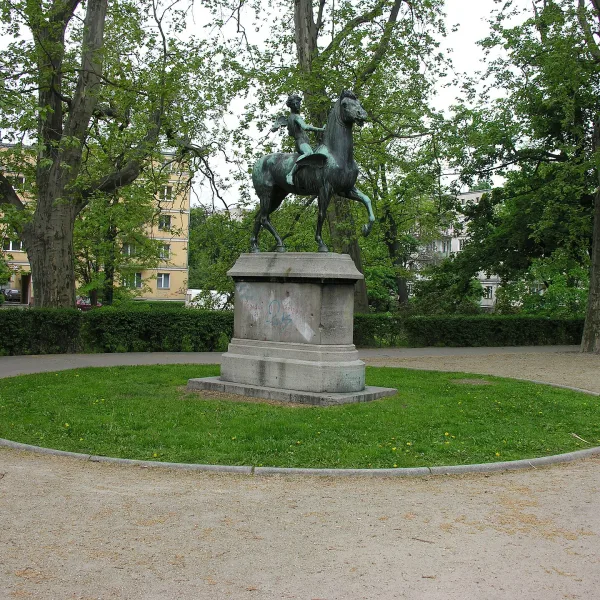
On Grunwaldzki Square stands the Atom, a white reinforced-concrete ball about two and a half metres across, drilled through so that from the right spot you can see the cathedral tower. Solny Square has a granite obelisk shaped like a flame, from 1996, by Adam Wyspiański. In Copernicus Park you will find the bronze Cupid on Pegasus from 1913, and on Kępa Mieszczańska the Powodzianka, a monument to the residents' fight against the flood of the millennium in July 1997.
Does Ostrów Tumski have its own monuments?
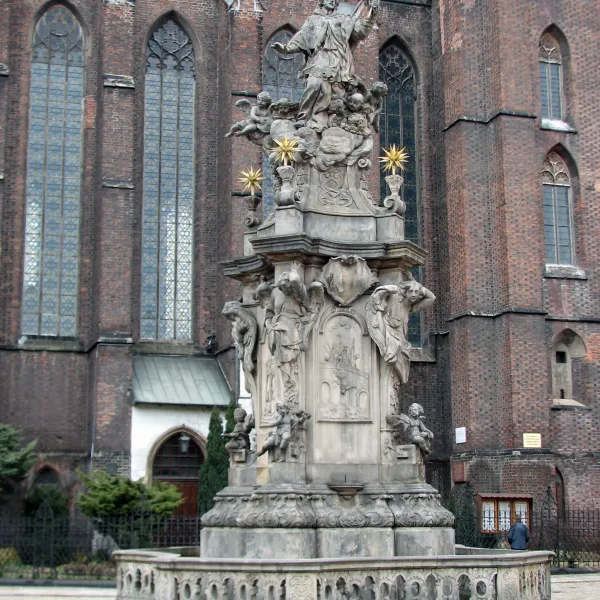
Yes, and very old ones. On Cathedral Square stands the statue of Our Lady with the Child, unveiled in 1694, the oldest surviving monument in the city. The Jesuits put it up as a sign of Catholicism's triumph over Protestantism. On Church Square stands the statue of St John of Nepomuk from 1730-1732, designed by Christoph Tausch and considered the largest monument to this saint in the world.
Where are the monuments to poets and composers?
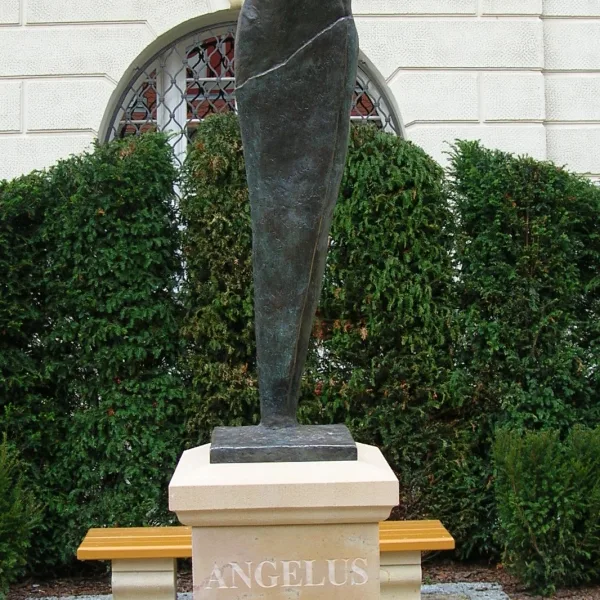
In Juliusz Słowacki Park stands a monument to the poet, unveiled in 1984 after a sculpture by Wacław Szymanowski from 1909. In the courtyard of the Ossolineum you will find the 2007 monument to Angelus Silesius, since the poet was a monk in the monastery that stood in today's building. Joseph von Eichendorff has a monument in the Botanical Garden, unveiled in 2012 as a reconstruction of a work from 1911. Chopin stands in Południowy Park in Borek: Jan Kucz's monument from 2004 commemorates his concert in Wrocław in 1830.
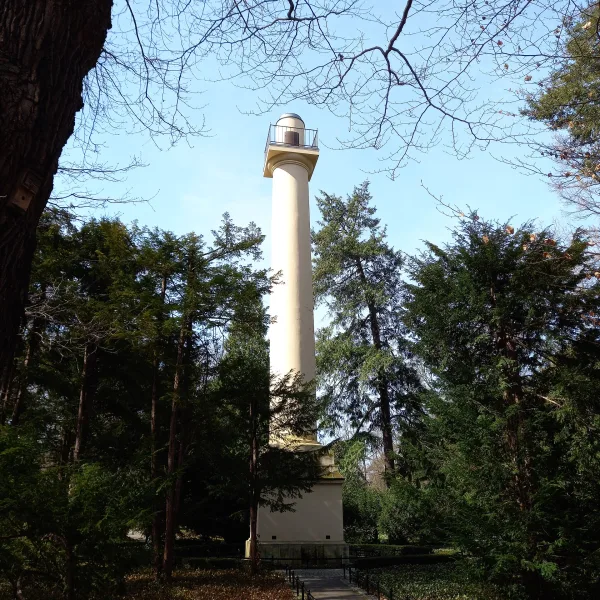
Two objects wait in Szczytnicki Park. The Diana monument is a 2015 reconstruction of Ernst Seger's sculpture, which went missing in 1945. The Column of Frederick William II from 1806 is modelled on Trajan's Column; the earlier wood-and-plaster one burned down in 1805. For more greenery see parks and nature in Wrocław.
Which memorials should you know?
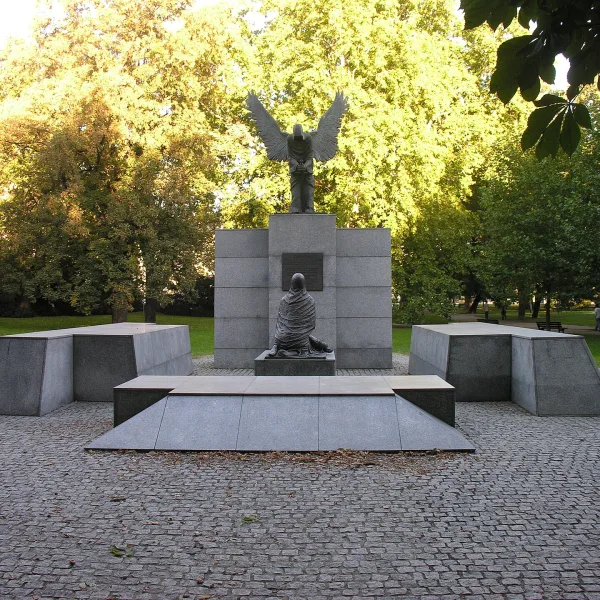
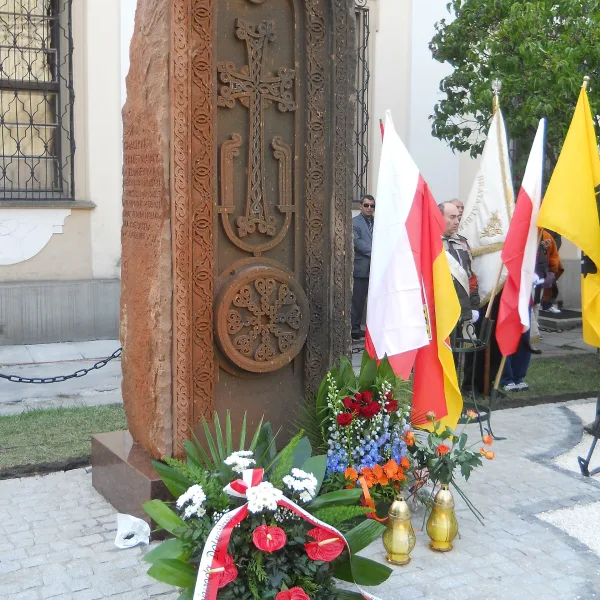
These monuments call for quiet attention. In Słowacki Park stands the Monument to the Victims of the Katyn Massacre, designed by Tadeusz Tchórzewski: a cross of granite slabs, an Angel of Death and a Katyn Pietà, built from 1994 to 2000. Next to the Opera stands Tadeusz Teller's 1989 monument to the victims of Stalinism, shaped like a dolmen. In Huby you will find the 2024 monument to the Unbroken Soldiers, and on Janickiego Street an Armenian khachkar from 2012 commemorating the Armenian genocide.
Which cemeteries in Wrocław are historic?
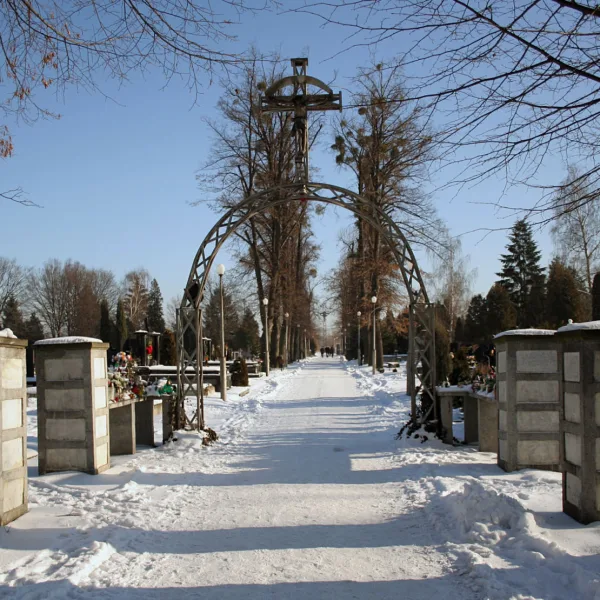
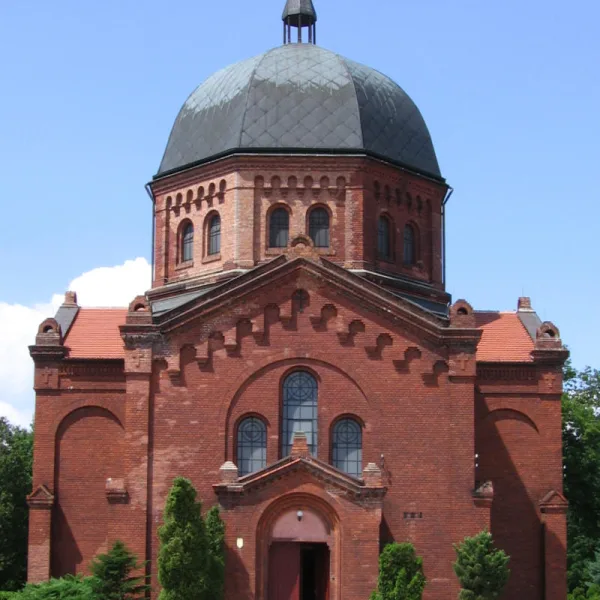
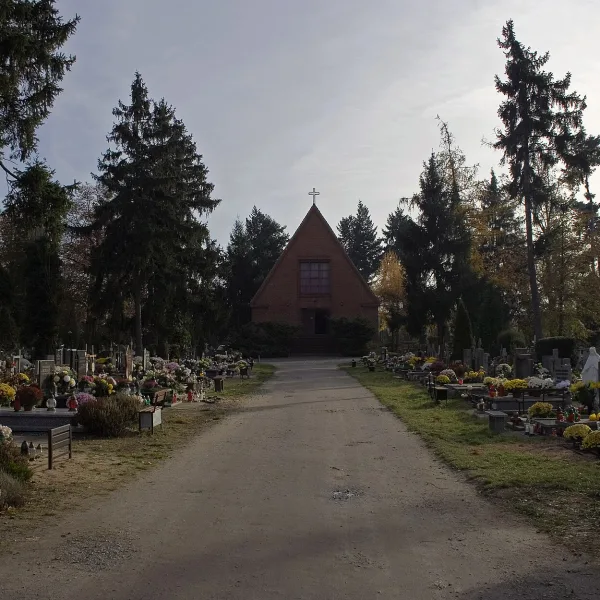
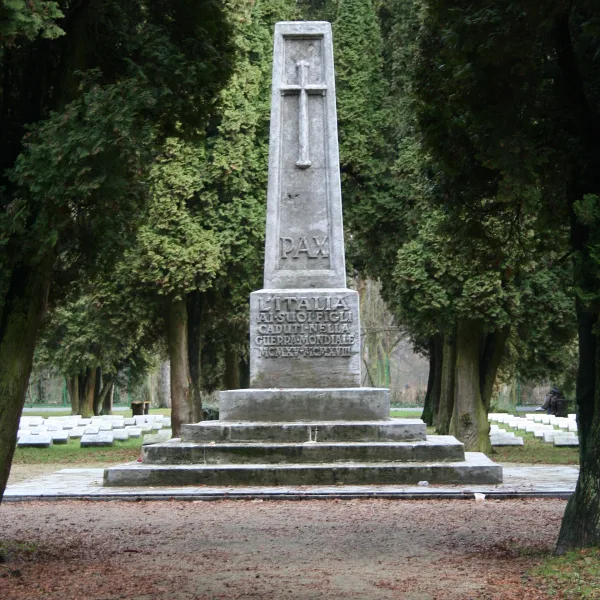
The Grabiszyński Cemetery is one of the largest in the city, now a fragment of a former three-part complex of necropolises. Notable figures of science and culture rest here. Also in Grabiszyn is the Italian Soldiers Cemetery: 1,016 people are buried there, mostly Italian soldiers taken prisoner after the Battle of Caporetto in 1917. It was built in 1927-1928.
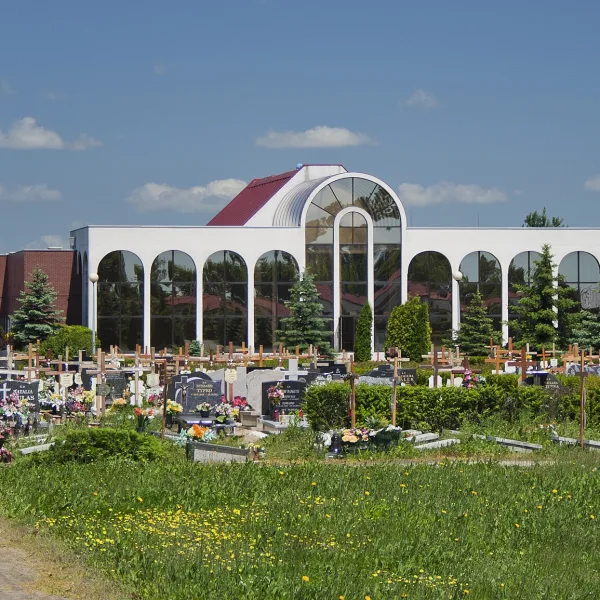
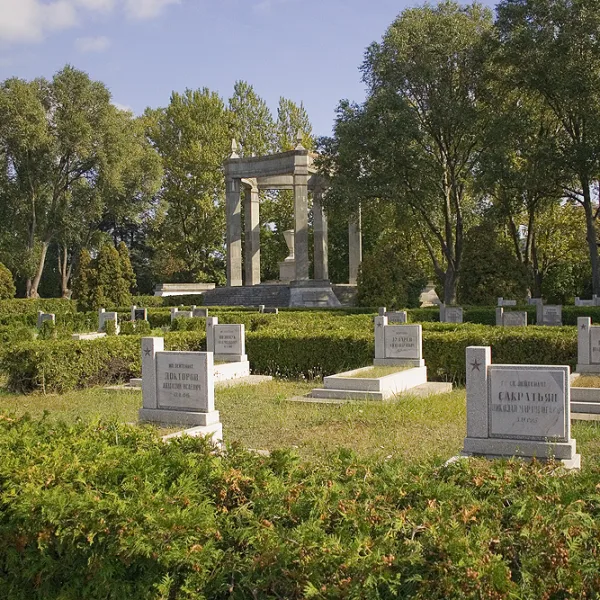
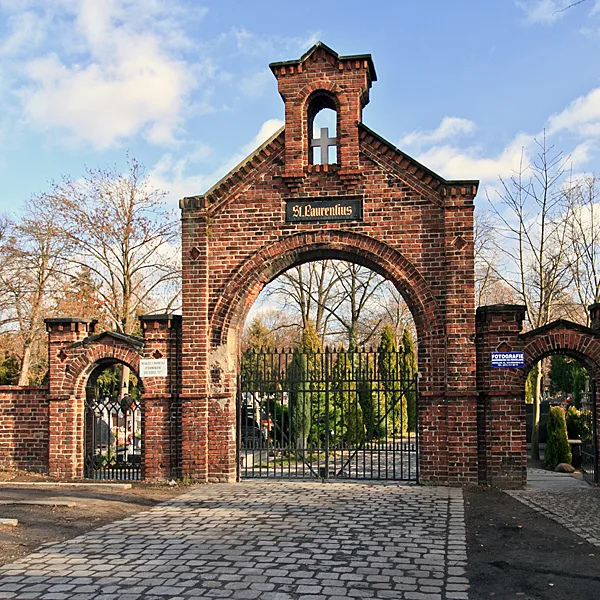
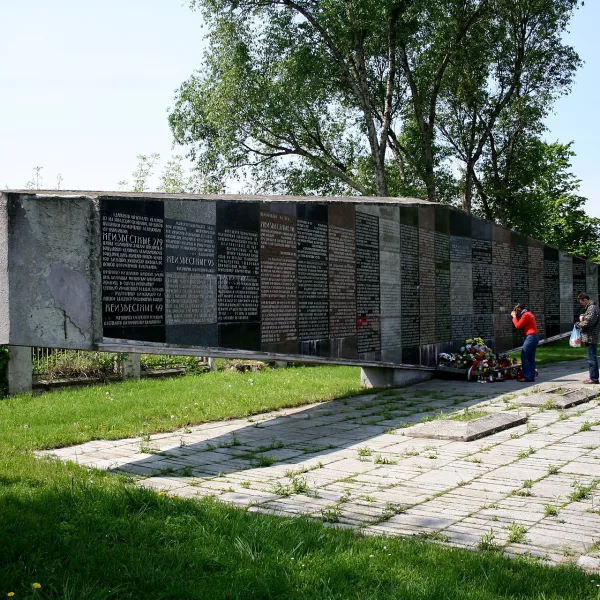
In Ołbin is St Lawrence Cemetery from 1866, covering 4.3 hectares, with its brick gate preserved. The Soviet Soldiers Cemetery on Skowronia Góra is a war necropolis where about 7,500 soldiers who fell during the siege of Wrocław in 1945 are buried. Active parish cemeteries include Holy Family in Sępolno from 1928 and the Cemetery of the Holy Spirit in Tarnogaj, over 8 hectares on Bardzka Street. In the former nave of the Church of St Clare and St Hedwig you will find the Mausoleum of the Silesian Piasts with the tomb slabs of dukes and duchesses.
How should you visit these places?
Monuments in public space are free, while cemeteries and memorials ask for calm and respect. At active cemeteries keep quiet and do not photograph people visiting graves. For the whole region see the page on cemeteries and monuments.
Frequently asked questions
Which monuments in Wrocław are the best known?
Most visitors seek out the Anonymous Passer-By, Train to the Sky and the Pillory on the Market Square.
Where is the largest monument to St John of Nepomuk?
On Church Square on Ostrów Tumski. The statue from 1730-1732 is considered the largest monument to this saint in the world.
Can you visit the cemeteries?
Yes, but these are places of remembrance and prayer, and some cemeteries are still active. Keep quiet and check opening hours before you go.
Where can you see Kantor's Chair?
The nine-metre concrete sculpture stands in the Old Town. It follows a design from 1970 and was built in 2011.

 Cemeteries and monuments