Nature in Wrocław: a nature reserve, an oxbow lake, green hills and neighbourhood squares. Find where to get outdoors without leaving the city.
Where can you find nature in Wrocław without leaving town?
Look in three kinds of places: protected stretches of the Oder valley, man-made hills and neighbourhood squares. From a protected reserve to an estate lawn, you can pick a short walk or half a day out. Every site on this list carries the "Free" tag, so a green day needs no tickets. For a wider choice of green spaces, see parks and nature in Wrocław, and for the whole region nature in Lower Silesia.
A reserve and an oxbow lake: the wild side of the Oder
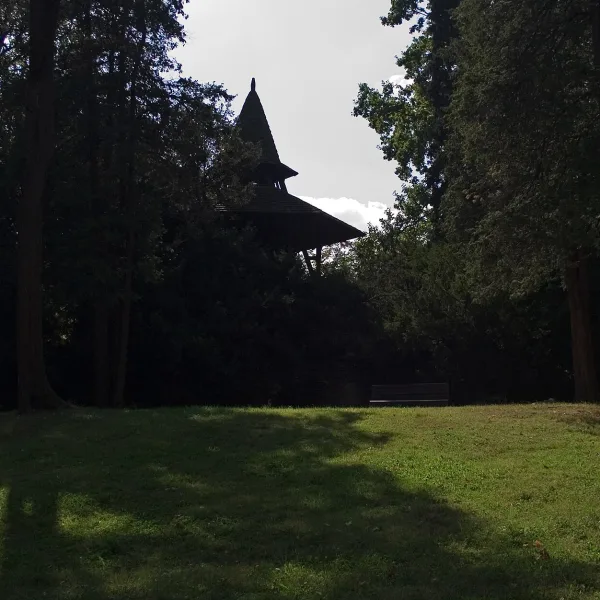
Wrocław's first nature reserve is the Pilczyce Forest, where the Ślęza flows into the Oder. It covers about 13 hectares and protects an alluvial forest with old trees and many dead trunks, standing and fallen, which shelter birds, insects and fungi. Bats, birds and otters live here, and the dead wood gives insects and fungi a place to settle and keeps the forest in a highly natural state, as the reserve's description puts it. The reserve is protected with no entry to the area, so you can only look at it from outside.
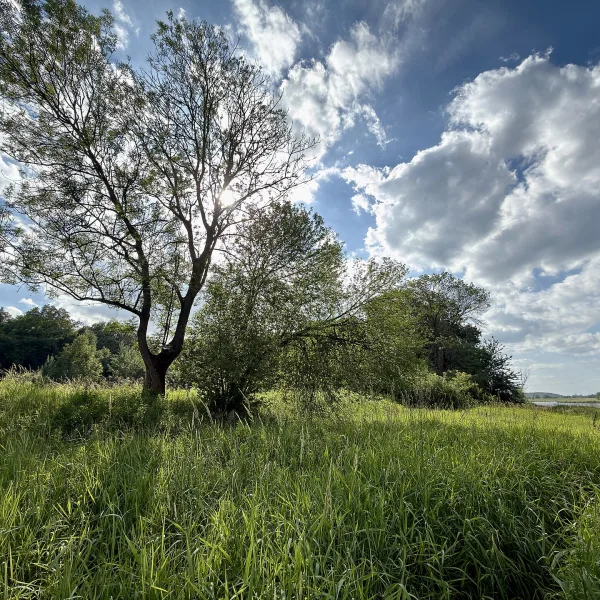
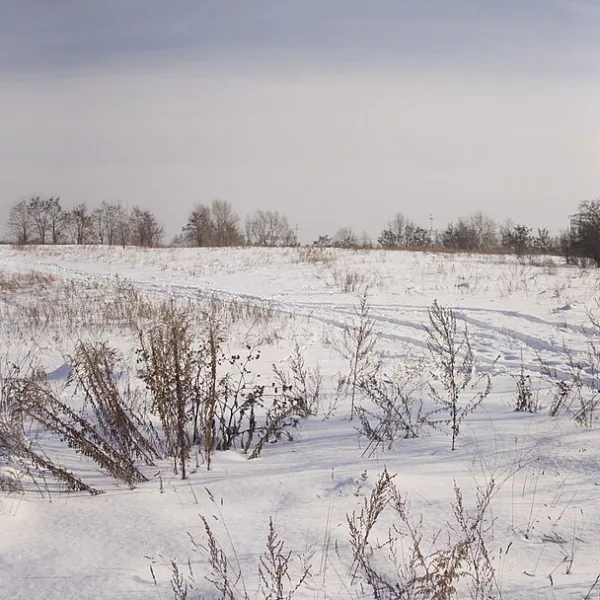
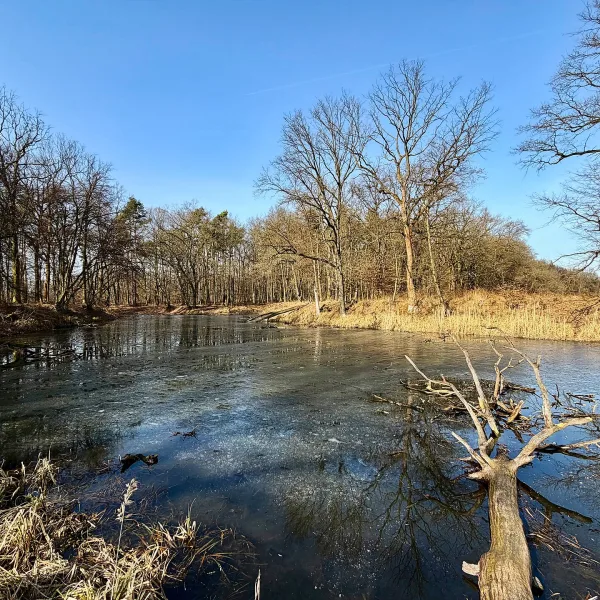
On the north-western edge of the city, in Pracze Odrzańskie, lies the Łacha Farna oxbow lake. It is an ecological site of 1.80 hectares, with a belt of forest around the water. More than 170 plant species grow here and protected amphibians live in it. Protection covers the oxbow itself and a strip of land 15 metres wide from the banks.
Green hills: mounds, woods and a hillfort
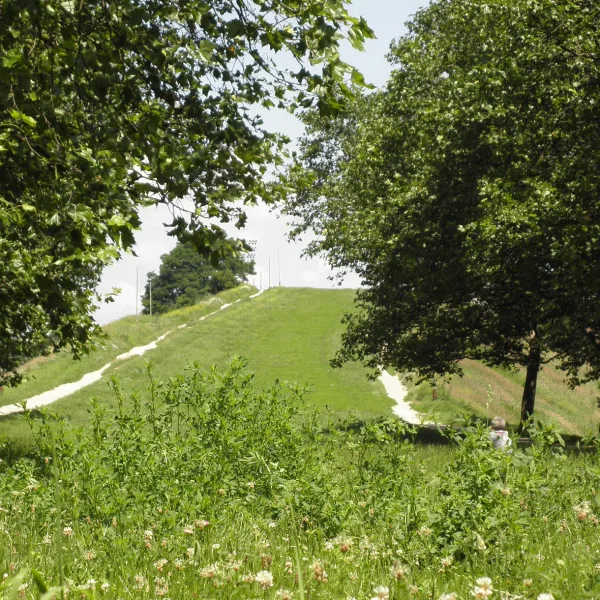
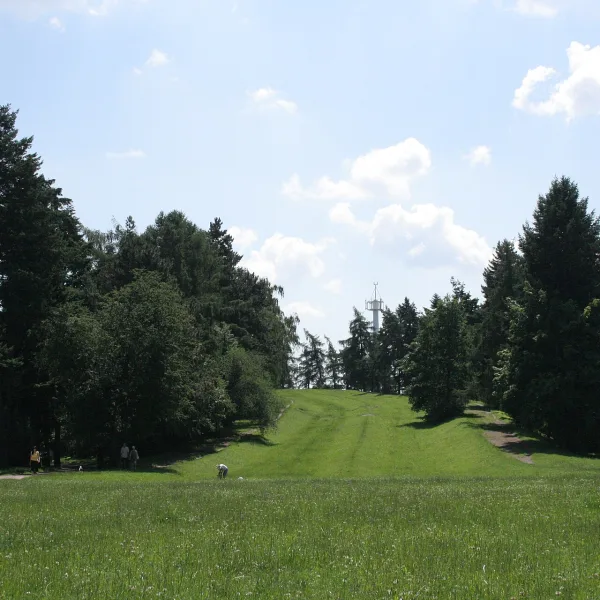
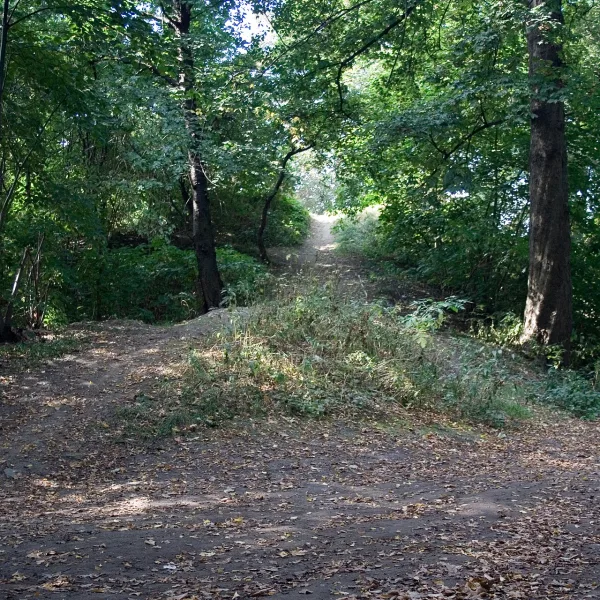
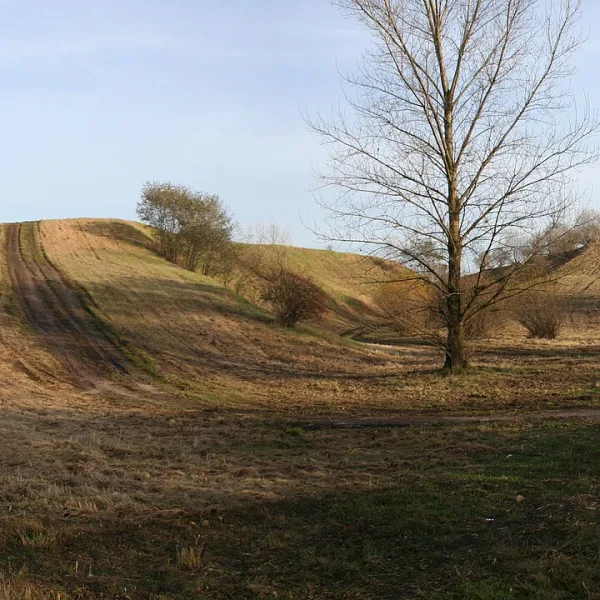
Wrocław has no natural mountains, but it does have several hills raised by people and now overgrown. Kilimanjaro Hill in Zalesie was piled up from silt and gravel from the Flood Canal works, then planted with deciduous trees. Today it looks like a natural rise, and the Morskie Oko bathing spot is nearby.
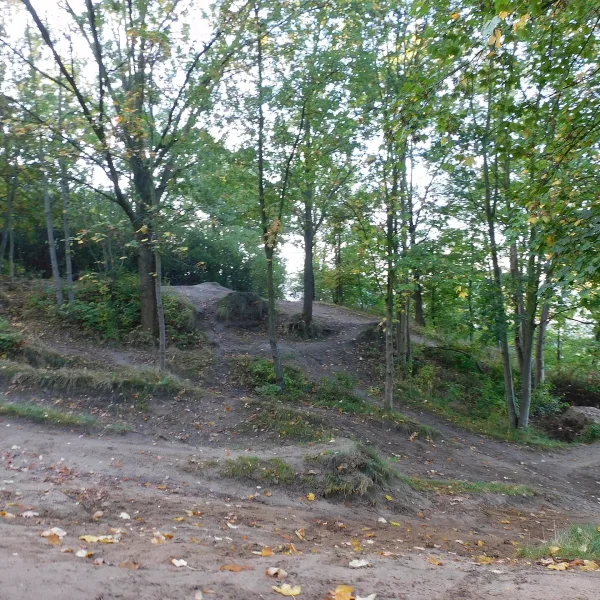
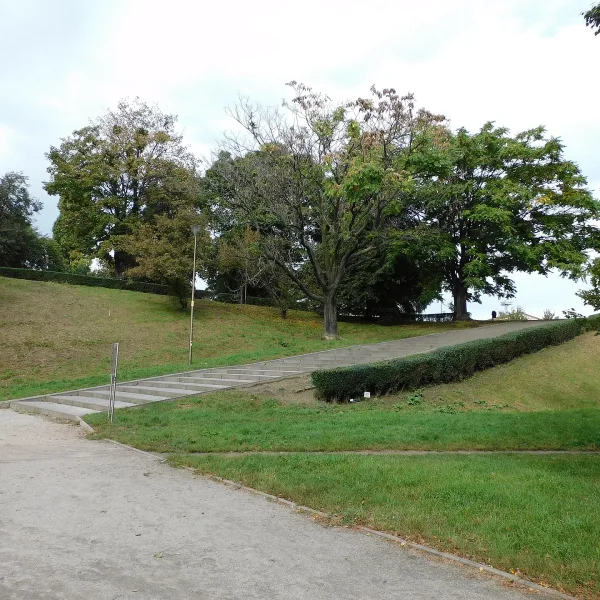
Gaj Hill stands 155.4 metres above sea level and is the second highest point in the city. In South Park, Bender Hill has a garden of mountain plants with erratic boulders, and pines, spruces and junipers grow among evergreen shrubs. In Osobowice Forest you can climb the Swedish Redoubt, a dune rise with a Lusatian culture hillfort. In winter two such mounds turn into sledding hills: Mała Sobótka in Grabiszyn, raised in the late 19th century from surplus soil from the railway bypass, and Slavic Hill in Nadodrze, surrounded by a small park. Tarnogaj Hill rises 133 metres, and in Swojczyce the hill by Ceglana Street grew from a reclaimed landfill used from 1975 to 1995. Such places suit a short walk after work, because you do not have to travel far. Combine two or three of them in one afternoon and you get a route with very different views each time.
Squares and greens between the blocks
The biggest is Warsaw Insurgents Square in Sępolno. It covers about five hectares and has playgrounds, a concert shell and remains of Second World War fortifications. Sępolno follows the garden-city idea, and the whole estate was designed around this square, and its layout resembles the torso of the Lower Silesian eagle.
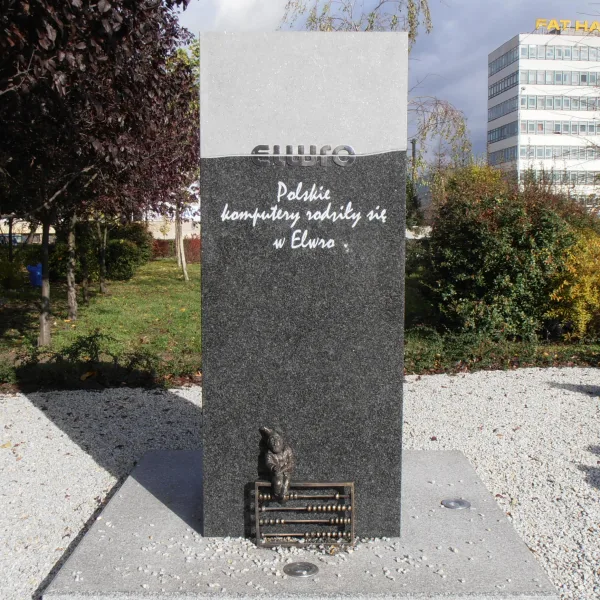
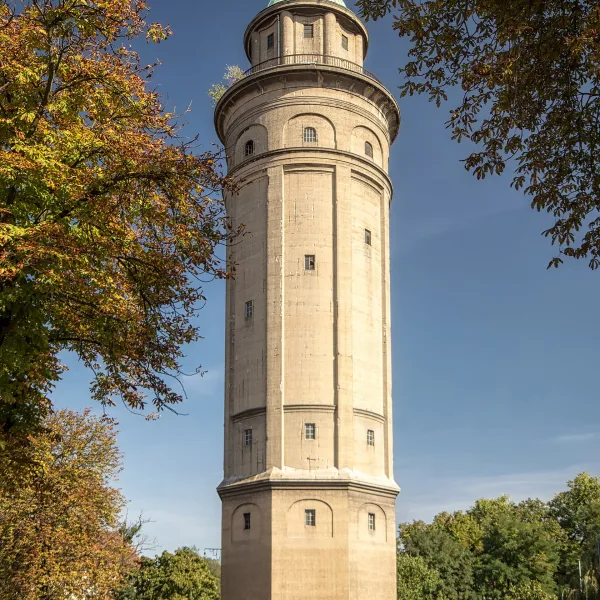
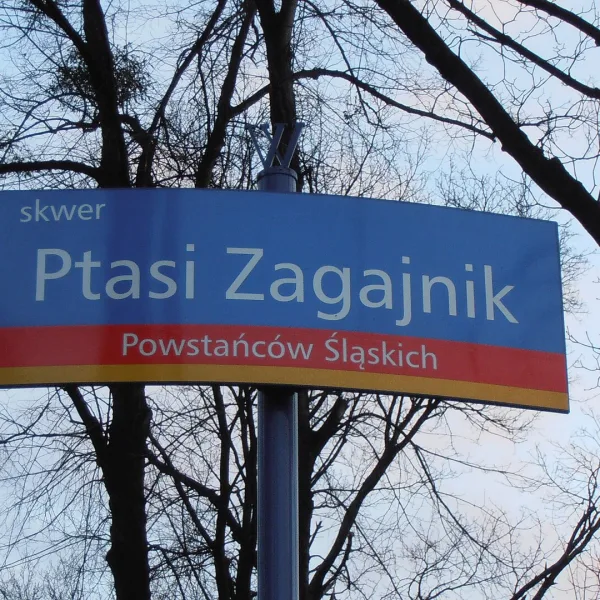
Smaller squares have their own stories. In Karłowice stands Gustaw Daniłowski Square with a historic water tower from 1914-1915. The square is roughly rectangular, about 80 by 100 metres, and the green area covers 3,230 square metres. Wrocław Pioneers Square in Nadodrze was laid out in 1888 after an arm of the Oder was filled in. The quiet Ptasi Zagajnik Square was called Jakub Szela Square until 2014 and is now a green corner between blocks in the Powstańców Śląskich estate. The City Council adopted the current name in 2015, at the suggestion of a local resident. ELWRO Square in Grabiszyn commemorates the electronics works that operated from 1959 to 1993.
Greenery around the Centennial Hall
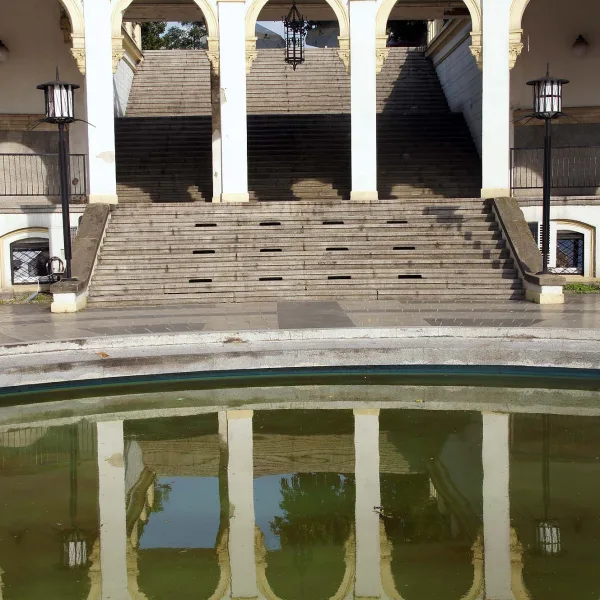
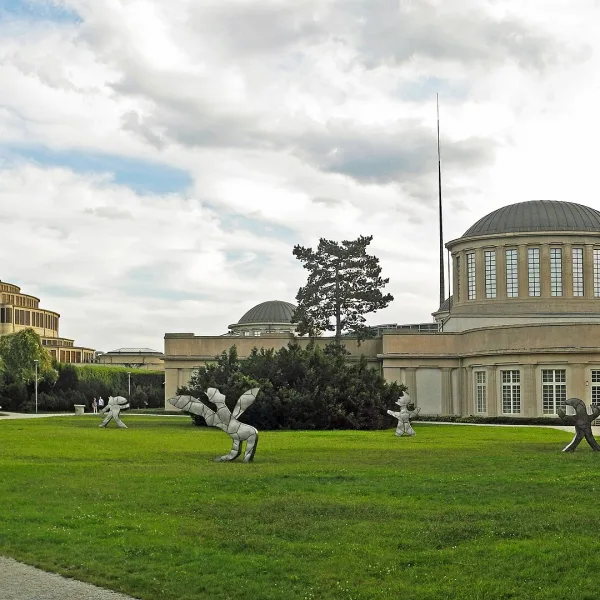
The exhibition grounds by the Centennial Hall are a UNESCO-listed complex. Beside the hall stands the Four Domes Pavilion, a multimedia fountain plays over the water, and the entrance to the Japanese Garden is here. There is also a tourist information centre. The grounds serve for walks and a stroll along the water, but also for sports events, trade fairs and cultural events, so on event days it can be louder here than in a typical park.
Frequently asked questions
Can you enter the Pilczyce Forest?
No. The reserve is protected with no entry to the area, so treat it as a place to view from outside and to learn about the history of nature protection in the city.
Are these places paid?
All sites on this page carry the "Free" tag. Still, check the rules for a given area before you go, as they can change. You will find many of them among the free attractions in Wrocław.
Where should you go with a child?
To Warsaw Insurgents Square in Sępolno, which has playgrounds and a concert shell, and remains of wartime fortifications to look at. More ideas are in the list of places for families.
Which places suit a walk alone?
The hills carry the "Solo" tag, for example Kilimanjaro, Gaj, Bender and the Swedish Redoubt. Also see the list of places to go on your own.

 Parks and nature