Churches and monasteries in Wrocław: Gothic cathedrals, Baroque halls, synagogues and Orthodox sites. Here is where to start and how to link them.
Which church should you see first?
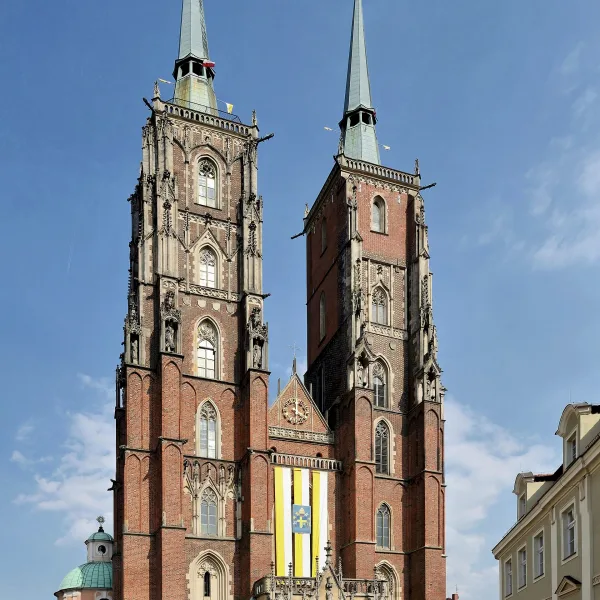
Begin on Ostrów Tumski, the old cathedral island, where the most sacred buildings stand within a short walk. The Cathedral of St John the Baptist is the Gothic seat of the Wrocław bishops, the fourth church on this site, with the largest organ in Poland and a viewing gallery in the tower. Next to it lies Cathedral Square with the archdiocesan museum and the Christ the King column from 2000.
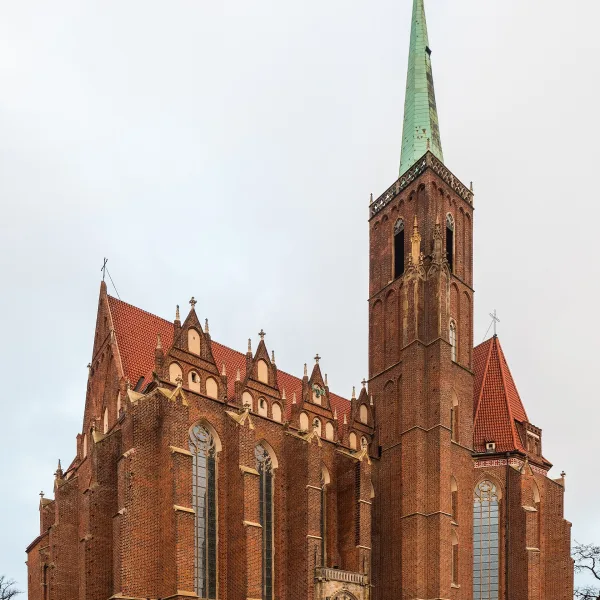
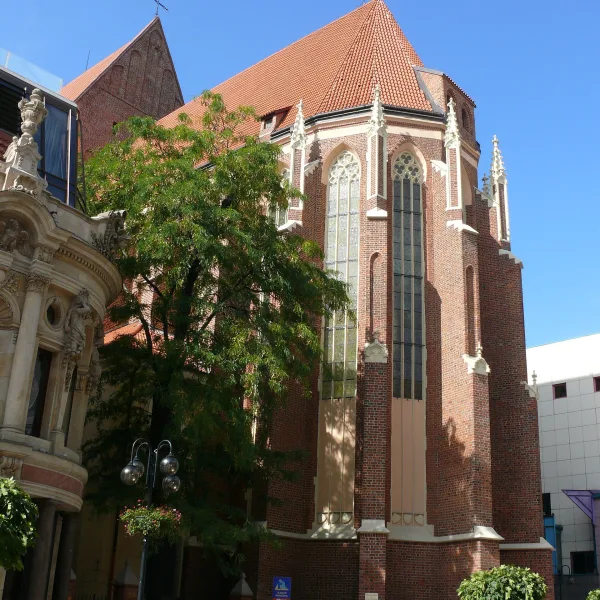
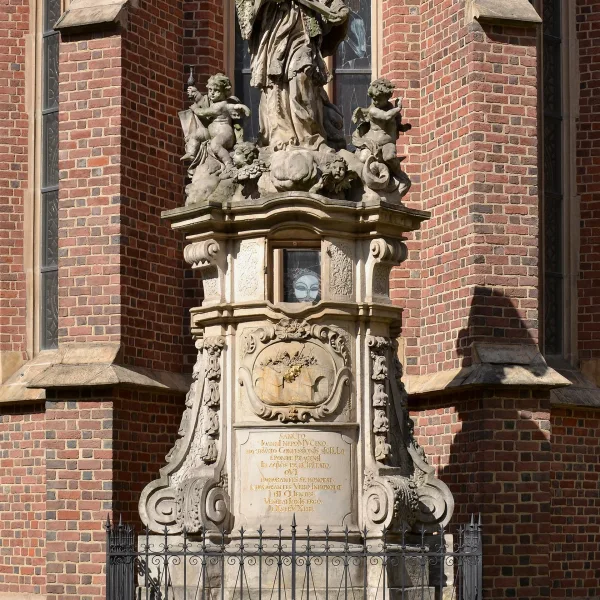
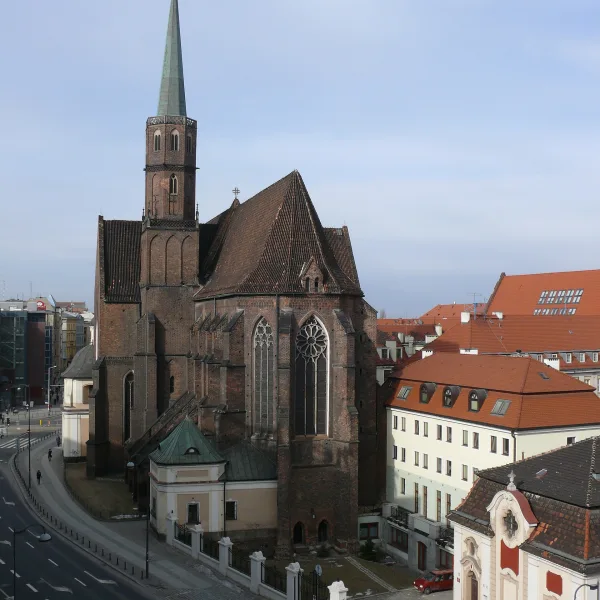
A few steps away stands the Collegiate Church of the Holy Cross and St Bartholomew, a Gothic church founded in 1288 by Duke Henry Probus. It faces Kościelny Square, a quiet square with the statue of St John of Nepomuk. The Baroque Church of Saints Cyril and Methodius, built in 1686-1690, used to be the church of St Anne and is now Orthodox.
Which churches are around the Market Square?
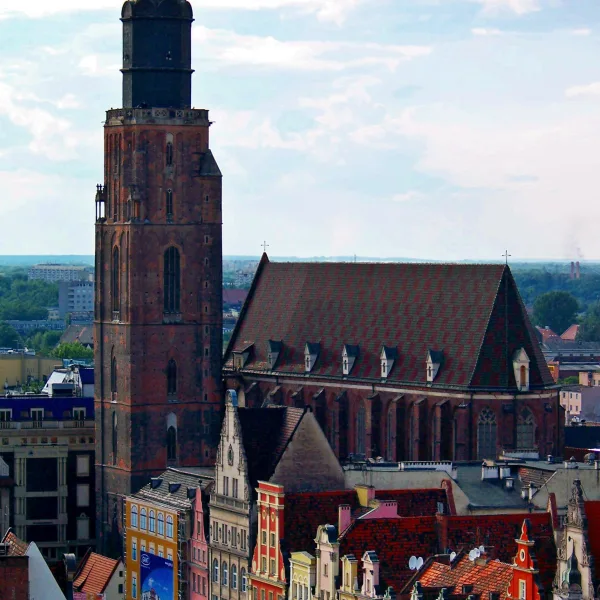
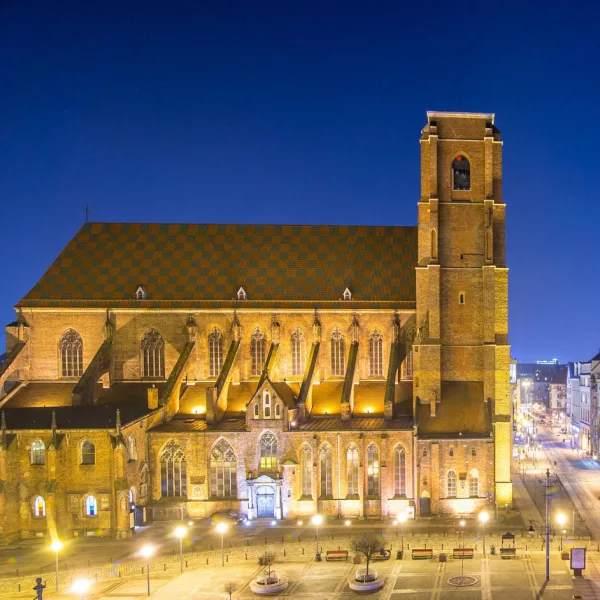
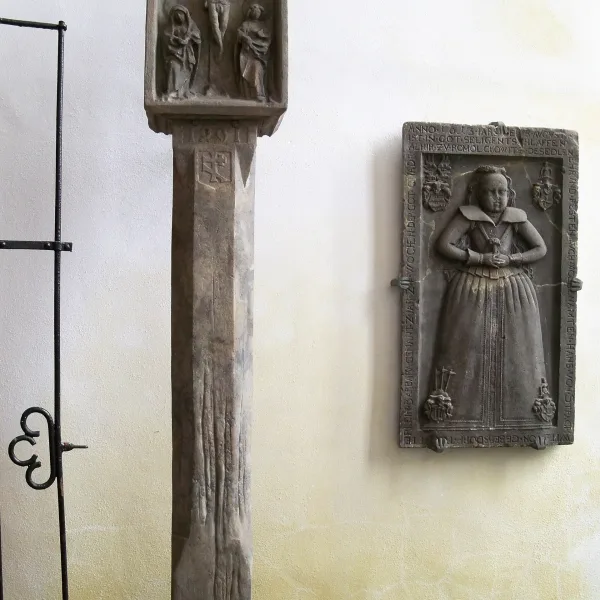
Two Gothic buildings sit within walking distance of the main square. The Basilica of St Elizabeth of Hungary has a 91-metre tower and serves as the garrison church. St Mary Magdalene cathedral, from the 14th century, belongs to the Polish Catholic Church. Inside stands the Dompnig Shrine from 1491, which commemorates a beheaded city council elder.
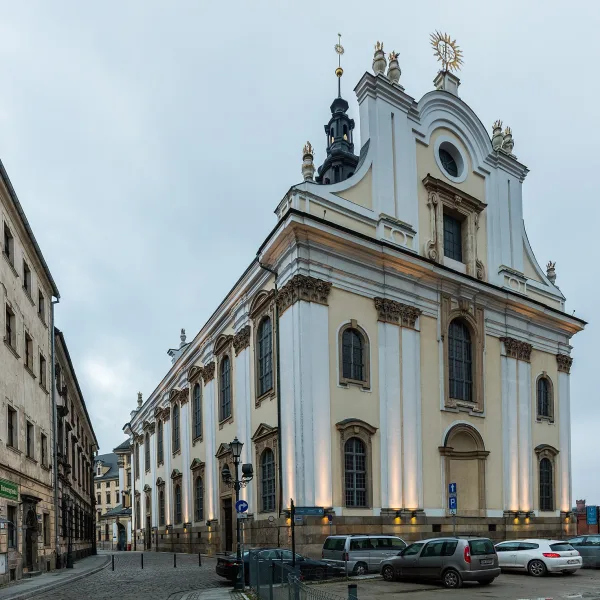
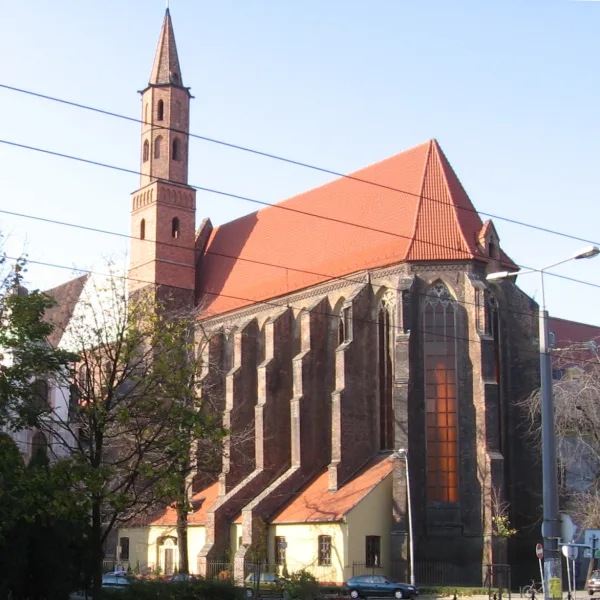
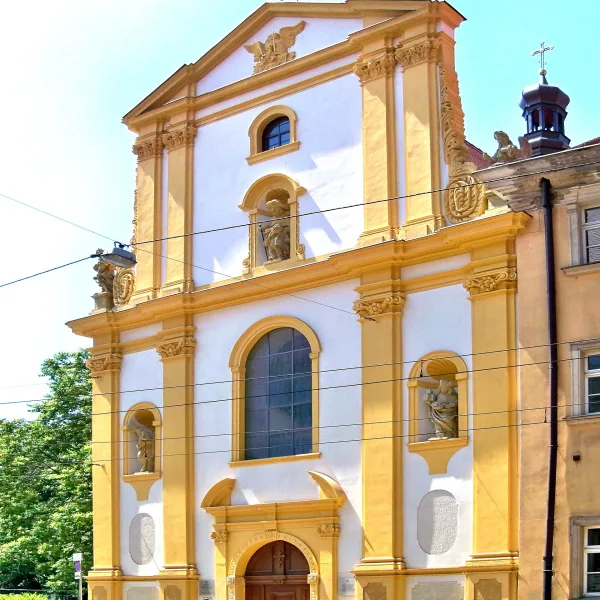
Deeper in the Old Town you will find more. St Adalbert church on Dominican Square is one of the largest Gothic churches in the city and is run by Dominicans. The Baroque Church of the Holy Name of Jesus belongs to the university and was built by Jesuits in 1689-1698. The late Gothic brick church of St Stanislaus, St Dorothy and St Wenceslaus was originally an Augustinian monastery.
On Piasek Island there is the Gothic Church of Our Lady on the Sand, from the 14th century, raised where a Romanesque church once stood. The former Bernardine complex is no longer a church and houses the Museum of Architecture, so the post-Bernardine complex is visited as a museum.
Can you visit synagogues and other faiths here?
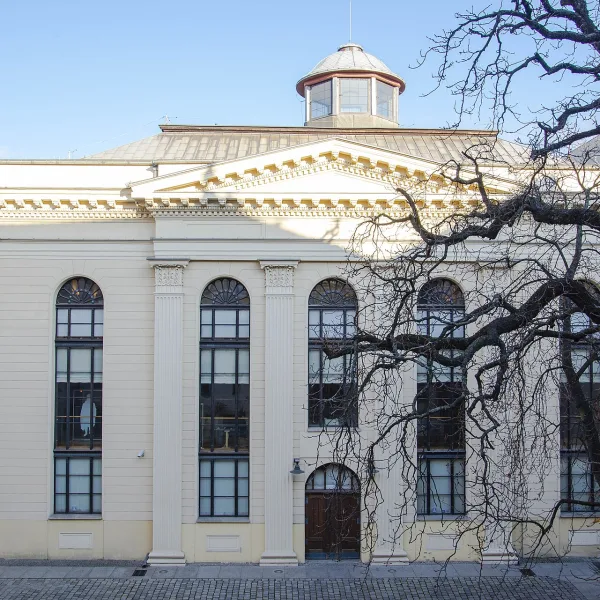
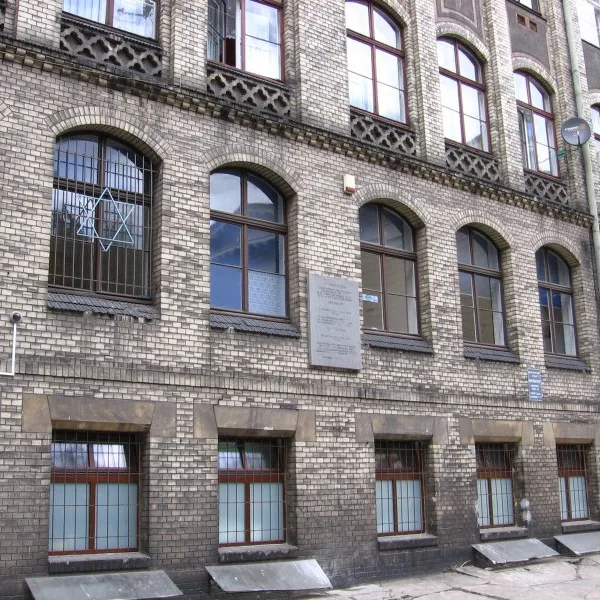
Yes, close to one another. Two active synagogues stand on Pawła Włodkowica Street. The White Stork Synagogue is a neoclassical building from 1829 that the Jewish community took back after post-war devastation. The Small Synagogue was renovated in 2015 and holds services every Shabbat and holiday. The New Synagogue, burned in 1938, is now a memorial at the corner of Podwale and Łąkowa streets.
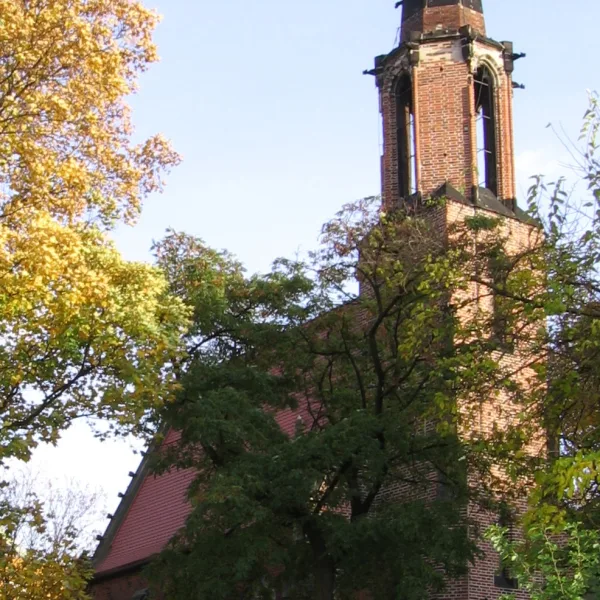
Eastern churches make a separate route. St Vincent and St James cathedral on Nankiera Square is a 13th-century Gothic former Franciscan church, now Greek Catholic, with a Baroque Hochberg chapel. The Orthodox cathedral of the Nativity of the Mother of God on St Nicholas Street has frescoes by Jerzy Nowosielski and two iconostases. A Pentecostal congregation meets in the neo-Gothic church on Mila Street, the oldest neo-Gothic church in Wrocław.
What do the newer neighbourhood churches look like?
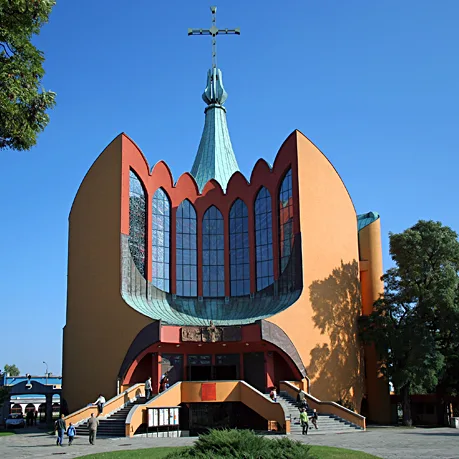
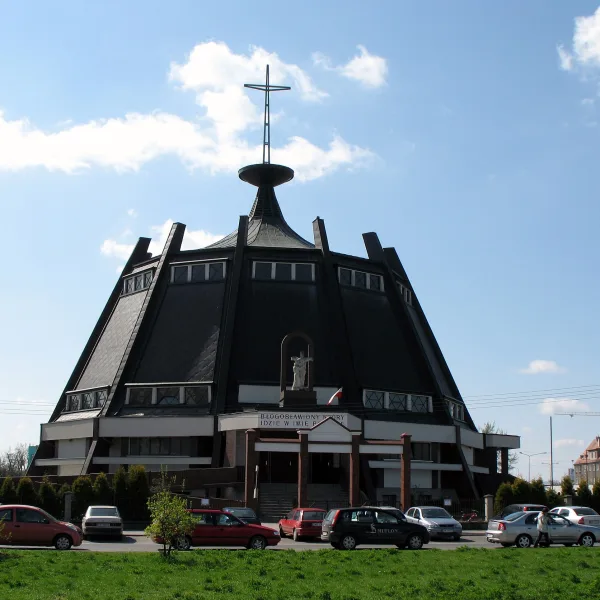
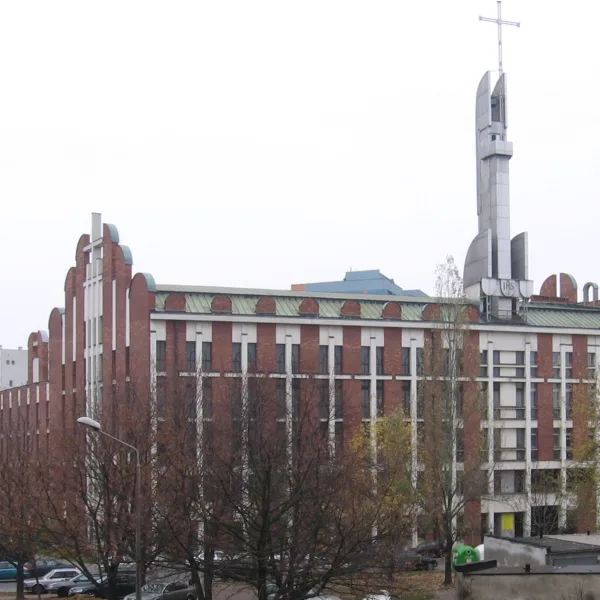
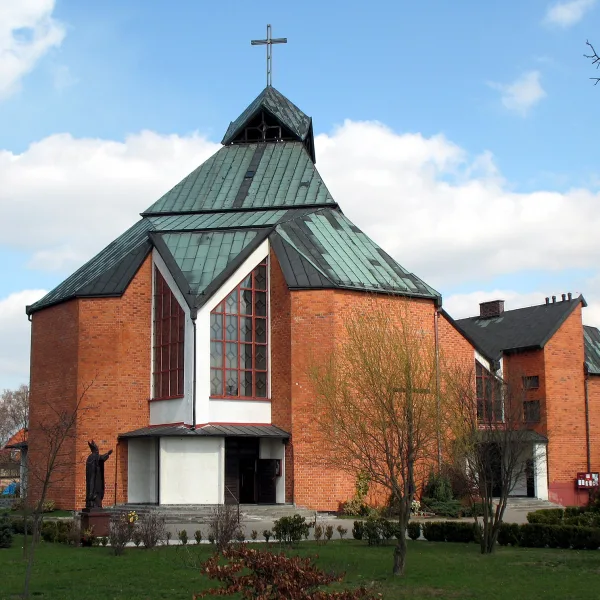
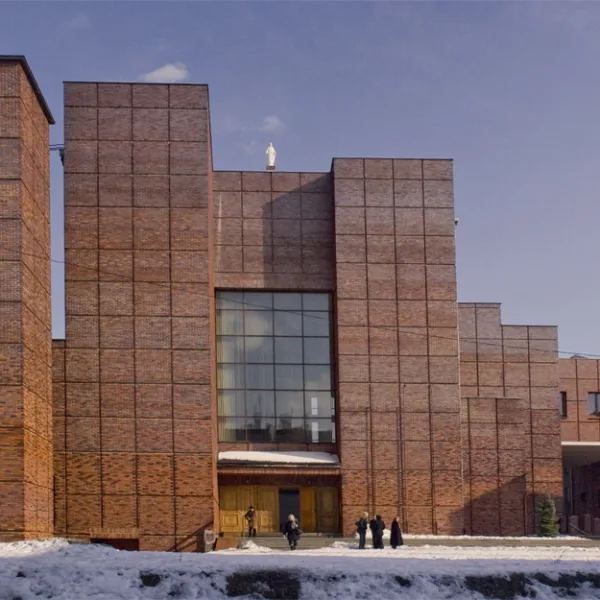
Outside the centre you see architecture from recent decades. The Church of the Holy Spirit in Tarnogaj is modern and has two levels. Nearby is St Stephen church, built in 1980 on the site of a post-war barrack. In Krzyki stands the Jesuit St Ignatius Loyola church, built in 1979-1990 to a design by Zenon Nasterski. St Francis of Assisi church in Gaj was raised in 1983-1994.
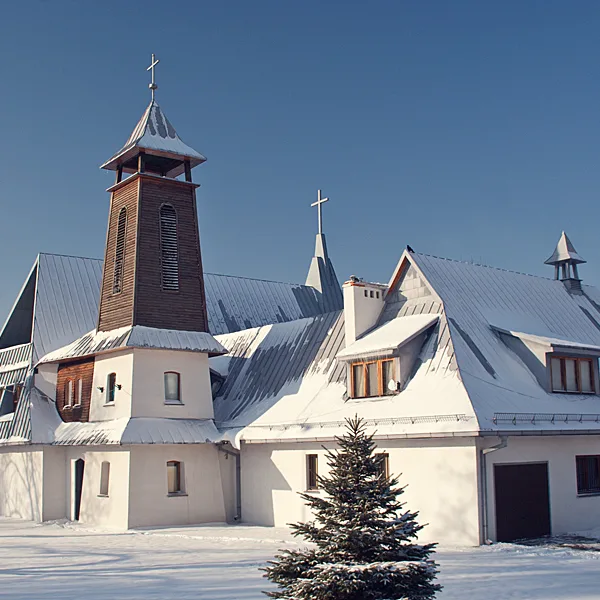
In Huby you will find the two-level church of St Stanislaus Kostka, built in 1984-2006 where the Methodist Christuskirche chapel once stood. Newer still is the church of Our Lady of the Rosary in Złotniki, from 2003-2005. The neo-Romanesque church of St George in Popowice dates from 1905 and was rebuilt after wartime damage. In Stabłowice you can find St Andrew the Apostle church. These churches have no medieval history, but they show how Wrocław parishes grew together with the housing estates, and they suit a quiet walk away from the tourist trail.
How do you combine sacred sites with the rest of the day?
If you read buildings as monuments, follow the page on architecture in Wrocław. When it rains, see things to do in the rain. A quiet route on your own sits under solo, and low-cost ideas are gathered in free attractions.
After the churches, step into museums, and the city story continues in cemeteries and monuments. A wider choice from the whole region is on the page about churches and monasteries in Lower Silesia. For the full overview of the city start at attractions in Wrocław.
Frequently asked questions
Which churches are on Ostrów Tumski?
The Cathedral of St John the Baptist, the Collegiate Church of the Holy Cross and St Bartholomew and the Church of Saints Cyril and Methodius. Cathedral Square and Kościelny Square lie next to them.
Can I climb a tower in any church?
The cathedral has a viewing gallery in its tower. The Basilica of St Elizabeth has a 91-metre tower, and the Witches Bridge links the towers of St Mary Magdalene. Check the entry rules on site.
Are the synagogues active?
The White Stork Synagogue and the Small Synagogue are active. The New Synagogue burned in 1938 and only a memorial remains.
How should I behave inside?
These are places of worship: dress modestly, keep your voice down and do not enter during a service.

 Churches and monasteries