Atmospheric places in Wrocław include squares, bridges over the Oder, fountains and university halls. See where to walk and spend an evening for two.
What should you see around the Market Square for atmosphere?
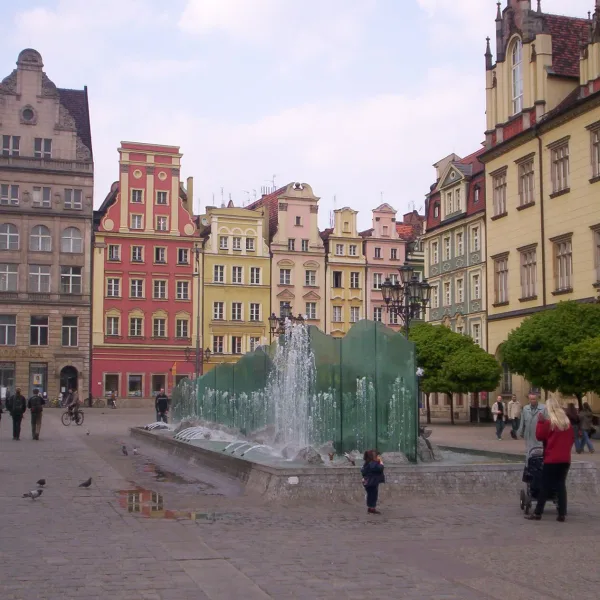
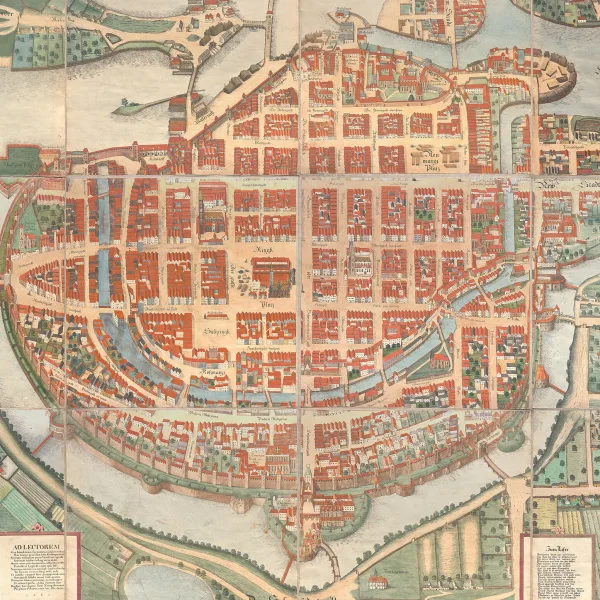
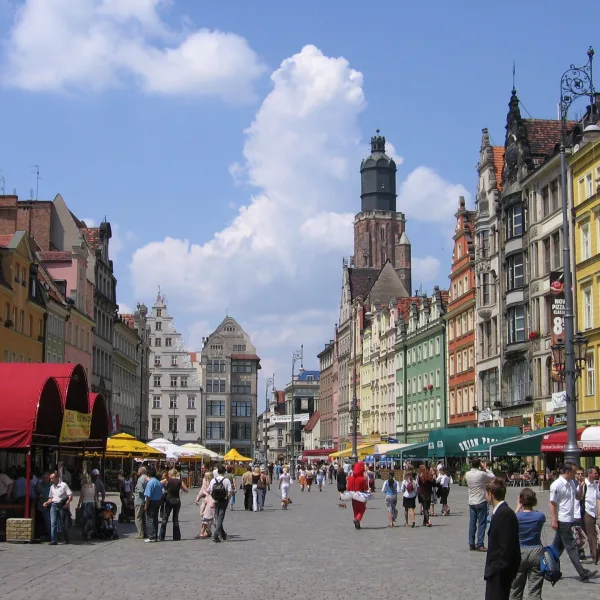
Start with the Market Square itself, one of the largest medieval market squares in Europe, with a central block holding the Old and New Town Halls. From there it is easy to step to Salt Square, a square market laid out in 1242 and known for its flower market and the Little Needle obelisk. New Market Square is the third of the historic trading squares, now green and surrounded by post-war buildings.
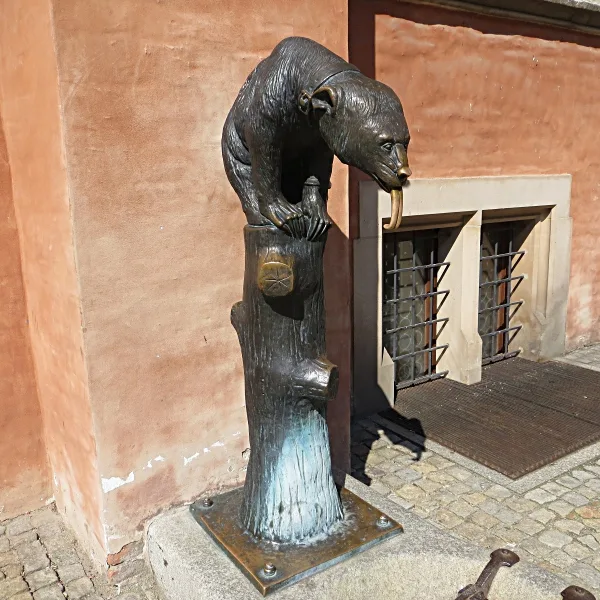
Small details wait around the square. The granite and glass Zdrój fountain from 1996 stands on the west side, and at the south wall of the Old Town Hall you will see the Bear Cub fountain, a reconstruction of a pre-war one with a bear cub statue. On Świdnicka Street stands the historic Pogodynka, a weather column from the 1880s with a clock, barometer, thermometer and anemometer. Children and adults will enjoy the Gnome House, an interactive attraction with a guide to the world of Wrocław gnomes, with riddles and games. There is also Freedom Square, a park along the former city moat, laid out after Napoleonic fortifications were demolished.
Where do you walk along the Oder and over the bridges?
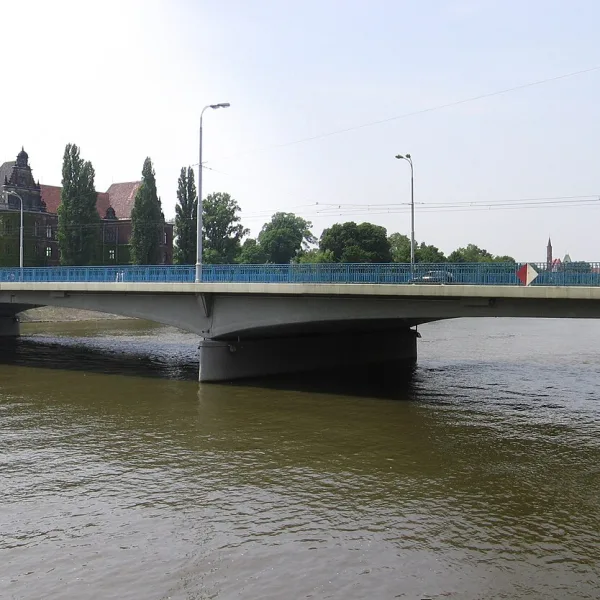
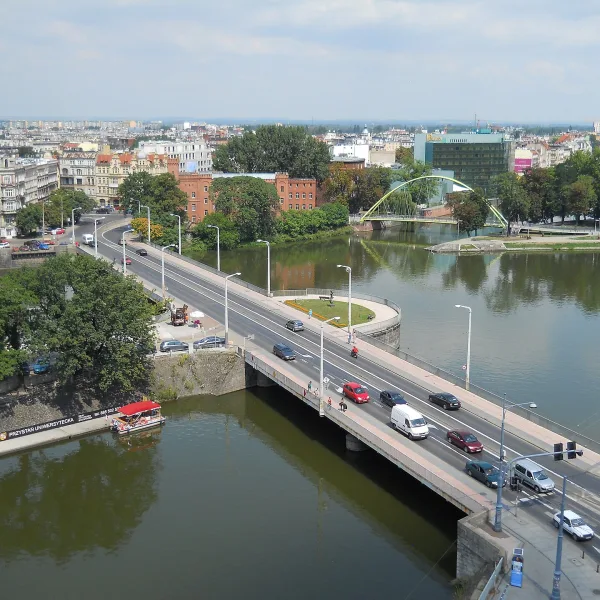
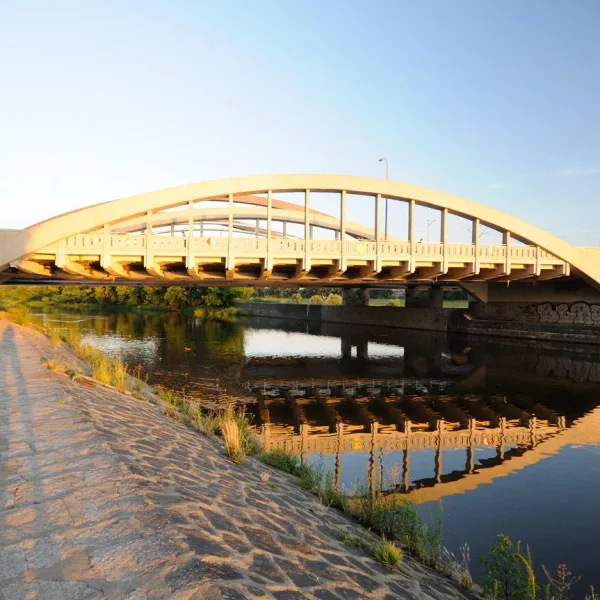
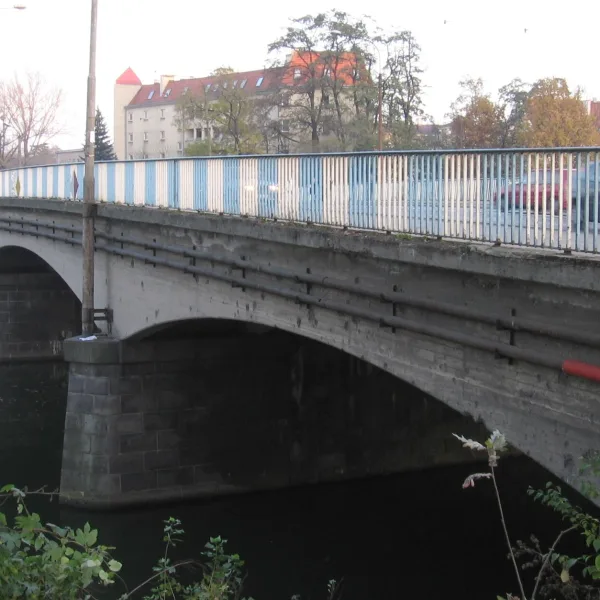
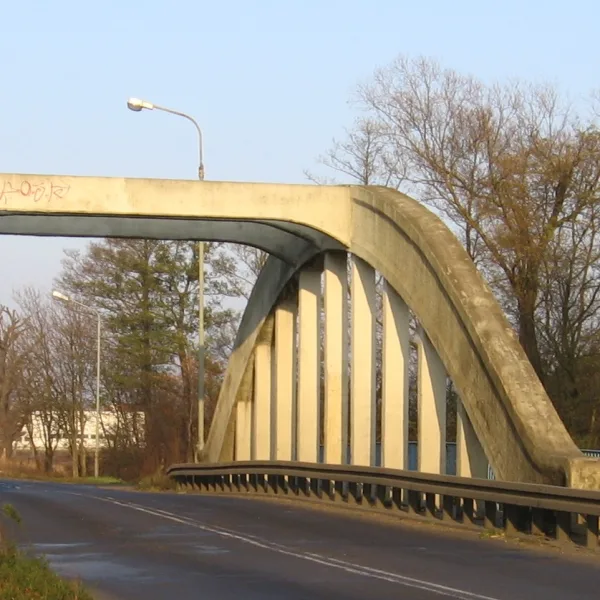
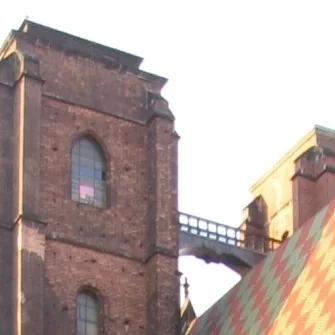
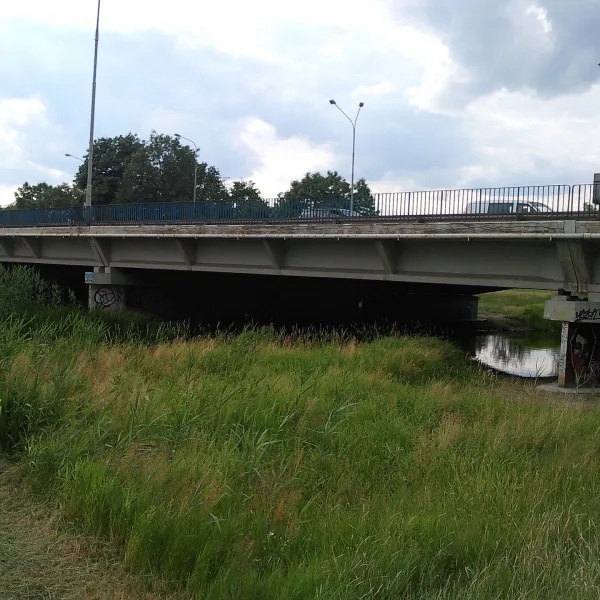
Bridges are a chapter of their own. The Witches Bridge hangs 45 metres above ground and links the towers of St Mary Magdalene cathedral, mentioned since 1459. Over the river stand the University Bridges, two steel bridges by the University of Wrocław, built in the 19th century and rebuilt in the 1930s. Peace Bridge from 1959 replaced the Lessing bridge destroyed in 1945, and Szczytnicki Bridge from 1888-1890 is a three-span arch bridge linking Grunwaldzki Square with Szczytnicki Park.
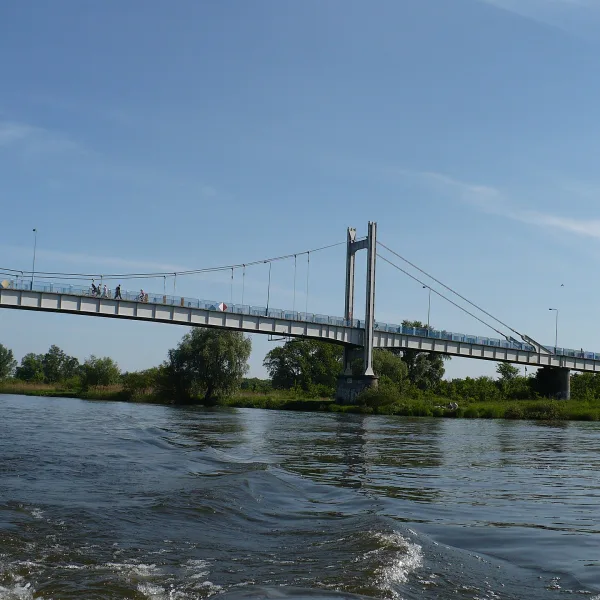
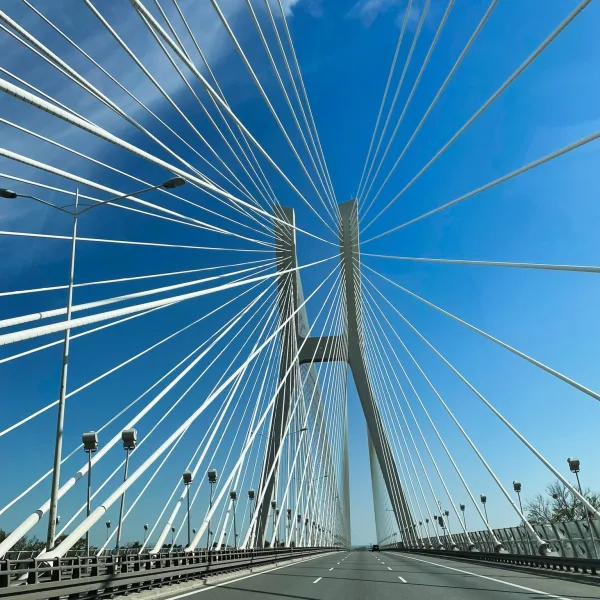
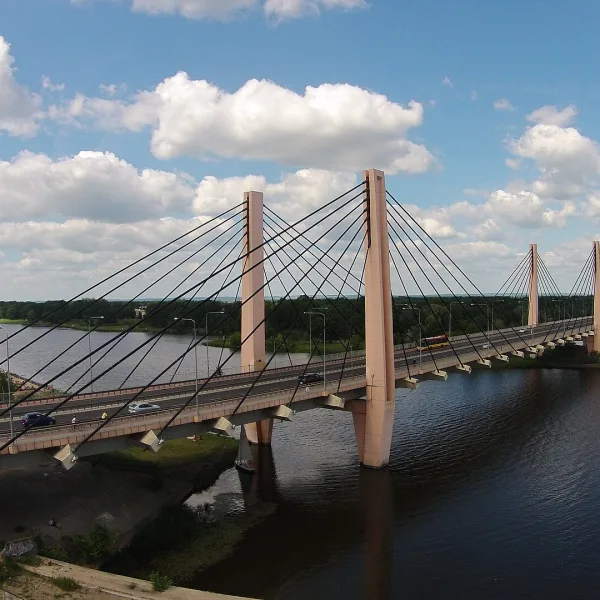
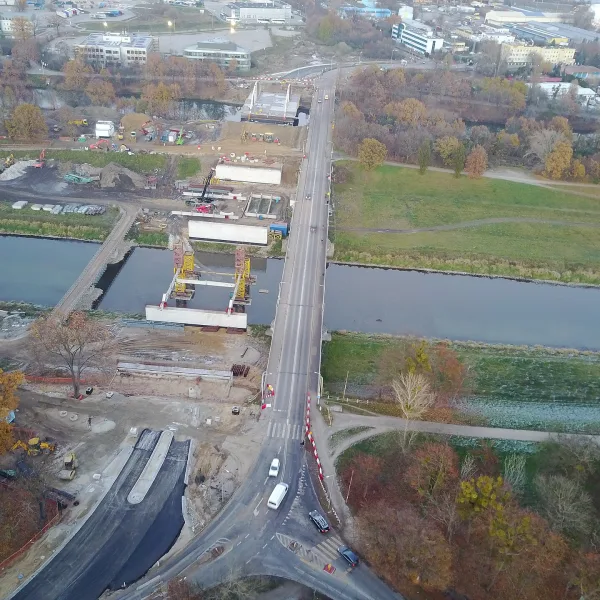
Footbridges are made for walkers and cyclists. Zwierzyniecka Footbridge from 1976 runs by Great Island and the Zoo, and the Frog Footbridge from 1975 is a suspension footbridge over the North Oder that links Nadodrze with Bielarska Island. In the north lie the Warsaw Bridges, a set of five, and in the east the Bolesław the Brave Bridges and the Bolesław Wrymouth Bridges. A modern note comes from the Millennium Bridge of 2004 and the Rędzin Bridge, part of the A8 motorway with a pylon 122 metres high.
Where do you feel the university atmosphere?
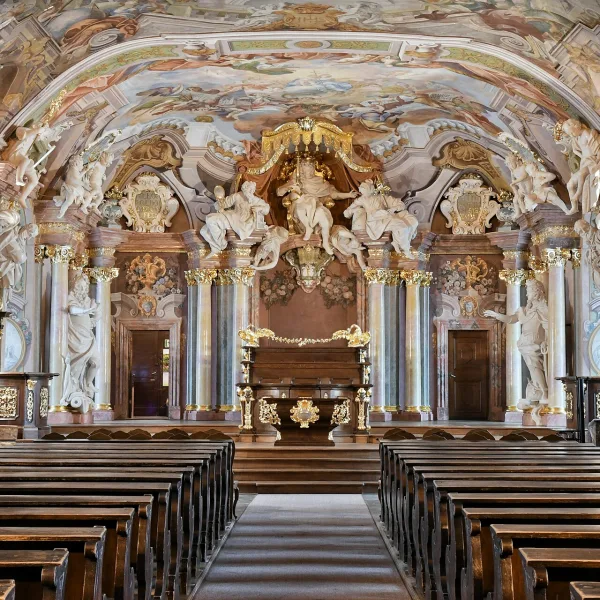
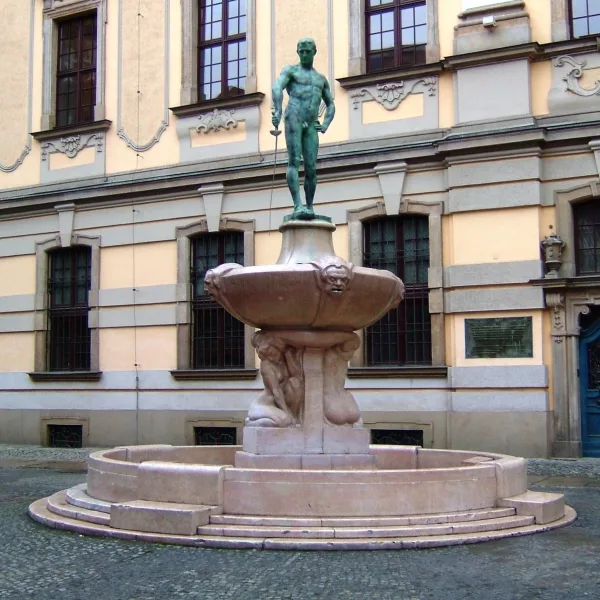
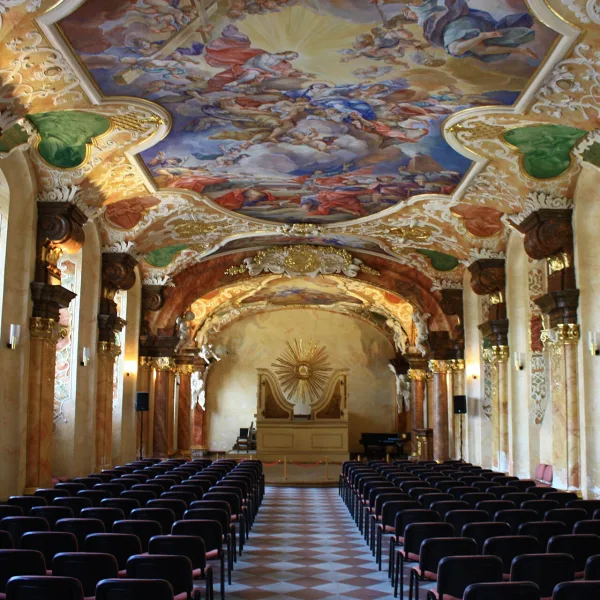
The Baroque main building of the University of Wrocław stands on University Square, together with the university church and the Fencer fountain designed by Hugo Lederer in 1904. Inside, see the Leopoldina Hall from 1728-1732, with frescoes by Handke and sculptures by Hollandt. Next to it is the Musical Oratorium, a Baroque concert hall where Brahms and Paganini performed in the 19th century.
The Old Town has quieter squares as well. Bishop Nankier Square lies between Szewska and Piaskowa streets and is surrounded by a cathedral, churches and historic tenements. On Ostrów Tumski, along Kanonia Street, you will find the small St John the Baptist Square next to the cathedral. It is a short stop for those who prefer quieter corners to the crowd on the Market Square.
Where should you go for an evening or a longer walk?
The Wrocław Fountain in Szczytnicki Park by the Centennial Hall is the largest fountain in Poland, with seasonal shows of water, light and music. It is an ideal stop for an evening together and for couples looking for places to date. Chapel Hill in Osobowice is an artificial mound and a place of worship of the Osobowice Mother of God figure. Grunwaldzki Square, now the Reagan Roundabout, is surrounded by a complex of six residential towers and three pavilions, nicknamed the Toilet Seats or Wrocław Manhattan.
If you want to leave the city, walk a stretch of the trail around Wrocław named after Dr Bronisław Turon. It is a yellow 141-kilometre hiking trail split into ten sections, partly open to bikes.
How do you plan a route?
A sample day could look like this: the Market Square and Salt Square in the morning, then University Square with the Leopoldina Hall and the Oratorium, the University Bridges and the Witches Bridge in the afternoon, and the Wrocław Fountain in Szczytnicki Park in the evening. On a longer stay split it into two days: the centre on one day and Great Island with Szczytnicki Park on the other.
Many of these places are outdoors, so prepare a backup plan from the list of things to do in the rain. Buildings are covered in more detail on the page about architecture in Wrocław, and greenery waits in parks and nature. The full overview of the city begins at attractions in Wrocław, and similar corners from the whole region are on the page about atmospheric places in Lower Silesia.
Frequently asked questions
Which places suit a date?
Most places on this list carry the For couples tag: the Market Square, Salt Square, bridges, fountains and the Wrocław Fountain in Szczytnicki Park.
Where is the largest fountain in Poland?
The Wrocław Fountain stands in Szczytnicki Park by the Centennial Hall and runs seasonal shows of water, light and music.
Which bridge is the tallest?
The Rędzin Bridge has a pylon 122 metres high, the tallest in Poland. The Witches Bridge hangs at 45 metres.
Can I visit the Leopoldina Hall?
The hall is in the main building of the University of Wrocław. Check entry rules on site.

 Places with character