Free things to do in Wrocław include parks, hills with views, statues and monuments. Plan a day without tickets and see what you pass on the way.
Which Wrocław parks can you visit for free?
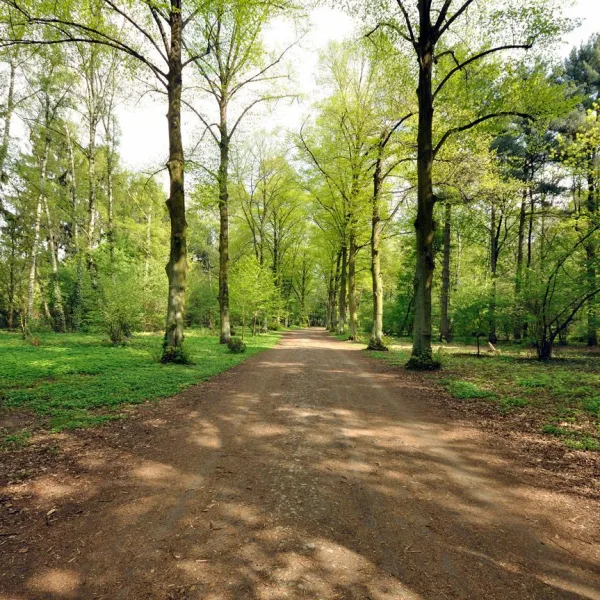
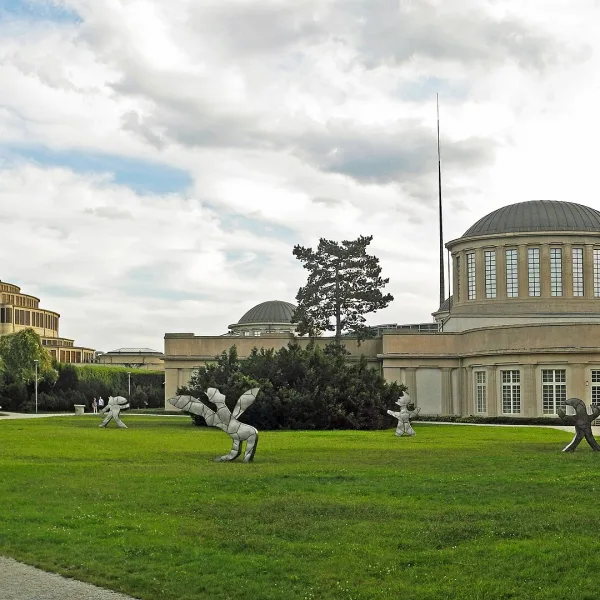
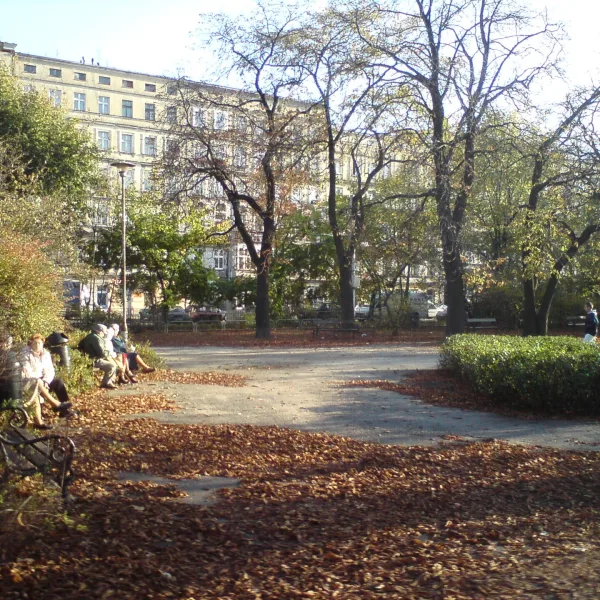
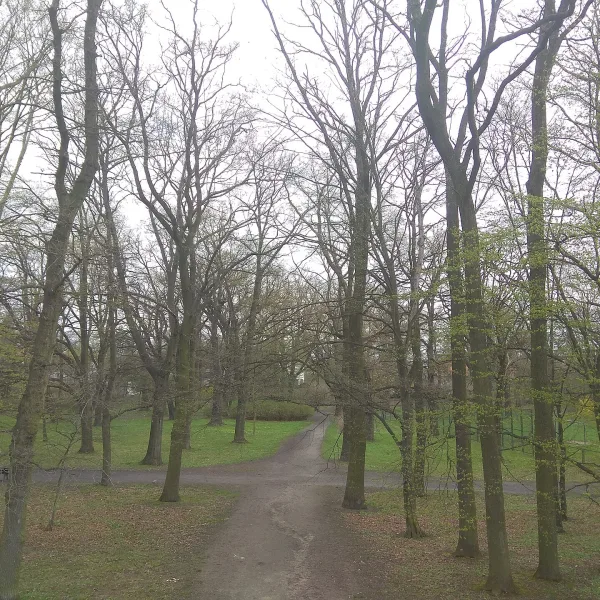
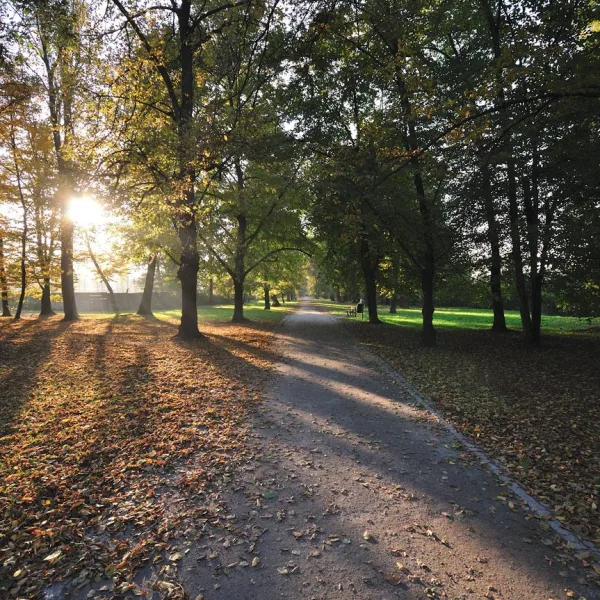
The largest is Szczytnicki Park, about 100 hectares with the Japanese Garden, a wooden church and the Centennial Hall next door. Beside it spread the exhibition grounds by the Centennial Hall with a park, a multimedia fountain and the entrance to the Japanese Garden, listed by UNESCO. In the centre you find Nicolaus Copernicus Park by the Wrocław Opera, laid out in the style of the Tivoli Gardens in Copenhagen, and Juliusz Słowacki Park, 5.74 ha with a fragment of the former city moat, next to the Museum of Architecture and the Racławice Panorama.
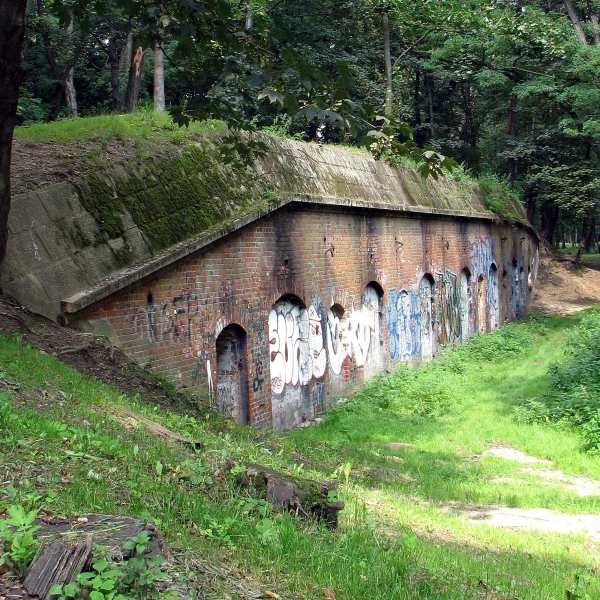
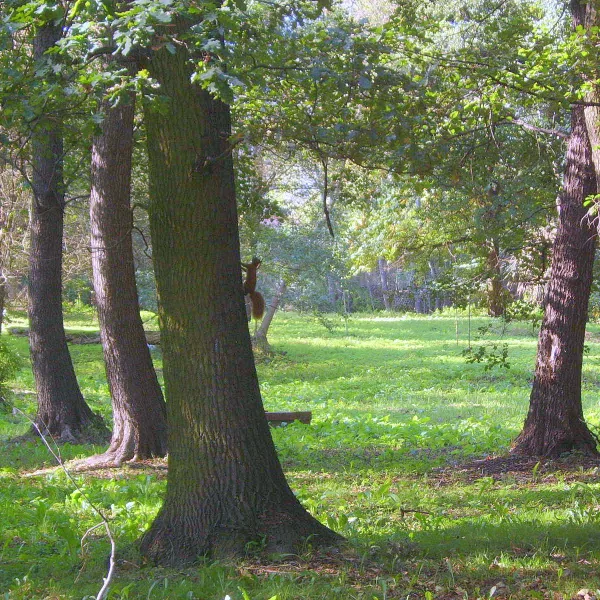
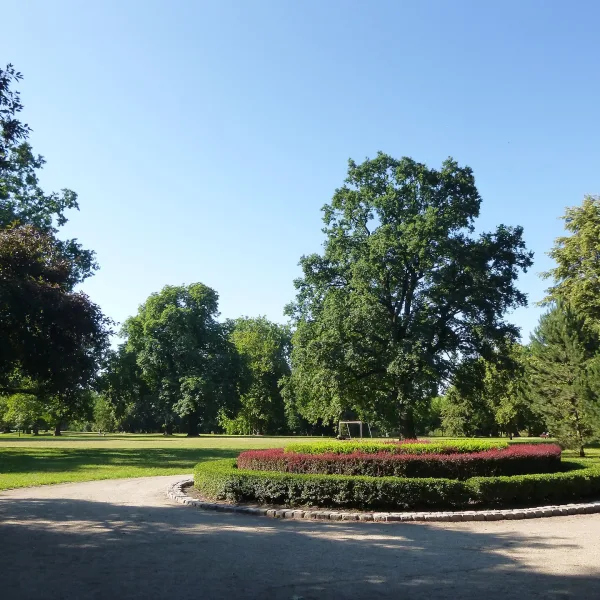
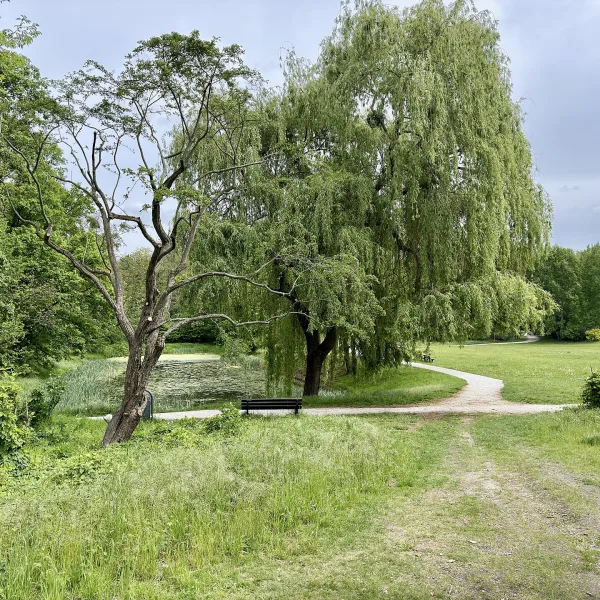
Leśnica Park covers 21 hectares of a former palace park on the Bystrzyca, with a Renaissance castle, a hornbeam maze and ponds. Grabiszyński Park covers 48 hectares and was created on a former municipal cemetery. Western Park has an oak avenue and remnants of First World War fortifications. Eastern Park lies on two islands formed by branches of the Oława river, and Stabłowice Park is the former private park of botanist Karol Lauterbach, now with three natural monuments.
Which parks have an interesting history?
Many Wrocław parks were created on the site of former cemeteries, and their history now lies hidden under the greenery. Tarnogaj Park was laid out in 2018 on a former cemetery, on about 5.5 hectares. Maria Dąbrowska Park in Karłowice-Różanka also occupies a former cemetery, and Anders Park in Huby, from 1975, has old tree avenues. Leonardo da Vinci Park in Gądów Mały shows a sculpture of the Vitruvian man and elements that refer to Leonardo inventions.
When you walk in such places, keep calm and show respect: these are former resting places, now open to all residents and guests.
Where do you go with children without paying?
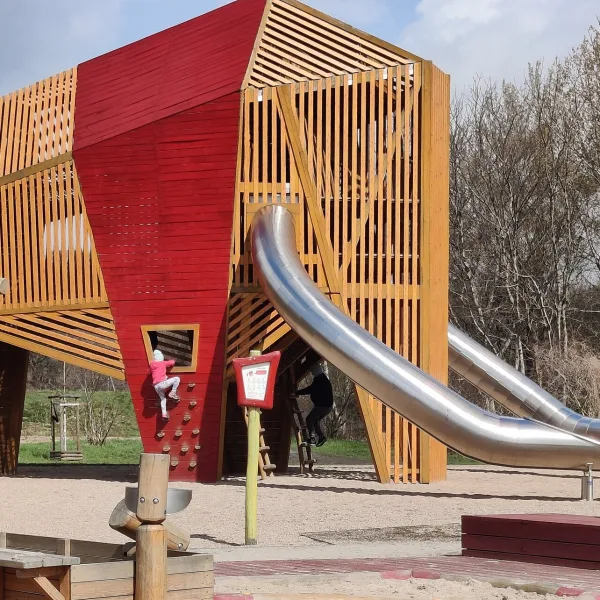
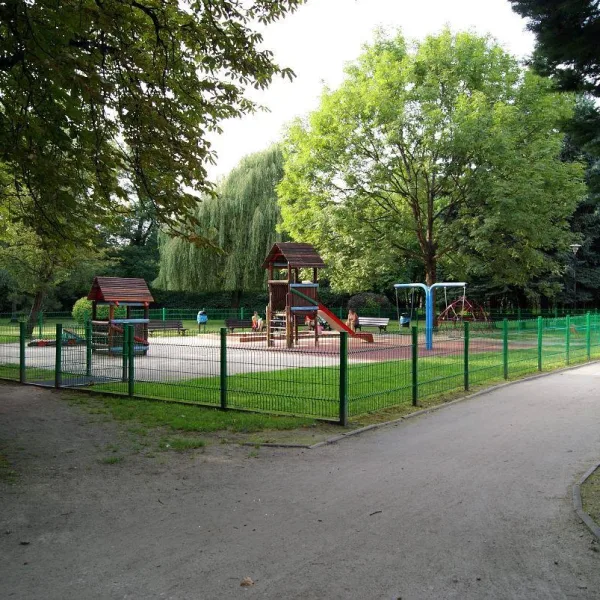
Mammoth Park in Oporów has an eight-metre mammoth structure with slides and was funded by the citizens budget. Kleciński Park has an amphitheatre, a playground, a pitch and a dog run on the Ślęza. Stanisław Tołpa Park in Ołbin offers a pond, an artificial hill, playgrounds and a dog run, and Popowice Park a playground, an outdoor gym and a specimen of pin oak. In Copernicus Park children enjoy the carousel, and Strachowice Park has small ponds and a playground.
Millennium Park in Muchobór Wielki has roller-skating tracks, an avenue of the European Capital of Culture and outdoor sculptures. Skowroni Park is about 25 hectares in Gaj, once known as the Park of the 30th Anniversary of the People Republic.
Which statues and monuments can you see without a ticket?
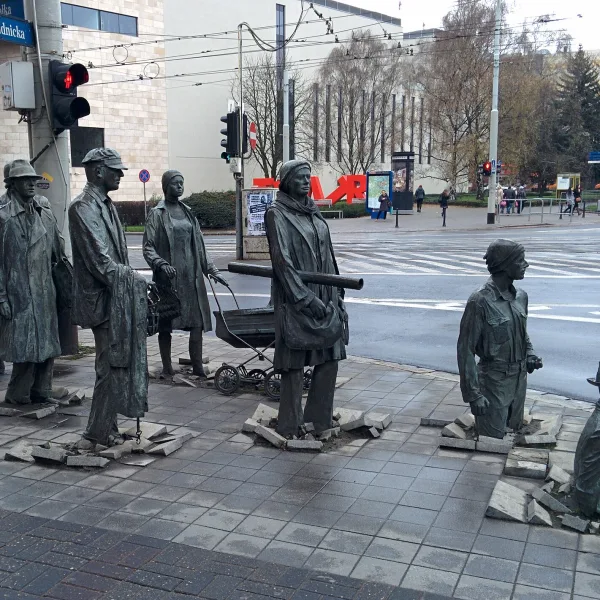
The symbol of the city is the Monument to the Anonymous Passerby: fourteen bronze figures vanishing into and emerging from the pavement on Świdnicka Street. On the Market Square stands the Pillory, a reconstruction of the one from 1492 with a figure of the executioner called Roland. On Strzegomski Square you will see Train to Heaven, a vertically set historic steam locomotive Ty2-1035. By the lane Stare Jatki stands the Monument to Slaughtered Animals, and on Kościelny Square an 18th-century figure of St John of Nepomuk.
Where do you go for views and nature?
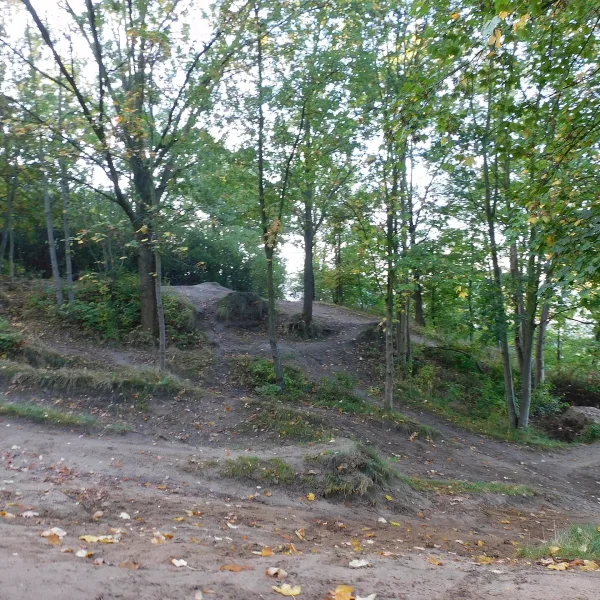
Tarnogaj Hill is 133 m above sea level and you can see the city from it. Similar views come from Gajowice Hill with its outdoor gym and Gaj Hill, the second highest in the city. The Las Pilczycki nature reserve is the first nature reserve in Wrocław, an alluvial forest where the Ślęza meets the Oder, protected with no entry to the area, so you look at it from outside. Dąbie Park lies on Great Island by the Oder, near the Zoo, Szczytnicki Park and the Centennial Hall.
How do you plan a day without tickets?
A sample plan: start with the Pillory on the Market Square and Stare Jatki, then go to Szczytnicki Park and the exhibition grounds, and in the evening climb Tarnogaj Hill or Gajowice Hill for a view of the city. At none of these stops do you buy a ticket, and in one day you see sculpture, greenery and a panorama.
Combine the centre with a park: the pillory and the Anonymous Passerby in the morning, Szczytnicki Park in the afternoon. When it rains, see things to do in the rain, because some places there are free too. With kids look at attractions for children, and greenery and nature are gathered in parks and nature. Buildings you can admire from outside are described on the page about architecture in Wrocław. A wider list from the region is free attractions in Lower Silesia, and the full city overview is attractions in Wrocław.
Frequently asked questions
Which park is the largest?
Szczytnicki Park has about 100 hectares and lies by the Centennial Hall.
Where can I see sculptures for free?
The Monument to the Anonymous Passerby stands on Świdnicka Street, Train to Heaven on Strzegomski Square, and the monument to slaughtered animals by Stare Jatki.
Is the Las Pilczycki reserve open?
It is the first nature reserve in Wrocław, protected with no entry to the area.
Do the free parks have playgrounds?
Yes. Kleciński Park, Stanisław Tołpa Park, Popowice Park and Strachowice Park have playgrounds, and Mammoth Park has slides built into a mammoth.
Which places suit a walk on your own?
Tarnogaj, Gajowice and Gaj hills carry the Solo tag, so they suit a stroll alone.

 Parks and nature