Industrial heritage in Lower Silesia means bridges, stations, viaducts, mines and museums. See what to visit and how to plan a route.
What counts as industrial heritage?
The Industrial Heritage tag gathers objects that show old engineering: bridges over the Oder, railway stations and viaducts, underground routes in former mines and vehicle museums. The region has an unusually large number, because industry and the railway developed here from the mid-nineteenth century, and mining reaches much further back. Some are open to visitors, others simply stand in the city and can be seen from outside.
The list has two kinds of targets. The first, such as underground routes and museums, need a ticket and a visit indoors, so they suit rain. The second, such as bridges and viaducts, you see on a walk and for free.
Which bridges in Wrocław are worth seeing?
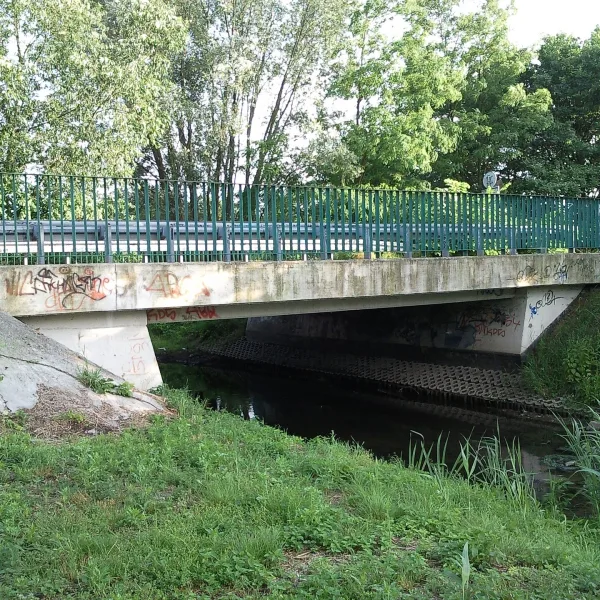
Wrocław lies on the Oder and its canals, so bridges form a separate collection. Tumski Bridge from 1889 is a two-span, riveted steel structure between Ostrów Tumski and Piasek Island, now for pedestrians only. Grunwaldzki Bridge from 1910 is a suspension bridge on two brick pylons faced with granite, entered in the register of monuments. Szczytnicki Bridge from 1888-1890 is a three-span arch bridge on the Old Oder, and the University Bridges form a pair of steel crossings from the 19th century, rebuilt in the 1930s.
More modern engineering is the Rędziński Bridge: a road cable-stayed bridge, part of the A8 motorway, with the highest pylon in Poland (122 m) and 160 stays of a combined length of 25 kilometres. It was opened on 31 August 2011. The Millennium Bridge from 2004 joins Popowice with Osobowice, and the Peace Bridge from 1959 stands where the Lessing bridge, destroyed in 1945, once was. The industrial heritage tag also includes the Witches' Bridge, a link 45 metres up joining the towers of St Mary Magdalene church, mentioned since 1459.
More lists are on the page about industrial heritage in Wrocław.
Where to see historic railway?
Wrocław Główny station is the largest passenger station of the city, a neo-Gothic building designed by Wilhelm Grapow and opened on 12 October 1857. It is one of the few stations in Poland with a preserved platform hall. The oldest surviving passenger station of Wrocław, Wrocław Świebodzki, has been closed since 1991 but kept its tracks and platforms.
Outside the city go to Jaworzyna Śląska. The Museum of Railways in Silesia works in a historic roundhouse from 1906-1907, and its collection of rolling stock is the largest in Poland. It is private, carries the Solo and Rainy Day tags, though rolling stock also stands on the museum grounds.
The railway also left structures along its lines. The Bolesławiec railway viaduct from 1846 is almost half a kilometre long and made of sandstone from the mine in Dobra. The Zgorzelec railway bridge from 1844-1847 is 475 metres long with 35 spans of local granite, and joins Zgorzelec with German Görlitz. The viaduct in Lewin Kłodzki from 1903-1905 crosses the Klikawa valley and national road no. 8, and trains still use it.
Which mines and underground sites can you visit?
Underground you can spend several hours whatever the weather. In Kowary there are two routes through former uranium mines. Podgórze Mine worked in 1950-1958 and under the People's Republic its existence was a state secret; today it has an exhibition of glowing uranium glass. The Kowary Adits are about 1,200 metres long, opened to visitors in 2000, and radiation is monitored along the whole route.
In Złoty Stok the Ochre Adit is part of the Gold Mine complex and known for the unusual colours of its rocks. In Złotoryja the Aurelia Gold Mine is closed as a mine and has been open to tourists since 1973. In Szklary you will see a nickel, chrysoprase and opal mine with a mineral exhibition, and in Krobica the GEOPARK St John's Mine, one of the oldest mines in Poland, with alchemy workshops and escape rooms. You can enter the adit of a former pyrite mine in Kopaniec near Szklarska Poręba free of charge.
In Wałbrzych the Old Mine Science and Art Centre occupies the grounds of the former Julia mine, with underground tours, an industry museum and a children's zone. In Kłodzko the route under the old town is about 700 metres long with a dozen or so themed rooms on the city's history, open since 1976. Szklarska Poręba also has the closed Stanisław quartz mine, the highest-lying of its kind in central Europe.
What can you not visit, despite the tag?
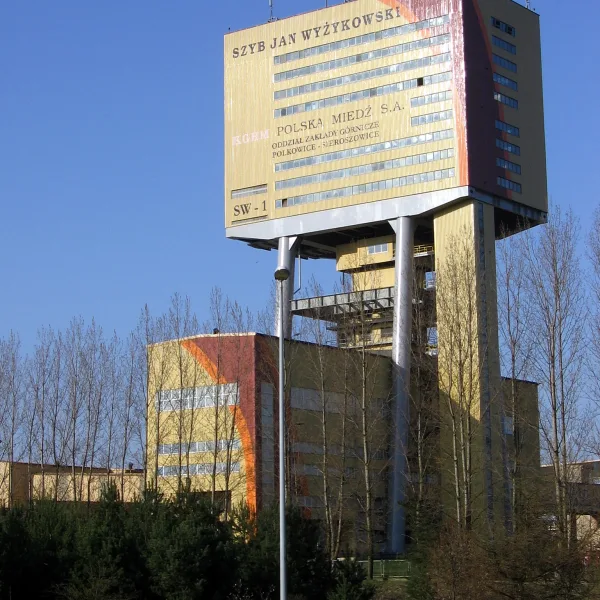
The tag also holds objects that exist but are not a trip target. The Turów lignite mine is a working plant, closed to visitors, and the Rudna mining plant is a working KGHM copper mine. The water tower on Wiśniowa Avenue in Wrocław from 1905 has a viewing gallery at 42 metres but is currently closed. Do not plan a visit there; at most see them from the road.
Where to see vehicles and technical curiosities?
Motoring fans have a few addresses. The WENA Motoring Museum in Oława is a private collection in one hall on Zielna Street, open since 2024: hundreds of vehicles, aircraft, motorcycles and exhibitions from the People's Republic era. The Topacz Motoring Museum in Ślęza has about 130 cars and motorcycles and an exhibition of film technology, by the Zamek Topacz hotel. In Głuszyca the Museum of Automotive Engineering and Technology shows historic military and civilian vehicles and stationary engines. In Karpacz a two-floor exhibition of Lego models is a good idea for a rainy day with children.
Frequently asked questions
Where in Lower Silesia can you visit a uranium mine?
In Kowary, where two routes work: Podgórze Mine and the Kowary Adits in the former Liczyrzepa mine.
What to visit when it rains?
Underground sites: the Ochre Adit in Złoty Stok, the route in Kłodzko, the Old Mine in Wałbrzych. Motoring and railway museums are also good.
Which bridges in Wrocław are the best known?
Tumski Bridge, Grunwaldzki Bridge and Rędziński Bridge with the highest pylon in Poland.
Where to see the largest collection of rolling stock?
In the Museum of Railways in Silesia in Jaworzyna Śląska, in a historic roundhouse.
Can tourists visit the Turów and Rudna mines?
No. Turów is closed to visitors, and Rudna is a working copper mine. Other sites on the list serve for visiting.

 Historic sites