Architecture in Lower Silesia: Centennial Hall, castles, abbeys and fortresses. See which buildings to put on a route around the region.
Which Wrocław buildings show the city's architecture best?
Start with the Centennial Hall in Biskupin. This expressionist event and sports hall from 1913 was designed by Max Berg, and it is both a Monument of History and a UNESCO site. Next to it stands the Four Domes Pavilion, a reinforced concrete exhibition building from 1912-1913, today a branch of the National Museum. At one address you see two different approaches to concrete from more than a hundred years ago.
In the centre, go to the Market Square, where the late Gothic town hall was built from the late 13th to the 16th century and now houses the Museum of Bourgeois Art. In the north-west corner of the square rises the Basilica of St Elizabeth of Hungary with its 91-metre tower. On Piaskowa Street, the Market Hall from 1908 is still in use, and its parabolic reinforced concrete arches count as an early engineering achievement. For more of the city, open the page architecture in Wrocław.
Where can you see bridges and architecture along the Oder?
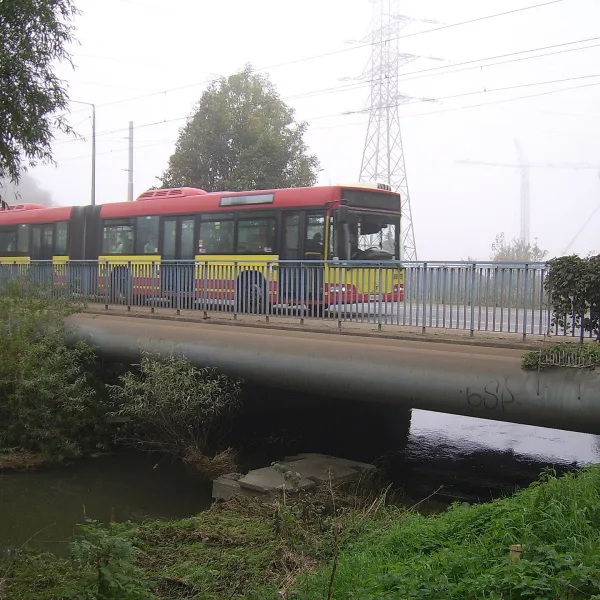
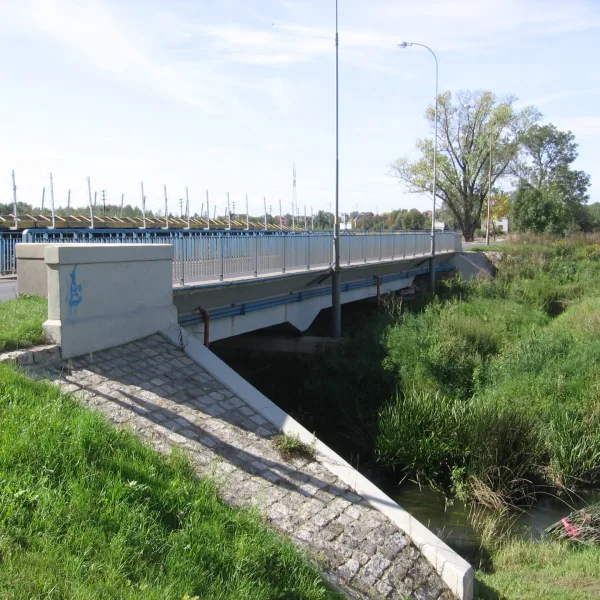
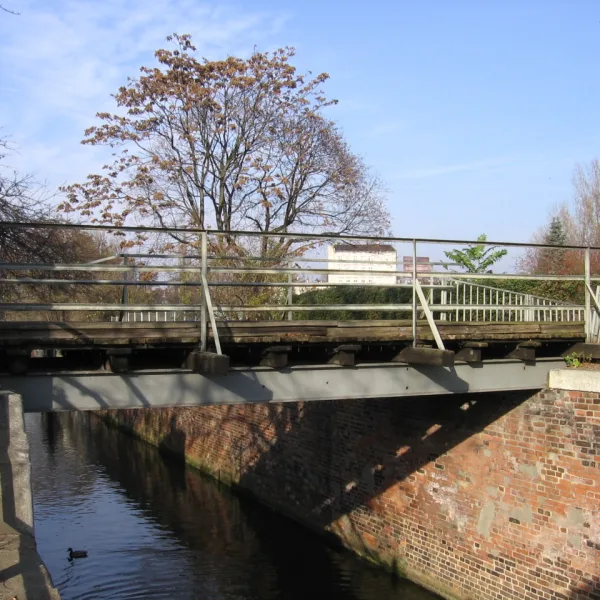
Two bridges deserve a closer look. The Tumski Bridge from 1889 is a riveted steel structure linking Ostrów Tumski with Piasek Island, today for pedestrians only. The Grunwaldzki Bridge from 1910 is a suspension bridge on two pylons of clinker brick faced with granite. Both count as technical monuments, so they fit a walk about engineering.
From the Tumski Bridge it is a short way to the Cathedral of St John the Baptist. The Gothic cathedral of the Wrocław bishops has a viewing gallery in its tower and the largest organ in Poland, and it interests architects because it is the fourth church on this spot.
Which castles and fortresses belong on the list?
The biggest is Książ in Wałbrzych, the third largest castle in Poland, set above the Pełcznica gorge. Near the town you will also find the Gothic Grodno Castle from the 14th century on top of the Choina hill, and the other sites of the town are gathered on the page architecture in Wałbrzych.
In the Giant Mountains, climb Chojnik hill to reach the ruin of the Gothic Chojnik Castle, burnt by lightning in 1675. More sites of the area are on the page architecture in Jelenia Góra. In the west of the region lies Czocha Castle above Lake Leśniańskie, a fortified border castle with a medieval keep that now works as a hotel and conference centre. The Gothic castle in Kliczków on the Kwisa river is also a hotel today.
Fans of fortifications can choose the Kłodzko Fortress with its surface routes and underground countermine tunnels, or the Prussian Srebrna Góra Fortress, a group of six forts from the 18th century. More from the Kłodzko area is on the page architecture in Kłodzko.
Where can you see castle ruins on a short trip?
Ruined castles make good short outings. In Bolków, the ruins on Castle Hill include the oldest surviving window in Poland and the round Dziobowa Tower. On a basalt hill in the Zagrodno commune stands Grodziec Castle, rebuilt from the 12th to the 20th century and set on the Piast Castles Trail. In Janowice Wielkie look for the ruins of Bolczów Castle on a granite outcrop in the Janowice Ridge, and in Żmigród for the remains of a baroque palace and a Gothic residential tower in the park by the Barycz river. Lwówek Śląski has its own page too: architecture in Lwówek Śląski.
Which churches and abbeys are the most interesting?
In Świdnica stands the Church of Peace, the largest timber baroque church in Europe, on the UNESCO list since 2001. In Karpacz you will find the Wang Church, a Norwegian stave church from the 12th-13th century, moved below Mount Śnieżka in 1842. For baroque on a grand scale, see the Cistercian Abbey in Lubiąż, the largest Cistercian abbey in the world, with a volume three times that of the Royal Castle on Wawel.
Krzeszów is a second baroque Cistercian complex, recognised as a Monument of History. In Kamieniec Ząbkowicki you can see the neo-Gothic palace of Princess Marianne of Orange on Castle Hill, surrounded by a park, and in Łomnica a baroque palace from the 17th century with the Widow's House. Quieter in tone is the Jewish thread in Wrocław: the classicist White Stork Synagogue from 1829 on Pawła Włodkowica Street.
Can you mix architecture with museums and nature?
Yes. The Museum of Papermaking in Duszniki-Zdrój is housed in a historic paper mill from the 16th-17th century and still makes handmade paper. The Wojsławice Arboretum near Niemcza is a botanical garden with collections of rhododendrons, daylilies, boxwoods and peonies, a pleasant break in a route full of walls. After the city, step into the National Museum in Wrocław, with its collection of painting and sculpture, mostly Silesian art.
Frequently asked questions
Where should I start exploring Lower Silesian architecture?
In Wrocław: the Centennial Hall, the Market Square with the town hall and Ostrów Tumski give a fast tour of the eras. Then go to Wałbrzych for Książ or to Świdnica for the Church of Peace.
Can I explore architecture on my own?
Yes. Many of these sites, such as the hall, the bridges, castles and churches, carry the Solo tag, meaning they suit a quiet outing alone.
Where can I see architecture when it rains?
Choose sites you tour indoors: the National Museum in Wrocław, the town hall, the Kłodzko Fortress, Grodno Castle, the abbey in Lubiąż or the Museum of Papermaking in Duszniki-Zdrój.
Which castles are hotels today?
Czocha Castle above Lake Leśniańskie and the castle in Kliczków on the Kwisa river work as hotels and conference centres. Check the visiting rules before you go.

 Places with character