Parks in Lower Silesia: city greens, spa parks, Japanese gardens and arboreta. Choose a place for a walk in town or in the mountains.
Which parks should you start with in Wrocław?
The biggest is Szczytnicki Park, a landscape park of about 100 hectares, with rich tree stands, a wooden church and the Centennial Hall next door. Here lies the Japanese Garden of 1909-1913, with cascades, little bridges and a pond with koi carp. The designer was the Japanese gardener Mankichi Arai, and the initiator was Count Fritz von Hochberg of Iłowa.
Near Ostrów Tumski you find the Botanical Garden of the University of Wrocław, founded in 1811 and the second oldest in Poland. On 7.5 hectares grow about 7,500 plant species. In the very centre of the city, Nicolaus Copernicus Park by the Wrocław Opera was laid out in the style of the Tivoli Gardens in Copenhagen, with a monument to Copernicus and a carousel for children. Juliusz Słowacki Park on the edge of the Old Town covers 5.74 hectares and neighbours the Racławice Panorama.
East Park in the Księże district lies on two islands formed by branches of the Oława river and covers over 30 hectares. West Park, also known as Bebelpark, has an avenue of oaks and remains of First World War fortifications.
Where can you go with children?
The biggest curiosity is Mammoth Park in Oporów by the Ślęza river, where an eight-metre mammoth structure with slides stands. It was created from the citizens' budget on a seven-hectare strip of wasteland. Kleciński Park in Krzyki-Partynice has an amphitheatre, a playground, a pitch and a dog run by the Ślęza. You also find a playground and a dog run in Stanisław Tołpa Park in Ołbin, and a playground in Strachowice Park.
Longer routes are offered by Park Tysiąclecia in Muchobór Wielki, covering about 90 hectares on both banks of the Ślęza. It has roller-skating tracks, an avenue of the European Capital of Culture and outdoor sculptures.
Which spa park suits a quiet walk?
Spa parks provide long, comfortable paths. The Spa Park in Polanica-Zdrój covers 12.97 hectares, is divided into five parts, including the oldest Central Park, the Forest Park and Józef's Park, and is under protection. In Szczawno-Zdrój the Henryk Wieniawski Spa Park, from 1812, is laid out in the English style, with winding paths. It holds a monument to Wieniawski and a concert shell, and trails lead into the Wałbrzych Mountains.
In Świeradów-Zdrój the park of 1898 has the Spa House and a larch-wood promenade hall. The most space is in the Spa Park in Długopole-Zdrój: 30 hectares, an amphitheatre, a grotto with a spring and the Main Sudetes Trail. In Jelenia Góra, in the spa district of Cieplice, the Norwegian Park extends the walk, known for its wooden pavilion in the Scandinavian style.
Where can you see rare plants and themed gardens?
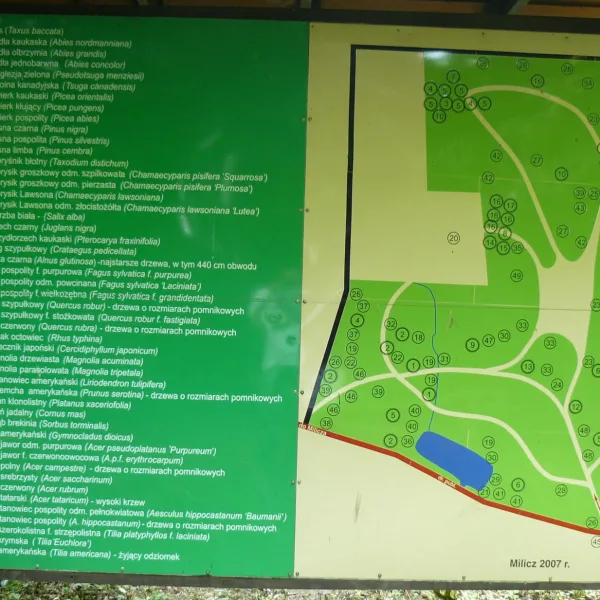
Among the gardens, the Japanese garden in Jarków in Lewin Kłodzki municipality stands out. It covers about a thousand square metres, with a pond, a waterfall and a rock garden, and has been open to visitors since 2003. In Lądek-Zdrój you find the arboretum at 475-500 metres above sea level, the highest in Poland. It covers 2.03 hectares and has benches, paths and little bridges.
On a very different scale is the Forest Arboretum in Stradomia Dolna near Syców: about 650 hectares of experimental forest with collections of trees and shrubs. Under a roof, in Wałbrzych, stands the Palm House of 1913 by Książ Castle, with walls of volcanic tuff from Etna and a bonsai exhibition. In Ścinawka Górna the palace garden at Sarny Castle, designed by Eduard Petzold, covers about four hectares and has nine natural monuments.
Which parks have an interesting history?
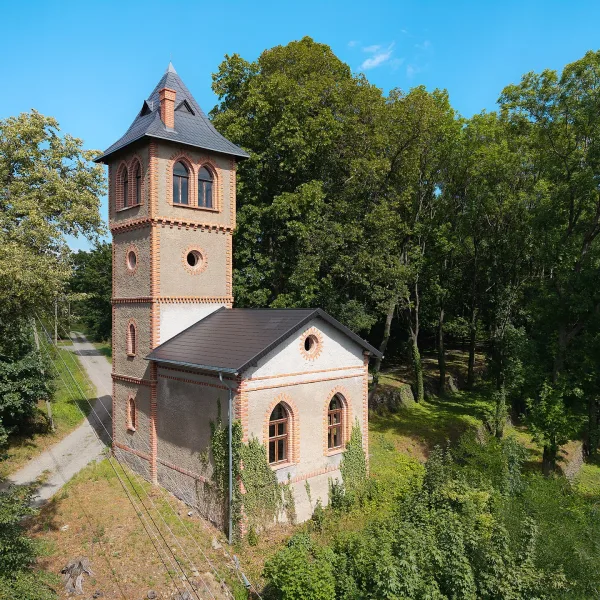
Leśnica Park in Wrocław is a former palace park on 21 hectares, with a Renaissance castle, a hornbeam maze and ponds, listed in the heritage register. Stabłowice Park was laid out by the botanist Karol Lauterbach around a palace villa built after 1892, and three natural monuments grow there today. In Legnica the Municipal Park is the oldest and largest in the city, 58 hectares with a Palm House, a Summer Theatre and the Goat Pond. In Chojnów, Piastowski Park of 1885, designed by Petzold, has a water tower and a toboggan run.
Several Wrocław parks were created on former cemeteries, among them Grabiszyński Park of 48 hectares, Tarnogajski Park, founded in 2018 on the site of the old St Bernard cemetery, Maria Dąbrowska Park in Karłowice-Różanka and Anders Park in Huby, from 1975. Visit them quietly, with respect for the history of these places.
What about nature outside the cities?
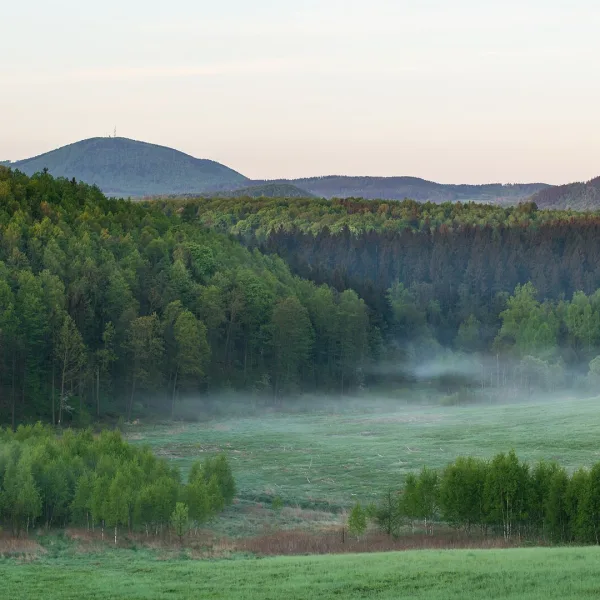
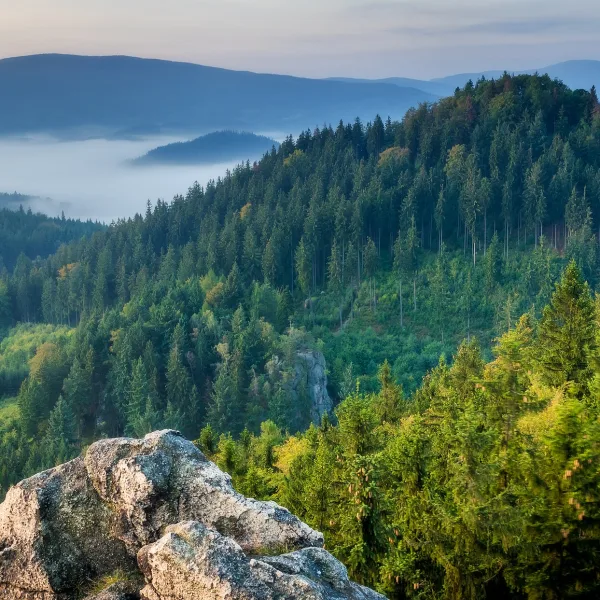
The Ślęża Landscape Park covers the Ślęża and Radunia massifs with a network of walking, cycling and educational trails. Szwajcaria Lwówecka near Lwówek Śląski is a group of sandstone rock forms at 250-260 metres, the highest natural sandstone formation in the Sudetes outside the Table Mountains. In Legnica the 52-hectare Lasek Złotoryjski provides a forest walk.
If you are staying in Wrocław, open the list of parks in Wrocław.
Frequently asked questions
Which park is the biggest in Wrocław?
Of those described, the biggest is Szczytnicki Park, about 100 hectares. Park Tysiąclecia covers about 90 hectares.
Where can I see a Japanese garden?
In Wrocław in Szczytnicki Park, and in Jarków in Lewin Kłodzki municipality.
Which parks are free?
Most of the city and spa parks on this page are marked as free. Botanical gardens and arboreta may have their own rules, so check with the organiser.
Where can I walk with a dog?
Kleciński Park and Stanisław Tołpa Park have dog runs.
Where can I walk on a rainy day?
Go to the Palm House in Wałbrzych, where the plants grow under a glass roof.

 Parks and nature