Wrocław, Lower Silesia
Friday, 06 November 2026 PL / EN

Great views

For families For couples Solo For rainy days Free
478 attractions
Parkowa Mountains
Parkowa
Strzelin

a small hill next to Strzelin, known until 1945 under the German name Marien-Berg

Prosta Mountains
Prosta
Trzebieszowice

a 572-metre hill of Krowiarki built of mica schists and gneisses, right above Trzebieszowice
Radlica Mountains
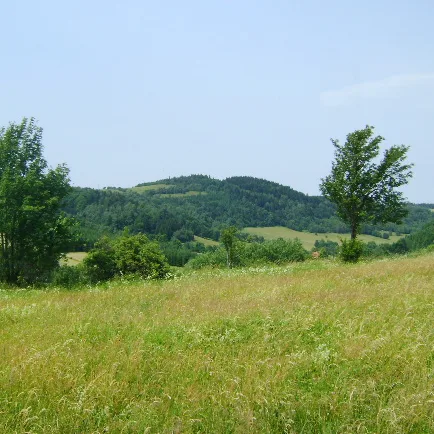
Radlica
Łomnica

a dome-shaped hill with granite rock outcrops in the Rudawy Janowickie, without a trail to the summit

Rogal Mountains
Rogal
Łączna

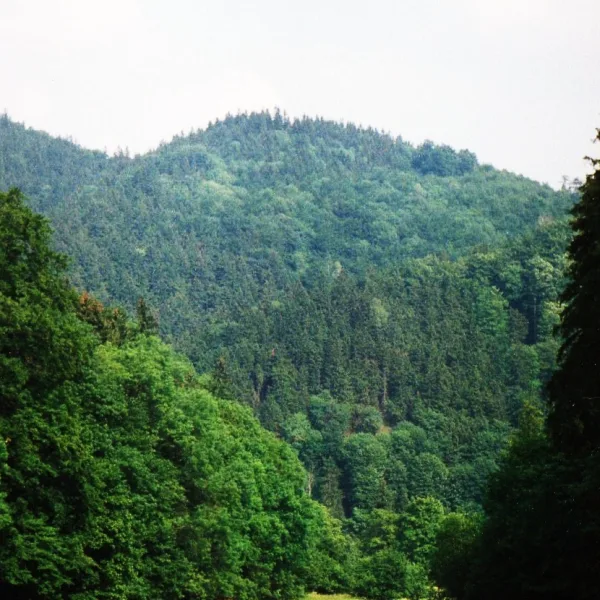
a spruce-covered peak of the Zawory range with a disused red sandstone quarry at its foot
Rogatka Mountains
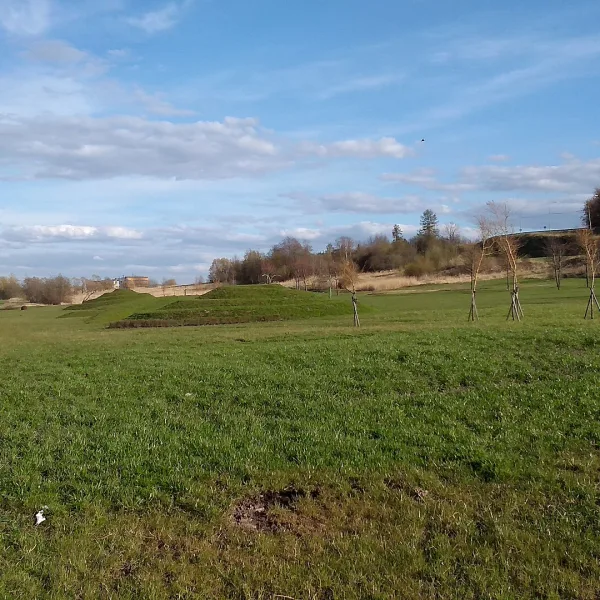
Rogatka
Rząśnik

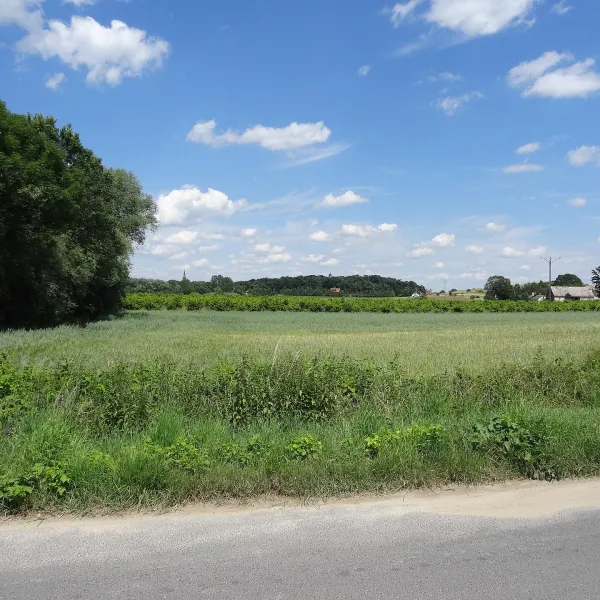
a wooded ridge of the Kaczawa Mountains between the Okole and Skała massifs, amid fields and meadows
Rzepisko Mountains
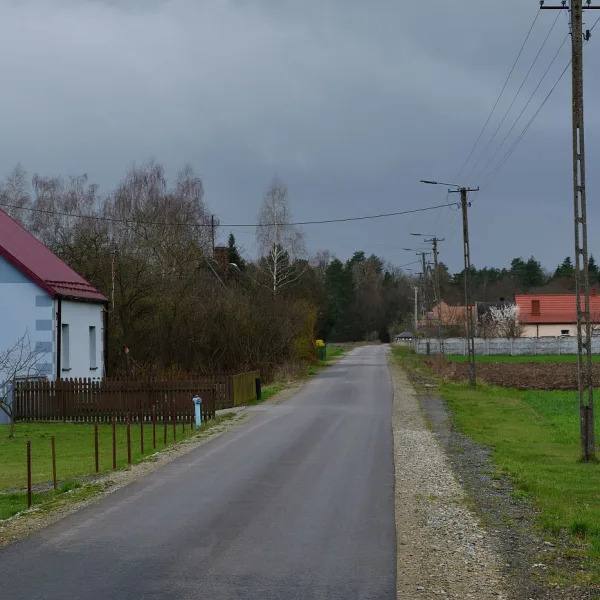
Rzepisko
Jedlina-Zdrój

a hill of the Czarne Mountains sheltering the resort of Jedlina-Zdrój from the north, with an Aromatic Garden on its slope
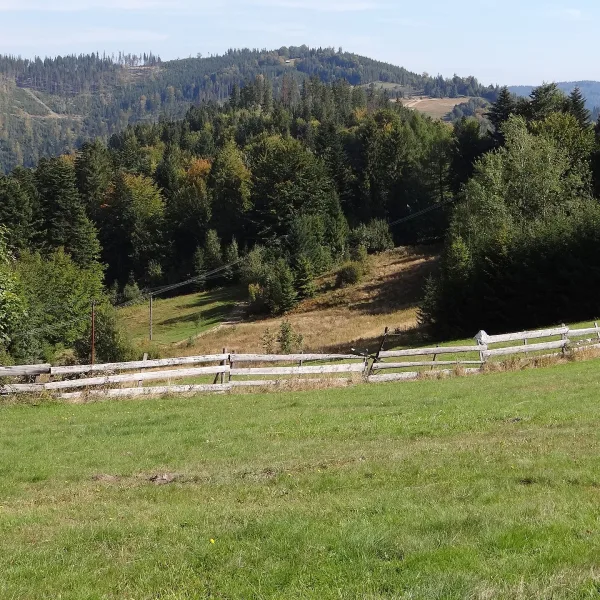
Sarniak Mountains
Sarniak
Laskówka

a wooded peak of the Bardzkie Mountains built of Lower Carboniferous greywackes, formerly called Jeleniec

Mountains
Sierstkowa
Stronie Śląskie

a 974-metre summit of the Śnieżnik Massif on the Polish-Czech border and the European watershed
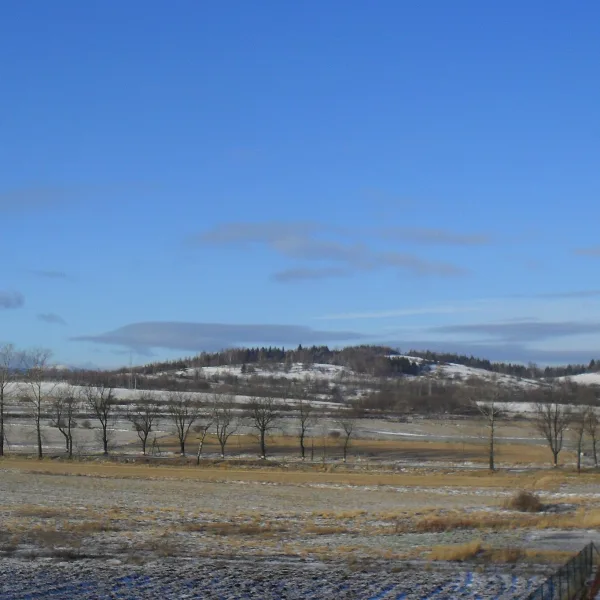
Skała Mountains
Skała
Rząśnik

a peak of the Kaczawa Mountains built of Early Palaeozoic greenstones and schists, 485 metres above sea level
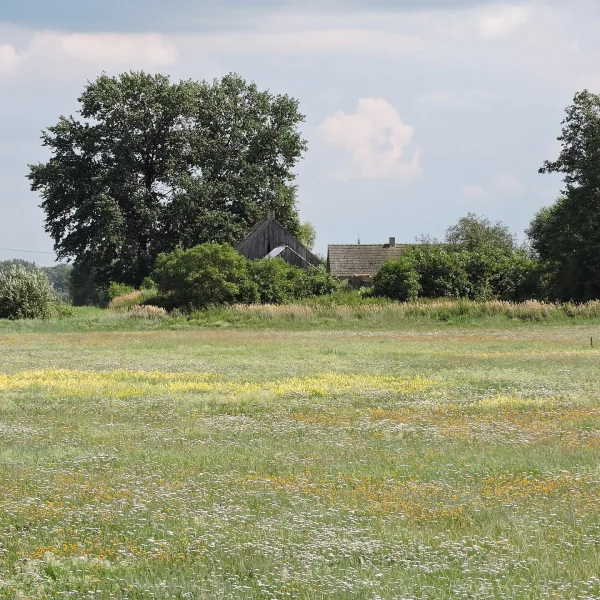
Skowroniec Mountains
Skowroniec
Błażkowa

a forested 581-metre summit of the Krucze Mountains, built of sedimentary rocks

Stożek Mały Mountains
Stożek Mały
Unisław Śląski

a conical summit of the Kamienne Mountains above Sokołowsko, on the yellow and green trails
Wiązowa Mountains
Wiązowa
Błażejów

a peak of the Krucze Mountains built of Permian porphyries, between Głazica and Jaworowa

Zadora Mountains
Zadora
Wojcieszów

a peak of the Kaczawa Mountains above Wojcieszów, built of Early Palaeozoic greenstones and schists

Mountains
Zameczna
Rościszów

a hill of the Owl Mountains with an unmarked ridge route to Wielka Sowa and traces of former mining works

Mountains
Żeleźnia
Międzylesie

a 597-metre mountain of the Bystrzyckie Mountains with the ruins of a former lime kiln and the Hirschenhauser settlement
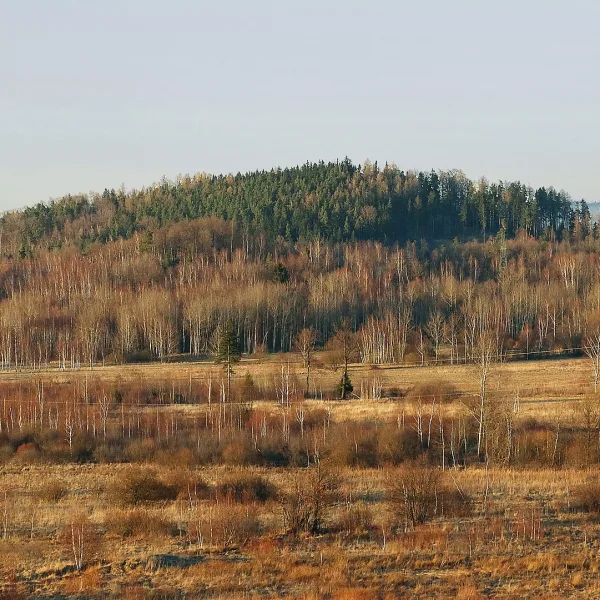
Złota Góra Mountains
Złota Góra
Chełmsko Śląskie

a 577-metre summit of the Zawory in the Table Mountains, built of red Permian sandstone
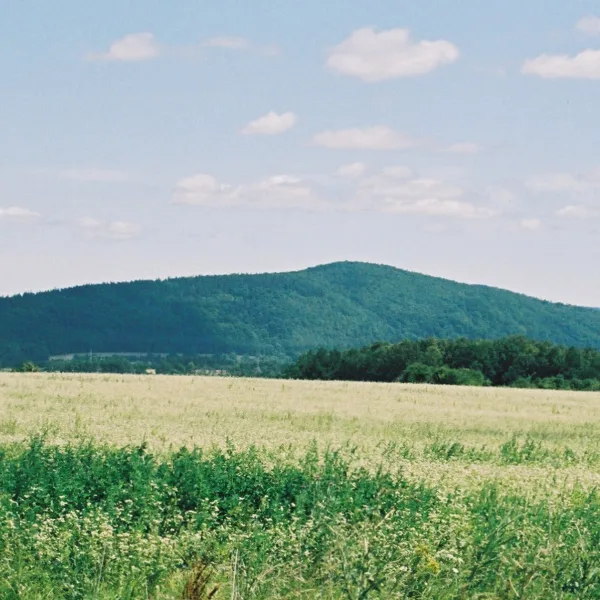
Dębowa Mountains
Dębowa
Żelazno

a small peak of the Krowiarki in the Śnieżnik Massif, about 506 metres above sea level
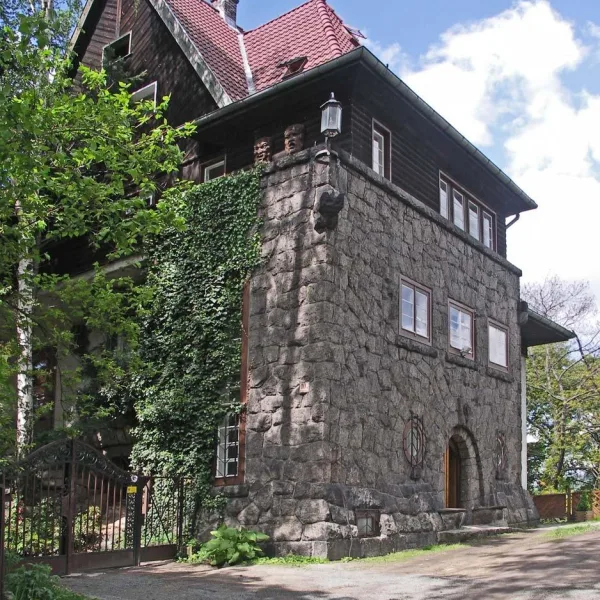
Ptasia Góra Mountains
Ptasia Góra
Szczytna

a dome-shaped hill in the Bystrzyckie Mountains, 745 m above sea level, with mouflons brought from Italy in the 18th century
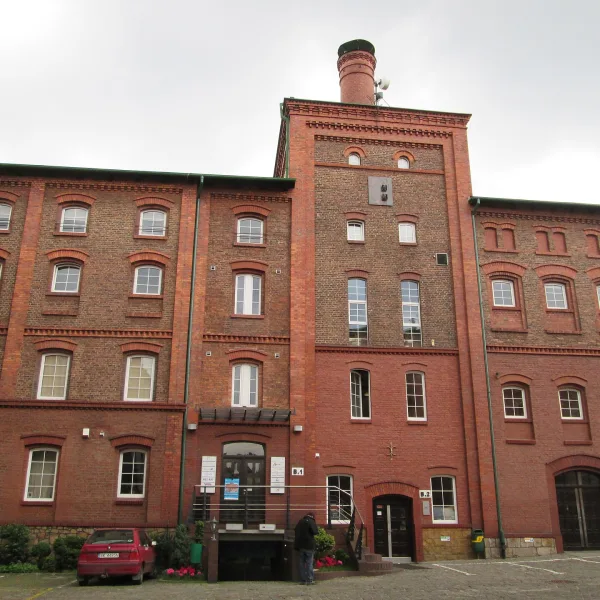
Warzelnia Mountains
Warzelnia
Szklarska Poręba

a forested hill 662 m above sea level, named after a former potash works for glassworks

Mountains
Piechowicka Góra
Piechowice

a granite summit of the Karkonosze Foothills, 604 metres, on the trail linking Piechowice with Michałowice

Pustelnia Mountains
Pustelnia
Lubawka

the highest summit of the Góry Krucze, built of Permian porphyries, with traces of a former quarry

The best views in Lower Silesia: Karkonosze peaks, lookout towers in the Sudetes and low hills. Choose a panorama to match your fitness.

Which Karkonosze peak gives the biggest panorama?

The highest is Śnieżka, 1,603.30 metres above sea level, the highest mountain of the Karkonosze, the Sudetes and the whole Czech Republic. It stands on the Polish-Czech border, and in good visibility the panorama stretches more than 200 kilometres. Kopa, on the way to Śnieżka, is about 1,377 metres high and has a chairlift and the Karpacz Ski Arena ski complex.

From the western side of the massif you climb Szrenica, a peak of 1,362 metres above Szklarska Poręba, reached by cable car, with a viewpoint and a mountain hut at the top. Further along the ridge lie Łabski Szczyt (1,471 metres, a PTTK hut on the slope), Śląskie Kamienie (1,413 metres, a group of rocks with a view of the Czech Kamienie) and Wielki Szyszak (1,509 metres), the fourth peak of the Karkonosze. No marked trail leads to Wielki Szyszak, and on the summit stand the ruins of a monument to Wilhelm I from 1888.

In the Izera Mountains look for a panorama on Wysoka Kopa (1,127.6 metres), treeless since the ecological disaster of the 1980s, with subalpine meadows. Near Szklarska Poręba there is also Zakręt Śmierci (Death Bend), a viewpoint on the Sudeten Road that opens a view of the Karkonosze and the Jelenia Góra Valley. If you are staying in the Karkonosze, see the separate pages for Szklarska Poręba and Karpacz.

Where can you climb a lookout tower in the Central Sudetes?

A good choice is Wielka Sowa, the highest peak of the Owl Mountains (1,015 metres) and a point of the Crown of Polish Mountains. On top stands a concrete lookout tower from 1905-1906, managed by the municipality of Pieszyce. The third highest peak in the range is Kalenica (964 metres), with a lookout tower, a beech forest reserve and the Dzikie Skały rock formations.

In the Wałbrzych Mountains you have Trójgarb, with three summits of 778, 758 and 741 metres and a lookout tower on top. Above Szczawno-Zdrój rises Chełmiec (850 metres) with a lookout tower and a millennium cross. Closer to town are Zamkowa Góra (618 metres) with the ruins of the medieval Nowy Dwór castle, and Lisi Kamień (613 metres) with traces of former silver ore mining.

The Central Sudetes also hold Waligóra, the highest peak of the Dry Mountains and the whole Stone Mountains (933.88 or 936 metres, sources give both values). In the Kłodzko Land, in Nowa Ruda, you can climb a historic stone tower of sandstone on St Anne's Hill, or All Saints' Hill (648 metres), where there is a viewpoint.

What to choose in the Kłodzko Land and the Eastern Sudetes?

Szczeliniec Wielki is the highest peak of the Table Mountains (922 metres) in the Table Mountains National Park, with viewing terraces, cracked sandstone rocks and a trail dating from 1814. Śnieżnik (1,425 metres) is the highest border peak on the Polish side of the Eastern Sudetes, with a lookout tower and nature reserves around it. Neighbouring Mały Śnieżnik is 1,326 metres high and lies in a nature reserve.

Jagodna, the highest peak of the Bystrzyckie Mountains, has two summits, a lookout tower and a PTTK hut on the trail to Międzylesie. Brusek (1,115.9 metres) in the Bialskie Mountains lies close to the Czech border. Jawornik Wielki (872 metres) in the Złote Mountains has a lookout tower, and in good weather you can see the Sudeten Foreland and the Silesian Lowland from it. Šerlich (1,025 metres) in the Orlické Mountains has its summit on the Czech side, but the slopes facing Zieleniec belong to Poland.

Where can you get a view without climbing high?

Ślęża (717.5 metres) is the highest peak of the Sudeten Foreland above Sobótka. It was once a centre of pagan worship and still keeps its stone sculptures. For a shorter walk choose Wieżyca (415 metres), with a lookout tower from the early 20th century, reached by the yellow trail from Sobótka.

In the Kaczawa Foothills stands Ostrzyca Proboszczowicka, the conical peak of an old volcano, 501 metres high, with a basalt neck, a nature reserve and a trail of stone steps. Skopiec (720.7 metres) is the third peak of the Kaczawa Mountains, and Lwia Góra (718 metres) lies in the Rudawy Janowickie. Skalnik (945 metres) is the highest in its range and has a viewpoint on the Ostra Mała rocks. In Jeżów Sudecki Szybowcowa Mountain gives a panorama over the Karkonosze and the Jelenia Góra Basin, and the famous Grunau Baby glider was built on this hill.

Close to Wrocław and Trzebnica are the lowest rises: Winna Góra (219 metres) with a park on its slopes and the artificial Tarnogaj Hill (133 metres). The Bismarck Tower on Jańska Góra is a ruin, fenced off, with no access to the viewing platform, so do not go there for a panorama.

How do you choose a destination for a trip?

Start with your fitness and the weather. In poor visibility pick lower peaks with a tower, and leave the high ridges for a day with a good forecast. If you are staying in Jelenia Góra, see the viewpoints in Jelenia Góra, and for the regional capital the best views in Wrocław.

Frequently asked questions

What is the highest peak in Lower Silesia?

Śnieżka, 1,603.30 metres, the highest mountain of the Karkonosze and the Sudetes.

Where can I ride a lift to the top?

By cable car to Szrenica from Szklarska Poręba, and by chairlift to Kopa near Karpacz.

Where are the lookout towers?

Among others on Wielka Sowa, Kalenica, Trójgarb, Chełmiec, Śnieżnik, Jagodna, Jawornik Wielki and Wieżyca.

Which peak has no marked trail?

Wielki Szyszak in the Karkonosze. Plan another goal in that area if you want a marked trail.

Where can I see a view with less effort?

On Wieżyca near Sobótka, at Zakręt Śmierci on the Sudeten Road, or on Szybowcowa Mountain in Jeżów Sudecki.